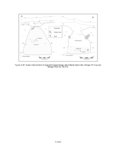
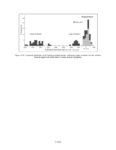
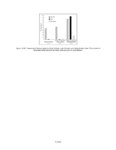
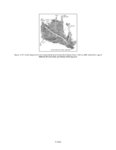
| OCR Text |
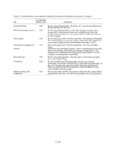
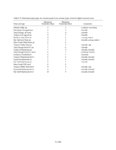
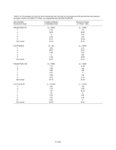
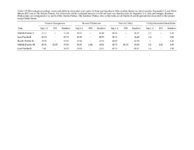
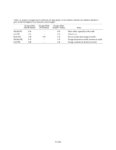
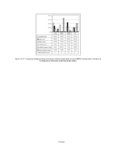
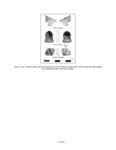
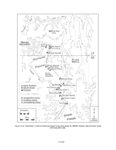
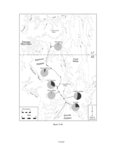
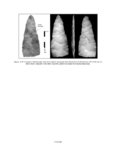
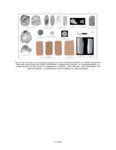
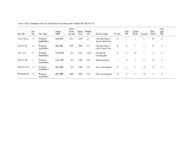
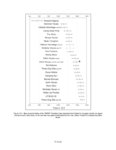
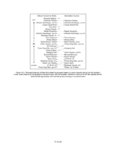
Show classes based upon production technique, such as flaked stone and ground stone. These two broad groups are usually analyzed by separate individuals and the results are described and interpreted within separate chapters of reports. This kind of analytic division is not only somewhat arbitrary, but more important it can obscure valuable information about the full range of the stone reduction and use and the interrelationships among different types of tools. For example, many cores are used to make and refurbish manos and metates, and flakes from producing and resharpening such pecking stones are common constituents of debitage assemblages at Puebloan habitations. Furthermore, many of the tools included in the ground stone class, such as manos and metates, are not actually produced by grinding, whereas other tools commonly included in this class such as pecking stones are created by flaking, if produced at all, and never by grinding or even pecking. In several regions of both the Southwest and Mesoamerica, flaking was an essential step in the production of manos and metates (e.g., Geib 1984; Hayden 1987; Huckell 1984); in the N16 project area sandstone cobbles and boulders derived from Navajo Mountain were flaked to thin and shape them into mano and metate preforms. Often the few items actually produced by grinding, such as ornaments, are not even included in the ground stone class. Moreover, for certain items that might be considered as flaked stone, grinding was actually an essential step in the production sequence-e.g. Gerzean knives (Kelterborn 1984). A few stone projectile-pointshaped artifacts recovered by the NMRAP were made by flaking and then grinding. Desiring a more unified analysis system, we initially devised and employed a format that included a basic set of variables for all stone tools-used flakes, projectile points, metates, pipes, the works- followed by a separate set of variables specific to artifacts in each of the five general classes. The basic analysis format had a core group of 16 variables applicable to all stone tools-such as raw material type, production technology, condition, size, and evidence of recycling. These basic data were then supplemented by a series of variables specific to each of the five general classes; this information was recorded on separate forms. Whatever merits there were to this approach in theory, ultimately they were outweighed by problems with computer manipulation of the data, especially when trying to link three separate data tables (provenience log, basic analysis, and class-specific analysis). Following the first year of excavation analysis (N16 Segment 3 sites), the system was totally redesigned in time for the second year of excavation. The unified basic analysis format was dropped in favor of separate routines for each of the five tool classes. Ultimately we went back and transformed the Segment 3 lithic data so that it matched the procedures used for the rest of the project. Although the recording systems were separated, the goal of having a more integrated lithic analysis was not abandoned and most classes of artifacts are considered here to some extent. In the final approach, used flakes were analyzed along with the rest of the debitage according to the format outlined above. Besides provenience information and measurements of basic dimensions and weight, a series of specific variables were recorded for the other tools classes, all of which are defined in Appendix I along with the codes used. Specialized Analysis Three types of specialized lithic analyses were conducted for the NMRAP. Obsidian sourcing was one of these, applied chiefly to Archaic assemblages. Several of the NMRAP Archaic sites had moderately high proportions of obsidian flaking debris (up to 54%) and occasional obsidian tools. Given the representation of obsidian we had a keen interest in learning where this exotic material came from. Richard Hughes was contracted to chemically source samples of the obsidian artifacts using XRF-EDS. Appendix A reports Hughes's results and Chapter 13 interprets them with regard to Archaic settlement and territory. Another specialized analysis was an experiment with the utility of obsidian hydration dating (OHD) for two of the NMRAP Archaic sites excavated during the first year. Little used in the Kayenta region, we were interested to see how this technique might perform, especially given the incidence of obsidian at some Archaic sites. The hydration dating, which was conducted under contract with Christopher Stevenson, then of Diffusion Laboratories, included on-site monitoring of soil temperature and relative humidity for one year. The results of his analysis are reported in Appendix E, with Chapter 13 of this volume discussing the findings relative to what we know of the sites, including radiocarbon dates, obsidian sources, and reduction technology. Because of overall poor results, the technique was not further applied on this project, with funding instead shifted to the more reliable radiocarbon method. The unsatisfactory performance of OHD in this instance probably comes as no surprise to some researchers (e.g., Anovitz et al. 1999). Pollen analysis of grinding tool washes was the final form of specialized analysis for NMRAP stone artifacts. This was combined with an experimental study of pollen on seeds and modern tools used to process the seeds. The results of this work are presented in Chapter 12 (see also Geib and Smith 1996, 1998; Smith and Geib 1996). V.5.8 |