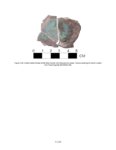
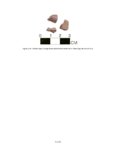
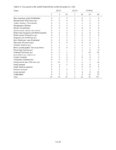
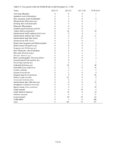
| OCR Text |
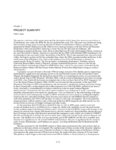
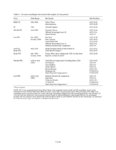
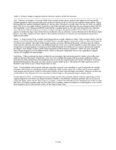
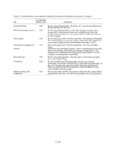
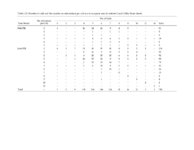
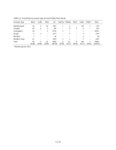
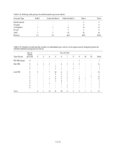
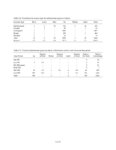
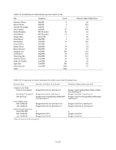
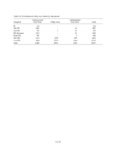
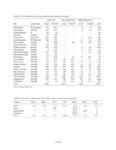
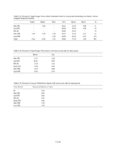
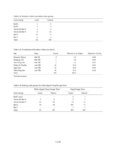
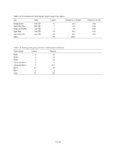
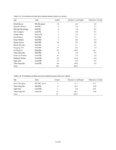
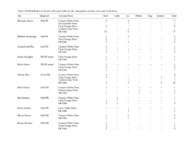
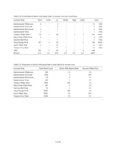
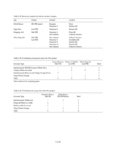
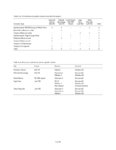
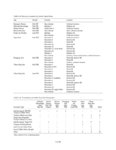
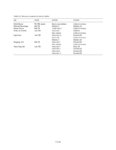
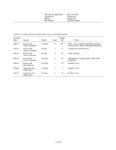
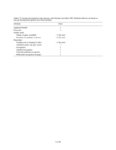
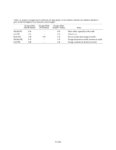
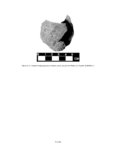
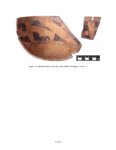
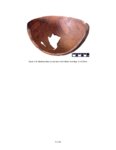
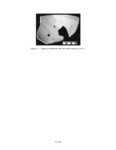
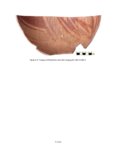
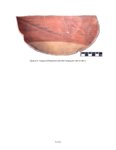
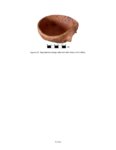
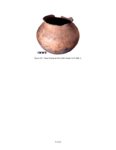
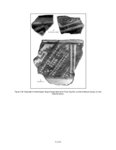
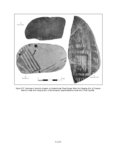
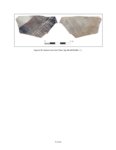
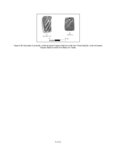
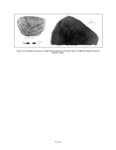
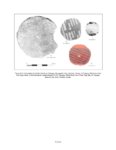
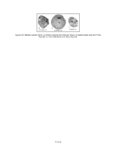
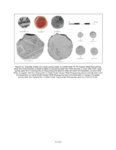
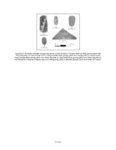
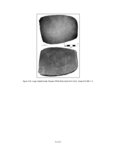
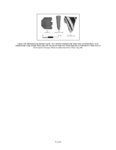
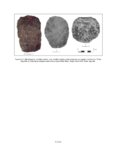
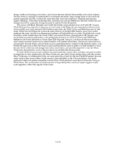
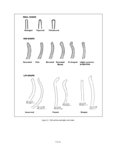
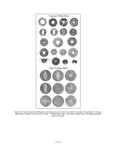
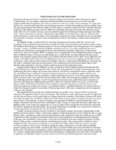
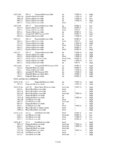
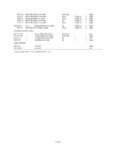
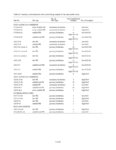
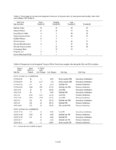
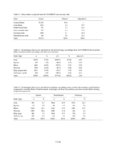
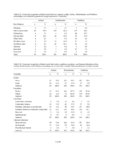
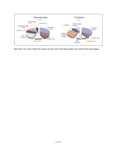
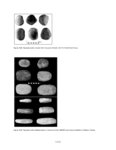
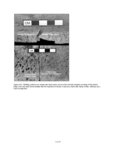
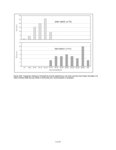
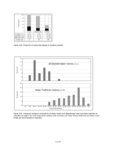
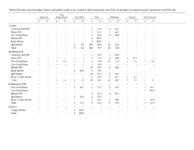
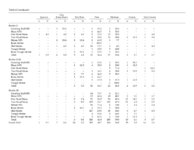
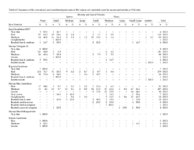
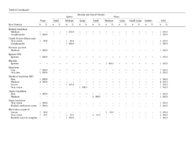
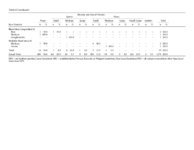
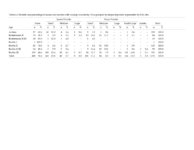
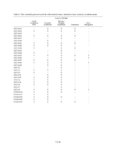
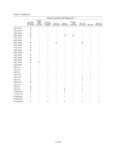
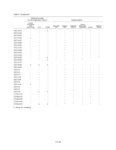
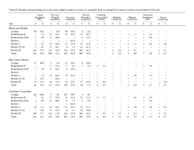
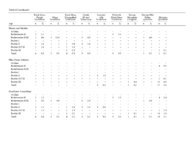
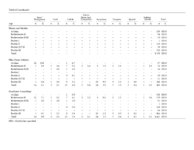
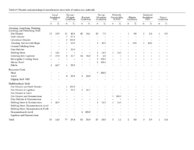
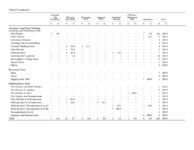
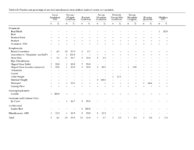
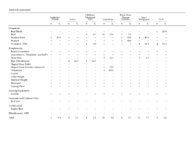
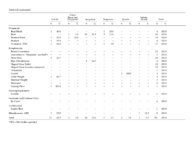
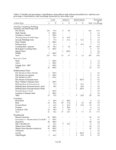
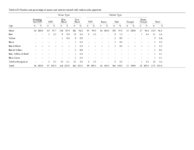
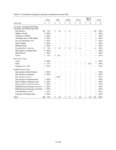
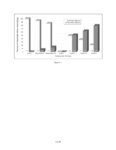
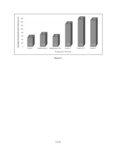
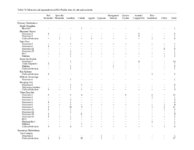
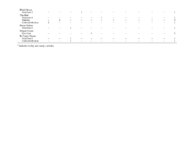
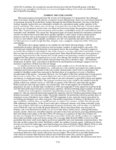
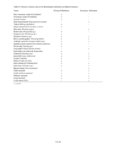
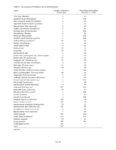
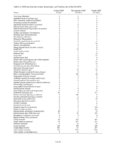
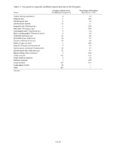
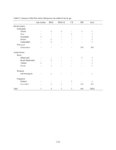
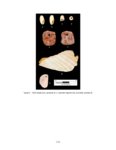
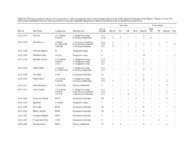
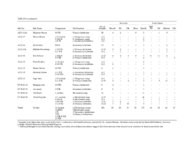
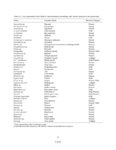
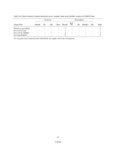
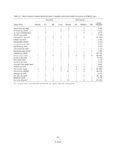
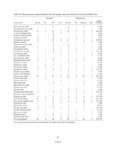
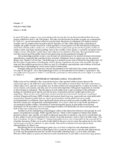
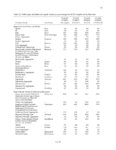
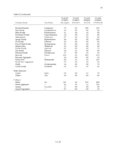
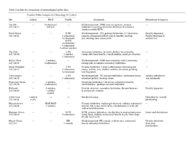
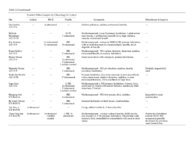
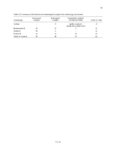
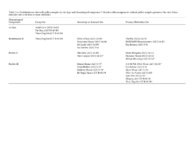
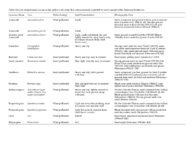
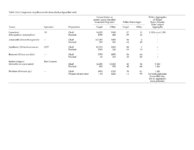
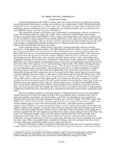
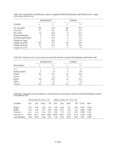
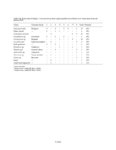
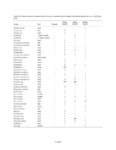
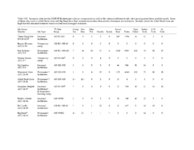
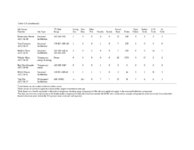
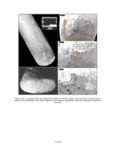
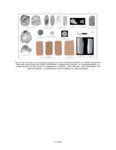
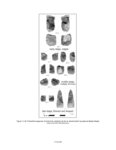
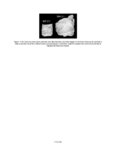
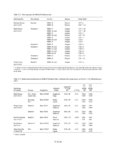
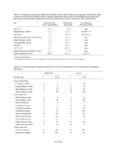
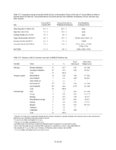
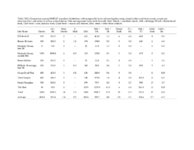
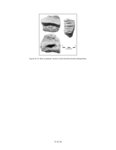
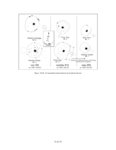
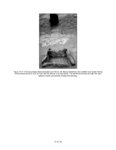
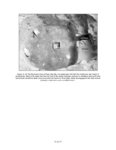
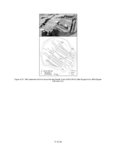
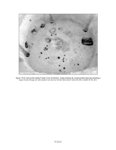
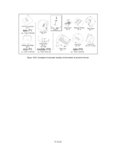
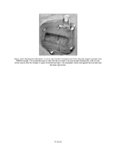
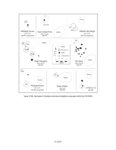
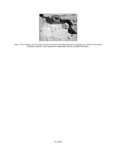
Show Table 2.3. Primary temper categories used for the basic analysis of the N16 ceramics. Ash: Volcanic ash temper in Tusayan White Ware consists of fine, glassy particles that appear to be long needleshaped fragments when viewed in the cross-section of a sherd. Some are curved and some have three points-this is because they are made of shattered bubbles of volcanic glass. The glass is usually clear, but may be bluish or slightly dark. This ash is not visible without a hand lens, and is best viewed using the binocular microscope at about 30x. For N16 Segments 1 and 2, Blinman (1989:34) notes that he classified sherds as ash-and-sand tempered even when the more abundant material in them was sand or crushed sandstone. He points out that "some volcanic ash may be present in bentonitic clays (clays derived from weathered volcanic ash beds, such as those found in the Mancos Shale [Shawe and others 1968]) and some sherds with incidental inclusions of volcanic ash were therefore mostly [sic] likely misclassified." Sherd: In Tsegi Orange Ware, crushed sherd fragments are usually whitish or yellow. They contrast clearly with the orange or brownish paste of the pottery. Crushed sherd is usually angular and poorly sorted, i.e. there are fragments of various sizes present. The color of the temper usually contrasts with that of the paste, and there may be various colors present, showing that sherds from different kinds of vessels were crushed together to make the temper. Use of orangeware as temper appears to increase in the Pueblo III period, but whiteware was always the favored material for temper. Sand temper is often visible within fragments of sherd temper fragments-often, the sand inside the sherd temper fragments will be different from what is in the paste. Sometimes one can see a polished or slipped surface on a fragment of sherd temper. Sandstone: When sandstone has been crushed for use in temper, the sand grains tend to cluster, often with some matrix in between the grains. Sometimes, if it is very well crushed, the grains will have matrix adhering to them. Sand that has been added from unconsolidated wind or water-laid deposits does not cluster, but tends to be evenly distributed throughout the paste, and does not have matrix adhering to it. The matrix of white sandstone used in Rainbow Gray fizzes in acid. Sherd temper does not fizz. Sand: Unconsolidated bits of quartz, feldspar, and other minerals were classified as sand. Sand grains are usually rounded, subrounded, or subangular due to weathering, while crushed sherd and crushed rock is always angular. Sand temper may be poorly sorted to well-sorted in terms of grain size and shape consistency. Mixtures of sand and crushed sherd were frequent, but were classified as sherd temper in the primary temper category field. Crushed Igneous Rock: Crushed igneous rock usually consists of an andesite/diorite material, appearing as white angular fragments with black rod shaped inclusions (biotite or hornblende). The black particles may occur alone or within the larger white chunks. This temper is common in sherds from the Mesa Verde heartland and in the San Juan Red Ware. It is finely crushed in the San Juan Red Ware. Another material classified as crushed igneous rock was the dark fragments seen in the Coombs variety of the Tsegi Orange Ware. V.2.63 |