| OCR Text |
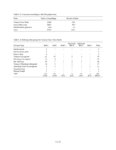
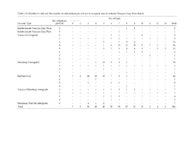
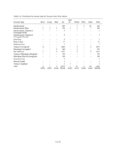
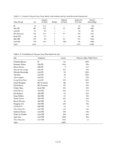
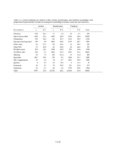
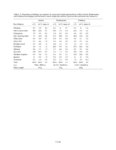
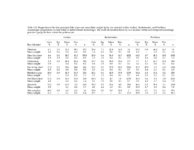
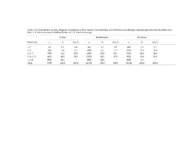
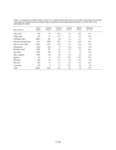
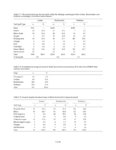
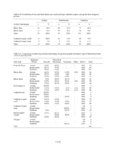
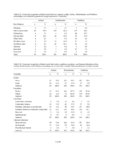
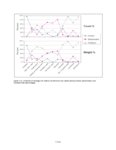
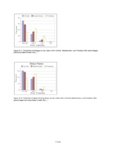
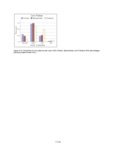
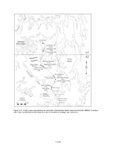
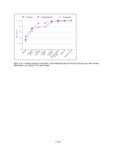
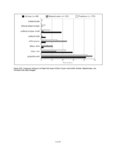
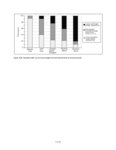
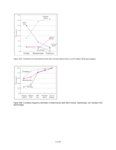
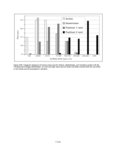
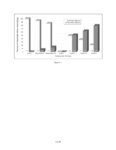
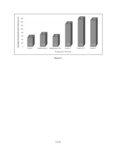
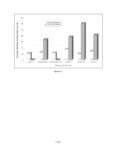
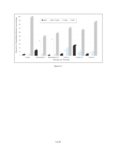
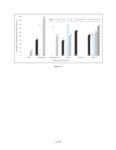
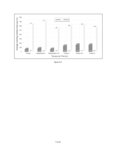
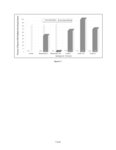
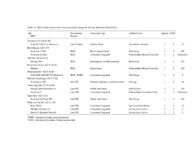
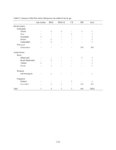
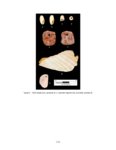
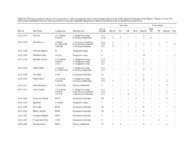
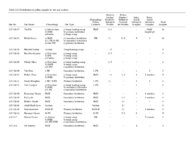
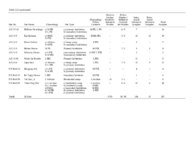
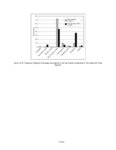
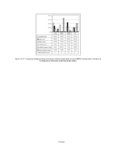
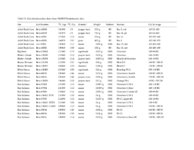
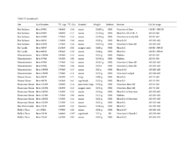
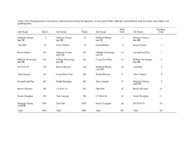
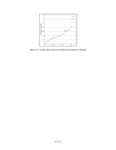
Show samples were available for analysis. In these cases we consider the results to be tentative, but useful in expanding the scope of the analysis. Microprobe samples were selected after completion of basic ceramic analysis, which involved binocular microscope examination of all sherds larger than 1.5 cm to identify temper type and assign each sherd to a traditional ware/type category. The microprobe sample was designed to include as many diagnostic ceramic types and vessel forms as possible and to minimize the chance of including more than one sherd from a single vessel. Sites that contributed sherds included primary habitations (UT-B-63-39, UT-B-63-14, AZ-J-2-6, AZ-J-2-58, AZ-J-2-3, AZ-J-14-21 on N16 and AZ-K-25-24, AZ-K-40-7, AZ-K-40-6 on N21) and secondary habitations (UT-B-63-30, UT-B-63-20, AZ-J-2-15, AZ-J-2-19, AZ-J-2-5 on N16 and AZK-25-26, AZ-K-25-23 on N21). Preference was given to sherds recovered from well-controlled proveniences such as structure floors or sealed trash deposits, followed by sherds from more general site contexts such as middens and extramural surfaces. A few sherds from a general cultural stratum or the midden surface were included to expand the sample for sites with few ash-tempered ceramics. Whenever possible, sherds used in microprobe analysis were those previously included in oxidation studies. All of the ceramic samples selected for the first phase of microprobe analysis (in 1996) also were included in a strength test conducted by the Laboratory of Traditional Technology at the University of Arizona (Neupert 1995; Appendix H5 of this report). The project was designed to objectively study whether volcanic ash temper imparts substantial physical benefits over sand or sherd temper in pottery. Ceramic strength can be increased by manipulating paste and temper material, by raising firing temperature, or by increasing the thickness of the vessel body. Comparison of Tsegi Orange Ware containing sherd temper and Tusayan White Ware tempered with sand and ash demonstrated only slight differences in strength among the sherds (Neupert 1995: Table 1, Figure 1). Quantifying wall thickness also revealed only moderate differences among the sherds (Neupert 1995: Table 2, Figure 2). By integrating the results of the strength test with the vessel thickness data, however, a more accurate estimation of ceramic strength is gained. Using this Modulus of Rupture measure, it is clear that the volcanic ash imparted significantly more strength to the ceramics (Neupert 1995: Table 3, Figure 3). As a result of increased wall strength, Kayenta potters were able to reduce the wall thickness, resulting in lighter-weight vessels-weight reduction would offer a clear advantage in long-distance transport of vessels for exchange. Neupert (1995) also noted that the strength benefit offered by the ash temper is enhanced when firing temperature exceeds 1000 degrees. He suggested that Kayenta potters, by increasing firing temperatures, compounded the value of the ash temper in producing lighter but stronger vessels that could more easily be transported long distances. GEOLOGIC RESOURCES Any study of exchange systems based on ceramic composition is greatly enhanced if the geologic setting of potential production areas is known (Abbot 2000; Arnold 1985; Bishop et al. 1982:319). As Anna Shepard observed (1942:162), the range of ceramic temper types at a given site may be due to "trade in pottery, use of a variety of materials within a district or even a village, import of raw materials, and incompleteness of our knowledge of geological resources." To create models of ceramic production and exchange without knowledge of local and regional geologic resources would undoubtedly result in models that were erroneous. By expanding our knowledge of the available resources, however, we can reduce this error. Geology of the Kayenta Region The Kayenta region encompasses the central Colorado Plateau, a physiographic region characterized by sedimentary rocks uplifted as elevated landforms separated by deeply dissected, intermittent drainages (Thornbury 1965:405). Most of the Kayenta region lies within the Navajo section and southern Canyonlands section of the Colorado Plateau, bounded by the Colorado and lower San Juan Rivers on the north, Chinle Wash to the east, Cottonwood Wash and the Little Colorado River on the south, and Marble and Grand Canyons to the west. Bedrock in the Navajo section is generally less intensely deformed than in other parts of the plateau, and mesas and buttes dominate the topography (Thornbury 1965:431-433). The Canyonlands section, in contrast, is characterized by extensively folded and faulted rock cut by labyrinthine canyon systems. Volcanic features in this region are associated with the Navajo-Hopi volcanic field, which encompasses isolated and clustered landforms extending from the Hopi Buttes to Monument Valley and the Chuska Mountains (Nations and Stump 1981), and the intrusive laccoliths that comprise the prominent isolated mountains of southern Utah (Baars 2000). Prominent in the Navajo-Hopi volcanic field are the jagged remains of eroded diatremes, volcanic pipes filled with tuff-breccia during explosive volcanic events, such as Agathla Peak near Kayenta. Less obvious are the many maars V.4.5 |