| OCR Text |
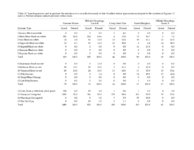
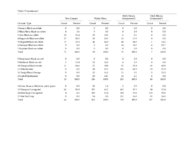
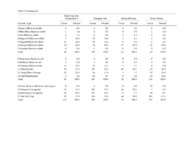
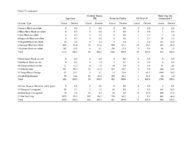
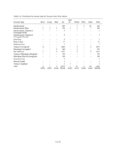
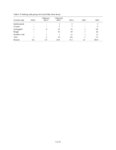
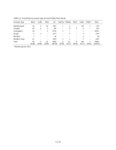
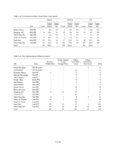
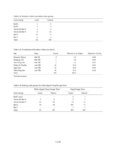
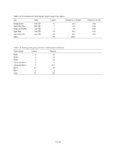
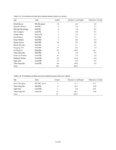
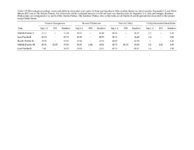
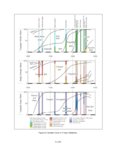
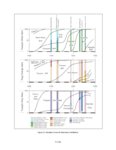
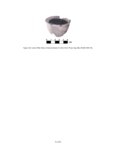
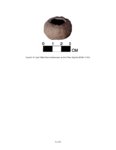
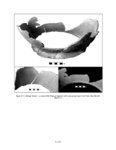
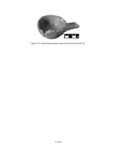
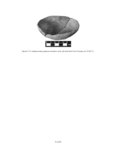
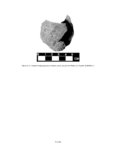
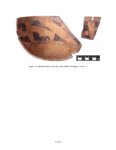
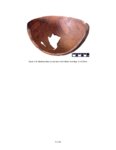
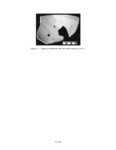
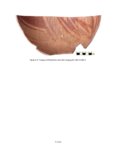
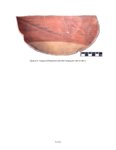
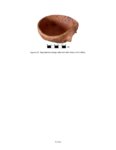
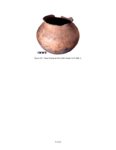
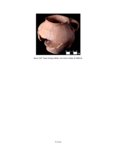
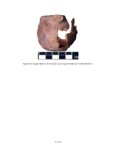
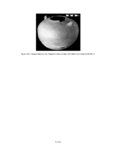
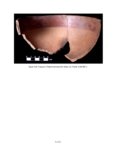
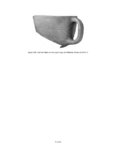
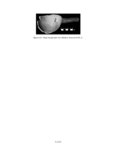
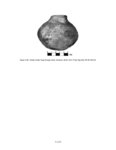
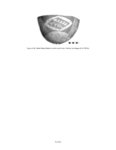
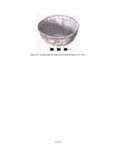
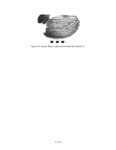
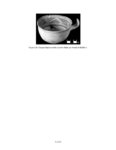
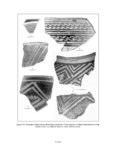
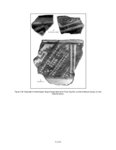
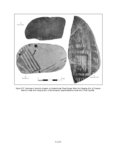
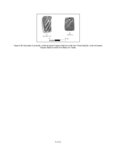
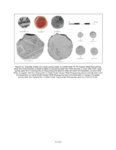
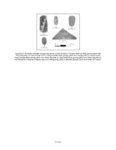
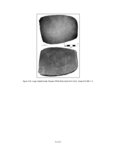
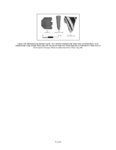
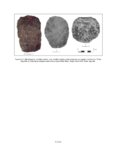
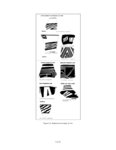
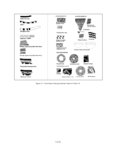
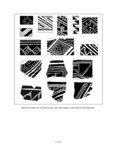
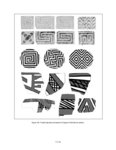
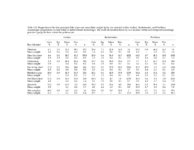
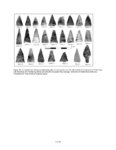
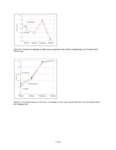
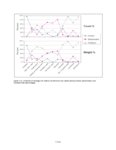
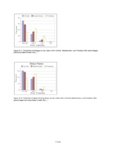
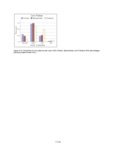
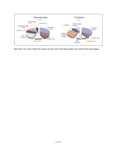
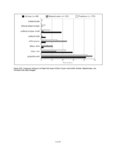
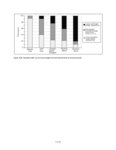
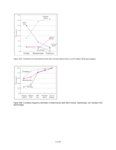
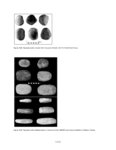
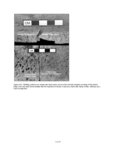
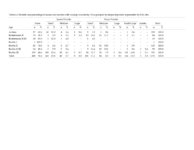
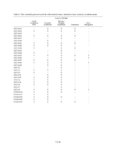
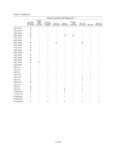
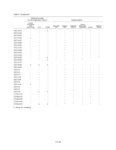
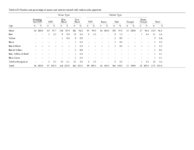
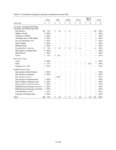
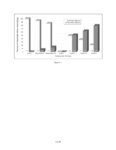
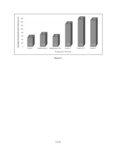
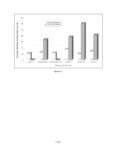
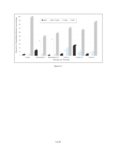
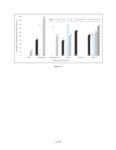
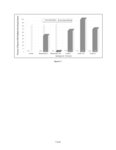
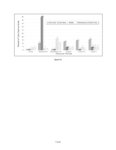
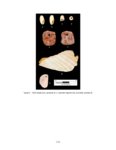
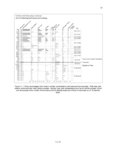
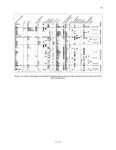
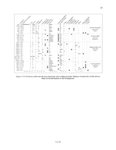
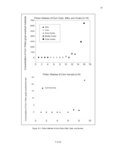
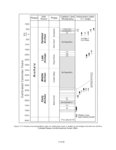
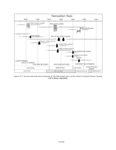
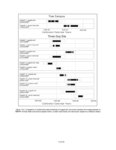
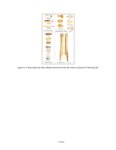
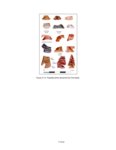
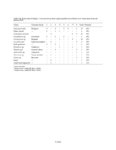
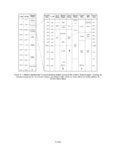
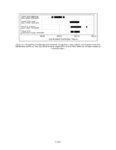
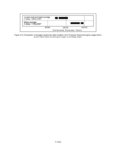
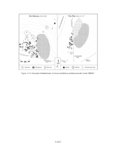
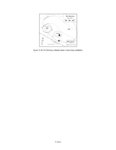
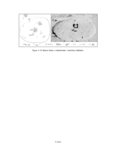
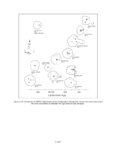
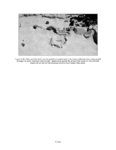
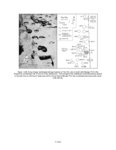
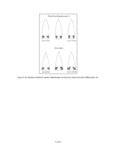
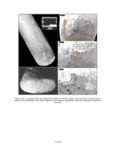
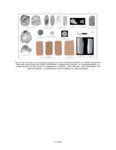
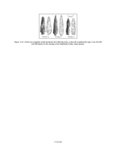
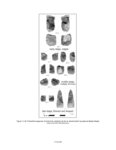
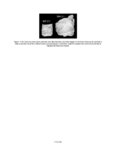
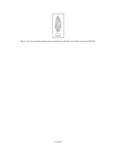
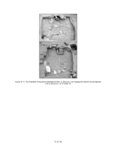
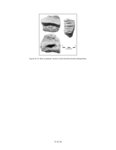
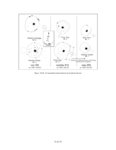
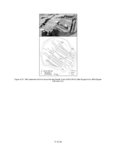
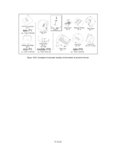
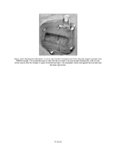
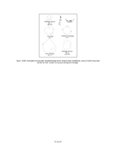
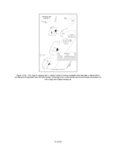
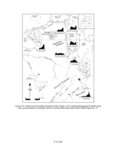
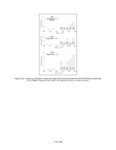
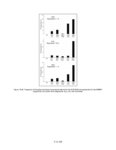
Show In contrast, Tsegi Orange Ware polychromes show greater affinity to diagnostic features of plaited baskets (Figure 3.9), with all features appearing frequently on Tusayan Polychrome. These include the use of broad colored (red) ribbons against a background (orange), and hachure and corbelling, which echo the texture of twill-plaited yucca leaves. Exterior bands on Tusayan Polychrome and other late Pueblo II and Pueblo III Tsegi Orange Ware types echo the way that weaving elements are folded over and stitched to the exterior of the basket, encircling the exterior wall below the rim. The construction of plaited baskets as a squared mat that must be pushed and stretched through a ring to make a bowl shape explains the layouts of Tusayan Polychrome pottery designs. No wonder bands are sometimes parallel to the rim, often oblique, and occasionally perpendicular. Plaited basket patterns are based on all-over, two-part, or four-part patterns made up of offset twilled elements that meet at right angles, but can be stretched until they meet at angles. Potters used red bands and orange ground to represent the colored effects of two-color dyed elements or the more subtle colors produced when basket weavers used the interior and exterior surfaces of split yucca leaves. Potters represented twilled textures with diagonal hatching and corbelling, and plain weave textures with crosshatching and oblique (diamond-shaped) crosshatching. Solid, hatched, and corbelled ribbons might also reference the use of dyed strips in plaited baskets. These are solid where two sets of colored strips cross, and appear hatched or corbelled where colored and plain strips cross. Again, framing devices derived from coiled basketry appear on Tsegi Orange Ware, but infrequently, and only on the latest types-Tsegi Black-on-orange, Tsegi Polychrome, and Kiet Siel Polychrome and Black-on-red. Framing lines are very rare on Tusayan Polychrome, which has the most consistent affinity to plaited basketry. We did not analyze the decoration of Tsegi Orange Ware jars for this study, but have the strong impression that most jar forms also have solid, hatched, and corbelled ribbons that are very similar to bowl interior designs. Of course, jars do not echo the shape of sifter baskets, and do not indicate basket selvages. The exceptions are Kiet Siel Black-on-red and Polychrome jars from the late 1200s, which are just as likely to have textile-derived designs as basket-like ones. Interpretation If Tsegi Orange Ware bowl decoration, and to a lesser extent the decoration of some jars, derives from plaited baskets, then pottery bowls can be interpreted as metaphorical references to plaited "sifter" baskets. Likewise, if whiteware decoration derives from coiled baskets and textiles, then these provide a sort of "mixed metaphor," a textile draped into or over a vessel with (often) the framing patterns of a coiled basket. The most parsimonious explanation would be that the two patterns are the result of two separate potting groups with two different ideas about what pots mean. For reasons explained earlier, this is not likely to be the case. Rather, we have the same potters or closely interacting potters deliberately producing two kinds of decorated pottery that refer to two different kinds of basketry. The explanation must be sought in what the baskets and pottery meant to their makers and users in terms of color, form, use, and relationships with other media. Here one can do little more than make educated guesses (the "educated" part comes from ethnography), and then look for consistency or lack thereof between the proposed interpretation and the material evidence. I propose that a series of related symbolic dichotomies pervaded the Kayenta ceramic tradition at least during the 1100s and 1200s. These concepts are linked into flexible dualities in several ways. Tusayan White Ware jars come in a variety of shapes and sizes, and probably had multiple functions, but the most elaborate vessels are the large jars that would have been well suited for storing water. Loomwoven cotton textiles are represented in Pueblo III Tusayan White Ware Flagstaff and Tusayan style vessels, particularly on the large jars. This type of weaving was probably done in kivas, by men. Cotton is white, and is used ritually to stand for clouds in the pueblos today. The best clouds are said to be cumulus clouds that pile up, white on top, with black bases that are full of rain. Cloud and sky beings are usually masculine in Puebloan cosmology. Cloud-like terrace elements are frequent on whiteware, textiles, and coiled basketry (on the very few prehistoric examples we have), and infrequent on orangeware. Bunzel (1929:100) noted that Zuni potters called a couple of rectangular designs painted on historic Zuni vessels "moisture blankets," suggesting a Zuni connection between textiles and rain. In several other pueblos, cotton string and textiles were offered as gifts to the sun (Ellis 1975:80, 81, 83-84; Parsons 1939:253), another sky referent for cotton. In contrast, orangeware decoration suggests reference to plaited sifter baskets, which were probably used for food processing, such as sifting grains of maize from sand after corn was parched by stirring in pottery jars with hot sand. At the Albert Porter ruin in southwestern Colorado, Crow Canyon Archaeological Center's excavations revealed a sifter basket nested in a coiled basket with cornmeal, all V.3.10 |