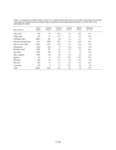
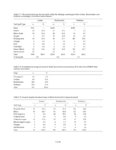
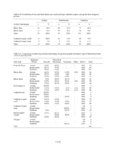
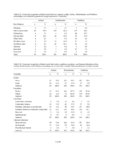
| OCR Text |
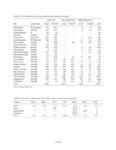
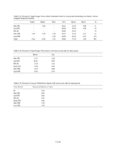
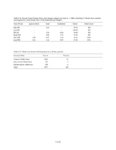
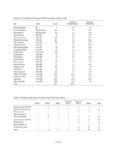
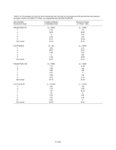
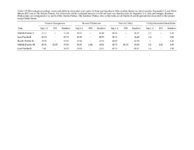
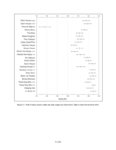
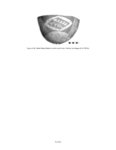
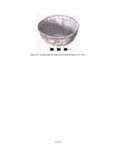
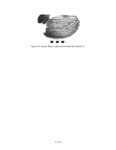
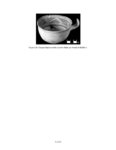
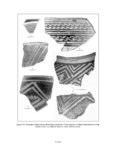
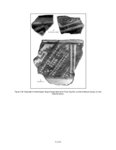
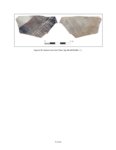
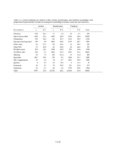
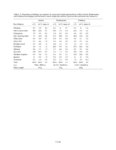
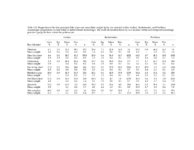
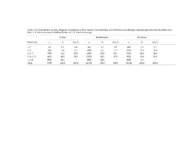
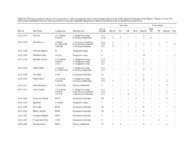
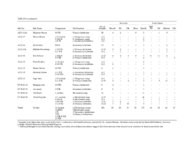
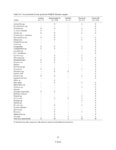
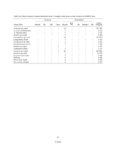
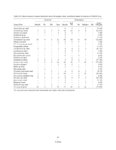
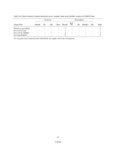
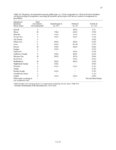
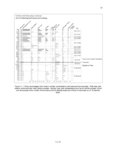
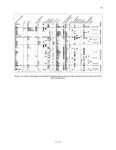
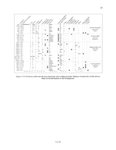
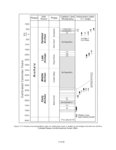
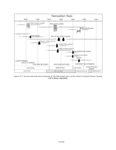
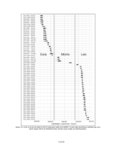
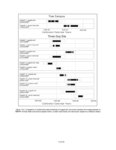
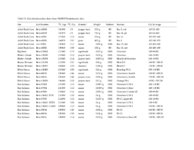
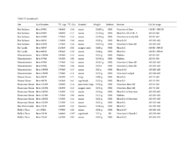
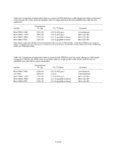
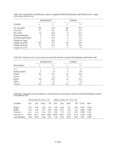
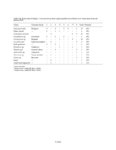
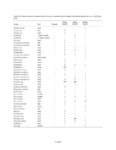
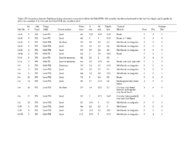
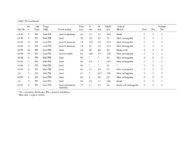
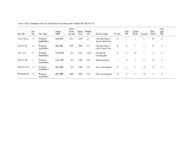
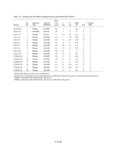
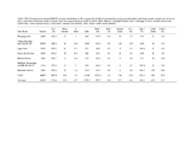
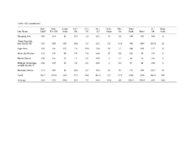
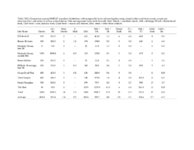
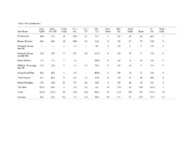
Show phase might be distinguished. Also corresponding in this setting is the probable dry-farming adaptation of the Piute Mesa Basketmakers, because this was perhaps the only sure means to grow crops on this upland (see Hobler 1964:7, 12-13; Stein 1984:50-53). A Basketmaker II-III transition is evident on the Rainbow Plateau by a continuous radiocarbon chronology, and inferred continuous population presence, that spans the interval when pottery was introduced and came into common use (see summary below and in Geib and Spurr 2000). Continued settlement of the region during this interval is also evidenced by continuous cultural deposition within Atlatl Rock Cave from about 100 to 600 cal. AD. Basketmaker III traits such as the bow and arrow, turkey domestication (or at least the penning of turkeys), and beans were present at this cave by about cal. AD 500. Indeed, bow-and-arrow use appears even earlier at several aceramic and ceramic sites of the area. I tentatively identify a phase for the Basketmaker II-III transitional interval on the Rainbow Plateau as Obelisk after the first pottery in use at that time (Obelisk Utility). Pottery is the key diagnostic trait of this phase, but ceramics are not present at all contemporaneous sites, thus the phase is not totally sequential but involves some degree of temporal overlap with the previous White Dog phase. This phase grades into the subsequent Lino phase, and sites during the first half of the sixth century AD have a mix of Obelisk Utility and Lino Gray (good examples of this are reported by Bungart et al. 2004). NORTHERN KAYENTA REGION BASKETMAKER CHRONOLOGY Prior to 1990, chronological control for Basketmaker occupancy of the northern Kayenta region was provided by just three radiocarbon dates on wood charcoal from hearths at three sites: a large roasting pit at Roasting Pit Alcove (Long 1966:60), Hearth 3 at Dust Devil Cave (Lindsay et al. 1968:108), and Feature 2 at UT-V-13-72 (Geib et al. 1985:234). Chapter 1 of Volume III discusses each of these dates, dismissing all but the Dust Devil Cave assay as unlikely to have relevance for Basketmaker II chronology. In addition to these were the confounding tree-ring dates on charcoal chunks recovered from Hearth 9 of Sand Dune Cave. Of the 28 non-cutting (vv) tree-ring dates, the youngest was AD 701 (the other dates ranged from 696 to 491; Harlan and Dean 1968:381). By linking the tree-ring dates with the Basketmaker II remains from the cave, Lindsay et al. (1968:3, 102, 364) argued for the continuation of a Basketmaker II lifeway in the Navajo Mountain area. The beginning of Basketmaker II in the northern Kayenta region remained unknown, but the Hearth 9 tree-ring dates extended the ending well into Basketmaker III. The purported persistence of a Basketmaker II lifeway past AD 700 in the Kayenta region had gained some acceptance (e.g., Dean 1996:29,32; Gumerman and Dean 1989:111), but is now known to be baseless (see Geib and Spurr 2000:178-179; Geib 2004). Beginning in the early 1990s the number of Basketmaker radiocarbon dates for the northern Kayenta region mushroomed, due mainly to the NMRAP excavations. Although a few of the NMRAP Basketmaker sites produced tree-ring samples, unfortunately none could be dated; samples with an adequate number of rings may predate the local master chronology, which ends at AD 338, and might ultimately be assigned an age. NMRAP Radiocarbon Dating and Basketmaker II Dates Capitalizing on an expensive lesson learned by the BMAP, the NMRAP endeavored to avoid the chronological chaos created by radiocarbon dating of Basketmaker wood charcoal (see Smiley 1986, 1998a, d) and therefore expended more effort in the field and laboratory on securing high-quality samples. Our focus was on maize because it is a human-controlled annual plant with durable, large, and easily recognizable parts and because of its relevance for subsistence and for tracking the temporal spread of this domesticate. Maize remains were relatively abundant at several N16 Basketmaker sites and many samples were retrieved directly from features or floor surfaces during excavation. This combined with the 1/8" mesh screening of floor fill and in situ feature fill ensured the field recovery of maize kernels and cupules from many features and most Basketmaker II sites. In cases where maize was not recovered in the field, I delayed dating any samples pending the results of flotation analysis. Flotation almost invariably yielded maize remains or portions of other plants that provided more accurate estimates of feature and site age than afforded by wood charcoal. As might be expected, given the emphasis on dating maize and other quality materials, few Basketmaker samples were sufficiently large for conventional beta-decay counting (n = 6), with 92 percent of the samples requiring AMS analysis. Beta Analytic, the primary contractor for radiocarbon dating services for the project, processed the conventional dates in house, with the AMS samples pretreated and prepared into graphic targets for dating at one of their consortium accelerator laboratories. Early in the project, NNAD requested that all AMS samples be analyzed at Lawrence Livermore National Laboratory to limit potential problems with inter-laboratory comparability. This was done after obtaining slightly different results for samples from the same sites processed at two different V.14.7 |