| OCR Text |
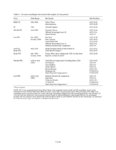
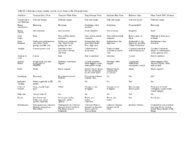
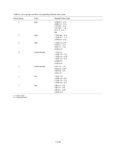
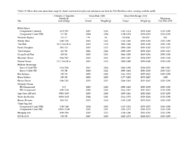
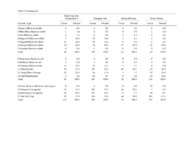
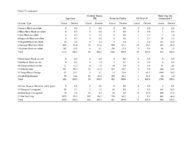
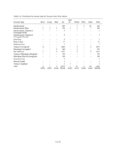
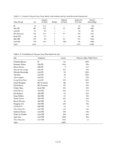
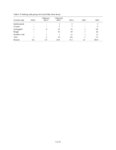
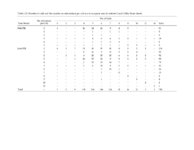
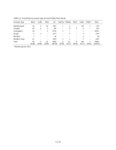
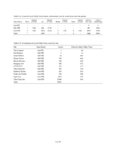
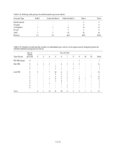
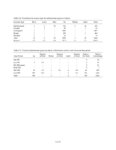
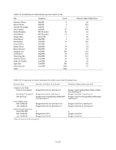
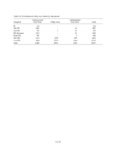
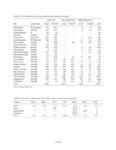
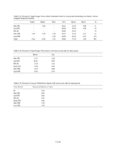
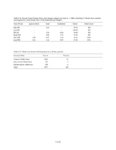
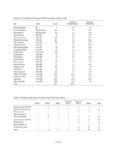
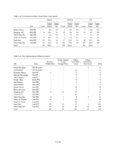
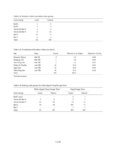
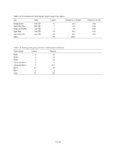
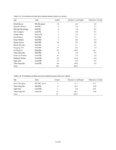
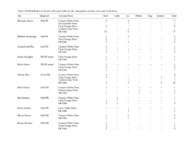
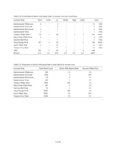
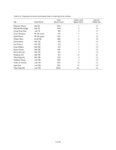
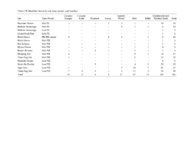
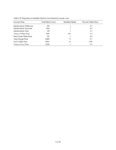
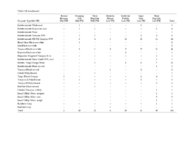
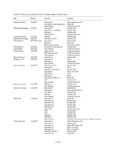
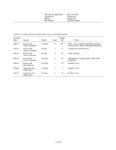
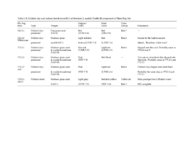
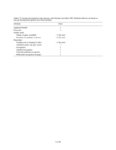
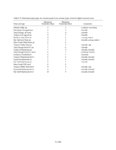
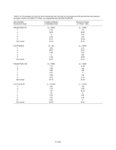
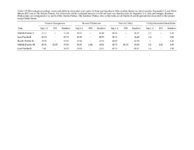
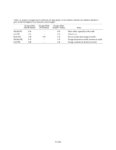
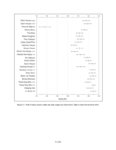
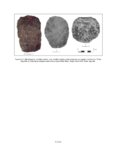
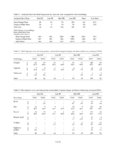
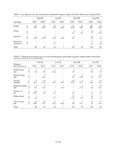
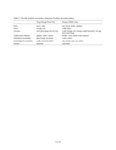
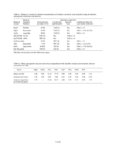
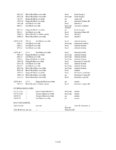
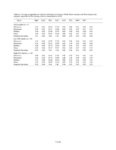
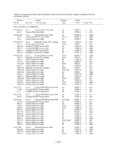
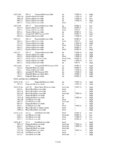
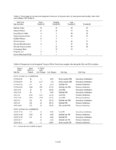
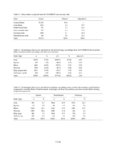
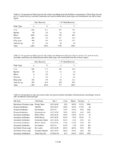
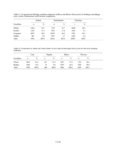
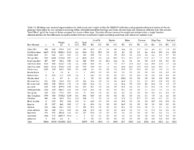
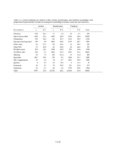
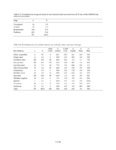
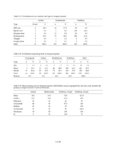
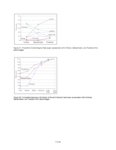
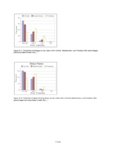
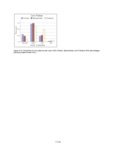
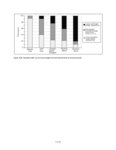
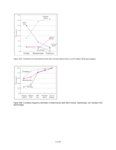
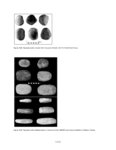
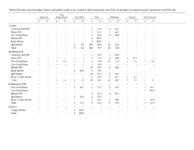
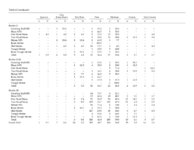
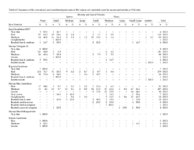
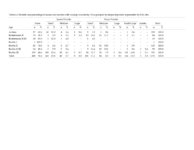
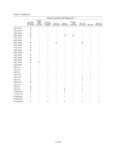
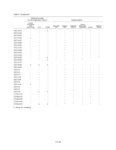
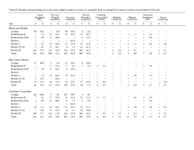
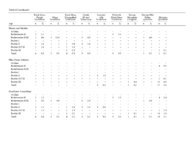
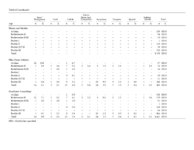
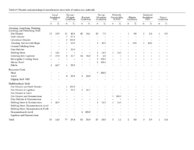
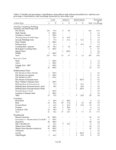
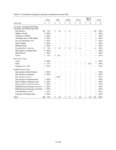
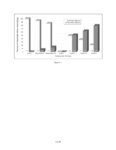
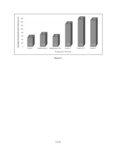
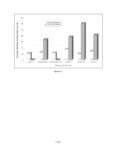
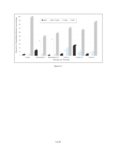
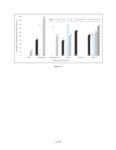
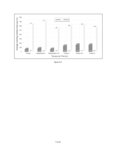
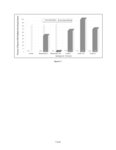
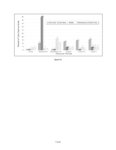
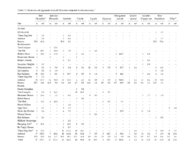
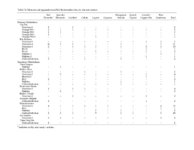
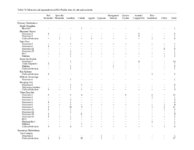
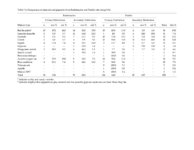
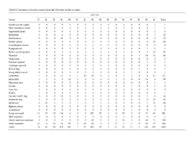
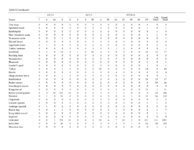
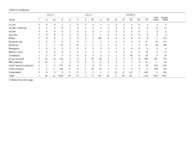
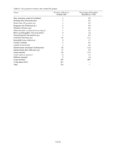
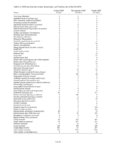
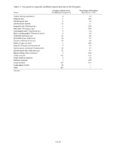
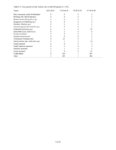
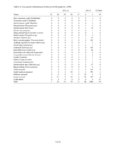
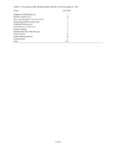
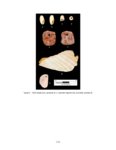
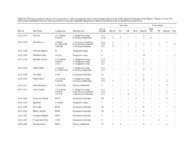
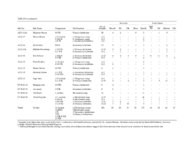
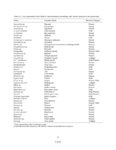
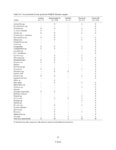
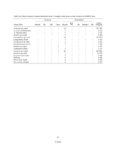
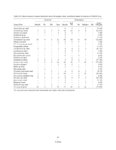
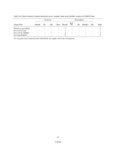
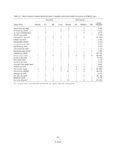
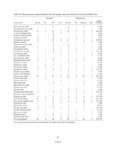
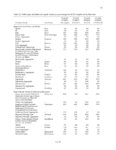
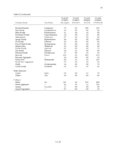
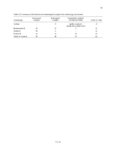
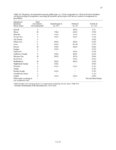
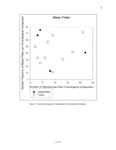
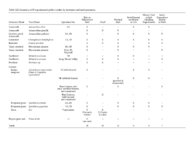
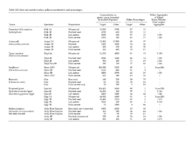
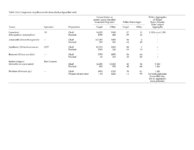
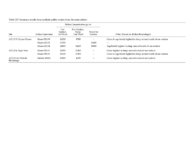
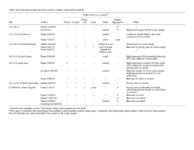
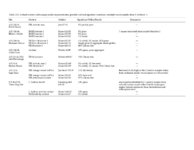
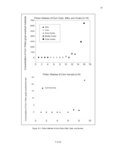
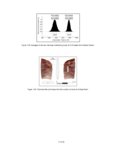
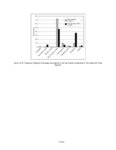
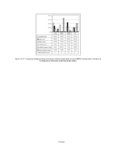
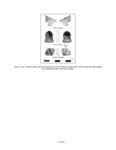
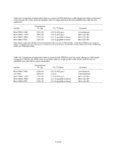
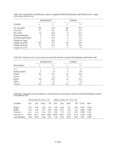
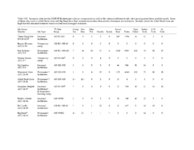
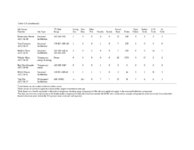
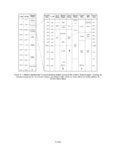
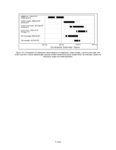
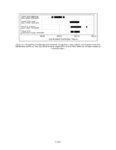
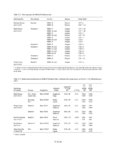
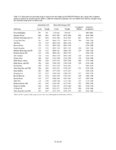
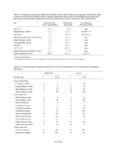
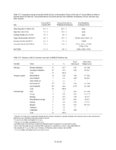
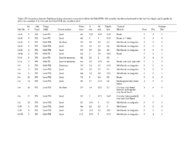
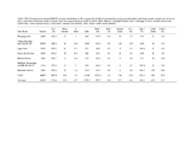
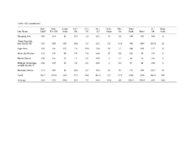
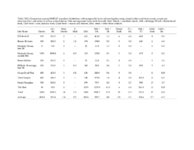
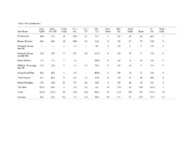
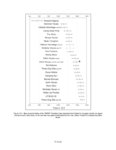
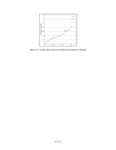
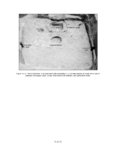
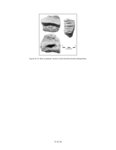
Show samples (92%; see Chapter 2 of Volume III, Appendix B). Maize kernels occurred in 21 of the 72 samples, or 29 percent. Based on radiocarbon dates and feature attributes, I assigned 43 of the flotation samples to the early component and 21 samples to the later component, with 8 samples left unassigned. Some form of maize was present in 88 percent of the early component samples and 95 percent of the later component samples, whereas maize kernels occurred in 26 percent of the early component samples and 38 percent of the later component samples. There is no clear temporal pattern in the ubiquity data supporting an increase in maize use during the Basketmaker chronology for the Rainbow Plateau. Moderately heavy maize dependence appears with the earliest of the open habitations with storage features, perhaps as early as 400 cal. BC and certainly by 200 cal. BC. With maize occurring in 75 to 90 percent of the samples from Kin Kahuna and The Pits, there is little room for an increase in maize representation. Indeed, maize is no more ubiquitous at Pueblo II and III habitations on the Rainbow Plateau, varying between 60 and 90 percent with a total value of 63 percent for the 200 NMRAP Puebloan flotation samples (see Table 14.5), nearly all of which came from primary habitations (Geib and Casto 1985 report maize ubiquity of greater than 60 percent for Puebloan habitations at the northeast foot of Navajo Mountain). Other quantification methods, such as ratios, might disclose patterns lost in this analysis, but at present it seems that farming remained consistently important from the start of the Basketmaker period to the end. The truth to this claim for western Basketmaker II overall is borne out by recent isotope analysis and direct dating of Basketmaker burials from the Kayenta region (Coltrain et al. 2007). With ‰13C values ranging from -5.9 to -13.7 and a mean of -8.0 ± 1.7 (Coltrain et al. 2007: Tables 1 and 2), it is clear that Basketmaker II people were heavily dependent on maize by 400 cal. BC with a degree of dependence that was similar to that of Pueblo II and III farmers a thousand years later. Basketmaker Maize Maize may be equally common to pre-ceramic and ceramic Basketmaker contexts on the Rainbow Plateau, but evidence from Atlatl Rock Cave indicates a significant change in kernel morphology that may have implications for the dietary significance of maize or the processing methods. The sample from this site is small but from well-controlled and dated proveniences, both pre-ceramic and early ceramic. The latter consisted of the floor fill of a cist (Feature 18) that contained Obelisk Utility pottery, a common bean, an arrow point, abundant turkey feces, and maize kernels and cobs. A single corn cob from this fill returned a radiocarbon date with a calibrated two-sigma age range of cal. AD 430-650. Immediately underlying this cist was a preceramic storage pit the fill of which yielded maize kernels and cobs; juniper bark lining the bottom of this pit returned a radiocarbon date with a calibrated two-sigma age range of cal. AD 60-400. Table 14.6 presents measurement data on kernels from these two contexts. The preceramic Basketmaker kernels tend to be squat and nearly equal in the three dimensions of height, width, and thickness (isodiametric). In contrast, the early ceramic Basketmaker kernels are comparatively thin in relation to their height and width. In addition to the alteration in kernel morphology, there is an abrupt shift in kernel color. Most preceramic kernels are reddish, commonly yellowish red (5YR5/6, 5/8) and reddish yellow (7.5YR7/8), with some that are dark red (10R2.5/2, 3/4, 3/6) and a few that are bright red (off the Munsell soil chart). In contrast, most of the early ceramic kernels are yellow (primarily 10YR7/8). Adams et al. (2007) have documented that the kernel color can have important implications with regard to the conditions of growth and productivity and the color might thus serve as an easily monitored proxy indicator of this information. The change in kernel color and shape documented at Atlatl Rock Cave seems to correspond to a shift from a popcorn endosperm (preceramic) to a flour endosperm (early ceramic; see Benz 1981 and Doebley and Bohrer 1983:32 for endosperm descriptions). To what extent this small sample is reflective of wider trends is unknown but the abruptness of the changes suggests the introduction of a new maize type or landrace that was developed elsewhere, one that might have increased the nutritional value or energetic return of maize. Continued Foraging There is no doubt that foraged resources were an important supplement to domesticates, that Basketmaker II groups relied to varying extents on nature's bounty, fickle as it often is in the Southwest. That foraging was important to Puebloan farmers even during the recent past (e.g., Whiting 1950) reveals that there is every reason to expect the same during the interval when crops were initially used on the Colorado Plateau. Equally, though, the use of wild resources or non-domesticates says nothing V.14.17 |