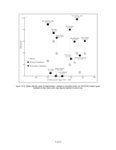
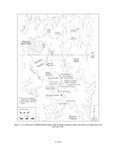
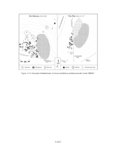
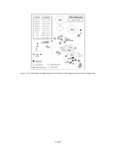
| OCR Text |
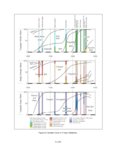
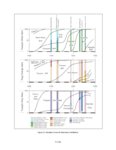
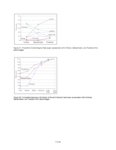
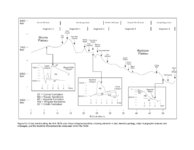
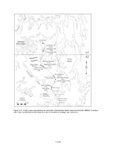
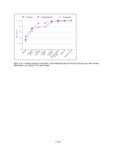
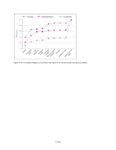
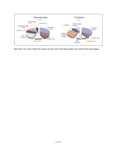
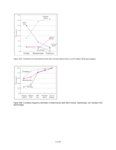
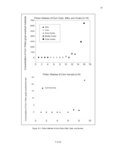
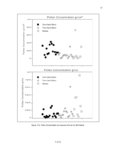
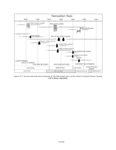
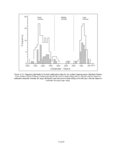
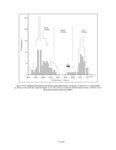
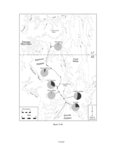
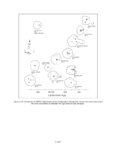
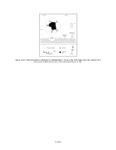
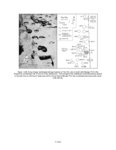
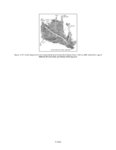
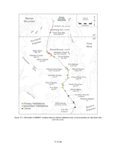
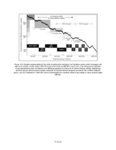
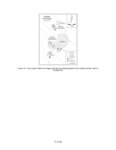
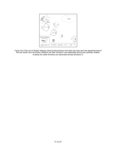
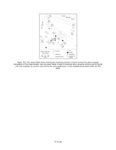
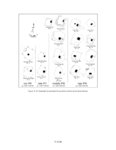
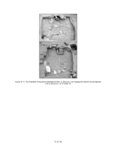
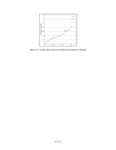
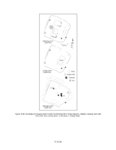
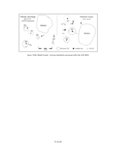
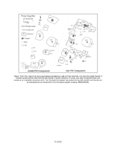
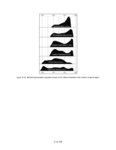
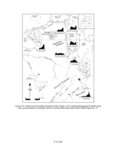
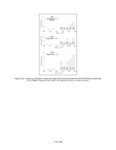
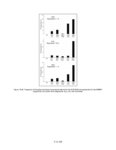
Show households, including the metates from mealing bins, although the bins themselves were left intact, an important distinction from most NMRAP sites. Hammer House also seems closed down with most but not all useful tools removed. Sites like these seem to represent settlements cleaned and temporarily shut down while the occupants took up residence at another residence, but without the structures being dismantled because a return was anticipated and the presence of intact houses discouraged encroachment. Valuables like whole metates might have been removed to the new residence or placed in hiding; thus the whole and heavy trough metate from the floor fill of the kiva at Hammer House might have been buried in the sediment that covered the roof of this structure. We have already discussed how the numerous floor features of this kiva might also be indicative of residential mobility. Such temporarily closed sites might represent rather firm evidence of residential mobility and are worth being examined in this light. The nature of the food storage facilities at both of the middle Pueblo II habitations is also worth considering with regard to residential mobility. The specialized storage features at these sites are large subfloor pits that emanate off the kivas (both sites) or the jacal living room at Hammer House. Although such cache pits are not as easily concealed as those exterior to houses, they are far less obvious than food storage rooms or granaries, and may thus have been more secret and secure (see Gilman 1987). This seems to imply more residential mobility by the occupants of Hammer House and Hillside Hermitage than was true at some other Kayenta sites during middle Pueblo II, such as those on northern Black Mesa where granaries were common occurrences at many Kayenta habitations, dating back to at least Pueblo I (Dinnebito Phase). Storage in pits is common at Pueblo III Kayenta sites as well, especially those that employ pit houses or semi-subterranean jacal living rooms (e.g., Callahan 1985 and Hanging Ash reported herein). These might also be indicative of the need to secure food stores while structures were left unoccupied for some extent of time. That such storage facilities occur on what might have been more expediently constructed houses rather than say masonry pueblos might not be a coincidence. Regional Settlement History and Population Trends A few areas of the Kayenta region appear to have been continuously occupied by Puebloan farmers from Basketmaker III through late Pueblo III. Examples include Long House Valley (Dean et al. 1978), the area around Red Lake (Tonalea) on lower Begashibito Wash, the Klethla Valley, and the greater area around the modern town of Kayenta (Beals et al. 1945). A few of these areas are quite small, such as Long House Valley and Red Lake, yet despite this they maintained food producers for hundreds of years without evident break in settlement. Nonetheless, most of the Kayenta region, like many portions of the Colorado Plateau, were characterized by boom and bust cycles (e.g., Matson and Lipe 1978; Matson et al. 1988), with periods of abandonment or hiatuses interrupting the record of ceramic-era farmer settlement. On northern Black Mesa there is a gap of several hundred years between late Basketmaker II and late Pueblo I (ca. 400-840 AD), followed by total abandonment of the area by the close of late Pueblo II (ca. 1150 AD; see summary in Smiley and Powell 2002; Smiley and Ahlstrom 1997). Settlement history for the northern Kayenta region begins somewhat similarly, since there is a virtual absence of Basketmaker III and Pueblo I, but then ends quite differently because there was continued population increase from Pueblo II through Pueblo III, up until at least AD 1260 (Ambler et al. 1983; Appendix F of this report; Lindsay et al. 1968; Stein 1974). Figure 15.43 shows the reconstructed population trends for six different localities of the northern Kayenta region from Ambler et al. (1983; Appendix F of this report). These curves are based on determining the frequency of every Tusayan White Ware type collected from sites in each locality, along with calculating the mathematical characteristics of the temporal frequency distribution of each type (see Appendix F). The collected sherds largely derive from primary habitations but also seasonally used sites, thus these curves can be more accurately said to portray the intensity of use in any one locality. Shortterm fluctuations might be obscured in these figures, but the lack of breaks appears to truly capture the situation (cf. Berry 1982) since each of these areas seems to have been continuously occupied once they were initially settled in the 1000s or 1100s. These curves provide a relative estimate of population trends within each locality and in no way reflect absolute population figures. General trends can be compared between localities but curve height lacks relevance for making comparisons of population size among localities. All of these curves are shown as ending by 1280 if not before (Cummings Mesa, for example appears to have been abandoned earlier; Ambler et al. 1964), reflecting the general consensus that the northern Kayenta region had been abandoned by this time (see Dean 2002; Gumerman and Dean 1989). Figure 15.44 places these relative population curves upon a map focused on the northern Kayenta region so that trends can be seen in spatial relationship to each other. Also included on this figure is a general depiction of population trends for northern Black Mesa as derived from Figure 9-5 of Ahlstrom V.15.52 |