| OCR Text |
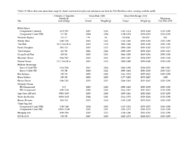
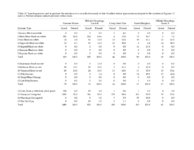
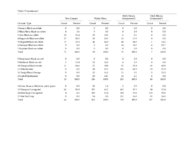
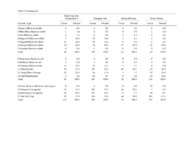
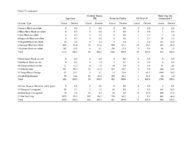
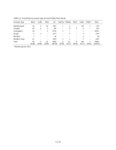
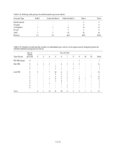
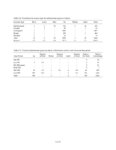
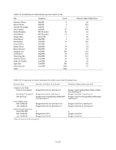
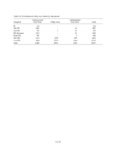
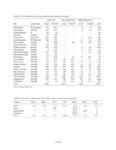
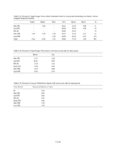
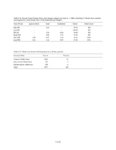
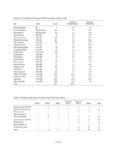
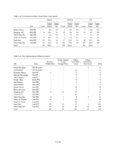
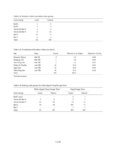
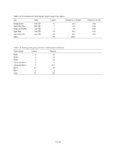
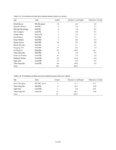
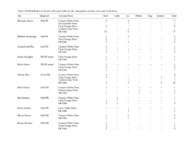
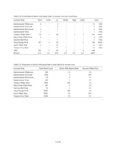
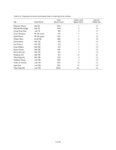
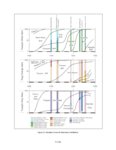
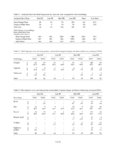
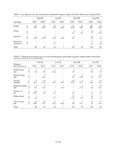
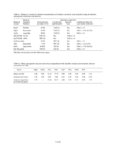
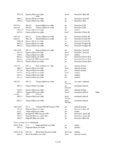
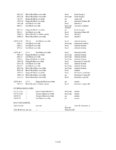
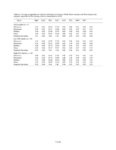
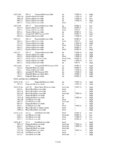
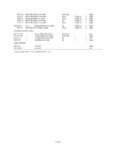
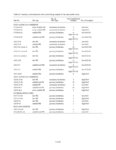
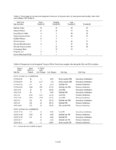
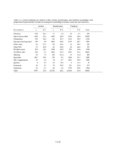
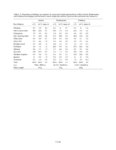
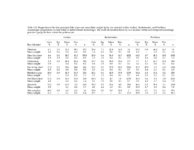
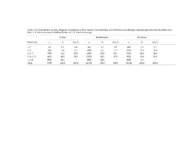
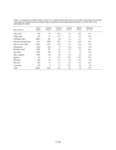
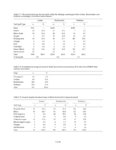
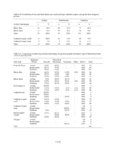
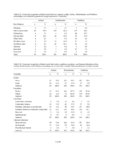
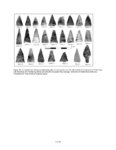
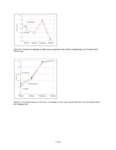
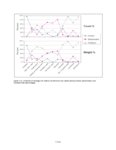
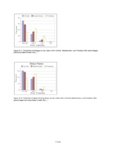
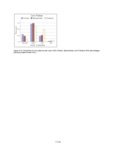
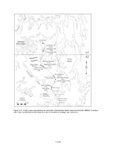
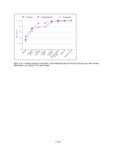
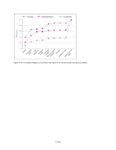
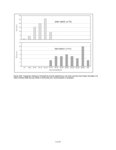
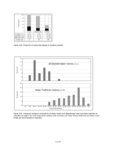
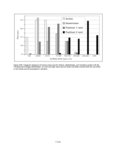
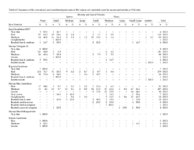
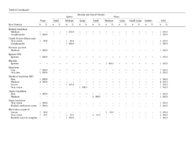
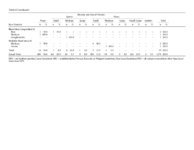
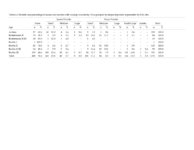
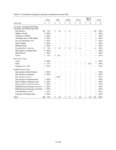
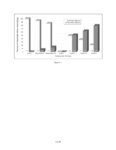
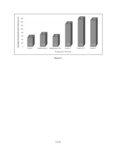
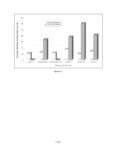
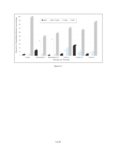
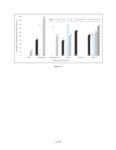
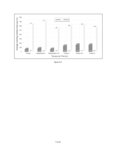
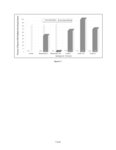
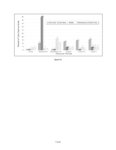
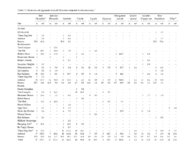
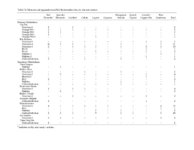
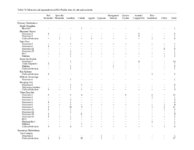
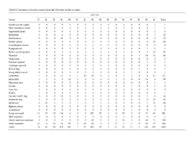
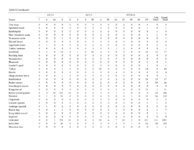
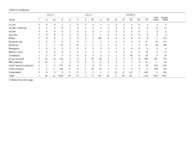
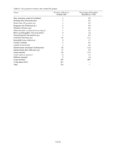
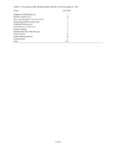
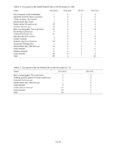
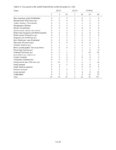
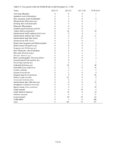
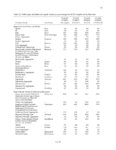
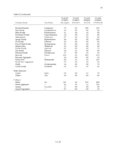
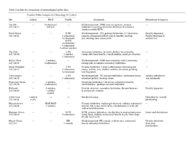
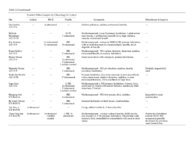
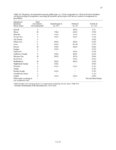
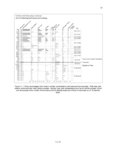
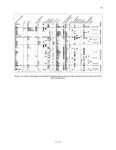
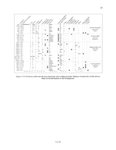
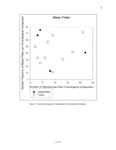
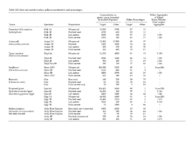
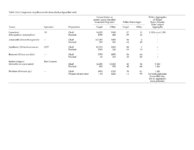
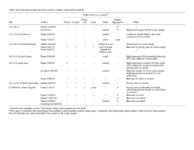
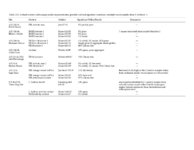
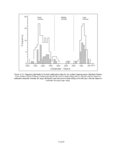
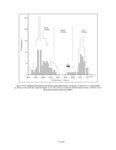
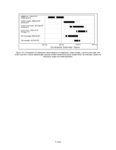
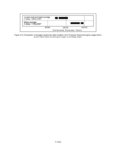
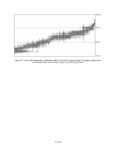
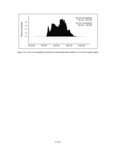
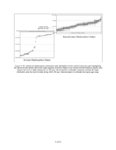
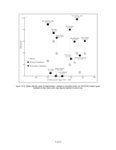
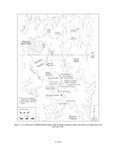
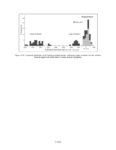
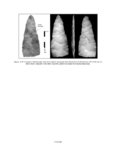
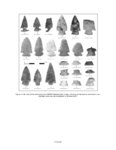
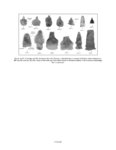
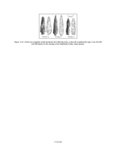
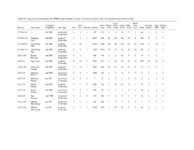
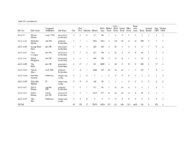
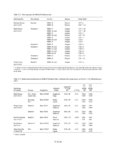
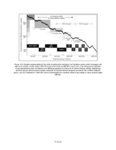
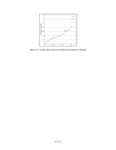
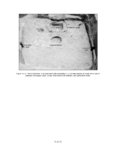
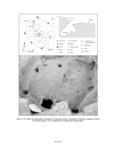
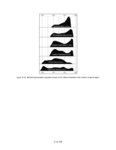
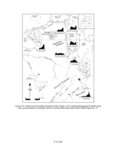
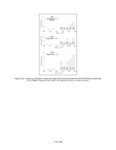
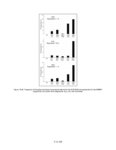
Show against continuity in occupation (e.g., Berry and Berry 1986; Matson 1991; Wills 1988a), with perhaps more in the former camp. Such a question may seem trivial, yet our attempts at describing and explaining culture change in the Southwest and throughout the world partly depend on whether we are studying autochthonous or allochthonous phenomena. As an influential advocate of the autochthonous view, Cynthia Irwin-Williams (1967, 1973, 1979) succinctly expressed its underlying assumption: "the northern Southwest was the focus of a long-term continuous development within the Archaic spectrum, which culminated ultimately in the formation of the central core of the relatively well-known sedentary Anasazi culture" (Irwin-Williams 1979:35)." Claudia and Michael Berry (1986:321) have argued that the notion of continuous cultural development during the Archaic as advocated by archaeologists such as Irwin-Williams was a selffulfilling prophecy unsupported by facts. The key piece of evidence for them was the uninterrupted occupancy of the same area, referred to as settlement or population continuity. The significance of this is obvious, for without any observable trace of human existence within a region it is difficult to make a case for long-term in situ development. Measures of settlement continuity include regional chronometric records such as tree-ring or radiocarbon dates, as well as regional composite histories of site occupancy. Sample adequacy and bias loom large in arguments for a lack of continuity-have we investigated enough of a given region? Have we systematically ignored a given class of evidence? Are the traces of some periods less obvious than those of other periods? Concerns that regional radiocarbon records might not accurately track the density of human populations in the past have been categorized by Rick (1987:55-58, Figure 1) as falling under one of three reasons: creation biases, preservation biases, and investigation biases. All might play a role and should be seriously evaluated. Previous Date Summaries In the first regional summary of preceramic radiocarbon dates for the northern Colorado Plateau, Schroedl (1976:13-29) identified two major breaks during the Archaic period-a 1000-year interval from ca. 6000 to 5000 BP and a 500-year interval from 3000 to 2500 BP. A decade later and working on a larger geographic scale, Berry and Berry (1986) analyzed the patterning of 152 radiocarbon dates prior to 1400 BP from 57 Colorado Plateau sites. Despite their larger data set, Berry and Berry recognized the same 1000-year middle Archaic gap, from 6000 to 5000 BP, and postulated a major hiatus in forager occupancy (a lack of settlement continuity). They claimed that hunter-gatherer occupation of the Colorado Plateau was discontinuous; that the Archaic period was punctuated by a sequence of regional abandonment and reoccupation, resulting in a succession of new lifeways and material culture. Changes in projectile point styles roughly corresponding with reputed times of reoccupation provided evidence for cultural discontinuity. In 1996, I summarized an even larger set of radiocarbon dates (180) but for a smaller region, one centered on Glen and Cataract Canyons of the Colorado River and including the N16 project area- basically the Canyonlands Section of the Colorado Plateau. As illustrated and discussed in that summary (Geib 1996a:26-28, 31-34), the middle Archaic date gap was beginning to be filled, in part by dating materials from museum collections for the express purpose of trying to fill this gap (e.g., Geib 1996b). I thought that the new evidence did not support the notion of regional abandonment. As concerns the largest gap in the record, that of the middle Archaic, I suggested that "there may have been a reduction in population density owing to an expansion of foraging territories coupled with some migration," and that because of several factors, "middle Archaic remains might be far more dispersed than those of other Archaic intervals and thus less subject to archaeological discovery and investigation" (Geib 1996a:36). My argument for greatly diminished forager populations rather than regional abandonment is ultimately an interpretation of evidence subject to different opinions. The middle Archaic is characterized by a significant reduction in radiocarbon dates and there remain gaps in the record between about 6000 and 4000 BP, especially upon treating the dates critically rather than accepting them at face value. If only including assays on the high-quality materials most likely to represent the true times of human presence, then there are far fewer dates to work with, but this is perhaps too cautious of an approach. Beyond examining the overall trend, it is important to identify which particular areas of the Colorado Plateau might contain middle Archaic occupations, to compare the occupation histories within and between portions of the plateau. Cave Abandonment It must be kept in mind that the middle Archaic reduction in date frequency is coupled with (partly a result of) the apparent long-term abandonment or diminished use of previously well-used shelters. Cowboy Cave provides perhaps the best-known example of middle Archaic cave abandonment (Jennings V.13.22 |