| OCR Text |
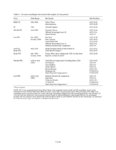
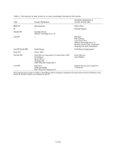
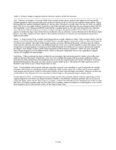
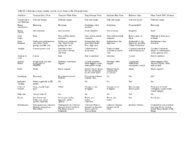
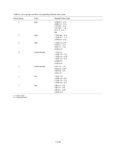
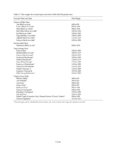
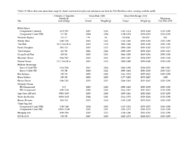
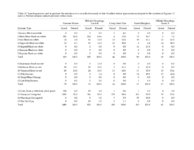
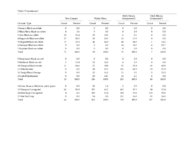
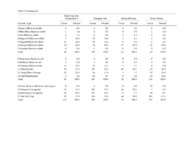
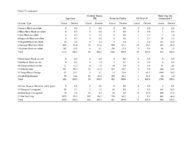
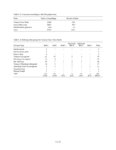
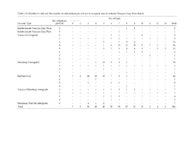
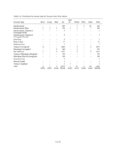
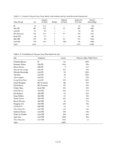
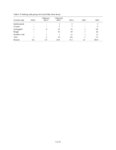
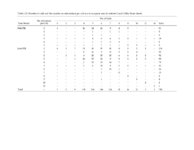
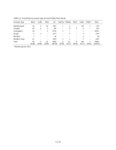
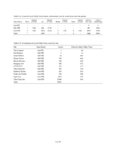
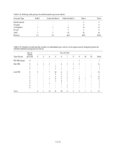
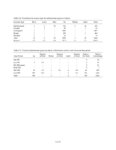
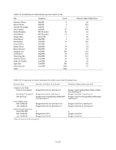
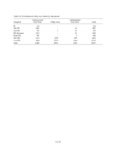
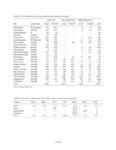
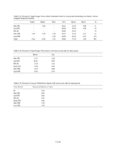
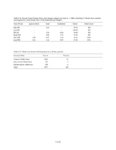
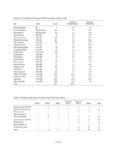
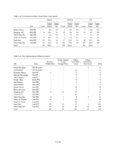
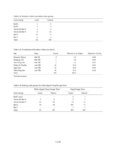
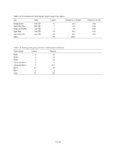
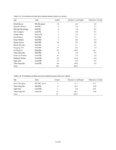
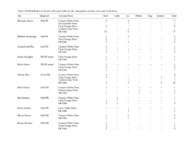
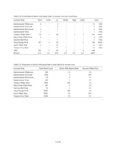
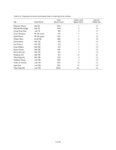
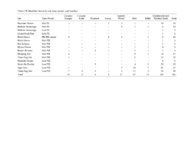
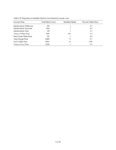
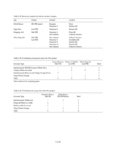
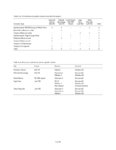
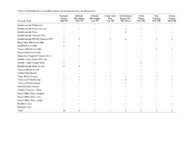
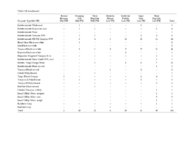
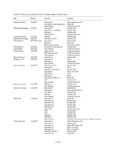
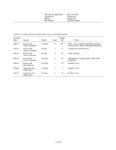
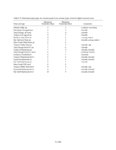
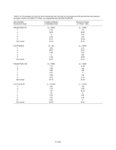
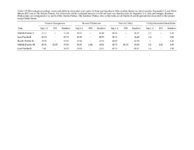
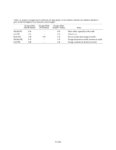
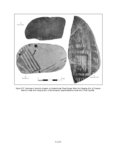
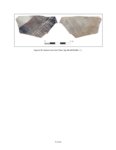
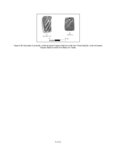
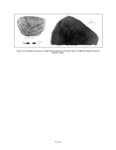
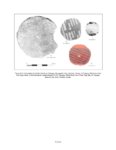
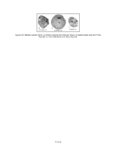
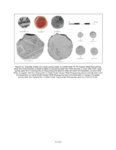
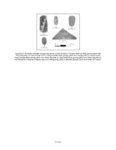
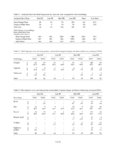
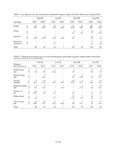
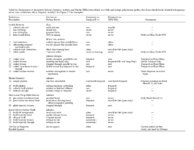
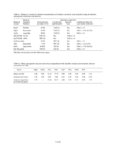
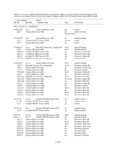
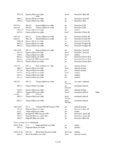
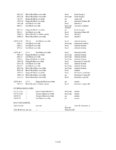
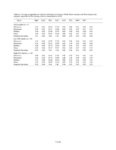
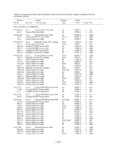
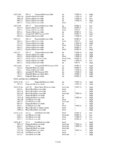
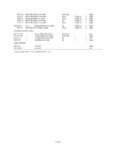
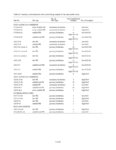
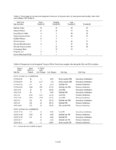
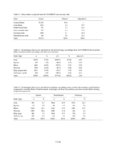
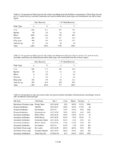
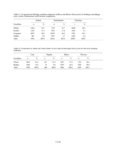
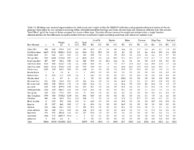
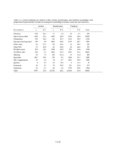
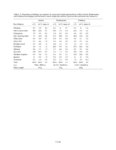
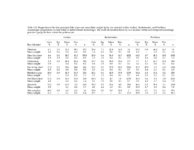
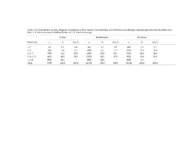
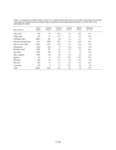
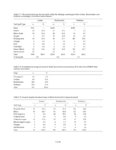
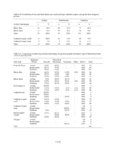
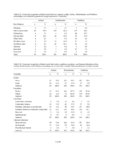
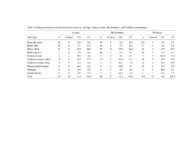
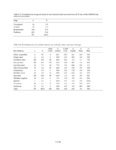
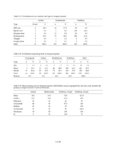
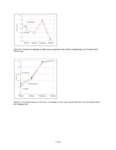
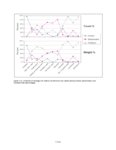
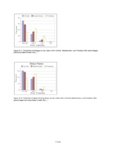
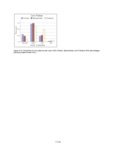
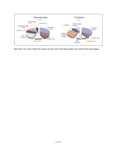
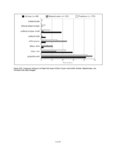
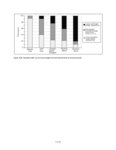
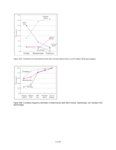
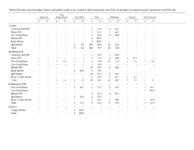
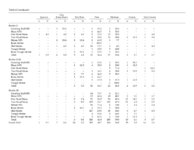
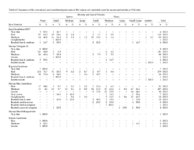
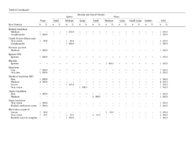
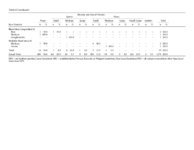
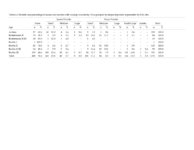
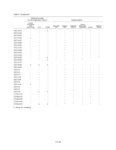
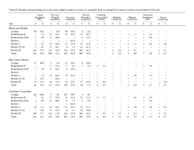
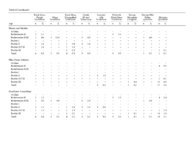
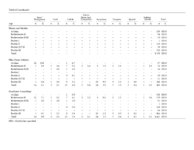
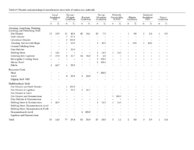
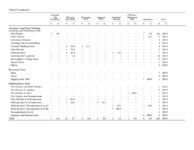
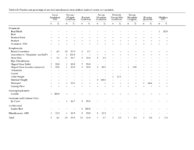
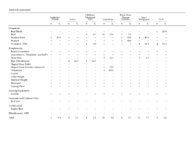
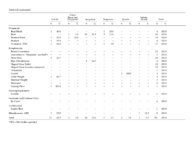
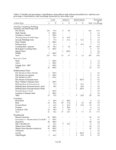
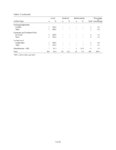
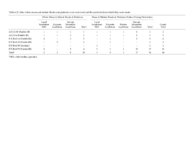
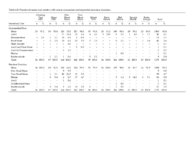
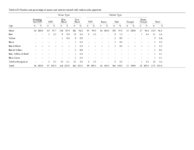
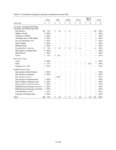
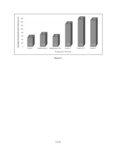
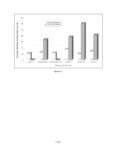
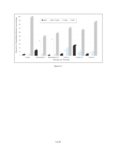
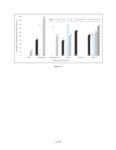
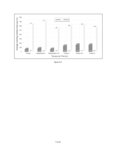
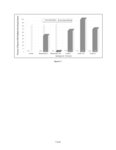
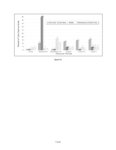
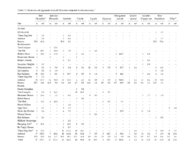
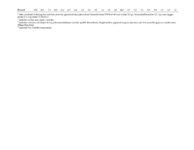
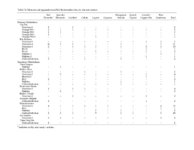
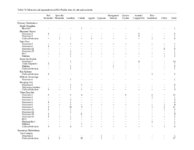
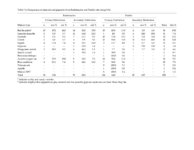
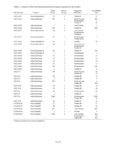
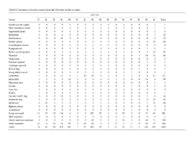
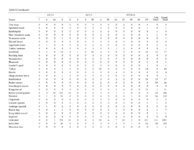
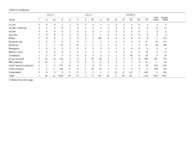
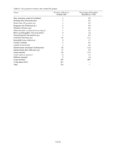
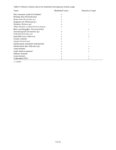
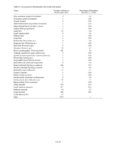
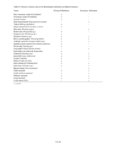
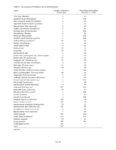
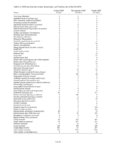
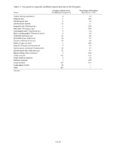
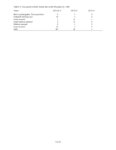
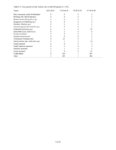
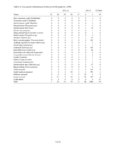
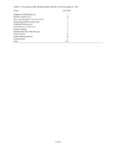
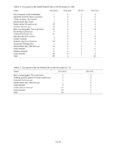
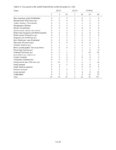
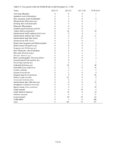
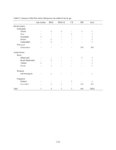
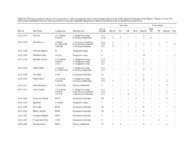
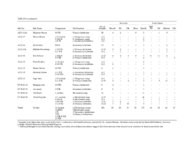
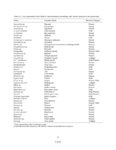
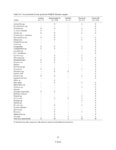
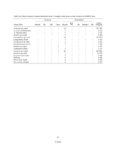
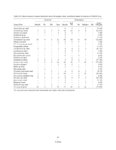
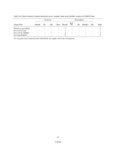
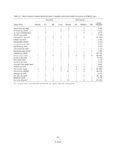
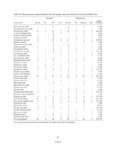
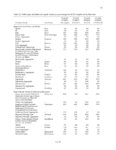
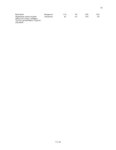
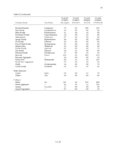
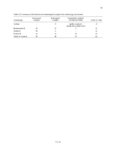
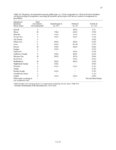
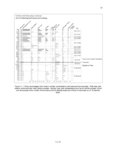
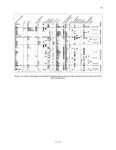
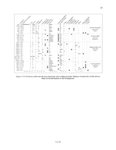
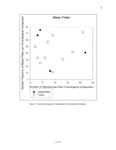
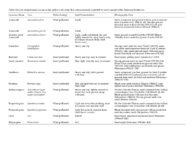
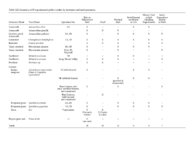
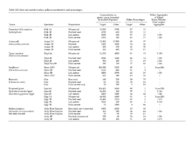
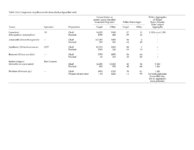
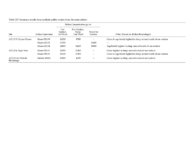
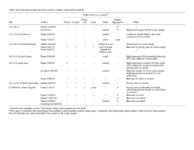
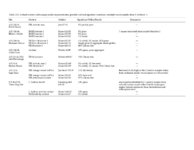
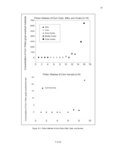
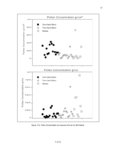
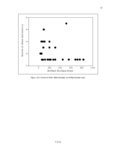
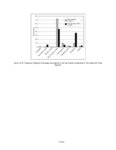
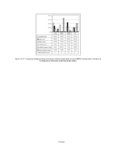
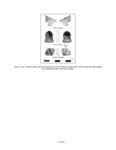
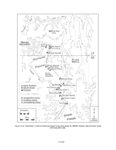
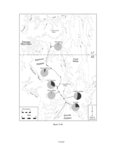
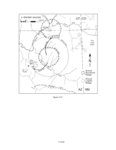
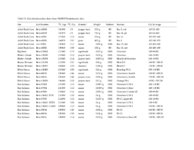
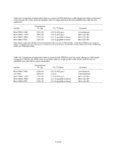
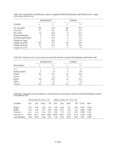
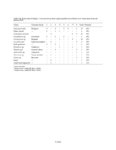
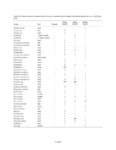
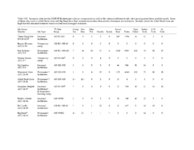
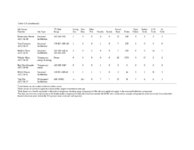
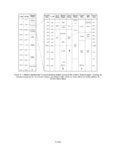
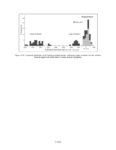
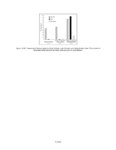
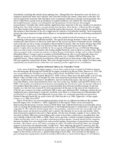
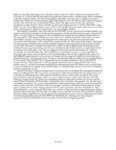
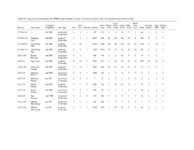
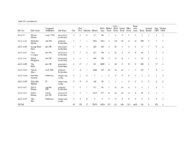
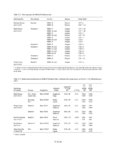
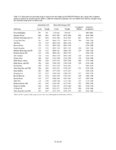
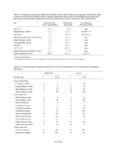
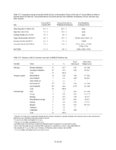
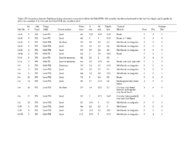
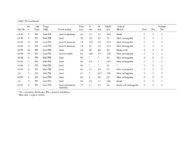
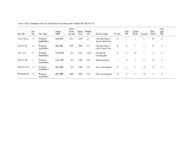
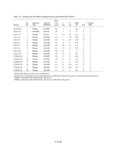
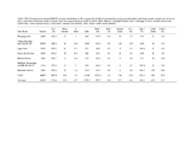
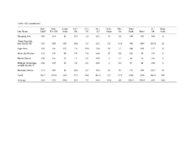
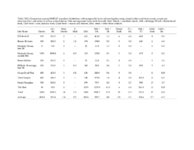
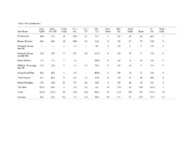
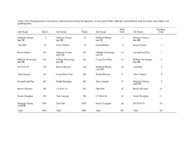
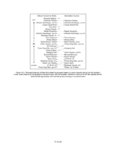
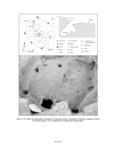
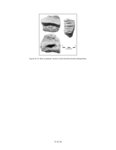
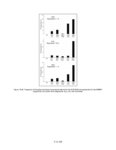
Show processing large seeds or kernels such as maize. Table 6.3 summarizes the vesicularity and constituent grain sizes of the various materials used for manufacturing N16 manos and metates. The vesicularity of the various materials ranged from no vesicles to high densities of vesicles. More than half the manos and metates were made from non-vesicular stone, and only 4 of the 18 raw material categories listed in Table 6.3 consisted of specimens where more than half were highly vesicular (i.e., they had many vesicles-regardless of vesicle size). Of these materials, Navajo Mountain sandstone was the only one represented by more than a few specimens. More than three-fourths (306 of 389, or 78.7%) of the manos and metates manufactured from this material were highly vesicular. More manos and metates were made of Navajo Mountain sandstone than any other single lithic material. There were, however, many tools made of local sandstone that could not be specifically identified to type, and it is possible that if more of these specimens were identifiable then Kayenta or Navajo/Wingate Sandstone tools might have been more numerous. In general, Navajo Mountain sandstone was coarser and more vesicular than the other materials used for manos and metates; it was harder than many of the other materials as well. The high degree to which the stone was used strongly suggests that this material was prized for making manos and metates, probably because of its advantageous characteristics. The vesicularity of manos and metates was also examined to find out if there was any appreciable change over time (Table 6.4). As with increased grain size, increasing vesicularity might be expected if raw materials with greater grinding effectiveness were being selected because of increased use of maize. The data in Table 6.4 show that a higher percentage of manos and metates in the Pueblo II-III and Pueblo III assemblages were vesicular than the tools in the earlier assemblages. In addition, more of the tools in the latest two assemblages were highly vesicular. This information could be interpreted to mean that vesicular material was being sought for use in manos and metates because of increased maize processing during the Pueblo II-III and Pueblo III periods. As a general expectation, the use of domesticates leads to reduced residential mobility due to the need to tend crops during their growth cycle (e.g., Wills 1988:40-41) and to live within close proximity of the harvest to reduce high transportation costs (e.g., Bradfield 1971:21-22, 39-40). Reduced mobility of preceramic populations has been observed in a reduction in the amount of lithic raw material diversity for chipped stone tools (Parry and Kelley 1987; Johnson 1981). From this it might be expected that increased reliance on agriculture might be similarly reflected in a decrease in the diversity of raw materials for stone grinding tools, however this does not appear to be the case. The number of different raw materials used to manufacture manos and metates fluctuated from period to period, but generally increased over time. Similarly, manos and metates from the BMAP project have shown a trend (Christenson 1997) where only local sandstone was used to manufacture manos and metates during the Archaic, but in later periods a wider variety of raw materials was used, including nonlocal stone. At the N16 sites four different materials were used for making Archaic manos and metates. Nine different types of stone were identified among the Basketmaker II tools, and eight materials were used in the Basketmaker II-III manos and metates. Twelve lithic raw materials were identified in the Pueblo II food-grinding tool assemblage, whereas six types were present in the Pueblo II-III assemblage, and 11 types of stone were noted in the Pueblo III manos and metates. One factor that might explain the differences between the Archaic assemblages and those of the later periods may be the different site types represented by the N16 sites. The Archaic sites were much more temporary in nature than most of the sites dating to later periods. The inhabitants of the Archaic sites had a more generalized subsistence strategy and were more transitory than people occupying the later sites. The curation and transportation of groundstone artifacts and the formation of assemblages may thus inherently be different between the Archaic and the later periods. Overall, the diversity of the raw materials used to make manos and metates increased over time. By examining the grain size, vesicularity, and raw material diversity of the stones used to manufacture manos and metates it can be seen that the diversity within all three characteristics increased over time in the N16 project area. During the Pueblo III period a larger array of grain sizes and a wider variety of vesicular material was used than during any of the earlier periods, and the number of different raw materials used in making manos and metates was second only to that of the Pueblo II period. Such a change might be due to increasing reliance on maize that necessitated coarser grinding textures better suited for processing the larger kernels. Differences in cement, induration, and mineral composition may have been just as important in determining material selection and use (Fratt and Biancaniello 1993:389). These characteristics were not examined in detail during analysis, so their importance as factors influencing decisions on stone selection cannot be readily addressed. In summary, a number of changes indicate increasing formalization of the mano and metate tool kit V.6.17 |