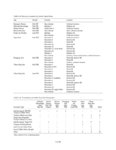
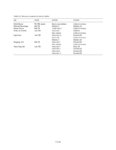
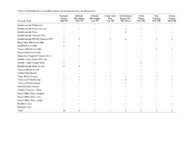
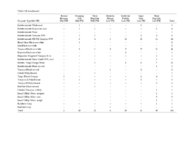
| OCR Text |
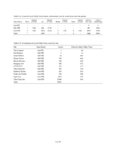
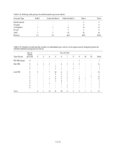
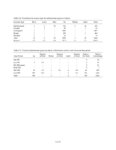
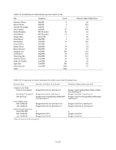
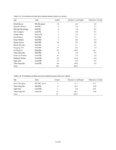
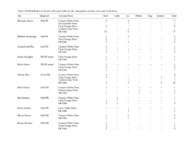
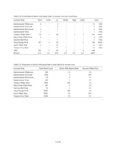
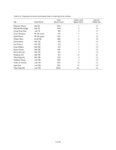
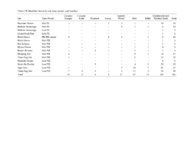
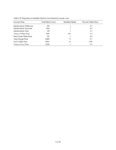
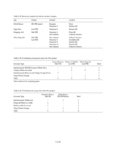
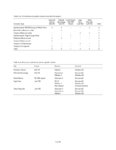
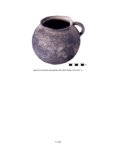
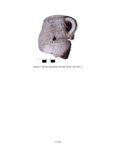
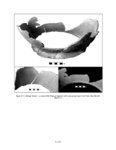
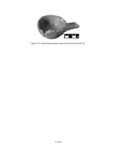
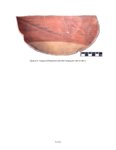
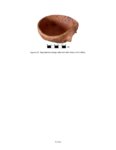
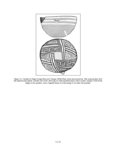
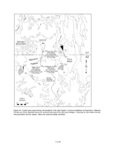
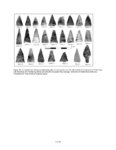
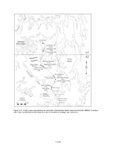
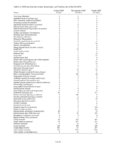
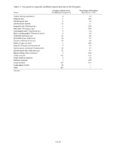
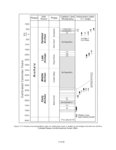
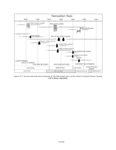
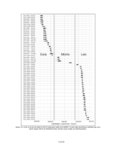
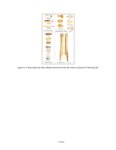
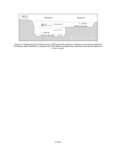
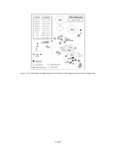
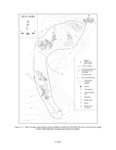
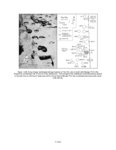
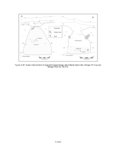
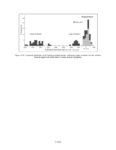
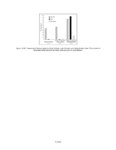
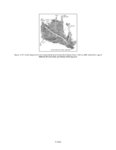
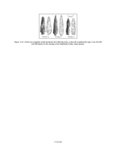
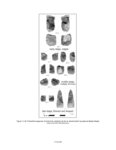
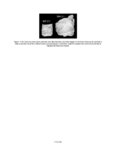
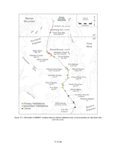
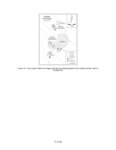
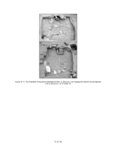
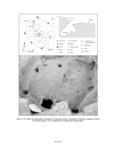
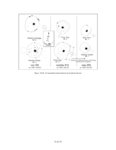
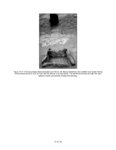
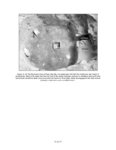
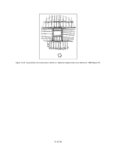
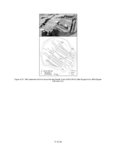
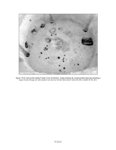
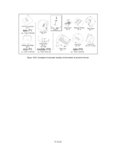
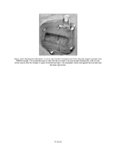
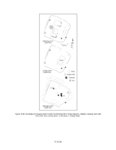
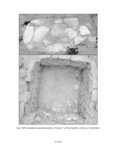
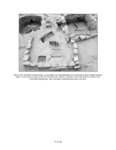
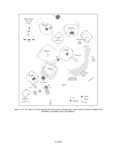
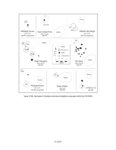
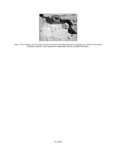
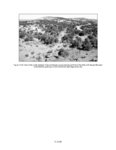
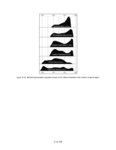
Show and construction materials from several of these features indicate rather intensive use of the cave between about cal. AD 100 and 600. One of the more interesting finds from the site came from excavation of a small remnant of a cist formed of slabs plastered over with clay. Resting upon the floor were 10 cm of turkey feces mixed with some feathers, a small amount of sediment, organic remains, and a few artifacts. The organic remains included maize cobs and kernels and a single whole bean. The artifacts included portions of a polished brownware seed jar and a whole small arrow point of chert. A radiocarbon date on a corn cob from the floor of the cist has a calibrated two-sigma range of AD 430-650. Sheltered Storage. These are sites that appear to have been principally used for storage, though most also likely served on occasion as temporary resting or camp locations. It is important to note that these sites lack substantial living debris. There are at least two dozen examples of Basketmaker storage sites on the northern portion of the Rainbow Plateau, but as yet most are known from survey evidence alone. Three excavated sites of this class include Desha Caves 1 and 2 (Schilz 1979) and Dust Devil Cave (Lindsay et al. 1968). All are located on the northern portion of the plateau at elevations of 1410-1500 m in a grassland setting well below where dry farming is feasible, yet all three sites contained numerous storage cists and abundant corn remains. Irrigated farmland occurs less than 2 km away from the caves along Desha Creek (Lindsay et al. 1968:136-137); this is likely the area where Basketmakers raised the produce stored at the sites-the Desha Caves are on the east side of Desha Canyon with Dust Devil Cave on the west. Excavation of the Desha Caves in 1930 revealed 33 slab-lined storage cists-21 cists in Cave 1 and 12 in Cave 2 (Figure 14.23). Schilz (1979: Tables 1 and 2) reports that eight of these features had no mortar or other caulking between the upright slabs, but the rest had some material sealing the spaces. Juniper bark or other vegetation was packed between slabs for 18 cists, fiber-tempered mortar sealed the spaces for 3 cists, mortar without fiber was used for another 3 cists, and 1 had slab fragments as chinking. The cists from these two sites have a combined storage capacity of about 12 cu m (this excludes two cists of Cave 1 for which no measurements were provided). The few cists in these caves constructed with fiber-tempered mortar were recently dated by extracting the juniper bark from the clay for radiocarbon analysis (Geib and Robbins 2003). This, plus the dating of two maize cobs, two human feces, and a Basketmaker II style four-warp wickerwork sandal demonstrates that both caves were used from roughly AD 0 to AD 630, or during the latter part of the Basketmaker II chronology for the northern Kayenta region presented earlier. Dust Devil Cave was tested in 1961 during the Glen Canyon Project (Lindsay et al. 1968) with full excavation occurring nearly a decade later. A full report on the site has yet to appear, but Ambler (1996) provides a preliminary description, though one focused on the rich Archaic deposits at the site. Judging from the field notes, there were at least 21 storage features in the cave that can be assigned to the Basketmaker II period, nearly all of which were storage cists. The capacity of these features is less than for the Desha Caves, probably about 3-4 cu m, but still sizable. Dust Devil Cave is along a route that runs from the higher elevations around the foot of Navajo Mountain to the canyon lowlands of the San Juan River and beyond, thus it provides an excellent resting place or way station for groups traveling back and forth between these settings. As such, this site likely served as a camp as well as for storage since it was well situated for both. Certainly the cave was used this way by Puebloan hunters who left a considerable amount of biface flaking debris at the site (Geib 1984). One question is how do we differentiate repeated camp use of a shelter like this (and repeated use is to be expected) from habitation use? This is not the place to attempt an answer-I just wanted to mention that all shelters made excellent larders but that some also made excellent places to stop and rest; they were fixed places on the landscape that people would return to time and time again. Lipe (1970:102) also identified an alcove along Castle Wash on the Red Rock Plateau as a Basketmaker II storage and camp site. It is worth cautioning that some shelters may appear to fit the sheltered storage class when in fact they are part of a habitation that contains structures and trash situated in the open near to the shelter. Near is of course a relative term and a shelter might not be close enough to a poorly visible open site to register. What is the spatial extent that allows for probable association? Atlatl Rock Cave is an example of where the storage cists in the shelter were probably associated with an open habitation in front of the cave (perhaps several habitations; see Chapter 2 of Volume III). Hawk's Nest Ruin in Sage Valley on the northern portion of the Shonto Plateau provides yet another example. Storage features in the dry alcove of Hawk's Nest appear to have been used by residents living in the open at least twice in prehistory, first during Basketmaker II and then again during Pueblo II; most recently a Navajo family stored trunks of clothes in the shelter. Several hundred meters separated the shelter from the actual Basketmaker and Pueblo II living structures. Looking further afield it may be instructive to ponder Cave du Pont (Neusbaum 1923), long considered a classic example of an isolated Basketmaker II storage site-true enough, the site itself is north facing and cold, not an ideal setting for habitation, but the canyon that it V.14.32 |