| OCR Text |
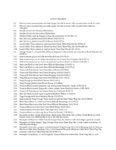
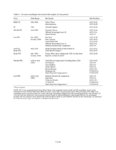
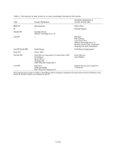
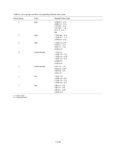
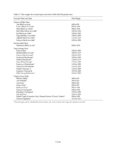
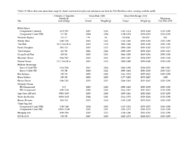
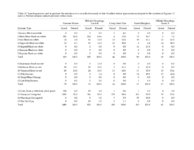
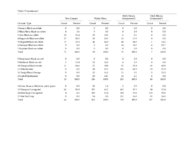
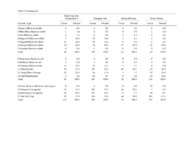
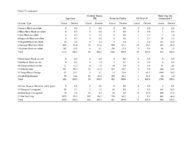
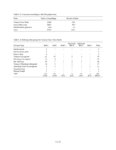
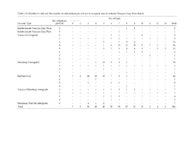
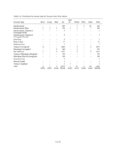
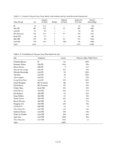
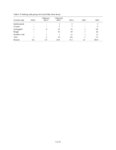
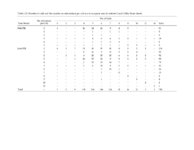
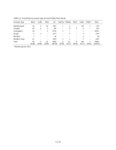
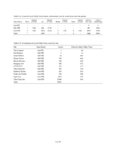
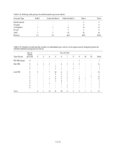
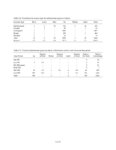
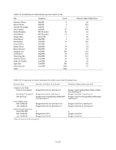
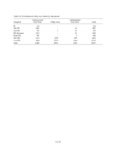
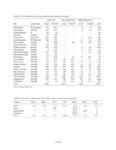
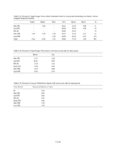
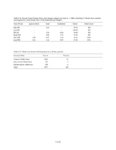
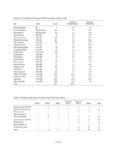
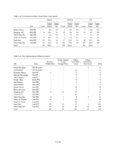
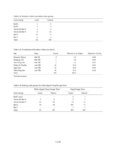
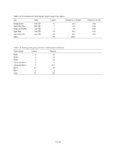
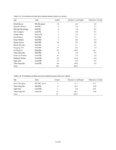
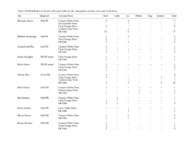
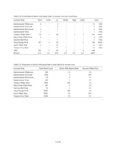
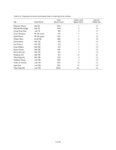
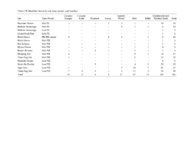
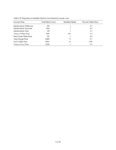
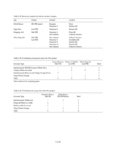
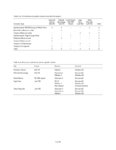
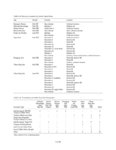
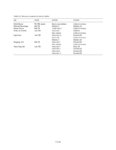
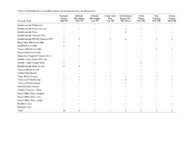
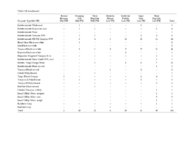
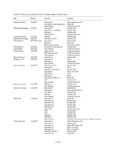
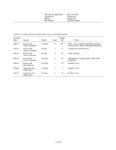
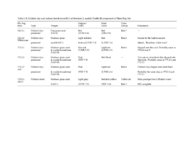
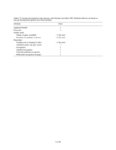
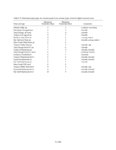
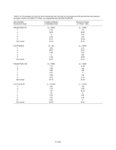
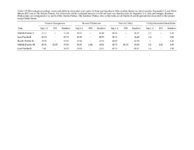
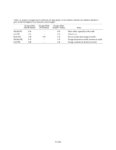
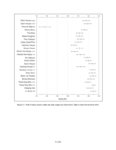
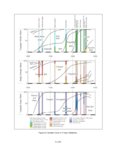
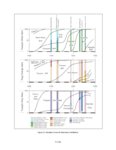
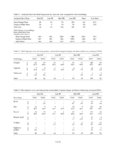
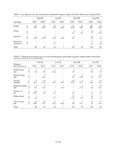
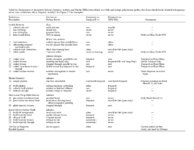
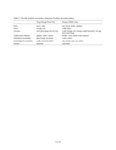
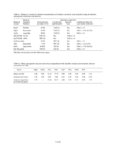
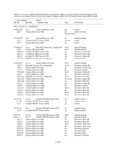
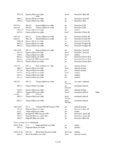
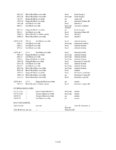
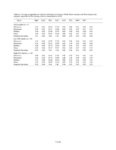
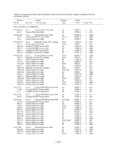
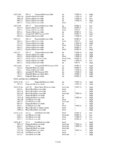
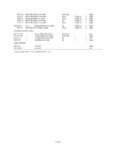
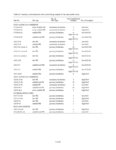
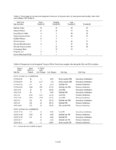
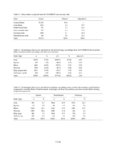
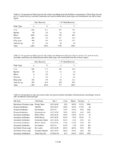
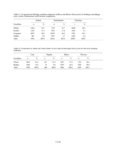
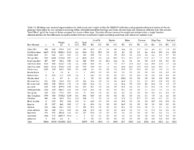
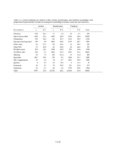
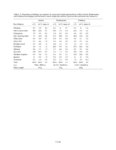
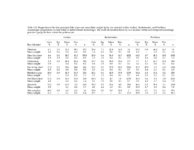
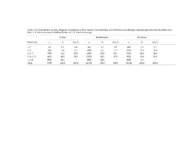
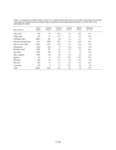
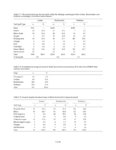
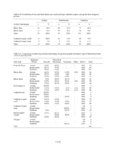
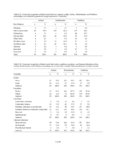
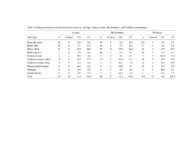
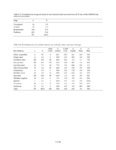
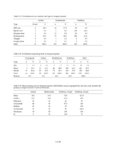
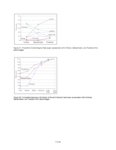
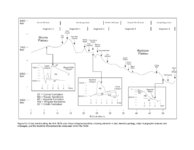
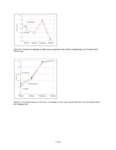
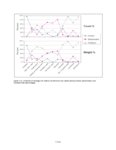
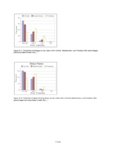
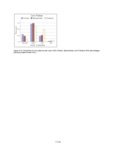
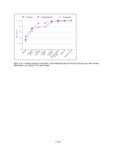
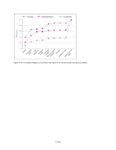
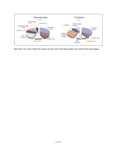
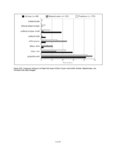
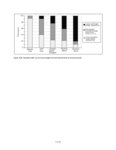
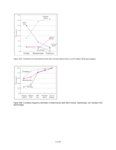
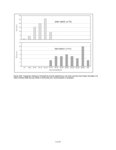
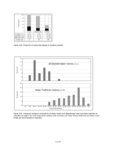
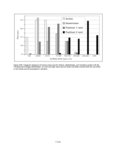
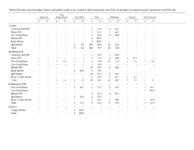
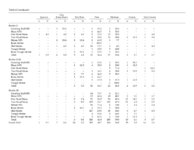
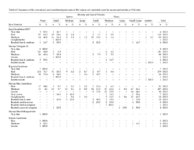
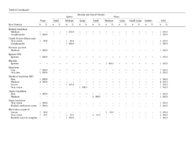
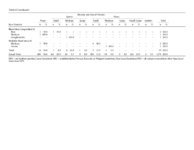
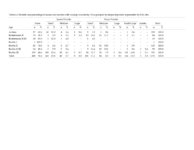
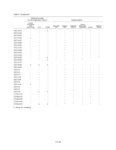
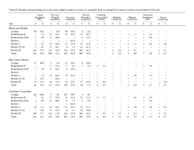
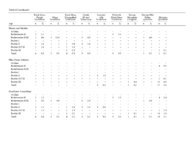
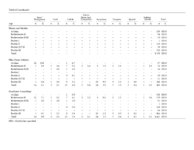
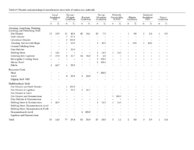
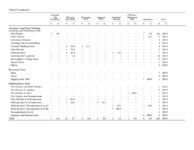
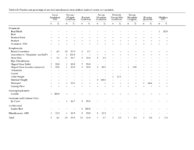
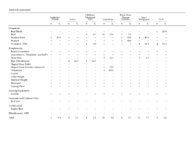
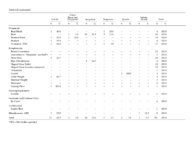
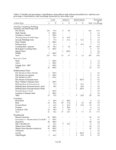
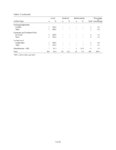
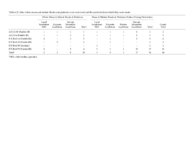
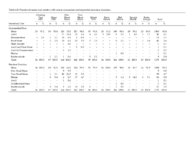
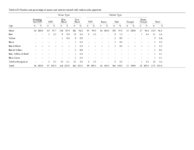
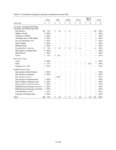
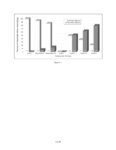
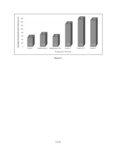
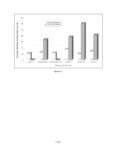
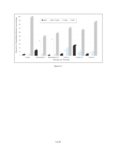
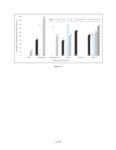
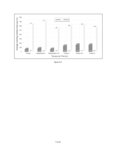
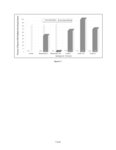
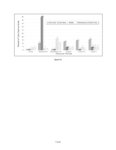
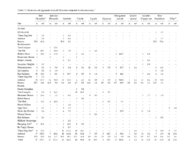
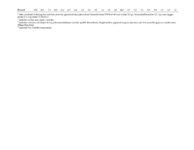
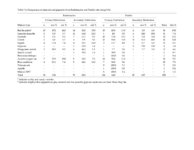
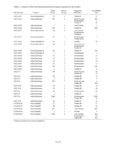
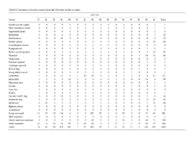
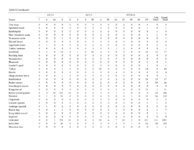
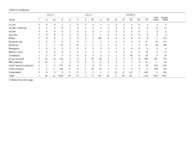
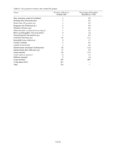
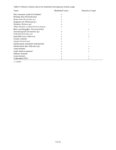
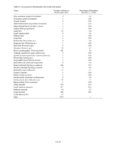
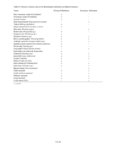
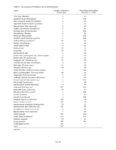
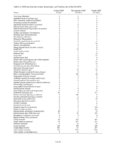
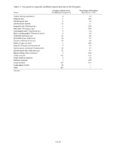
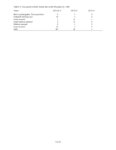
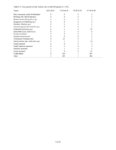
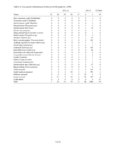
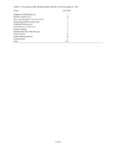
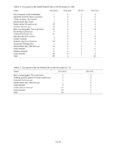
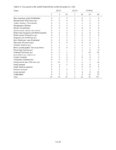
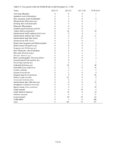
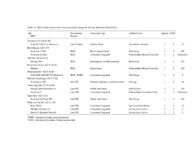
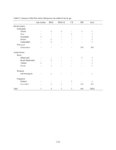
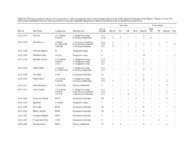
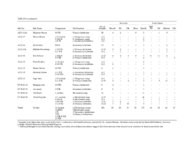
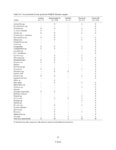
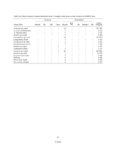
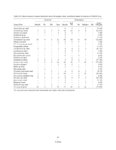
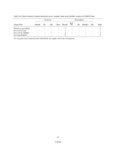
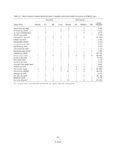
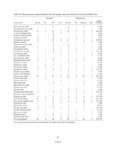
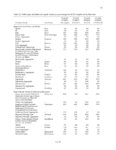
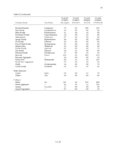
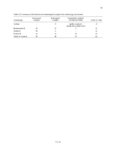
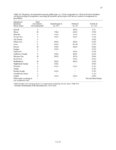
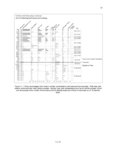
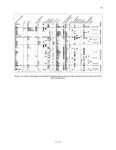
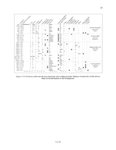
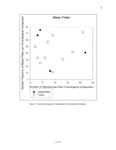
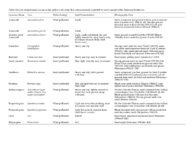
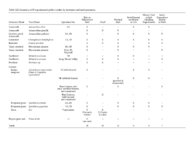
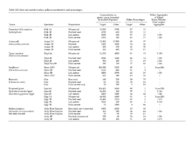
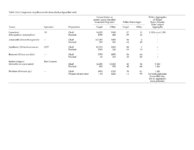
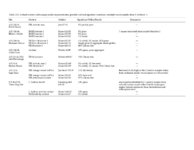
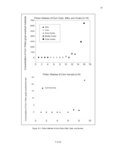
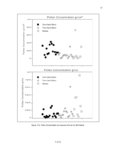
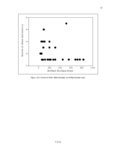
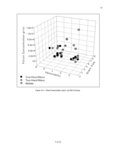
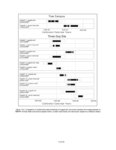
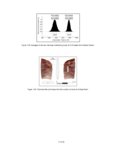
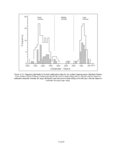
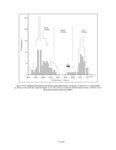
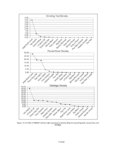
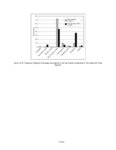
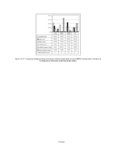
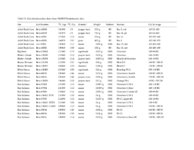
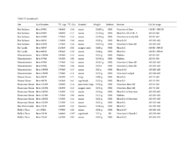
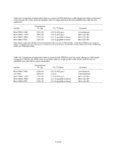
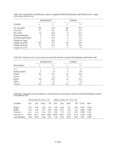
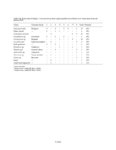
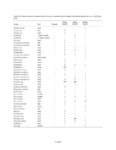
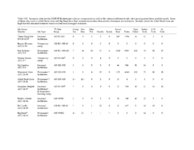
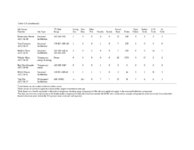
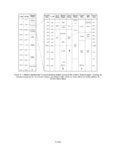
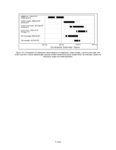
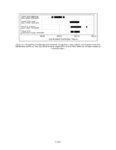
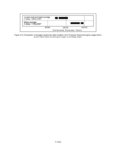
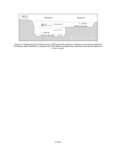
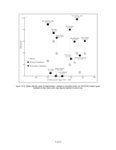
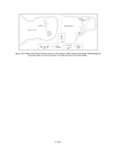
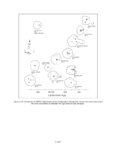
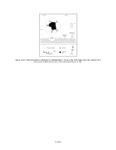
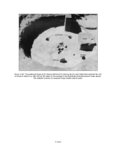
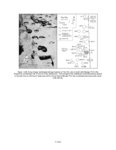
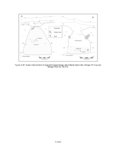
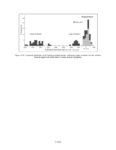
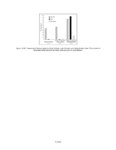
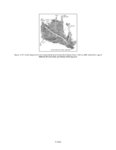
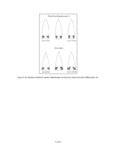
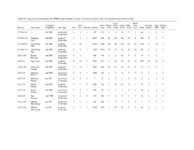
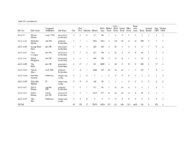
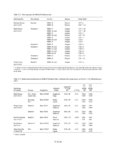
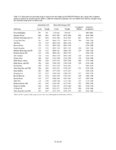
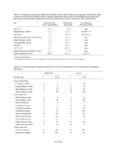
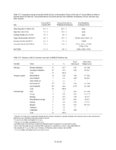
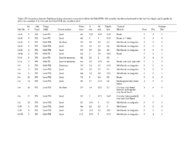
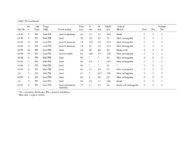
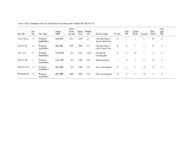
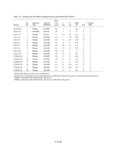
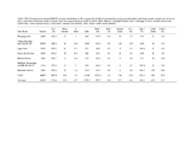
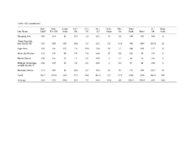
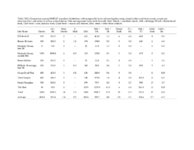
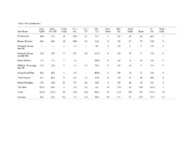
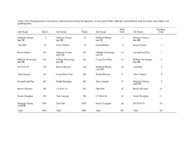
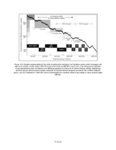
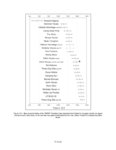
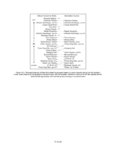
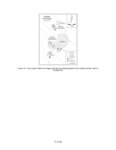
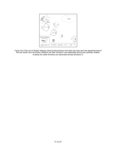
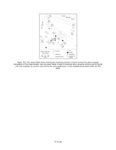
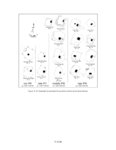
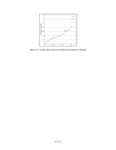
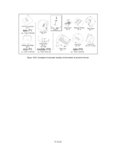
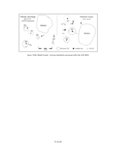
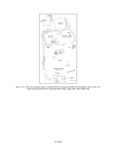
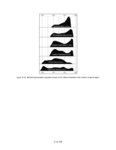
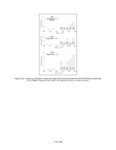
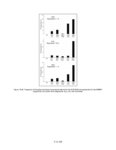
Show In total, 527 groundstone items identified as metates or metate fragments were recovered during the N16 excavations. Of these, 96 (18.2%) could not be classified further as specific metate types. Basin, slab, trough, and basin-trough metates comprise the bulk of the assemblages. Figure 6.4 summarizes the numbers and percentages of the various metate types that were identified. Slab metates, consisting of unformalized slabs, formalized slabs, and indeterminate slab fragments, were the predominant form in all temporal assemblages. Unformalized slabs were the most common; all the slab metates in the Archaic and Basketmaker II assemblages were unformalized. Of the slab metates that could be identified as unformalized or formalized in the Basketmaker II-III assemblage, 71.4 percent were unformalized. This number increased to 95 percent in the Pueblo II assemblage, and then steadily decreased over time to 66.7 percent in the Pueblo II-III and 56.8 percent in the Pueblo III. Because formalized slabs were by definition the type of slab metate installed in mealing bins, this trend indicates a shift towards more semipermanent to permanent food-grinding facilities. At a rudimentary level this signifies a growing reliance on ground food. This information plus that presented in Figure 6.4 is similar, but not identical, to other discussions concerning what types of metates were in favor at given points in the past. As mentioned before, Bartlett (1933:27-29), Russell (1989:651-652), and Woodbury (1954:58-65) have argued that in northern Arizona the predominant metate type changed over time from basin and unformalized slabs to trough metates and eventually to formalized slabs placed in mealing bins. The data from the current project show that unformalized slabs and basin metates did dominate the early assemblages. In contrast there was no time when trough metates composed the largest percentage of the metate collections. Even if basin-trough metates are considered together with trough metates rather than separately, the closest they come to being the most common metate type was during the Basketmaker II-III period when the number of basintrough and trough metates (n = 5) was the same as that of unformalized slab metates. Another difference seen in the N16 data is that formalized slab metates never comprised the largest share of any given temporal assemblage of metates. Nonetheless, as noted before there was an increase in the percentage of formalized slabs from the Pueblo II period on. If this trend continued then formalized slabs would have become the most common type of metate by Pueblo IV, a period not represented in the N16 data but upon which both Bartlett and Woodbury relied to make their conclusions. Therefore it seems that the data from the current project supports some, but not all, of the earlier determination, and it must be noted again that some of the temporal assemblages of N16 metates were incomplete (e.g. Pueblo I), completely absent (e.g. no Pueblo IV), or relatively small (e.g. only 12 metates each from the Basketmaker II-III and the Pueblo II-III periods). The resulting interpretations should thus be viewed with caution. As with the manos, an argument could be made that the average grinding surface areas of metates might be an indicator of the level of agricultural dependence. However, unlike most manos, only a fraction of the grinding surface on metates would be in use at any given moment during the grinding process. (The exception would be manos used with a reciprocal rocking motion which eventually creates a beveled grinding surface. This results in one portion of the surface coming into contact with the metate during the away stroke and the other portion being used in the return stroke). Therefore the size of the grinding surface on metates has less impact on the efficiency of these tools. We nevertheless examined the size of the metate grinding surfaces to search for changes over time like those observed for the manos. Far fewer metates than manos in the N16 assemblages had measurable grinding surfaces (320 measurable grinding surfaces on the manos versus only 53 measurable surfaces on the metates). The average grinding surface areas of all whole or completely reconstructible metates collected during the N16 project are summarized in Figure 6.5. Because relatively few measurable metates were recovered the results presented here must be viewed as extremely tentative pending more data. In fact, none of the particular metate types had measurable specimens in every one of the temporal assemblages, which made assessing temporal trends even more difficult. Nevertheless, if the average metate grinding surface area is used as a measure of the level of maize processing and dependence on agriculture, these data again suggest fluctuation in the importance of agriculture in the N16 project area. The average grinding surface areas of all metate types for each period are as follows: Archaic = 643 cm2, Basketmaker II = 710 cm2, Basketmaker II-III = 538 cm2, Pueblo II = 590 cm2, Pueblo II-III = 620 cm2, and Pueblo III = 569 cm2. What, if anything, these numbers represent is unclear. Superficially it appears that Basketmaker II metates had the largest grinding surface areas. Unlike the manos, there is no overall trend toward everlarger grinding areas, but there is a similar, although not proportional pattern in the increase and decrease of grinding surface sizes for both manos and metates over time (Figure 6.6). This suggests corresponding but not equal changes in the average grinding surface areas of both manos and metates. Manos and metates were thus examined in a number of ways to assess degree of agricultural dependence. One method was to compare the relative abundance of different morphological tool types. V.6.12 |