| OCR Text |
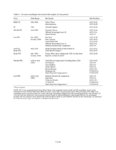
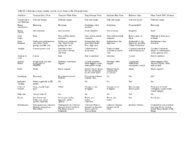
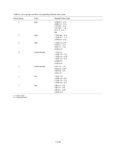
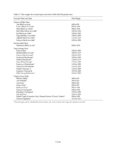
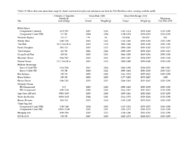
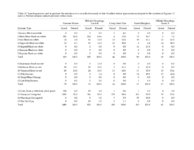
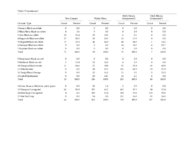
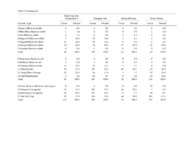
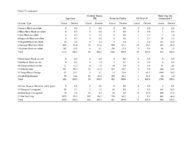
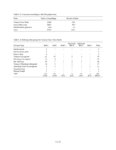
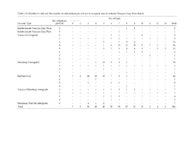
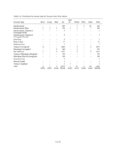
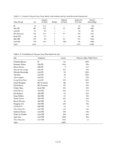
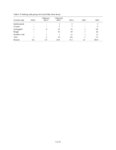
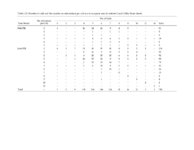
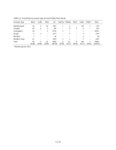
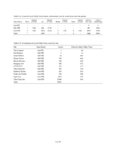
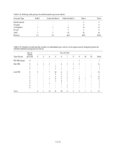
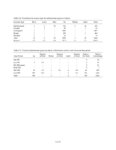
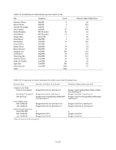
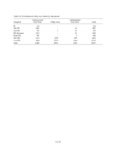
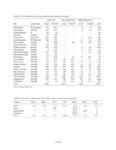
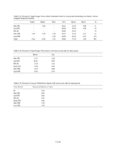
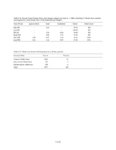
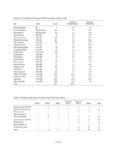
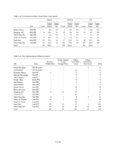
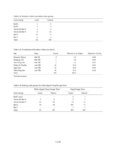
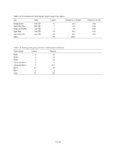
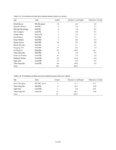
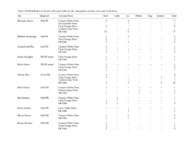
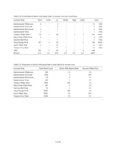
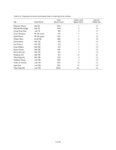
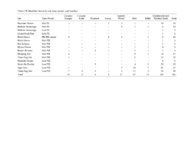
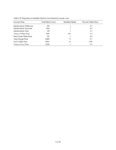
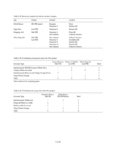
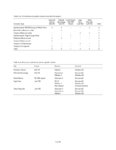
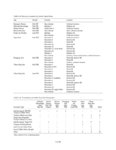
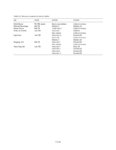
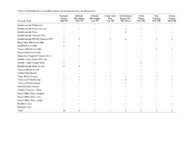
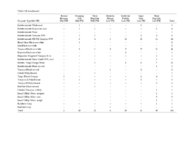
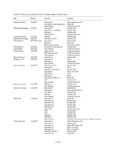
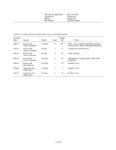
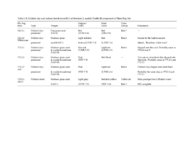
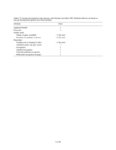
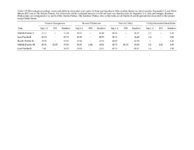
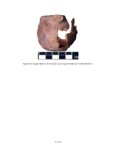
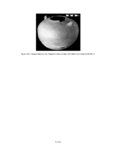
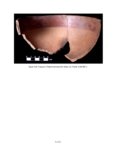
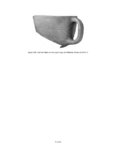
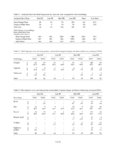
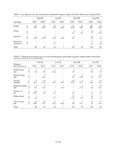
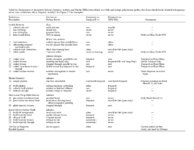
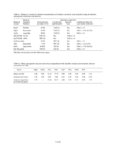
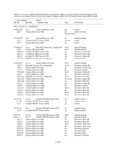
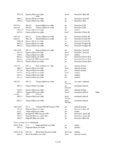
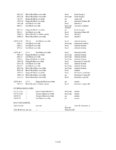
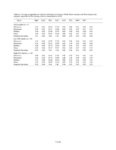
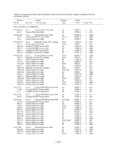
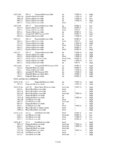
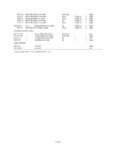
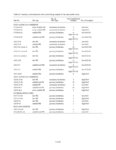
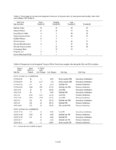
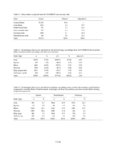
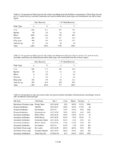
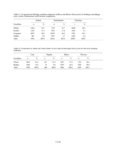
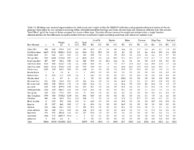
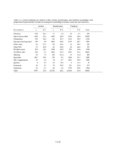
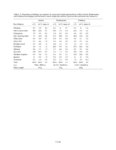
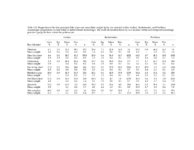
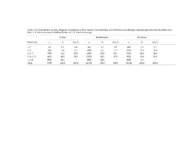
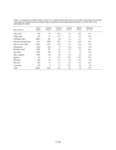
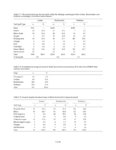
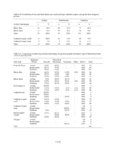
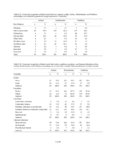
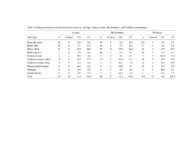
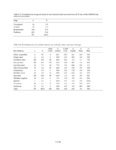
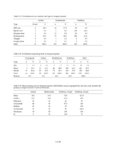
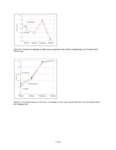
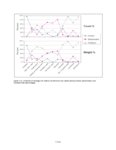
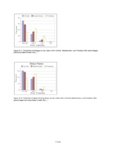
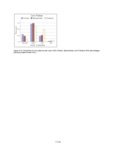
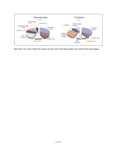
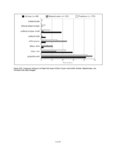
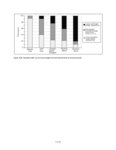
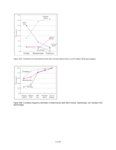
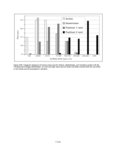
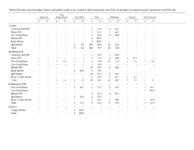
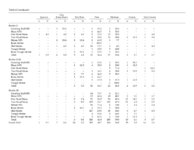
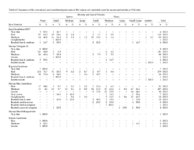
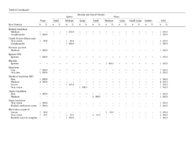
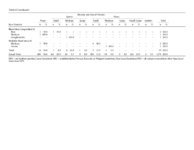
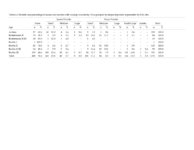
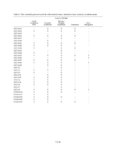
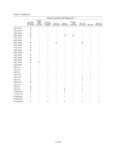
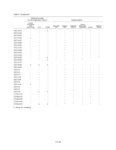
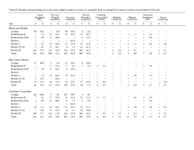
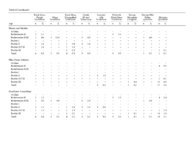
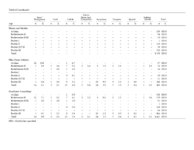
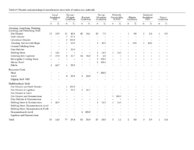
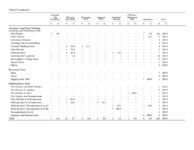
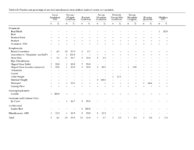
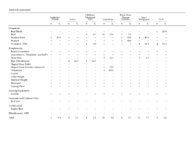
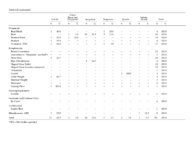
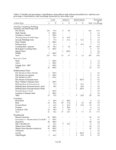
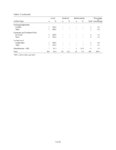
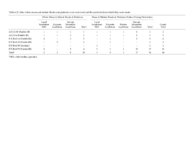
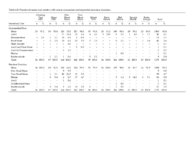
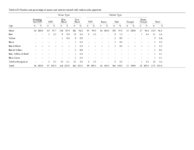
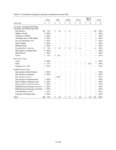
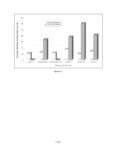
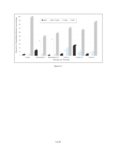
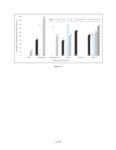
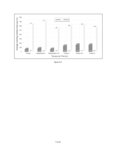
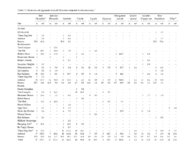
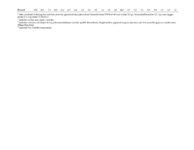
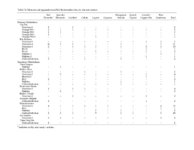
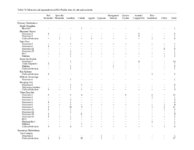
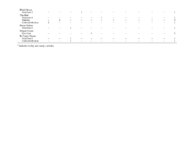
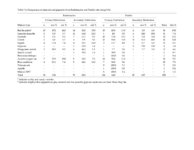
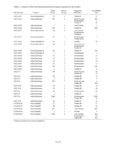
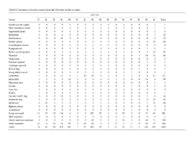
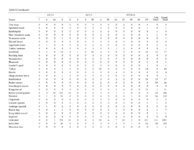
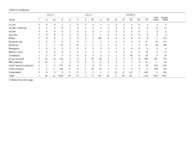
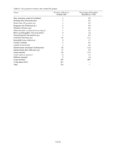
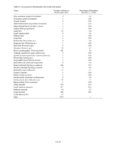
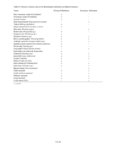
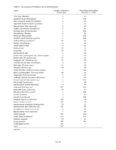
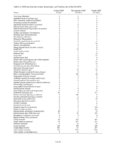
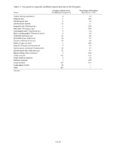
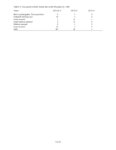
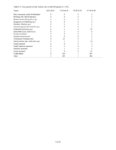
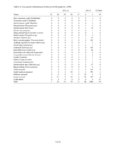
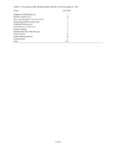
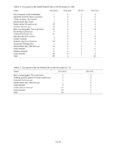
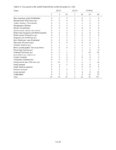
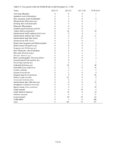
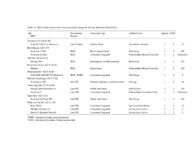
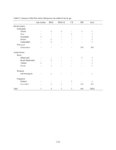
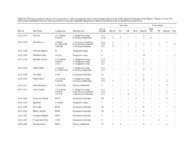
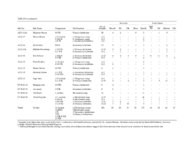
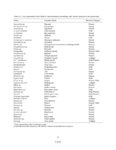
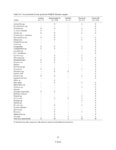
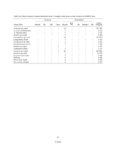
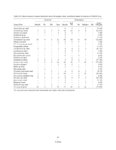
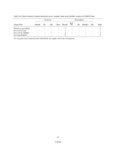
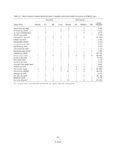
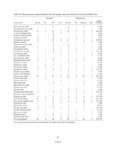
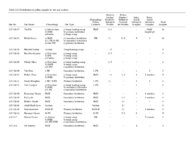
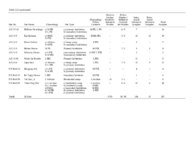
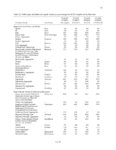
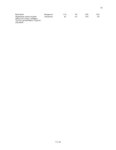
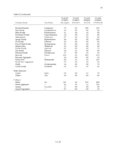
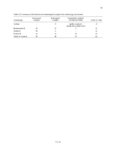
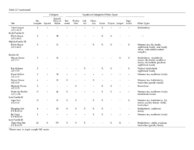
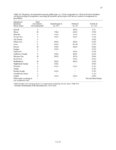
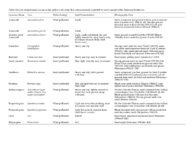
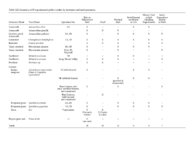
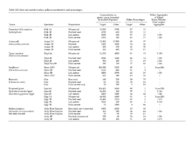
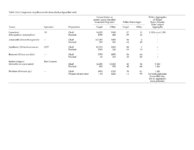
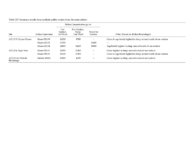
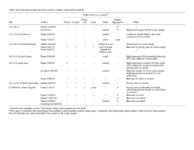
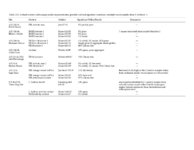
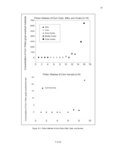
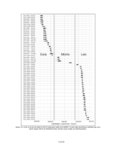
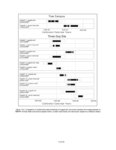
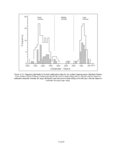
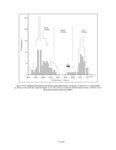
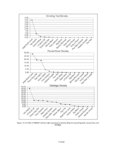
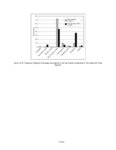
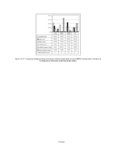
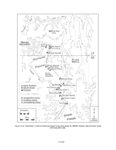
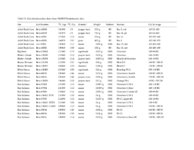
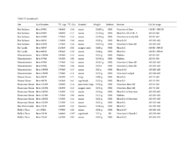
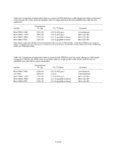
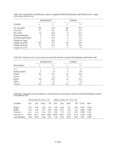
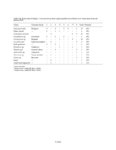
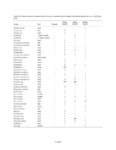
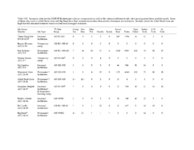
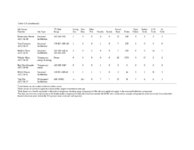
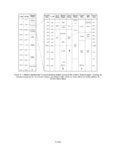
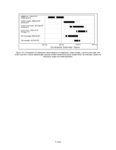
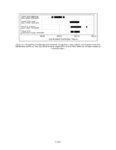
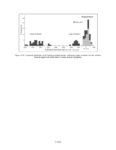
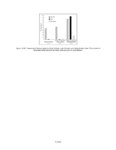
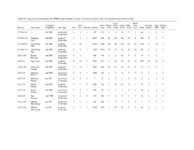
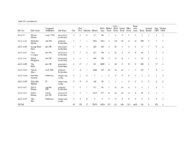
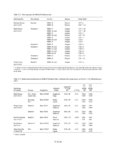
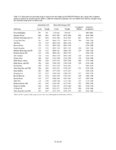
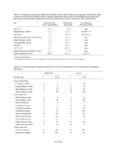
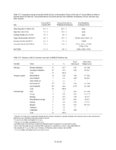
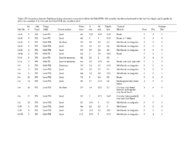
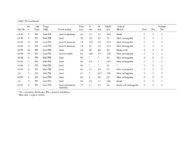
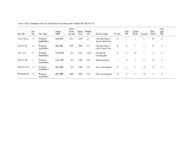
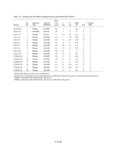
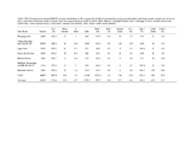
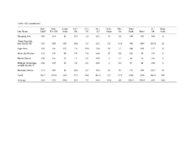
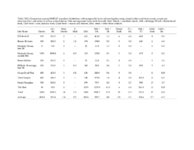
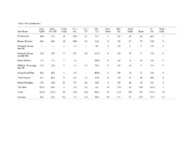
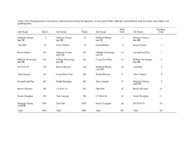
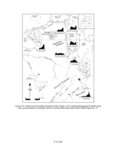
Show Based on vessel form and exterior sooting, Tusayan Gray Ware jars were used for both cooking and storage. Exterior sooting was noted on less than 20 percent of the Tusayan Gray Ware assemblage (Table 2.17), and these sherds are probably fragments of cooking vessels. Some of the wide-neck jars had exterior sooting, indicating they were probably used for cooking. None of the narrow-neck jars had exterior sooting, and these were most likely used for storage or water transport. Nearly all of the sherds recovered from Wolachii Bighan, a Pueblo I site, were Tusayan Gray Ware, which is typical for sites from that time period (Table 2.18). Most of the Pueblo II site assemblages have 90 percent or more Tusayan Gray Ware. Mouse House and Tres Campos have a smaller percentage of Tusayan Gray Ware sherds, which can be attributed to the small number of sherds collected from these sites. The proportion of Tusayan Gray Ware sherds at Pueblo III sites varies. Windy Mesa, an early Pueblo III site, had nearly 100 percent Tusayan Gray Ware. Mid Pueblo III sites ranged from nearly 100 percent at Ditch House to 7 percent at UT-B-63-19. Late Pueblo III sites ranged from nearly 50 percent at Water Jar Pueblo and Sapo Seco to 7 percent at Three Dog Site. However, excavated Pueblo II sites (e.g. UT-V-13-19; Ambler 1985b) near Navajo Mountain have nearly 100 percent Tusayan Gray Ware, demonstrating that the shift from Tusayan Gray Ware to Local Utility Ware was a Pueblo III phenomenon. Site assemblages from the southern portion of the project area have a higher percentage of Tusayan Gray Ware sherds per site than those from the northern portion of the project area (Table 2.18), indicating a spatial distribution of Tusayan Gray Ware to Local Utility Ware during Pueblo III. Pueblo III sites on the Shonto Plateau excavated in the 1980s in the southern two sections of the N16 ROW (Schroedl 1989) yielded 100 percent Tusayan Gray Ware. The one Pueblo III site on the Shonto Plateau excavated for the current project (Ditch House) also had nearly 100 percent Tusayan Gray Ware. But moving onto the Rainbow Plateau and further away from the presumed source area of Tusayan Gray Ware results in a decreasing percentage of this ware that coincides with an increasing percentage of Local Utility Ware. Assemblages from the northern sites, such as Water Jar Pueblo, Sapo Seco, and especially Three Dog Site, have greater proportions of utility ware other than Tusayan Gray Ware, at least during the Pueblo III period (Pueblo II sites at Navajo Mountain have nearly exclusively Tusayan Gray Ware). Therefore, in the Pueblo III period inhabitants located further from the source area of Tusayan Gray Ware relied more heavily on local products, substituting them for the utilitarian pottery imported from the south. Local Utility Ware In our analysis of the N16 materials, Local Utility Ware is defined as having sandstone and sand for temper, plus other inclusions such as multilithic sand, gray rounded or angular fragments (clay pellets), and white, red, or black rounded or angular fragments, to name a few. We identified only one named type within this category: Rainbow Gray has sandstone with white matrix (SS3) for temper in a darkcolored paste. A broader definition of Rainbow Gray would take in most of the sherds that we have identified here as local utility ware, so we discuss them together. Problems with the classification of local utility pottery were first observed by UCLA researchers, based on material from the Van Bergenin Expedition's excavations on Segazlin Mesa. They recognized the presence of a utility ware that differed considerably from the Tusayan Gray Ware produced in the southern Kayenta region. They began to create a series for this local phenomenon but it was never published (analysis notes and anonymous draft report on file at the Los Angeles County Museum of Natural History). Work in the area for the Glen Canyon Project during the late 1950s and early 1960s (Lindsay et al. 1968) also recognized the presence of a utility ware that differed from the traditional Tusayan Gray Ware produced in the southern Kayenta region. The utility ware local to the northern Kayenta region was initially called Kiet Siel Gray: Navajo Mountain variety by Lindsay (Lindsay et al. 1968:390-392). The description was based on stylistic characteristics of surface treatment, namely rough surface finish and gritty texture, and not on technological characteristics. Many of the sherds classified as Tusayan Corrugated, Moenkopi Corrugated, and Kiet Siel Gray during this project are actually Rainbow Gray. Callahan and Fairley's (1983) type description in Pottery Southwest, which did consider technological characteristics, provides the current accepted definition of Rainbow Gray, the Pueblo III utility ware found in the Navajo Mountain area. The authors argue that there are important technological differences between the pottery found in the Navajo Mountain area and Tusayan Gray Ware types, such as Kiet Siel Gray; therefore, Navajo Mountain products do not belong in Tusayan Gray Ware. They named this pottery Rainbow Gray and designated it a ware as well as a type. In the Rainbow City excavations (Geib et al. 1985), Rainbow Gray was found in assemblages dating from the middle to late Pueblo III periods, and may be found as early as the early Pueblo III period. Paste V.2.19 |