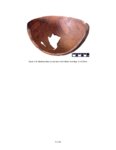
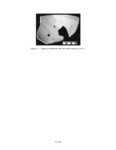
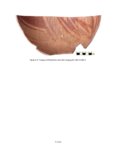
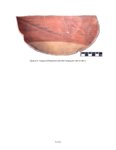
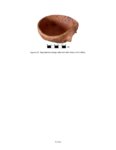
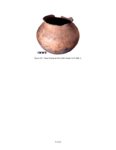
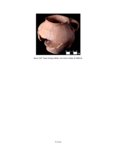
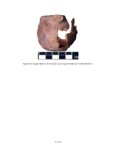
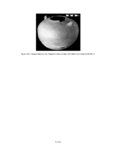
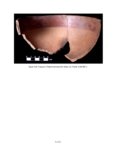
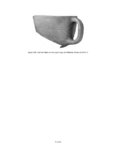
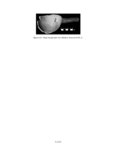
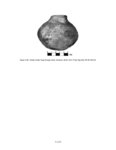
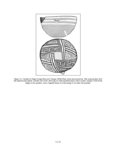
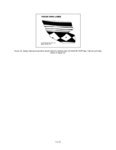
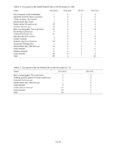
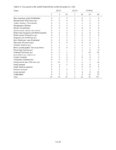
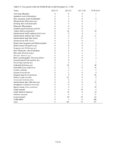
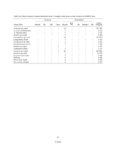
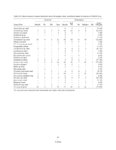
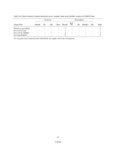
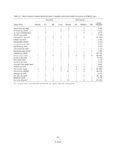
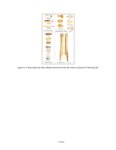
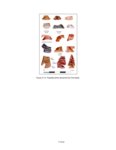
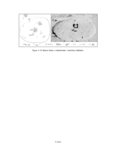
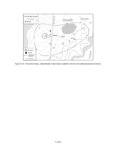
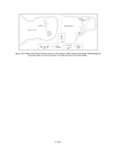
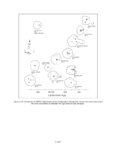
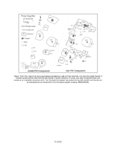
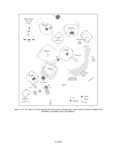
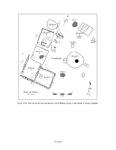
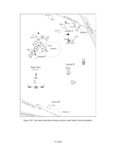
| OCR Text |
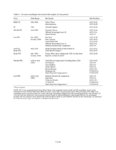
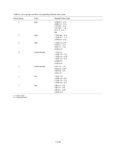
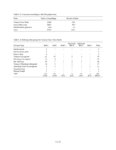
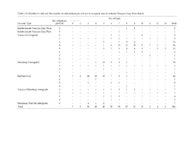
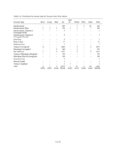
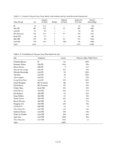
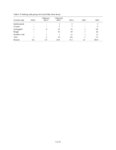
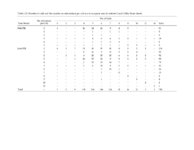
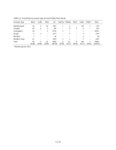
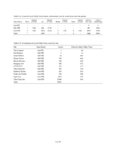
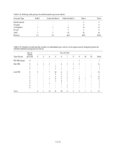
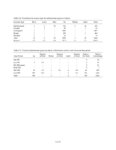
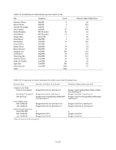
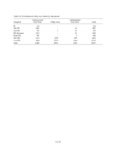
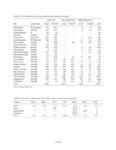
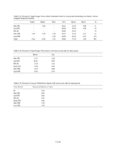
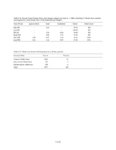
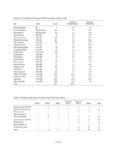
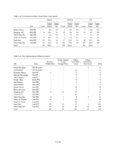
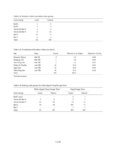
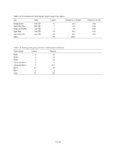
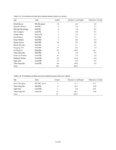
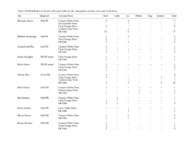
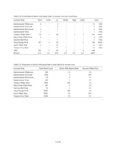
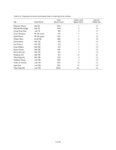
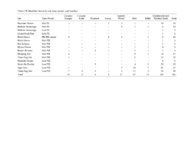
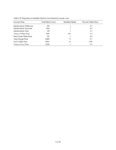
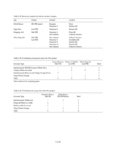
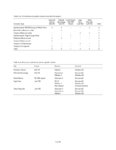
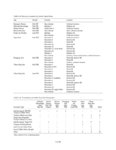
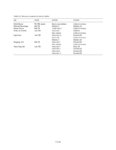
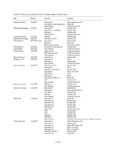
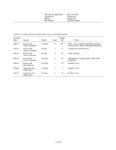
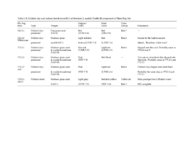
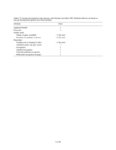
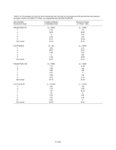
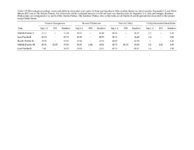
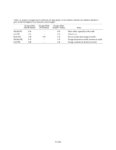
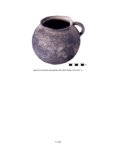
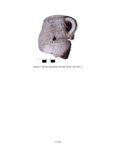
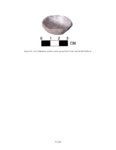
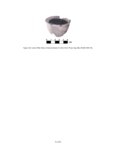
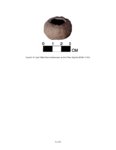
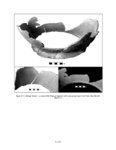
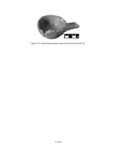
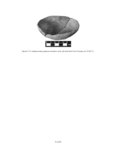
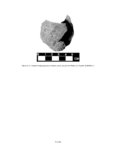
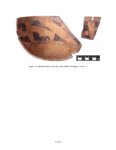
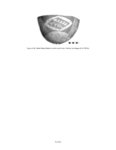
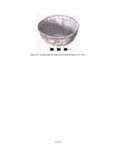
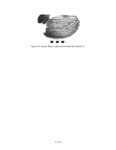
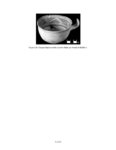
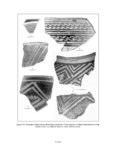
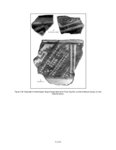
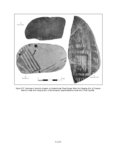
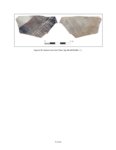
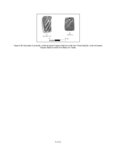
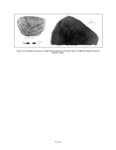
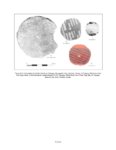
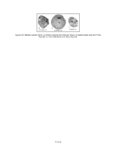
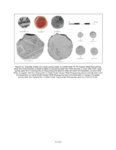
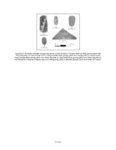
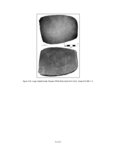
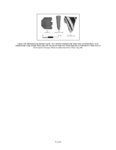
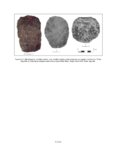
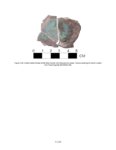
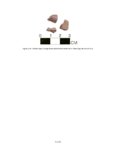
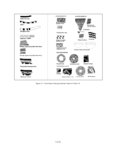
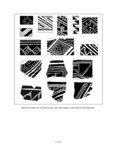
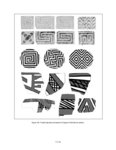
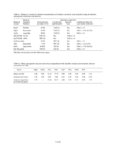
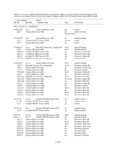
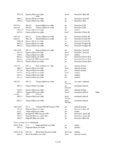
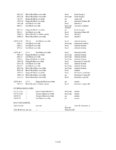
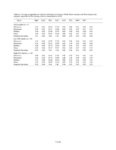
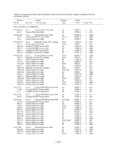
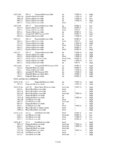
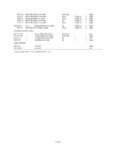
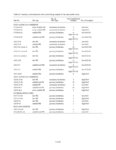
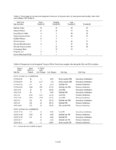
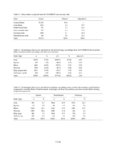
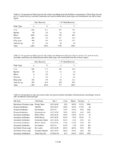
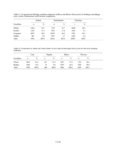
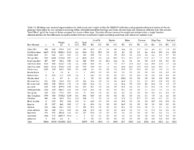
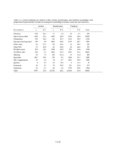
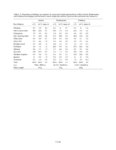
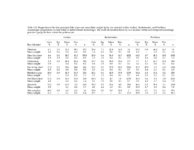
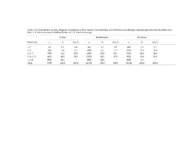
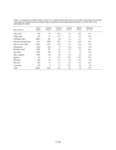
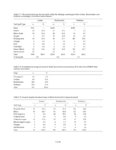
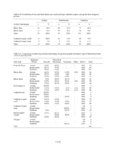
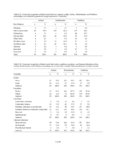
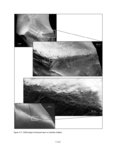
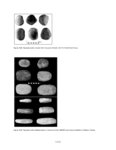
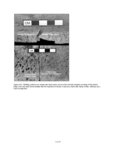
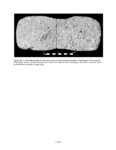
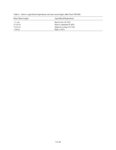
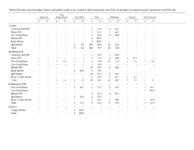
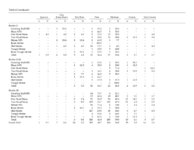
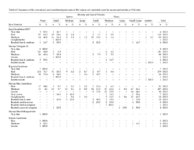
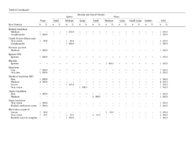
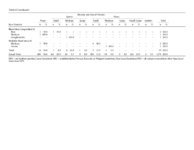
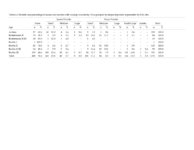
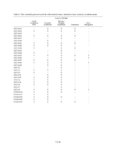
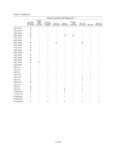
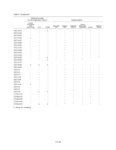
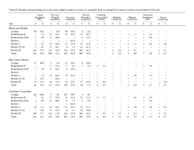
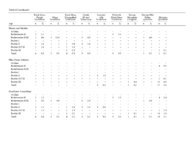
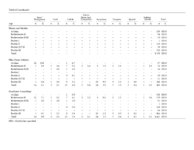
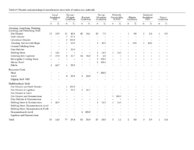
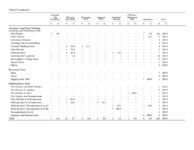
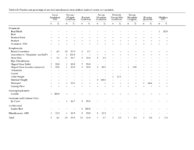
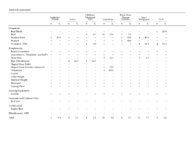
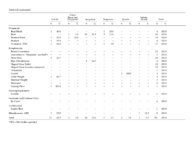
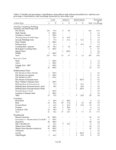
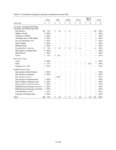
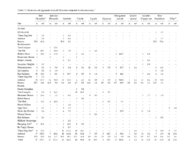
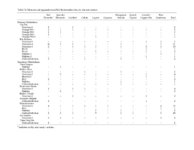
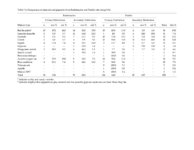
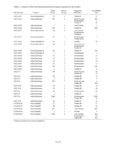
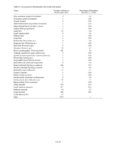
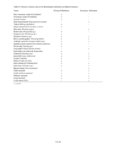
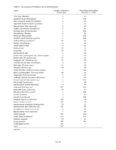
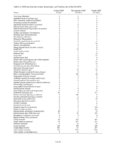
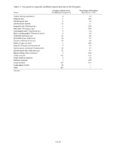
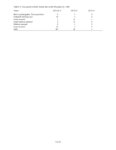
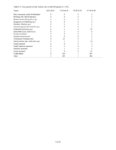
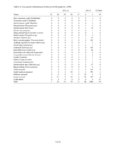
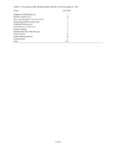
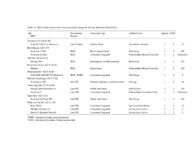
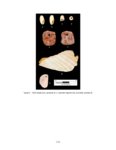
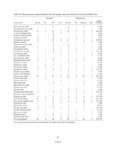
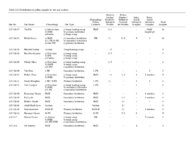
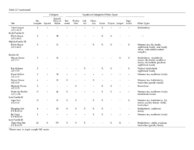
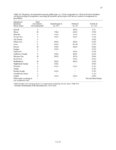
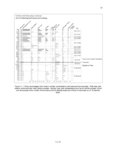
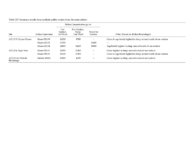
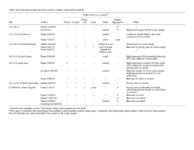
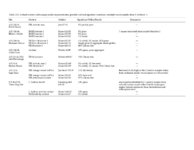
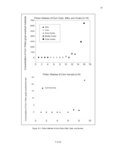
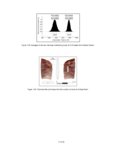
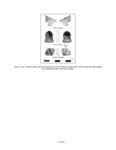
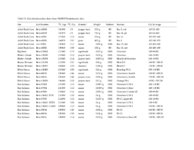
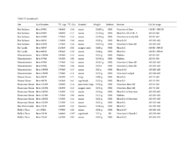
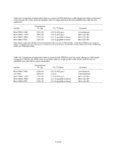
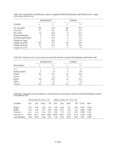
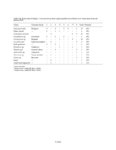
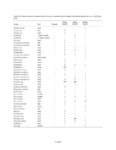
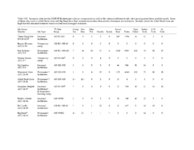
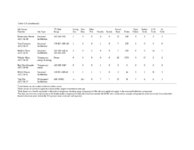
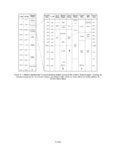
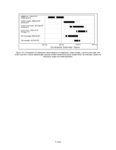
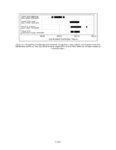
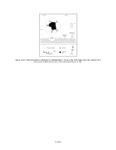
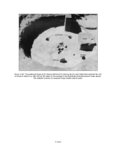
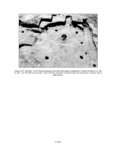
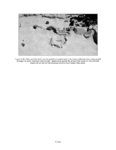
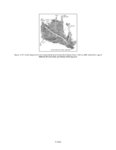
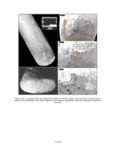
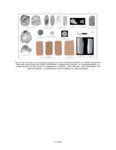
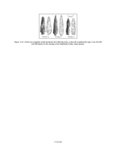
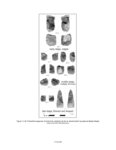
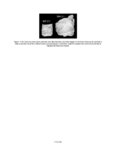
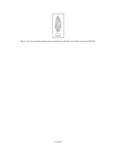
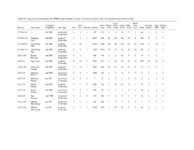
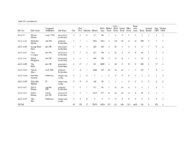
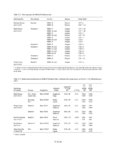
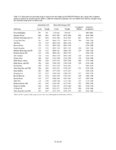
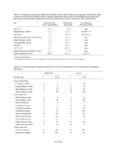
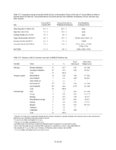
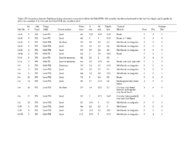
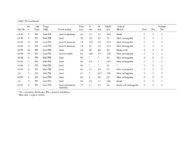
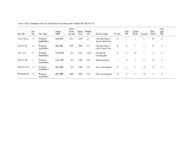
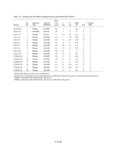
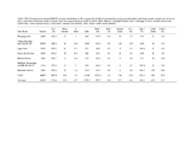
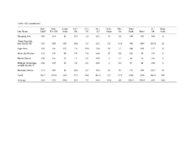
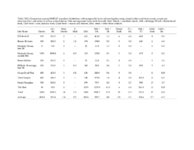
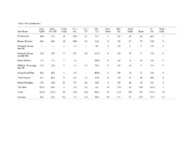
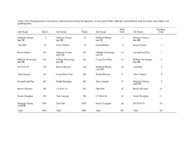
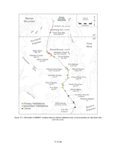
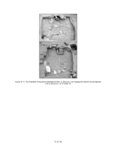
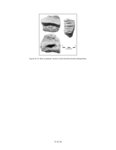
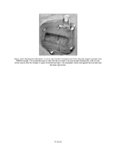
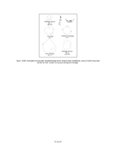
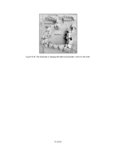
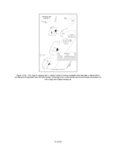
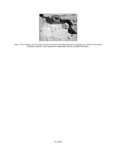
Show inclusions and lack the obvious white matrix sandstone. Bits of such sandstone do appear to be present, and are simply more visible in the refired samples than in the unfired sherds. Finding these two variations together in the same deposit in an unfinished condition suggests that they were made at the same time by the same family group, if not the same individual. All pieces could even be from the same vessel if clay and temper were varied to begin with and not well mixed. Our interpretation of this assemblage supports classifying most of the "unclassified Pueblo III utility ware" in the project area as Rainbow Gray. From the floor fill of Structure 12 (the small pit structure in Locus B), excavators recovered eight small pieces of white volcanic ash, which could have been used as temper in making Tusayan White Ware (see Chapter 4, this volume, and Chapter 8 in Volume IV). A single small piece of limonite was recovered from the intentional fill of Structure 13, the mealing room in Locus C. It was heavily ground on one side, and could have been used to produce powder for yellow or red paint or slip, or could have been added to clay to produce a deeper red color on Tsegi Orange Ware ceramics. Three Dog Site Several samples of unfired clay and unfired vessels associated with the earlier component at Three Dog Site offer evidence of ceramic production at this site in the late 1100s or early 1200s. Several samples of unfired clay and an unfired pinchpot bowl were recovered from Pit 1 of Structure 2 (Table 2.71). All of the unfired clay had been processed and had sand (SAI 1, SAII 1) or sand and crushed sandstone (SAII SS) added for temper. Some of the samples had been shaped into coils and were very similar in appearance. One of the samples was very similar to the indeterminate whiteware sherds tempered with crushed sandstone (informally called Rainbow white ware). The unfired pinchpot bowl consisted of two conjoining pieces, representing a partial vessel about 80 percent complete. It had been tempered with quartz sand (SAII 1). Six unfired sherds, all from the same vessel, were recovered from the floor and floor fill of Structure 9. The sherds, which were tempered with crushed sandstone, consisted of two rim sherds and four body sherds, probably from a Rainbow Gray jar. These sherds were weak red in color (10R 5/4). One small piece was fired, producing a red (2.5YR 4/8, Red 6) color. Several samples of unfired clay and unfired vessels were associated with Three Dog Site's later component. They offer evidence of ceramic production at this site in the middle to late 1200s. Samples were recovered from Structures 9, 11, and 18, Depression 2, and non-feature associations. Three samples of unfired clay and unfired sherds were associated with Structure 9. One sample from trash layer 6 within the fill of this structure had been processed, tempered with crushed sandstone (SS1), and formed into a small thick coil. Another sample was collected from the ventilator. It was also tempered with crushed sandstone (SS1). Neither of these samples was fired for the oxidation study. The third sample, from the possible posthole (Feature 58.02), had not been processed (was in its original geologic state). It was brownish yellow (10YR 6/6) and was probably a limonitic clay. A small piece fired red (10R 4/8, Red 7). The three unfired sherds from the fill of Structure 9 were from the same vessel (Figure 2.48). This is a jar fragment with a small amount of organic paint on its exterior surface; it appeared to be indeterminate whiteware with crushed sherd and quartz sand (SH2) for temper. The paste was light gray (10YR 7/2) and a small piece fired light reddish brown (7.5YR 7/4, Buff 2). A green mineral deposit was seen adhering to the interior surface. The mineral appeared to be a finely ground coppermine sandstone, which is a copper ore impregnated sandstone. Ten pieces of unfired sherds were collected from the floor fill of Structure 11. These appear to be from the same indeterminate grayware jar. It was tempered with crushed sandstone (SS1) and had flat unindented corrugations on its exterior surface. The paste ranged in color from a weak red (2.5YR 4/2) to a reddish brown (2.5YR 4/3). Samples fired red (2.5YR 4/8, Red 6). These unfired sherds fit our definition of Local Utility Ware. Structure 18 yielded a sample of unfired clay and unfired sherds. The unfired clay came from the fill and had been tempered with crushed sandstone (SS1). It was weak red (10R 4/4) in color and fired to red (10R4/6. Red 7). Three unfired sherds from the same vessel were also recovered from the fill of this structure (Figure 2.49). These are tiny (about 4 mm across) fragments of what was probably a bowl. Two of the fragments look like they came from the rim. The sherds are tempered with crushed sherd (SH2), most of which appears to be whiteware. The clay color is pinkish-orange (2.5YR 5/4), and bright yellow (10YR 7/6) slip clay covers the surface. A small amount of black paint is visible. These attributes indicate that this is an unfired Tsegi Orange Ware polychrome vessel. We did not refire a sample because the fragments are so small. We are certain that this evidence indicates local production of Tsegi Orange Ware. V.2.54 |