| OCR Text |
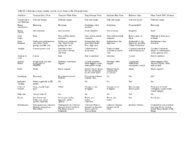
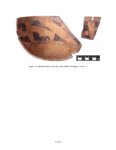
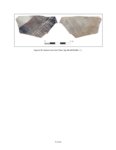
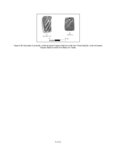
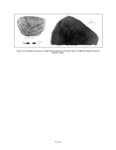
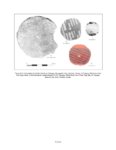
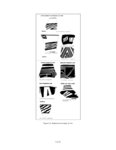
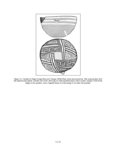
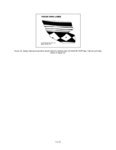
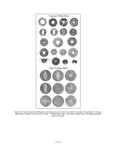
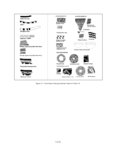
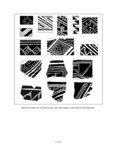
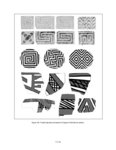
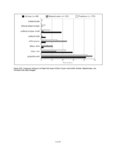
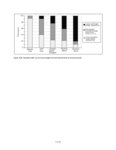
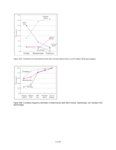
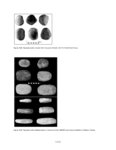
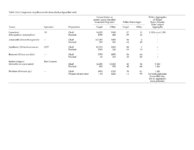
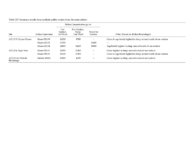
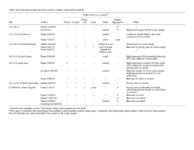
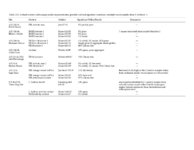
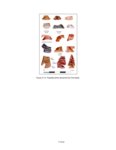
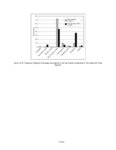
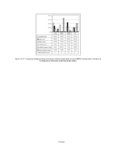
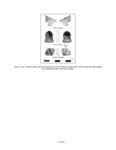
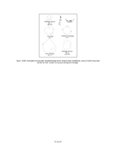
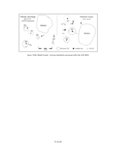
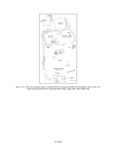
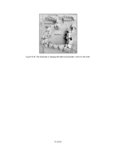
Show design motifs and framing conventions, and include features derived from textiles and coiled basketry. We also noted an increase in undecorated or minimally decorated Tsegi Orange Ware in the Pueblo III period, especially late PIII, at about the same time that more labor-intensive whiteline polychromes appear. Ideology, rather than technofunction, probably accounts for differences between whiteware and orangeware bowls, especially during the early to middle Pueblo III periods. We concur with Beals, Brainerd, and Smith that textile-based painted styles on Pueblo III Tusayan White Ware pottery might have begun as an innovation in the Flagstaff area, inasmuch as loom-woven cotton textiles may have arrived in the Puebloan area from the Verde Valley and Hohokam area by that route. While Sosi and Dogoszhi styles echo many features of plaited sifter baskets, many Sosi vessels prefigure the more intricate two-dimensional patterns of Flagstaff Black-on-white. Flagstaff style closely resembles cotton textiles from the Verde Valley and central Arizona, petroglyphs in the Sinagua area, some Hohokam red-on-buff pottery, and petroglyphs found as far south as Sonora and Chihuahua. Middle to late Pueblo III black-on-white styles (late Flagstaff, Tusayan, and Kayenta Black-on-whites) most closely resemble loom-woven cotton blankets with painted decoration, and tie-dye, diamond twill, and possibly brocade fabrics, all of which occur in contemporaneous contexts in the Kayenta region. Late Pueblo III types such as Kiet Siel Black-on-red and Polychrome seem to reflect a hybrid tradition of local features from whiteware and orangeware styles, innovations, and possible import of a very few Mesa Verde area characteristics, such as the occasional use of thick-thin framing lines. Overall, the Kayenta ceramic tradition remained relatively conservative, and does not seem to reflect in-migration of many potters from the Mesa Verde core area itself. Closer relationships with the western Mesa Verde area, in southeastern Utah, are more plausible, at least for the late Pueblo III period, because more western than eastern Mesa Verde ceramics were identified in the N16 assemblage, and locally produced whiteware pottery resembles western Mesa Verde products more than it resembles Tusayan White Ware. This combination of small amounts of imported pottery and local copies suggests smallscale migration rather than regular trade routes. V.3.12 |