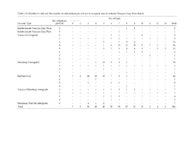
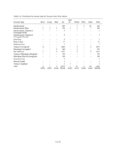
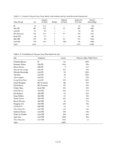
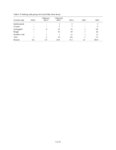
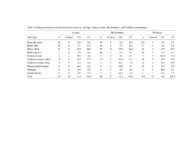
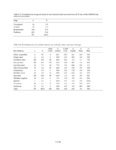
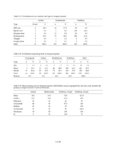
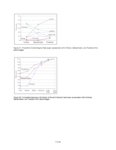
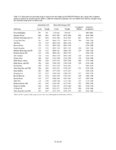
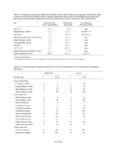
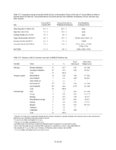
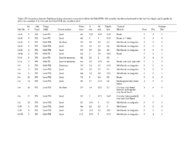
| OCR Text |
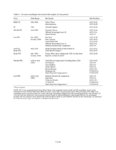
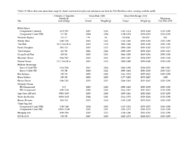
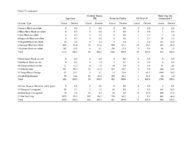
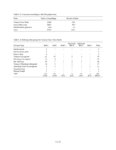
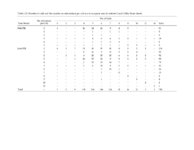
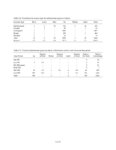
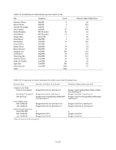
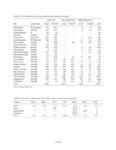
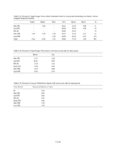
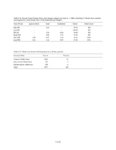
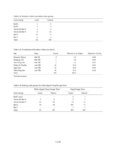
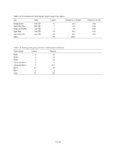
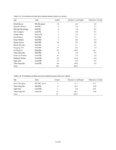
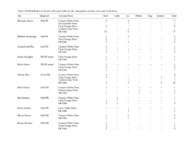
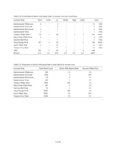
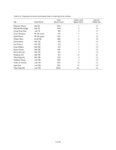
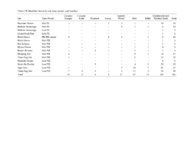
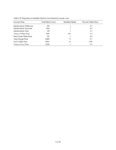
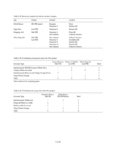
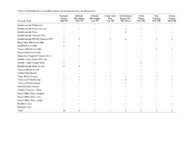
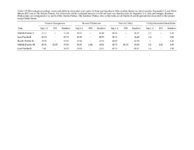
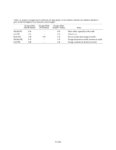
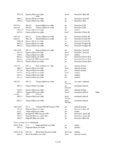
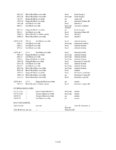
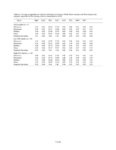
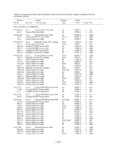
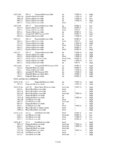
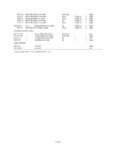
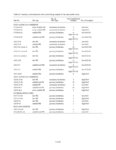
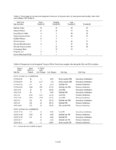
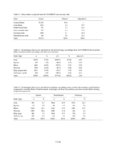
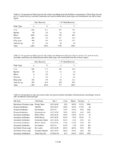
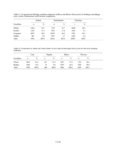
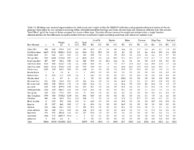
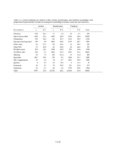
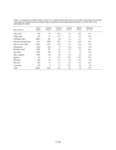
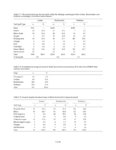
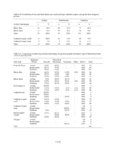
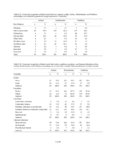
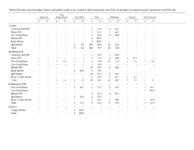
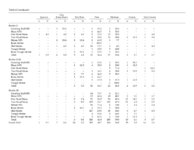
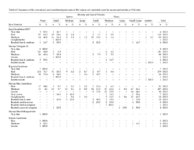
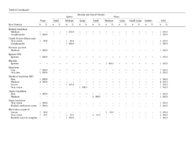
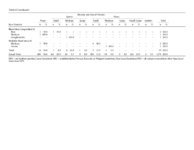
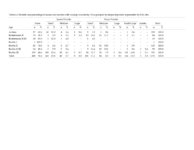
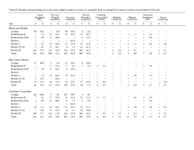
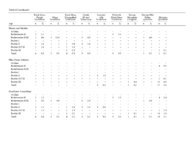
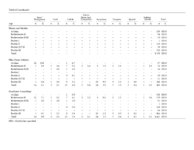
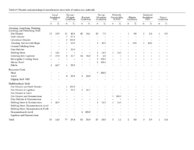
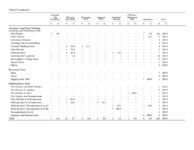
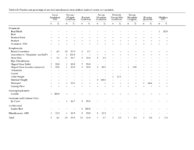
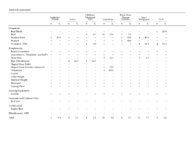
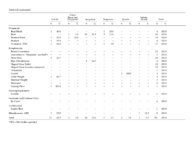
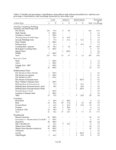
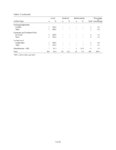
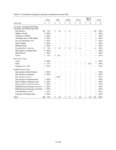
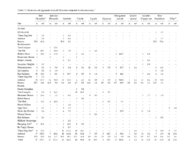
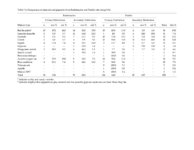
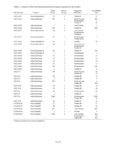
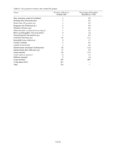
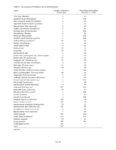
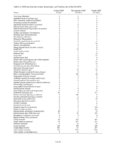
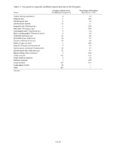
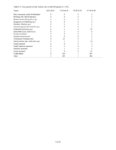
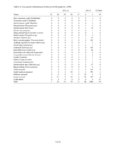
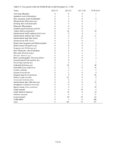
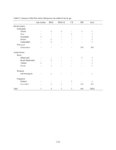
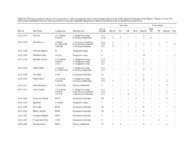
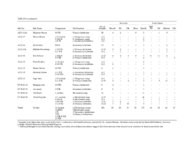
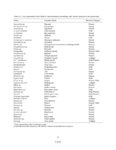
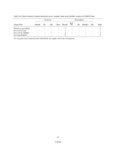
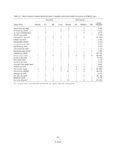
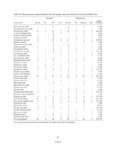
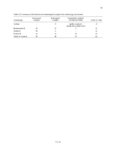
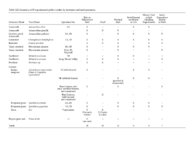
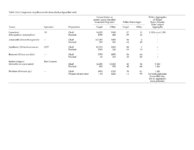
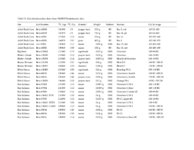
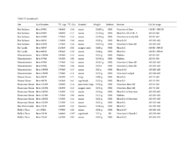
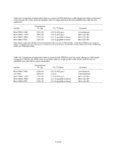
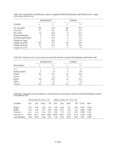
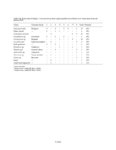
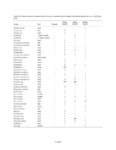
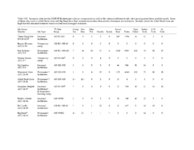
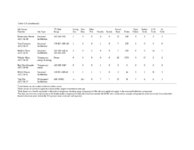
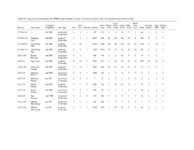
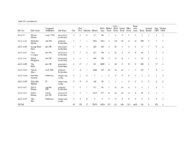
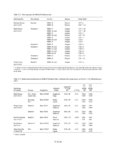
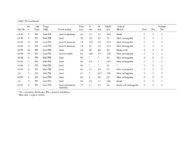
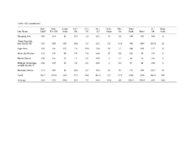
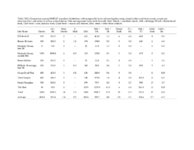
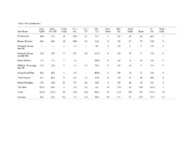
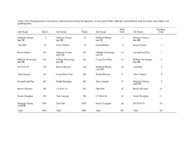
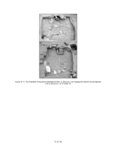
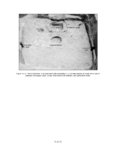
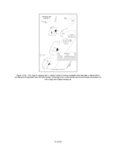
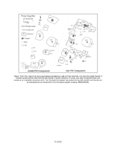
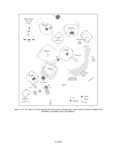
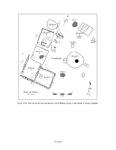
Show collecting floral resources, particularly if certain important plants were not readily available within the foraging radius of the primary habitation. This is typical for plants such as ricegrass, which flourish on lower elevation sandy benches of the Glen Canyon lowlands well away from the primary residential sites of most Basketmaker and Puebloan farmers. Had Archaic foragers wanted to exploit such resources they would have established a residential base in the grass harvesting area, which is perhaps partly why Dust Devil Cave, located as it is in a shrub grassland, was so heavily used during the early Archaic. Such considerations aside, the limited abundance and diversity of remains recovered from some Archaic sites is such that classifying them as residential bases seems a far stretch. Take for example the site known as Polly's Place, where an early Archaic component was found buried below a Basketmaker II seasonal habitation. Excavation of almost 22 sq m exposed 13 basin hearths but the associated remains consisted of just six flakes with no grinding tools or flaked stone tools (see Table 13.8). Because of a lack of contemporaneity among some hearth radiocarbon dates and the spatial separation between several of the features, the site likely was occupied on a few different occasions during the early Archaic. Despite reuse, the nature of the occupation each time was such that almost no nonperishable remains were discarded; the principal undertaking involved fires within small, shallow basins. The evidence suggests transient use episodes by early hunter-gatherers that did not require stone tools or did not require them to be maintained or modified. Whether the hearths were used to process or cook certain foods or were merely campfires for heat and light during overnight stays remains unknown. A food processing role seems intuitively likely, but evidence in support of such an interpretation was lacking. With a complete lack of bone and preservation bias unlikely, faunal processing and consumption seems improbable. If plants were processed or cooked, the flotation analysis of hearth fill revealed only a single carbonized Corispermum seed-hardly convincing evidence of subsistence pursuits. Plants such as prickly pear pads, banana yucca fruit, or onion and lily bulbs can be processed without leaving any macrobotanical trace; thus subsistence remains might not necessarily be expected in the features themselves. No matter the case, this site differs vastly in character from the previously discussed residential base and is unlikely to have served such a purpose. The Archaic component of Pee Wee Grande presents another useful example; here excavations revealed a cluster of 11 basin hearths and a small flaked stone assemblage from foragers who occupied the sandy ridge sometime during the first half of the seventh millennium BC. The number of basin hearths within such a small area likely resulted from several sequential short-term use episodes. Use of this site did not result in appreciable amounts of nonperishable artifact deposition, however several nodules of local Navajo chert were brought to the site at one point and reduced by both percussion and pressure flaking into several mainly bifacial tools. The facially flaked tools along with two tabular core chunks were subsequently used on some semi-resistant material such as wood and then discarded along with the debris within a small area. The production and use of the tools may have been incidental to use of the hearths for tasks such as preparing wooden artifacts while waiting for some food to cook. As at Polly's Place, the function of the hearths remains a mystery with flotation samples providing no convincing trace of food processing. The lack of faunal remains from the flotation samples as well as the cultural stratum suggests that animals were not processed. The nature of the assemblage appears consistent with a foraging group local to the Rainbow or Shonto Plateaus-a group that made do with the best siliceous stone immediately at hand for an expedient task. While this site has more remains than Polly's Place and greater diversity, including tools and cores, it still seems appreciably different from the sites classified as residential bases. But the assumption that contrasting settlement roles is what underlies the distinctions need not be true. Instead there could be involved such factors as the size of the occupying social group (one family vs. many), the composition of the social group (part of the family vs. the entire family), the length of stay (2 nights vs. 2 weeks), the frequency of site reoccupancy (none vs. many), or some combination thereof. Consequently, although the separation of sites into the categories of residential and processing might monitor differences in the archaeological record, these differences may not relate to whether or not a site was used residentially (Geib et al. 2001:332-335, 367-368 discuss this issue with regard to Archaic residential bases and processing camps on the Kaiparowits Plateau). Consider the record from Dune Hollow, which was classified as an early Archaic processing camp because of the comparative scarceness of remains-two small basin hearths and a small assemblage of bone (n = 40) and stone artifacts (16 flakes and 2 tiny grinding slab fragments) all within an excavation area of 9 sq m. The Dune Hollow artifact assemblage lacks facially flaked stone tools and used flakes. The sparse flake waste is mainly derived from cores or nodular core tools and not from bifacially flaked tools, as at many early Archaic lithic assemblages that seem oriented towards hunting and were found associated with large mammal bone. The meager faunal remains from Dune Hollow did not include large V.13.40 |