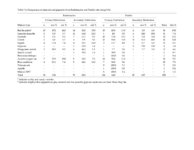
| OCR Text |
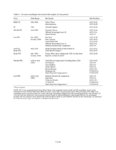
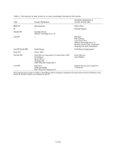
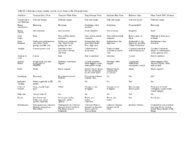
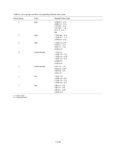
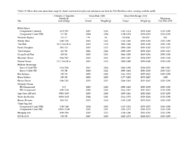
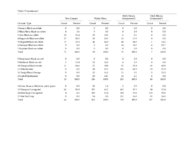
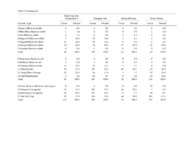
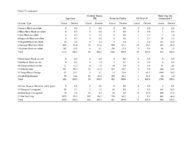
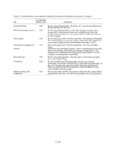
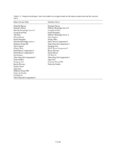
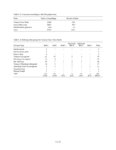
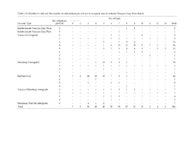
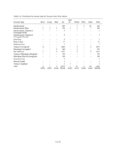
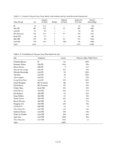
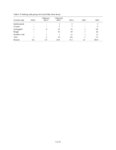
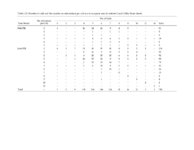
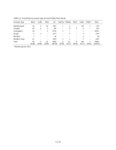
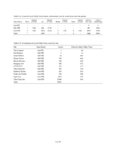
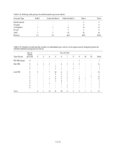
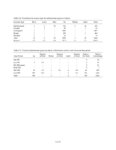
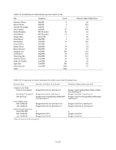
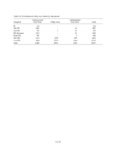
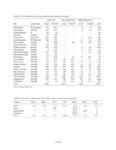
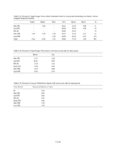
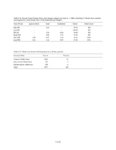
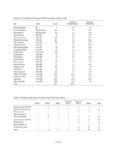
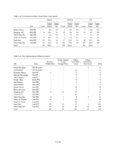
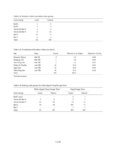
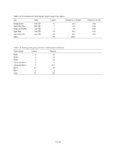
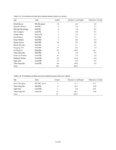
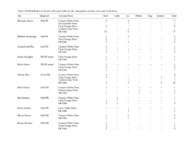
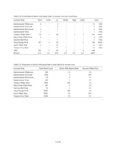
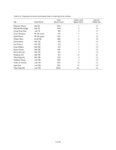
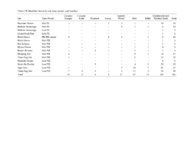
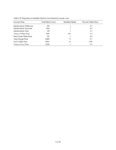
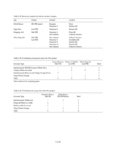
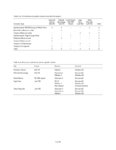
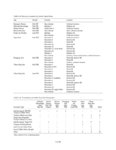
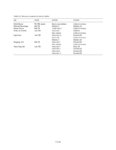
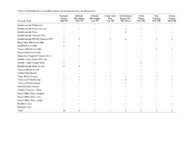
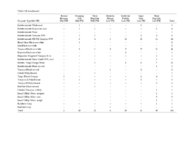
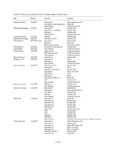
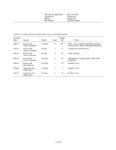
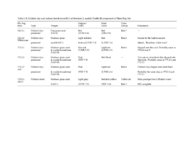
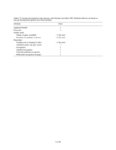
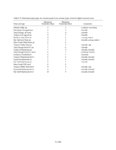
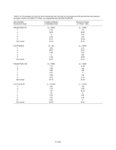
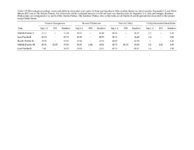
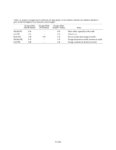
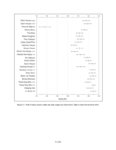
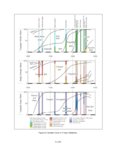
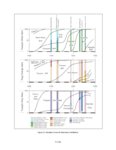
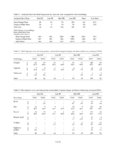
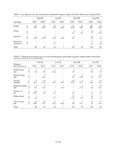
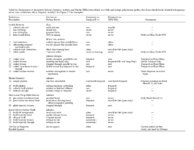
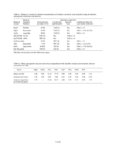
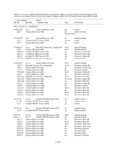
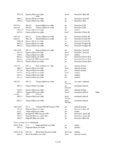
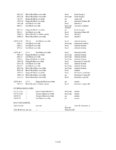
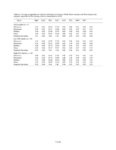
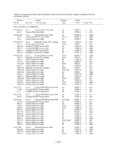
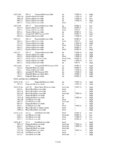
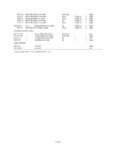
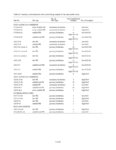
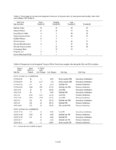
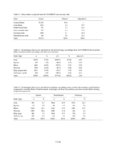
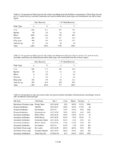
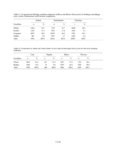
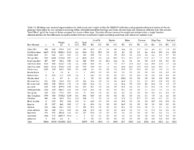
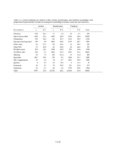
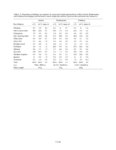
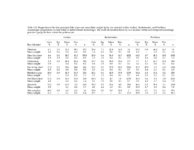
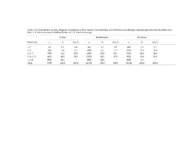
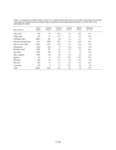
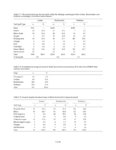
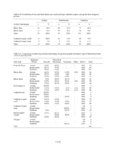
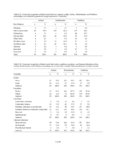
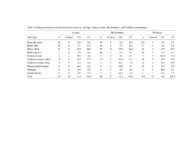
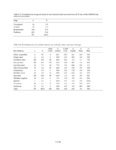
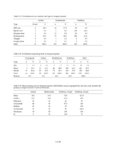
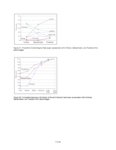
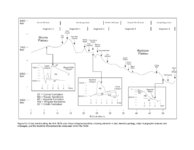
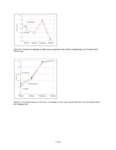
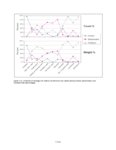
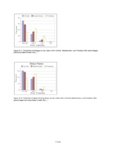
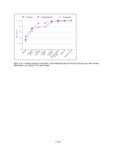
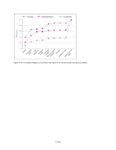
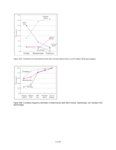
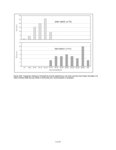
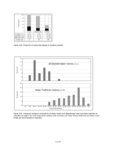
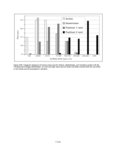
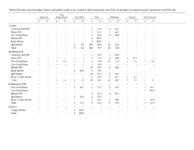
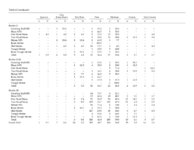
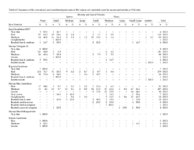
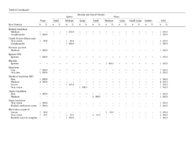
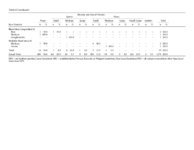
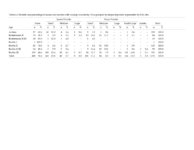
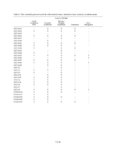
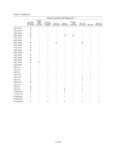
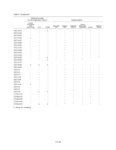
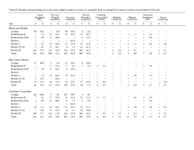
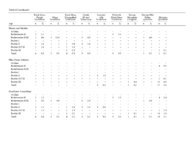
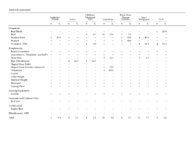
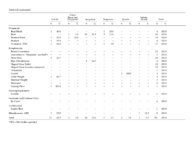
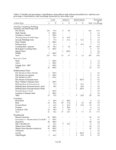
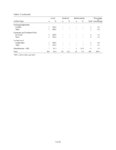
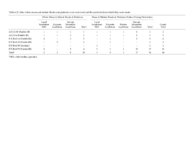
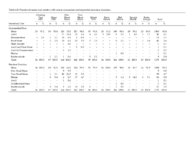
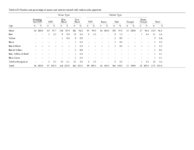
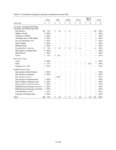
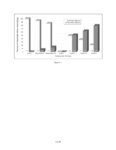
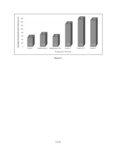
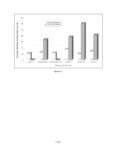
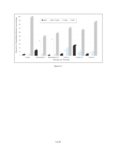
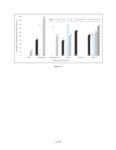
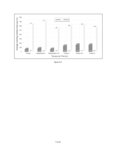
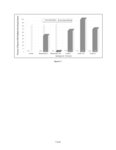
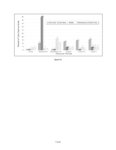
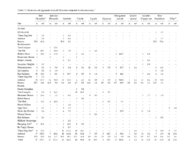
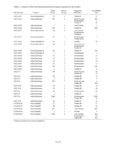
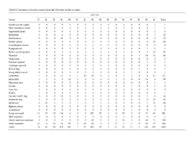
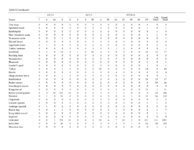
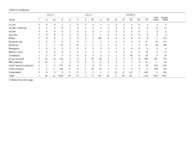
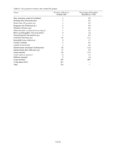
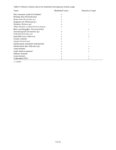
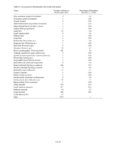
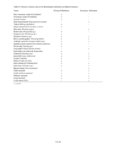
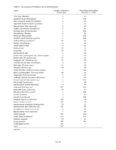
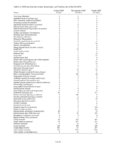
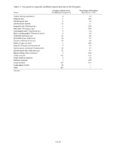
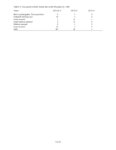
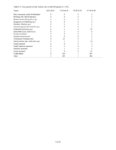
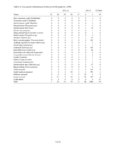
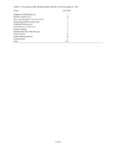
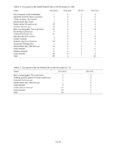
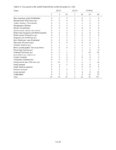
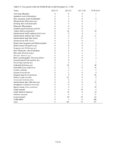
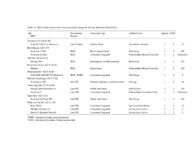
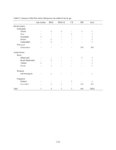
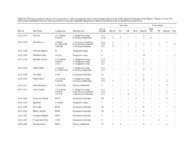
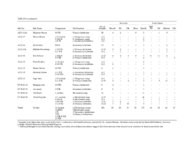
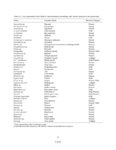
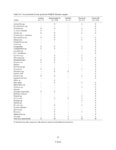
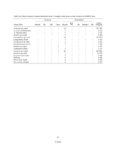
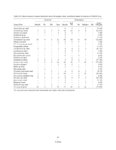
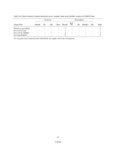
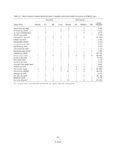
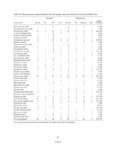
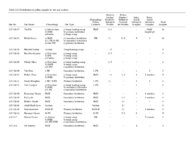
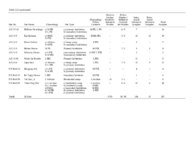
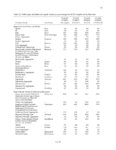
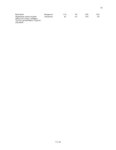
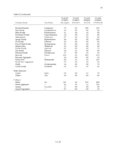
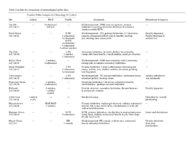
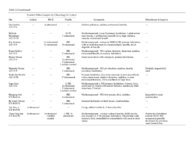
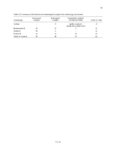
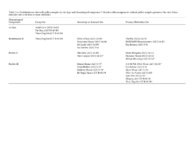
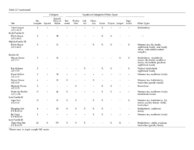
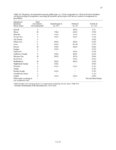
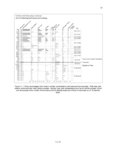
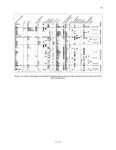
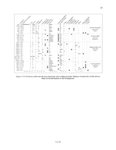
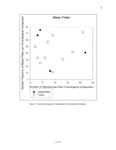
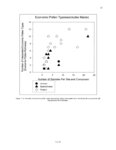
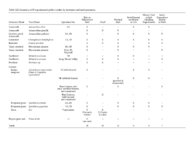
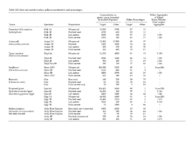
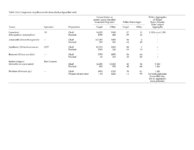
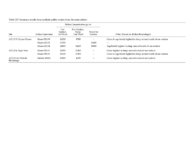
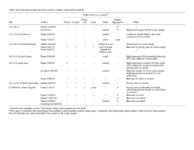
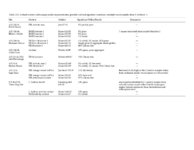
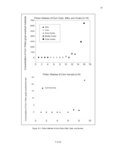
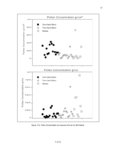
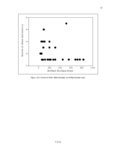
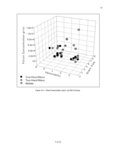
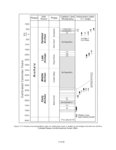
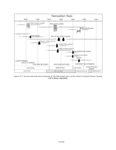
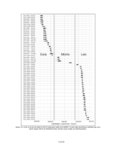
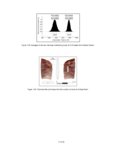
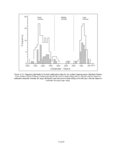
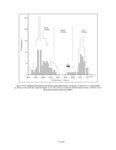
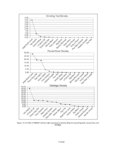
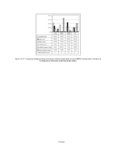
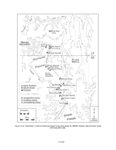
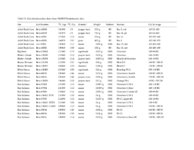
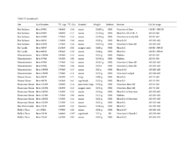
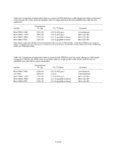
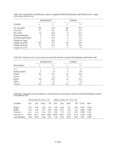
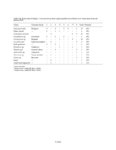
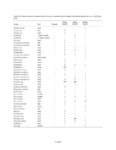
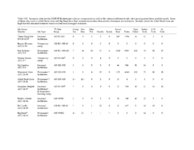
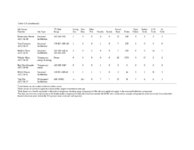
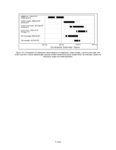
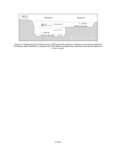
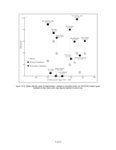
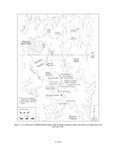
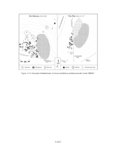
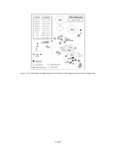
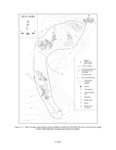
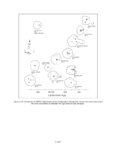
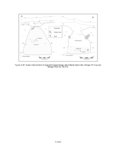
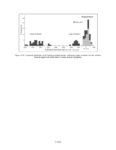
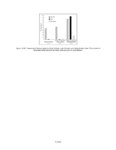
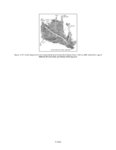
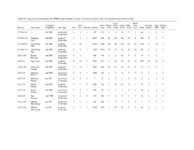
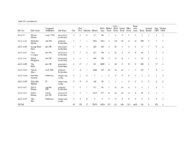
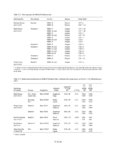
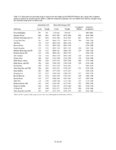
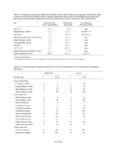
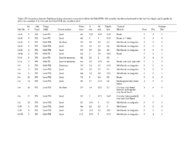
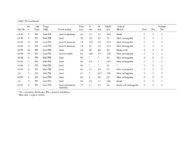
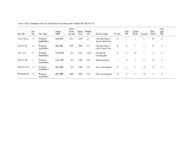
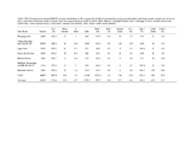
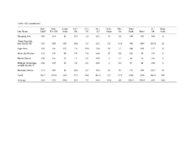
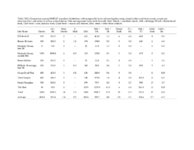
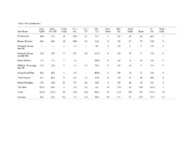
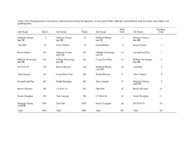
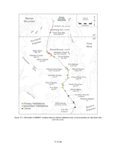
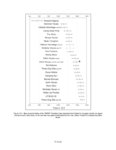
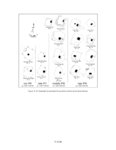
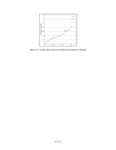
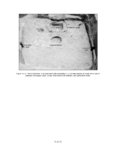
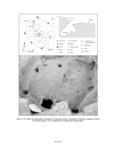
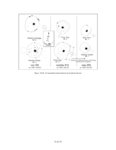
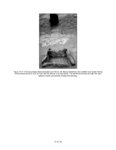
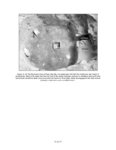
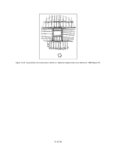
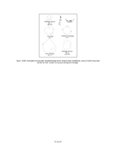
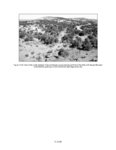
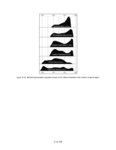
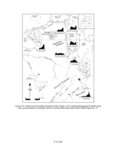
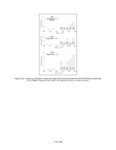
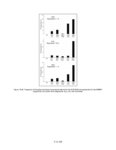
Show 7 beeweed, an important ethnobotanical plant and field weed (Adams et al. 2002). This site is described by Geib (Volume II, Chapter 16), and although the predominant artifact assemblage is Late Archaic, the materials occur primarily as a lag deposit exposed by deflation. Tsé Haa_ á is adjacent to one of the more prominent drainages in the area that flows after every significant storm. There is a perennial plunge pool in this drainage near the site, and Sand Dune Cave (Lindsey et al. 1968) is about 2 km upstream where abundant Basketmaker maize macro remains were recovered (Cutler 1968). Several Pueblo sites surround Tsé Haa_ á and maize was undoubtedly farmed in the drainage during the Pueblo period. In fact, 15 of the 21 pollen samples analyzed from the Late Pueblo III component at Three Dog Site (UT:B:63:39), which is just north of Tsé Haa_ á, produced maize pollen at the maximum frequencies of all 287 N16 project samples. The geomorphology at Tsé Haa_ á is a result of active eolian processes and it is probable that maize pollen from the long history of farming in this locale has become mixed into the older layers through periods of deflation and re-deposition. ARCHAEOLOGICAL RESULTS There are several issues to consider for the archaeological pollen data. First, pollen records become blurred in multicomponent sites, and 14 of the 28 sites sampled for pollen had evidence of multiple periods of human use or occupation (Table 11.1). The different ecosystems crossed by the ROW were surely utilized differently and in different time periods; resource-rich zones were repeatedly visited, settled, and abandoned. The concept of "site" as a stand-alone unit is an artificial construct. There are clear individual habitations and camps in the N16 project ROW, but generally the pattern is a constellation of houses and features concentrated in certain areas. For example, in the sagebrush flats between Dune Hollow (AZ-J-2-2) and Bonsai Bivouac (AZ-J-2-55), a distance of approximately 5 km, there are several sites that probably functioned as a community. The largest primary habitation sites along this stretch were the late Pueblo III Sapo Seco (AZ-J-2-6) and Water Jar Pueblo (AZ-J-2-58), which were only 150 m apart, and within 2 km of Gray House, a large Pueblo farming site that was outside the ROW. Another dispersed Pueblo III community was around the Sand Dune cave region at the north end of the road-Three Dog Site (UT B-63-39), Hanging Ash (UT-B-63-14), and Bú Tugly House (UT B-63-19) were all within approximately 4 km. Physical process is another topic that must be considered in examining pollen data. Pollen grains are dust-sized particles batted about by an envelope of environmental conditions and human activities. Each type of feature (middens, hearths, structures, activity areas, etc.) contains a unique natural and cultural history of pollen deposition that reflects the dynamics between pollen, processes within substrates, and human activities. It is not valid to directly compare the pollen spectra from different types of contexts or sites (e.g. camp sites to villages, extramural storage pits from an activity area to interior storage pits in a kiva), because the suite of natural and cultural factors acting on pollen will affect the composition of the assemblages. Differential preservation in pollen types and at sites is another factor. Several of the sites in the N16 project ROW were impacted from road construction, eolian processes, and other activities. Based on the analysis of analogs and sediment profiles (see Environmental Pollen section and Figure 11.1), there is a natural trend for enriched Cheno-Am abundance in buried pollen assemblages in the N16 project area, as well as an environmental Cheno-Am gradient. These patterns complicate the evaluation of trends in weed pollen that might relate to agriculture or disturbed soils around sites. The data set selected to examine patterns consists of 161 samples from 24 sites and 28 components (Table 11.4)-160 bulk sediment samples and 1 metate pollen wash from Atlatl Cave (AZ-J-14-41). The metate wash from Atlatl Cave was included because it is the only sample from this important Archaic site. Samples excluded from this discussion (9 modern surface, 33 profile samples, and 57 pollen washes) are covered in the Environmental Pollen section and in Chapter 12. Twenty-seven sterile samples from 8 sites were also excluded; however, most of these (13) are from Pueblo III contexts at Ditch House (AZ-J14-21). The poor pollen recovery at Ditch House could be a result of burning at the site, as all of the houses appeared to have burned very hot (see Chapter 4 of Volume IV) The data from the archaeological samples are presented in two figures (Figures 11.2 and 11.3) and summary tables (Tables 11.4 to 11.8). In Figure 11.2 the data are examined for any patterns or trends that relate to context, and Figure 11.3 graphs the results for multiple samples from individual structures. In Table 11.7, chronological components are separated by site, and significant pollen types are summarized. Patterns by Context The pollen data were examined for any associations between pollen types and specific contexts, regardless of time or space. Pollen associations with contexts can signal processing techniques-for example, layering materials in pits or specialized loci in structures. Adequate samples to resolve patterns V.1.7 |