| OCR Text |
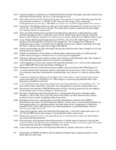
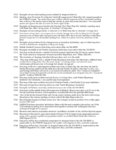
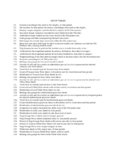
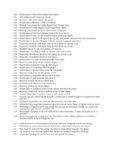
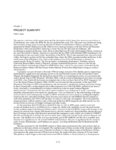
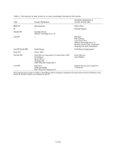
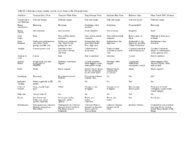
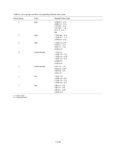
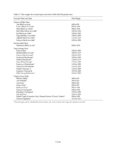
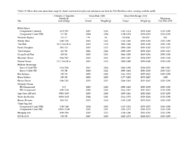
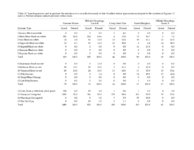
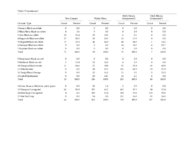
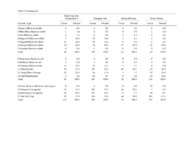
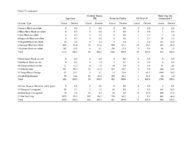
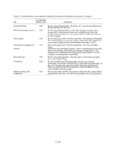
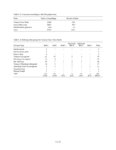
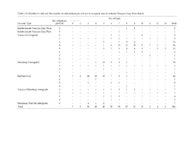
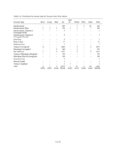
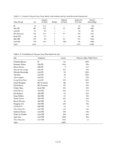
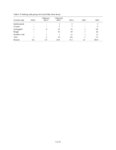
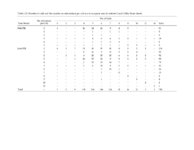
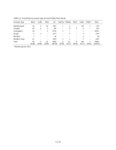
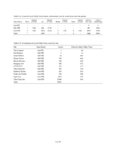
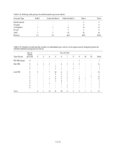
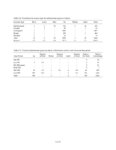
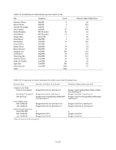
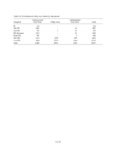
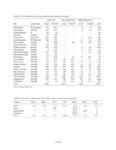
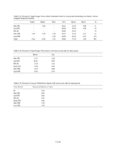
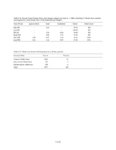
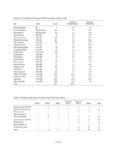
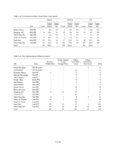
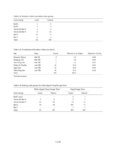
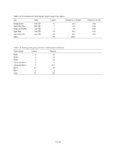
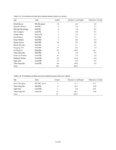
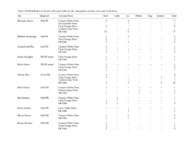
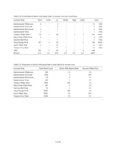
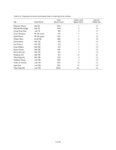
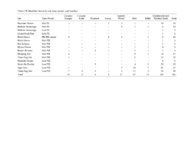
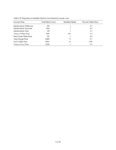
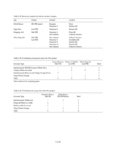
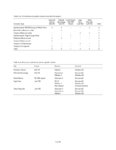
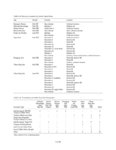
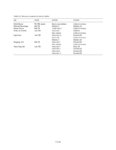
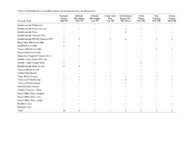
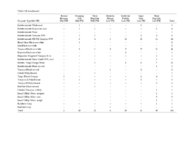
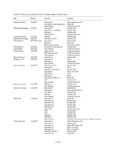
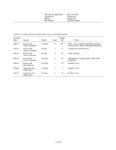
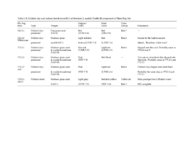
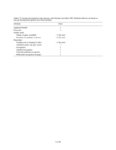
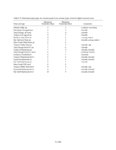
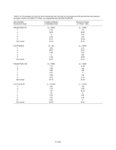
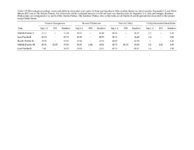
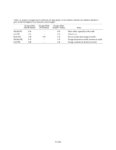
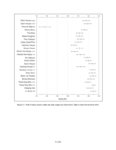
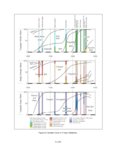
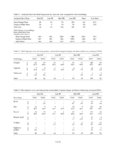
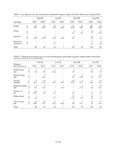
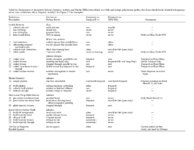
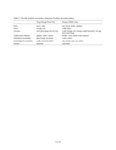
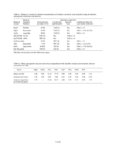
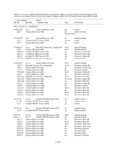
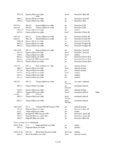
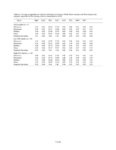
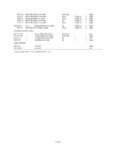
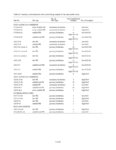
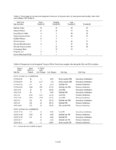
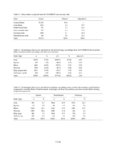
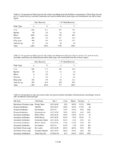
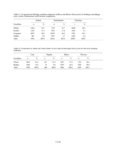
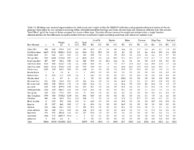
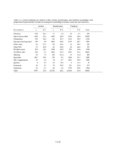
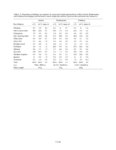
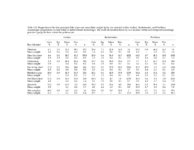
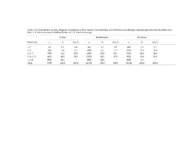
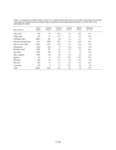
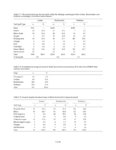
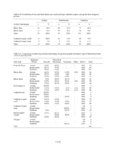
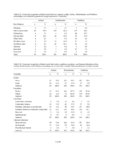
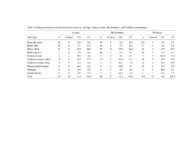
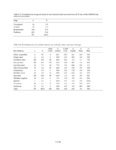
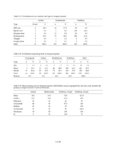
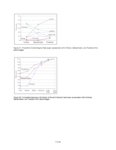
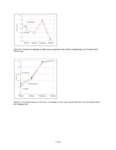
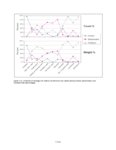
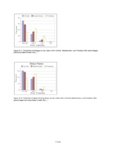
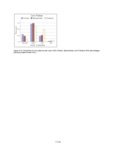
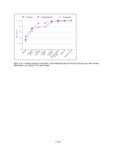
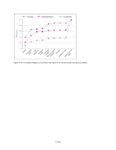
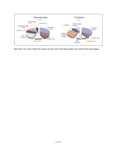
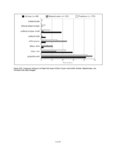
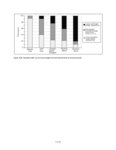
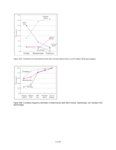
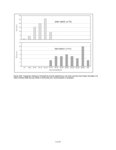
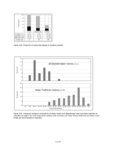
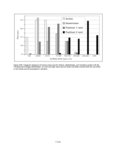
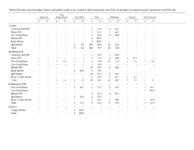
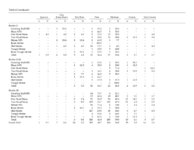
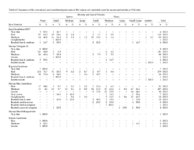
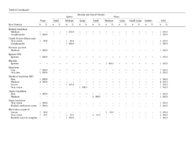
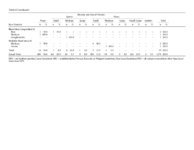
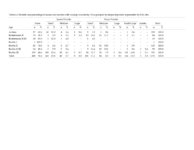
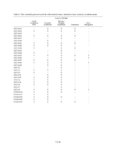
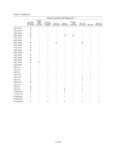
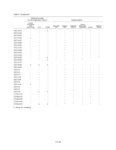
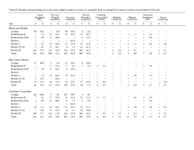
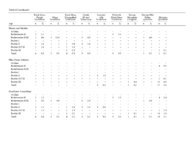
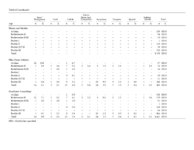
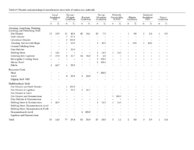
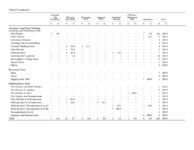
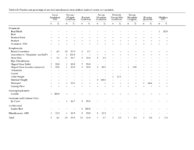
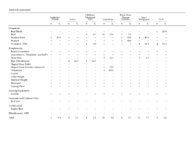
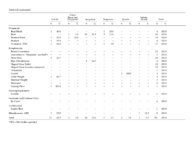
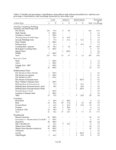
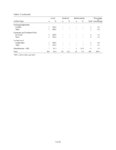
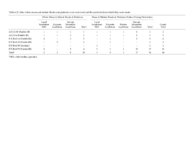
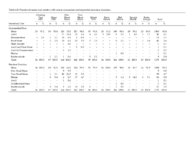
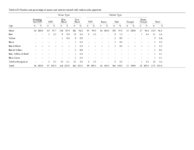
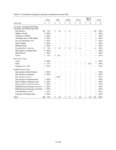
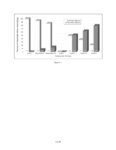
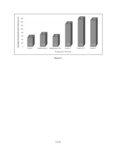
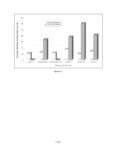
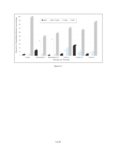
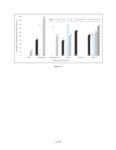
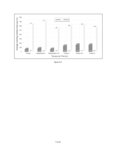
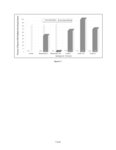
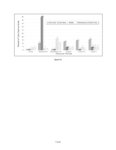
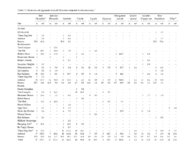
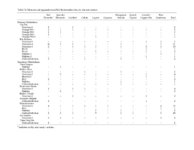
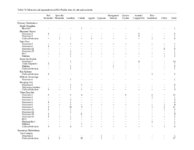
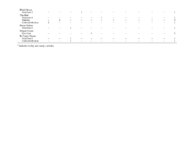
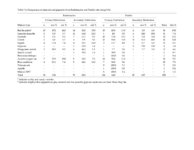
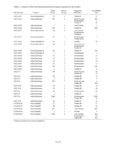
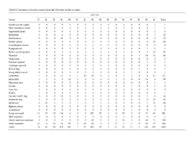
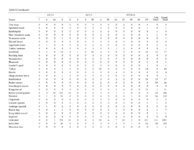
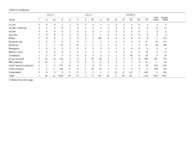
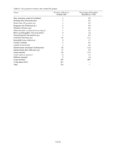
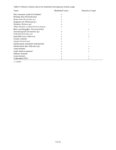
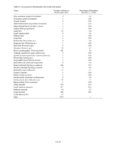
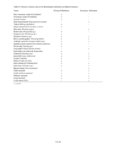
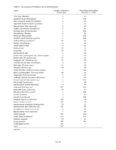
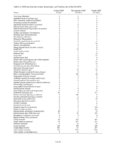
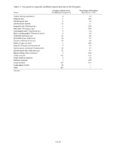
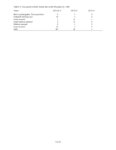
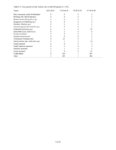
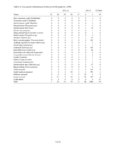
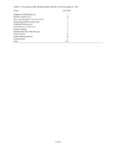
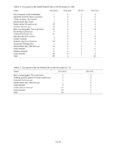
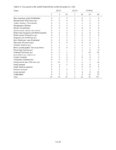
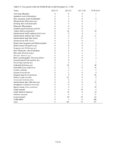
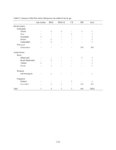
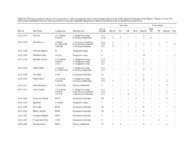
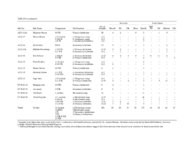
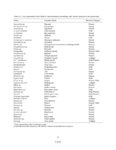
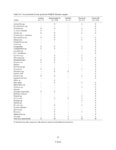
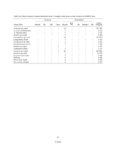
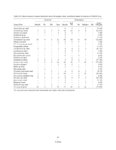
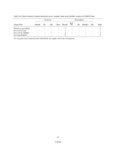
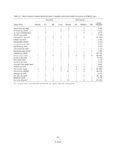
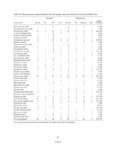
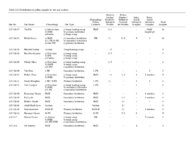
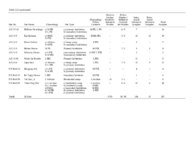
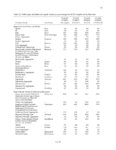
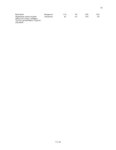
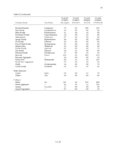
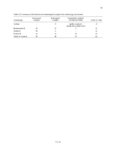
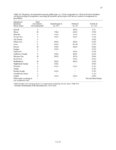
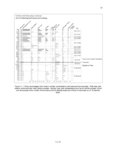
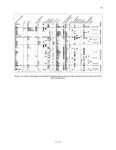
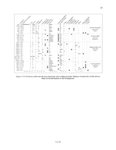
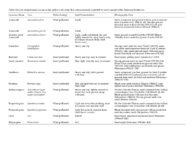
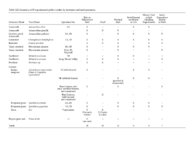
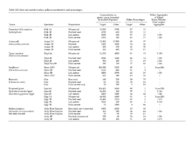
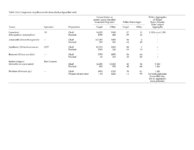
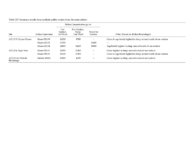
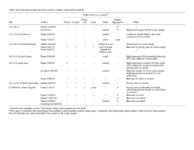
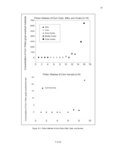
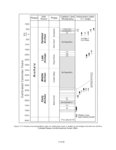
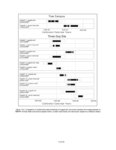
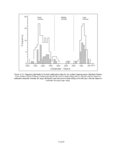
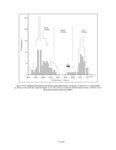
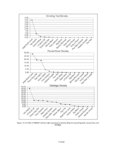
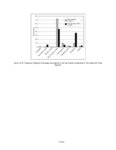
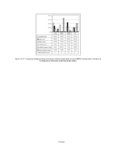
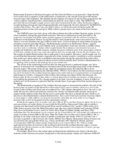
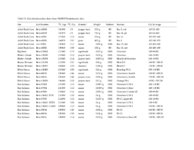
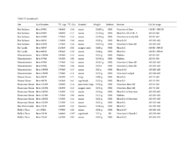
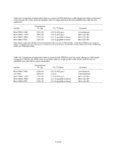
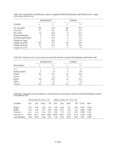
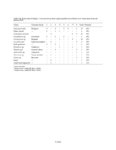
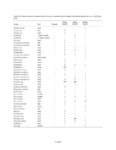
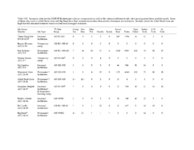
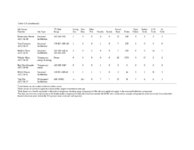
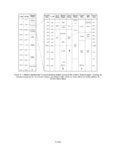
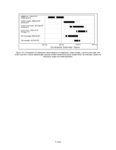
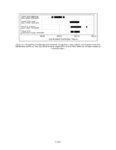
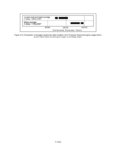
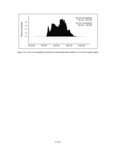
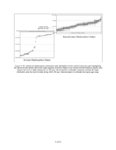
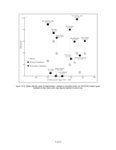
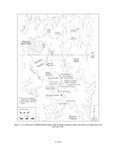
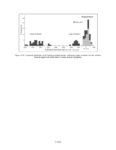
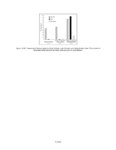
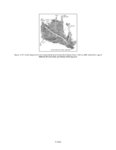
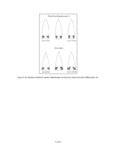
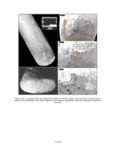
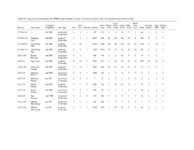
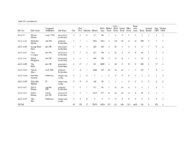
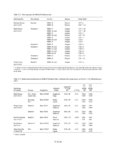
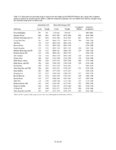
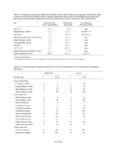
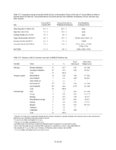
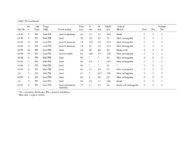
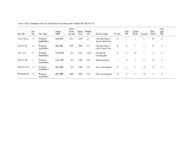
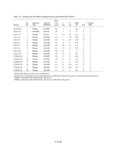
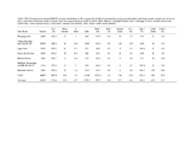
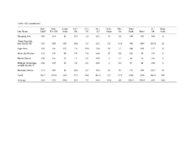
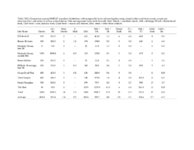
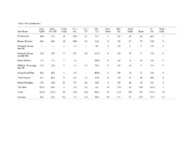
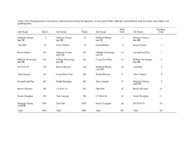
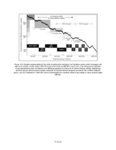
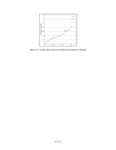
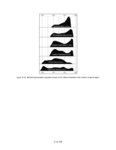
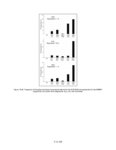
Show reduced exclusively by simple core reduction. These materials are so coarse that they were used almost exclusively for heavy-duty core/nodular tools. At the other extreme is obsidian, which is present in the assemblage as biface thinning flakes and especially as pressure flakes, most of which are also likely derived from bifaces. The difference in reduction strategy between these coarse, intractable materials and the volcanic glass is hinted at by the ratio of count percent to weight percent, which for obsidian is the highest of all materials at 11.4, with silicified conglomerate and limestone having equally low values of 0.2. High values result from relatively numerous small flakes, which in this assemblage are primarily derived from late-stage biface reduction and pressure flaking, whereas low values result from heavy flakes that are mainly the result of unpatterned core reduction. Examining raw material use is far more informative when the overall assemblage is separated into temporal periods (see below). Temporal Patterns Differential uses of raw materials during the three broad temporal periods are demonstrated by the data in Tables 5.9-5.11. The representation of debitage raw material by count is presented in Table 5.10 with row percents calculated to highlight raw material preferences between periods. Some raw material classes have been collapsed to simplify presentation, such as the color varieties of Glen Canyon chert and the two texture varieties of petrified wood; chert varieties with low counts were also grouped. There are some significant temporal differences in resource exploitation, which Figure 5.10 helps to visualize. In this figure the resources have been organized from the most highly siliceous and finest grained on the left (obsidian) to the least siliceous or coarsest grained on the right (sandstone). This ordering should reflect both functional suitability for various tasks and ease of fracture/reduction. Figure 5.10 also includes proportional representation among temporal periods based on debitage weight, which provides a useful contrast with count representation. Residential Mobility and Raw Material Use One of the most striking and significant differences among temporal periods is with the use of obsidian. Fully 96 percent of all obsidian flakes recovered by the project came from Archaic sites, and at some of these obsidian accounted for up to 54 percent of all debitage (see discussion in Chapter 13 of this volume). This extremely high proportion relative to the other periods occurs despite the Archaic assemblage containing less than half the flakes of the Basketmaker and Puebloan assemblages. If obsidian had been exploited in simple proportion to the size of each temporal assemblage, then the Basketmaker and Puebloan assemblages each should have contained several hundred obsidian flakes rather than the dozen or so that were present. The most likely explanation for this pattern is the vast change in the degree of residential mobility that occurred following the introduction of domesticates. The proportion of obsidian at several of the Archaic sites is indicative of direct procurement rather than exchange, which means that some foragers were moving on at least an annual basis at a spatial scale that included both the Government Mountain obsidian source of north-central Arizona and the high divide between the Rainbow and Shonto Plateaus, a linear distance of some 190 km. This extent of ranging behavior is probably the rule rather than the exception for Archaic foragers on the Colorado Plateau. Indeed, if it were somehow exceptional it is highly unlikely that the N16 excavations would have encountered several Archaic sites with abundant obsidian. Concomitant with high residential mobility comes a concern with weight-how many kilograms can someone reasonable carry?-which has a great deal to do with both the scale of movement and the frequency of moves. This is reflected in the average weight for flakes in the Archaic assemblage which is less than for flakes of the Basketmaker and Puebloan assemblages, as shown at the bottom of Table 5.11 for all flakes overall and by certain flake types in Table 5.12. As touched upon earlier, there can be significant differences for a material between count and weight representation, principally on account of differences in how each was generally reduced and the tool classes it was selected for. So, for example, the proportion of Glen Canyon chert in the Archaic assemblage declines from 53 percent by count to 27 percent by weight (Table 5.10). This is because this material occurs on Archaic sites almost exclusively as biface thinning and pressure flakes-more than 40 percent for each type of classifiable debitage (Table 5.12). In contrast, Owl Rock chert increases in representation in the Basketmaker assemblage from 42 percent by count to 72 percent by weight. As shown in Table 5.12, the overwhelming majority (69%) of classifiable flakes of this material in the Basketmaker assemblage were from simple core reduction. Core flakes on average are much heavier than biface and pressure flakes, hence the increase in weight representation relative to a material like Glen Canyon chert, which includes a moderate proportion of biface thinning and pressure flakes. The distribution of debitage according to size classes (Table 5.13) shows the preponderance of small debris in the Archaic assemblage when compared with the Puebloan assemblage. Even when excluding V.5.23 |