| OCR Text |
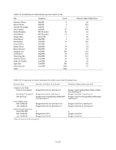
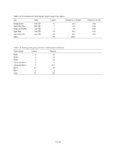
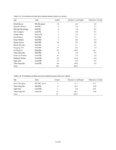
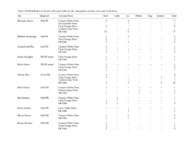
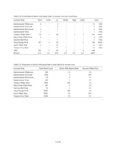
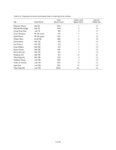
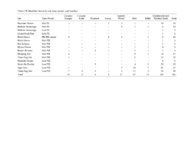
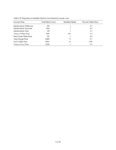
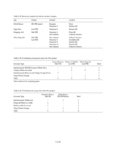
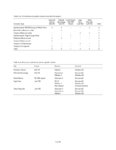
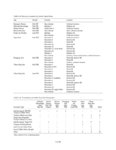
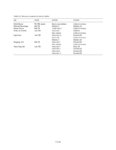
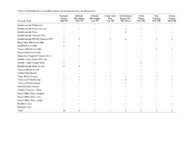
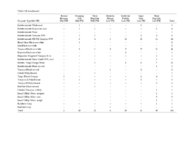
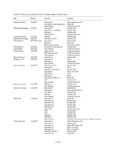
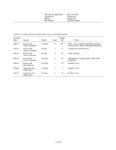
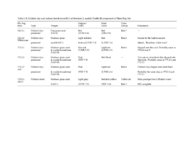
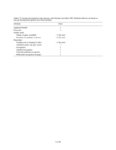
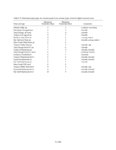
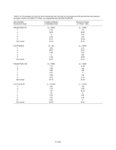
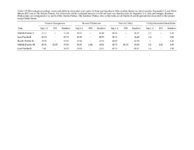
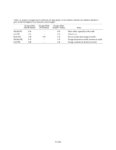
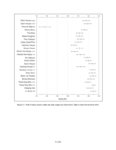
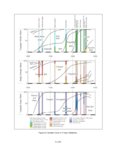
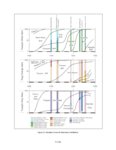
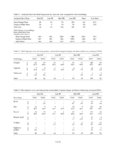
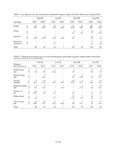
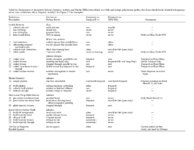
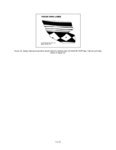
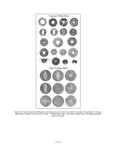
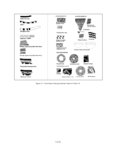
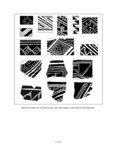
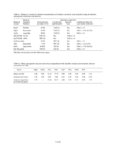
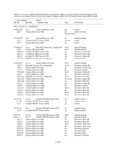
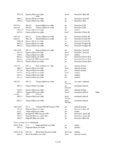
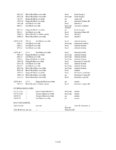
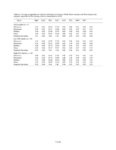
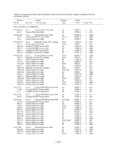
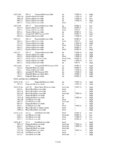
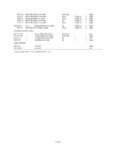
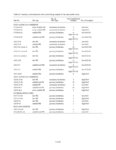
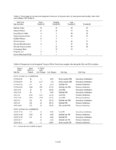
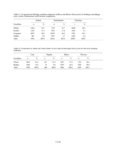
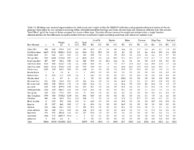
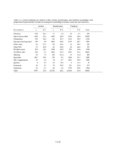
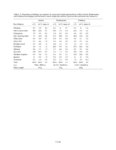
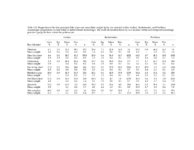
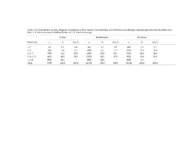
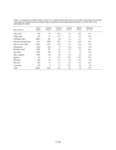
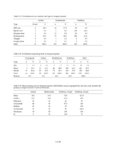
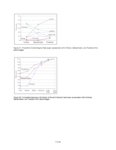
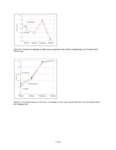
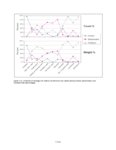
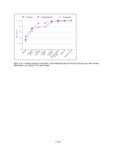
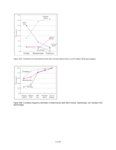
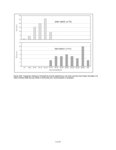
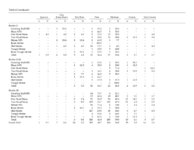
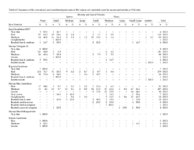
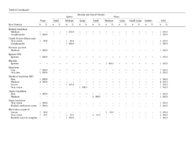
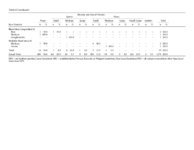
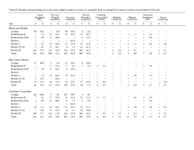
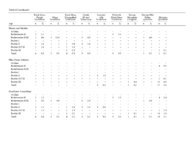
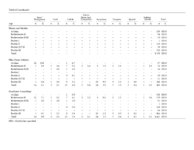
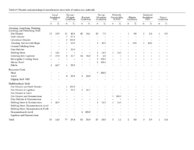
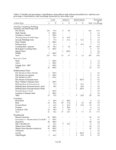
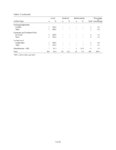
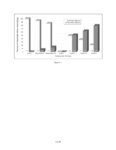
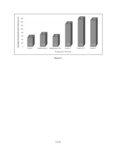
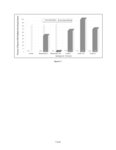
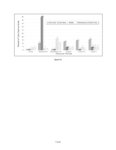
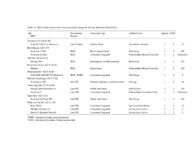
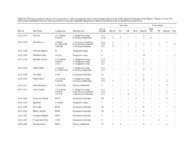
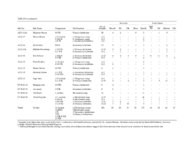
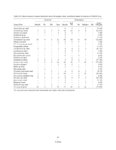
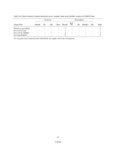
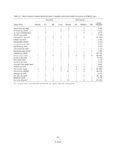
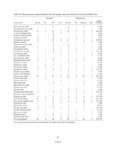
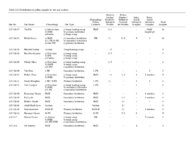
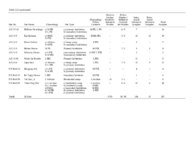
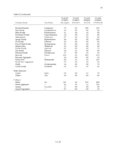
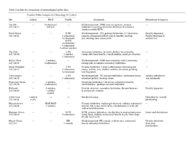
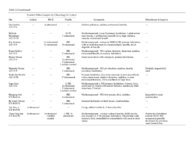
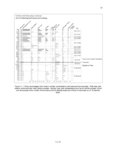
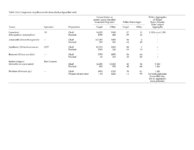
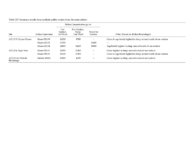
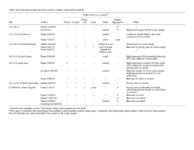
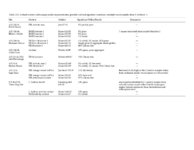
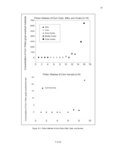
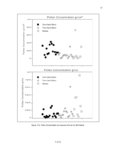
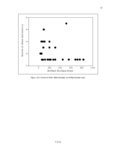
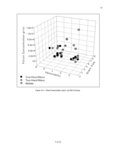
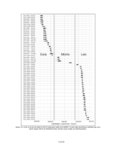
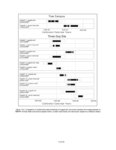
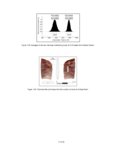
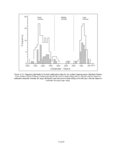
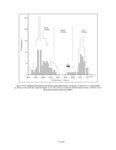
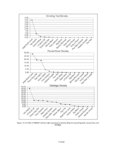
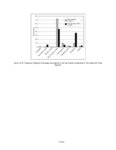
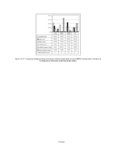
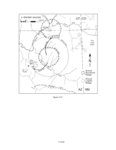
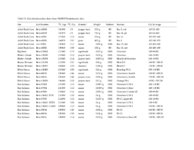
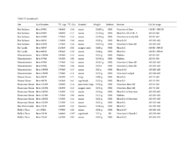
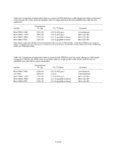
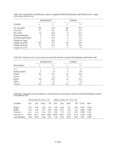
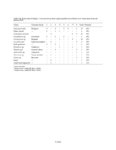
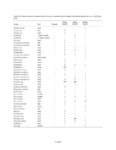
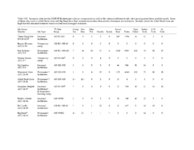
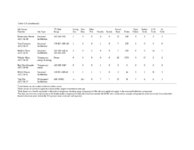
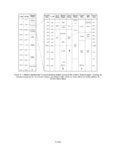
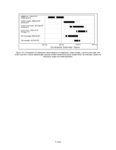
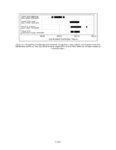
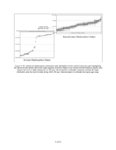
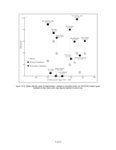
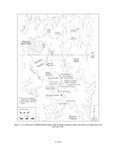
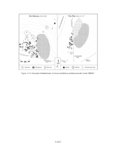
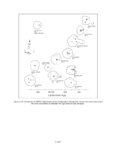
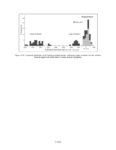
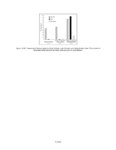
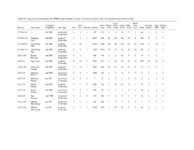
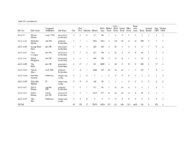
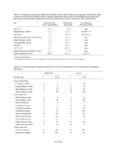
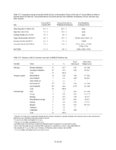
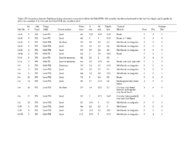
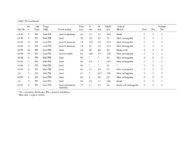
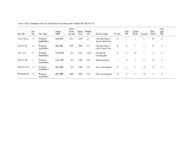
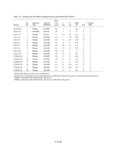
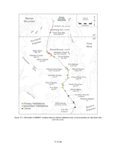
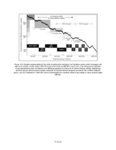
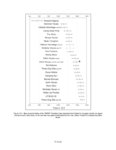
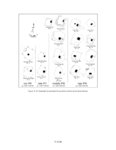
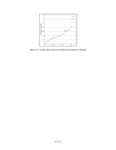
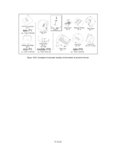
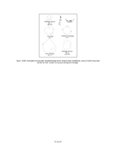
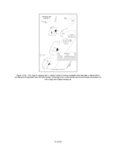
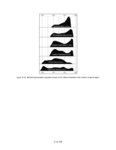
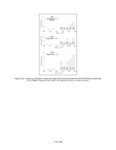
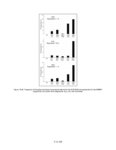
Show Cave), grass seed (n = 1), juniper twigs (annual growth) used as fire starter in a roasting pit (n = 1), and small twigs other than from sagebrush (n = 1). Samples that also appear to be of high quality are pinyon bark (n = 3) and a pinyon cone scale. Two samples from the outer rings of posts in burned structures appear to be lower quality in that the post at one site was roughly 150 radiocarbon years older than dates on associated maize (discussed below). Also evidently of somewhat lower quality are dates on juniper seeds (n = 2). Just 2 of the 75 dates are on hearth charcoal, both from limited-activity sites; other lowquality samples include eight on sagebrush charcoal. The overall assessment is that more than 80 percent of the samples are on materials unlikely to overestimate site age, with less than 15 percent on materials that might overestimate age to a significant degree. Sagebrush vs. Other Materials. As reported in Chapter 13, the dating of sagebrush charcoal and wood charcoal from single features demonstrated that sagebrush commonly resulted in ages that were a few hundred years older than the ages provided by wood charcoal. The Basketmaker II radiocarbon data set provides two examples where sagebrush dates can be checked against those on high-quality materials. One of these is for Ditch House, where there are four radiocarbon dates from three individual features. The dates are plotted in Figure 14.3. One date is on sagebrush from a burned rock concentration, whereas the other three dates are on other remains: maize cupules, a pinyon cone scale, and pinyon bark. The maize and cone scale came from the hearth of Structure 6 and produced similar assays that are statistically the same and can be averaged (2059 ± 33 BP). The spread on the four Ditch House dates extends from just under 400 cal. BC to just over 100 cal. AD; the dates are significantly different (Xi2 = 15.2, 5% = 6.0 [df = 3]). The 2180 BP date from the burned rock concentration appears most at odds, and indeed a test shows that the Structure 6 date average and that for Pit 1 are statistically the same (Xi2 = 3.6, 5% = 3.8 [df = 1]). Given the small size of the Basketmaker component at Ditch House and the presence of only one true living structure, the Basketmaker remains at this location are more likely the residue of a moderately short lived occupation rather than one of several hundred years or a few sequential use episodes. By burning dead sagebrush the assay from the burned rock concentration could easily be 100- 200 years too old. Indeed, as I learned, sagebrush charcoal is often older than wood charcoal from the same hearth. The sagebrush date supports assignment of the burned rock feature to the Basketmaker component, but is not sufficiently accurate to be used as part of the temporal bracket for site occupation. Because the determinations for Structure 6 and Pit 1 are statistically the same, their average of 2019 ± 25 BP provides the best temporal estimate for the Basketmaker component at Ditch House, which has a twosigma range of cal. 100 BC to AD 60. The Basketmaker II component at Three Dog Site is another case where an assay on sagebrush charcoal can be compared against assays on annual plant remains. The initial date for this component consisted of sagebrush charcoal from two overlapping hearths, which returned a date of 2020 ± 40 BP (Beta-135694). The subsequent processing and analysis of two flotation samples from the hearths recovered annual plant remains, including ricegrass seeds and a maize kernel fragment. These two samples returned statistically contemporaneous radiocarbon dates in the 1800s BP (Figure 14.4), with an average of 1830 ± 28 BP-almost 200 years more recent than the previous sagebrush date. With a calibrated two-sigma range of AD 80-320, this mean date places the Basketmaker occupation of Three Dog Site toward the later part of the Basketmaker II sequence for the N16 project area. Juniper Seeds vs. Maize. Two of the NMRAP Basketmaker sites have radiocarbon dates on both maize and juniper seeds, allowing an assessment of age correspondence. Although juniper is not a culturally controlled annual plant, juniper seeds nonetheless represent annual growth, which is a real plus. Moreover, juniper seeds are relatively large and durable; the substantial size means that a single seed or even seed half is more than sufficient for an AMS date, and they are noticeable when excavating and easily recovered when using 1/8" mesh screens. Durability means that carbonized seeds can survive the deleterious effects of wetting and drying, roots, other bioturbation, and the trauma of being unearthed and tossed onto a screen or floated from sediment in water. The one potential problem is that these hard woody items, after falling from a tree, can last for an unknown length of time on the ground surface or buried in a duff layer. Because the seeds are shed annually, their incorporation within the fill of a hearth is likely to result either from burning juniper twigs for fuel or use of the berry for food, and as such, little or no time should separate death of the organism from carbonization. One of the sites with comparative maize and juniper seed dates is Ko' Lahni, a site with numerous hearths and a small midden but no house, although previous disturbance to a portion of the site may have removed a living structure. Excavation produced no high-quality radiocarbon samples, but the flotation analyst recovered maize kernels and juniper seeds from Hearths 6 and 1 respectively. In this case the juniper seed assay is slightly older than the maize date (see Table 14.1), but the 40 radiocarbon year discrepancy is of no consequence because the two dates are statistically the same and can be V.14.9 |