| OCR Text |
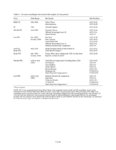
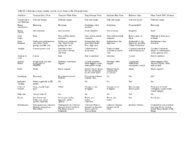
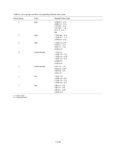
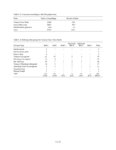
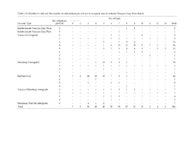
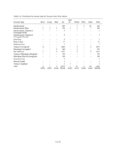
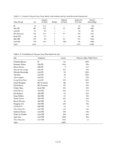
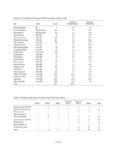
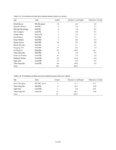
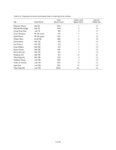
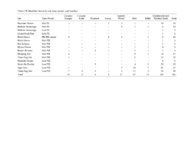
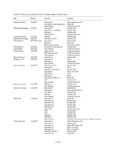
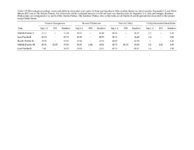
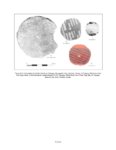
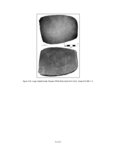
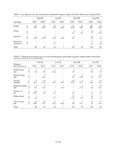
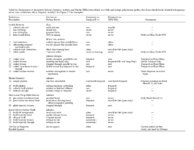
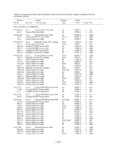
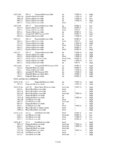
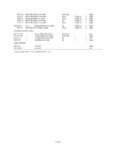
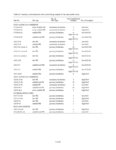
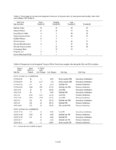
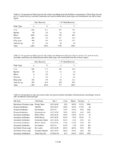
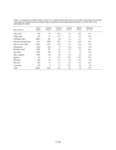
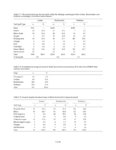
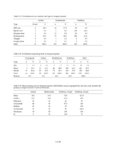
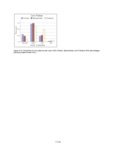
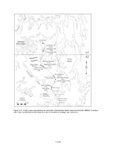
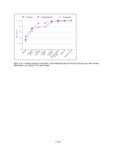
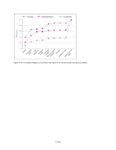
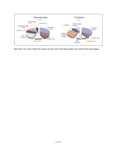
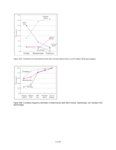
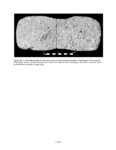
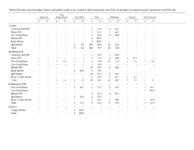
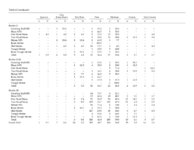
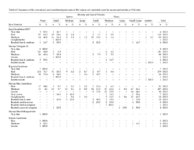
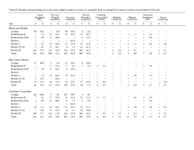
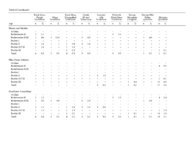
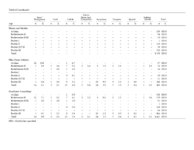
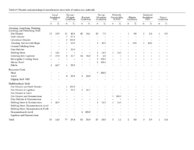
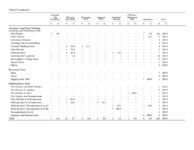
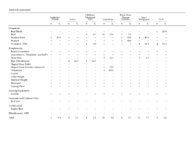
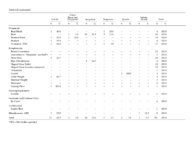
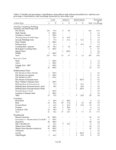
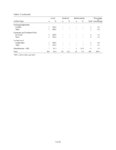
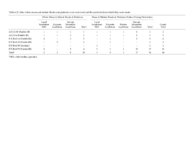
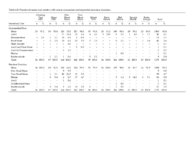
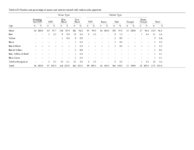
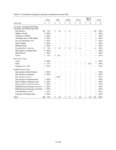
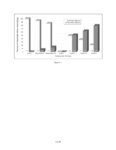
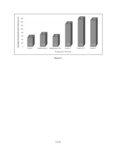
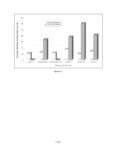
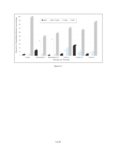
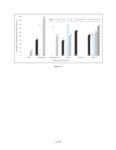
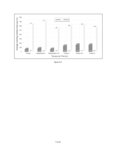
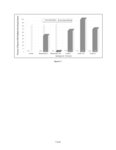
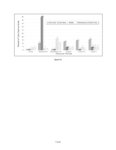
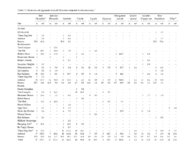
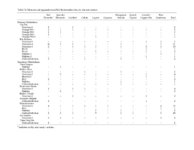
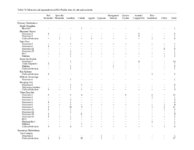
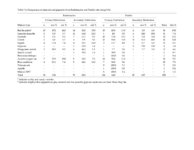
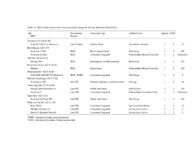
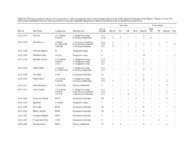
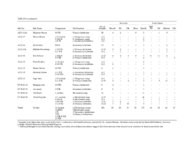
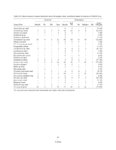
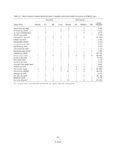
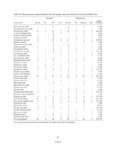
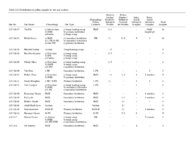
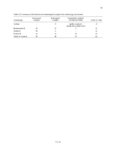
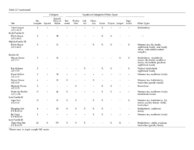
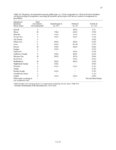
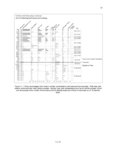
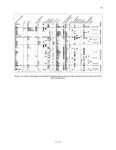
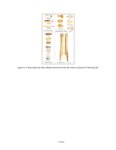
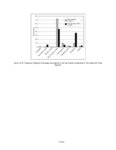
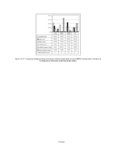
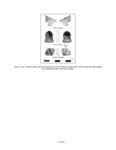
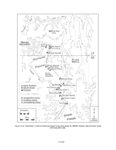
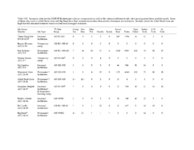
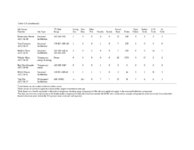
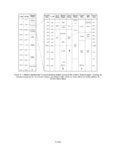
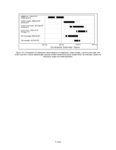
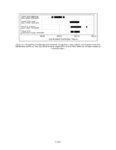
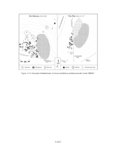
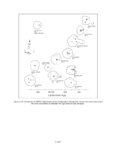
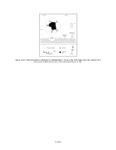
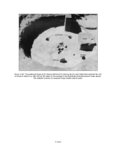
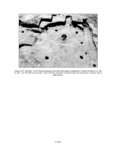
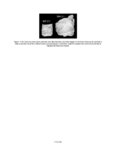
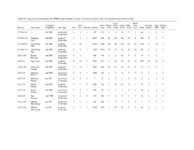
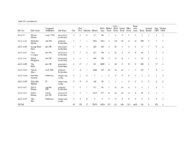
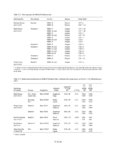
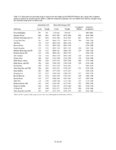
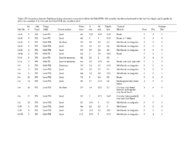
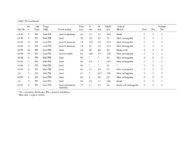
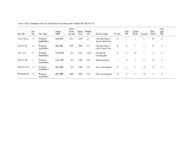
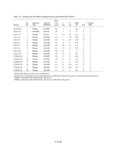
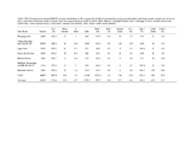
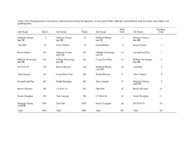
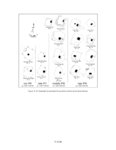
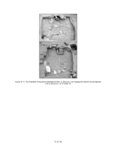
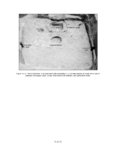
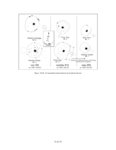
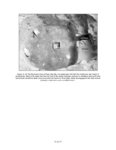
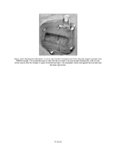
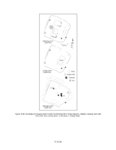
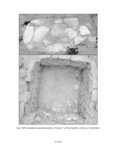
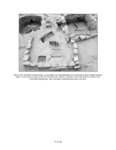
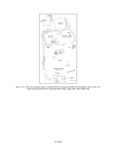
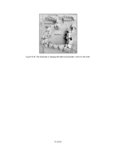
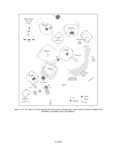
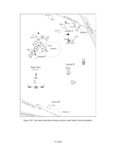
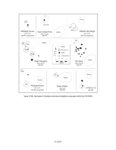
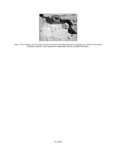
Show contained whole grinding tools and other usable artifacts; thus they fit the expected pattern of final areawide abandonment (long distance migration that precluded the movement of heavy and bulky objects). The whiteware ratios for the NMRAP sites are consistent with the idea that these settlements had been abandoned at a slightly earlier time, probably prior to around AD 1270 and perhaps even as early as 1260. Unlike the whiteware, the polychrome ratios reveal no clear pattern. It is difficult to know why this might be the case. Whiteline polychromes are temporally meaningful on a presence/absence basis, but the proportion within an assemblage appears to have no temporal significance; this might not be true elsewhere on the Colorado Plateau, but it appears to be the case for the Rainbow Plateau. The other key piece of evidence concerning abandonment of NMRAP late Pueblo III sites prior to the end of the Tsegi Phase is the extensive scavenging of usable materials. For example, all mealing bins at NMRAP late Pueblo III sites had been dismantled and all whole usable metates removed. This is not the case at the Tsegi Phase sites reported by Lindsay et al. (1968), as exemplified by the whole metates recovered (e.g., Figures 140, 197, and 219). Relinquishment of high-input metates is particularly noteworthy since this behavior contrasts with the previous centuries when metates were virtually always removed from abandoned sites, with large fragments commonly being recycled into other tool forms such as manos and mauls. Added to this is the infrequent finding of whole or reconstructible vessels from the NMRAP sites compared with sites reported by Lindsay et al. (1968; e.g., Tables 57, 61, 67), at which many whole large vessels had been left (most subsequently broken as structures collapsed). There is also the evident scavenging of construction timbers from the NMRAP sites by removing kiva roofs and living room wall and roof timbers, and even robbing stones from some masonry structures (e.g., Structures 1 and 2 at Waterjar Pueblo). The removal of large vessels, heavy grinding tools, and construction timbers from NMRAP late Pueblo III sites suggests that the occupants did not move far, indeed perhaps just to one of the nearby aggregated pueblos that started to be built in the 1260s and 1270s. But once these larger pueblos were abandoned the distance moved was on a scale that precluded the transport costs of heavy and bulky items. This contrast in abandonment signatures, like the ratio of Tusayan to Kayenta Black-on-white, supports the inference that the late Pueblo III sites excavated within the N16 ROW were occupied prior to and during the start of the Tsegi phase but then were abandoned as the dynamic of late Pueblo III population reorganization played out. The occupants of these sites were probably part of the family units that banded together to form the larger pueblos on the Rainbow Plateau and indeed each site is relatively close to an aggregated Tsegi Phase settlement: Sapo Seco and Waterjar Pueblo next to Gray House and its associated complex of ruins; and Three Dog Site just downstream from a Tsegi Phase pueblo within the compound for the old Navajo Mountain school. Puebloan Architecture The remains of 83 structures were excavated at NMRAP Puebloan sites, far more than occurred at the project Basketmaker sites. This sizable sample is characterized in a basic way in Table 15.8 by listing the structures according to some major data divisions: site type (primary vs. secondary, see following discussion), temporal period, and structure type (kiva, mealing room, etc.). Structures were generally classified according to long-standing criteria for the Kayenta region as detailed by Dean (1969:27-33) and Lindsay (1969:141-156; Lindsay et al. 1968:4-5) but with minor loosening of the granary criteria and some modification of what had been termed storage rooms, herein designated as activity/storage rooms, in part to accommodate some of the structures at secondary habitations. Living Rooms Living rooms are identified as structures that contain a hearth, one that was often rectangular and slab lined, though this seems partly a temporal pattern. Thirty-three examples of living rooms were fully excavated by the project; Figure 15.10 illustrates about half of these, all to the same scale and oriented north, with Figure 15.11 showing two representative examples excavated to floor. Table 15.9 provides some basic measurements and data for each of these structures. In all cases living rooms are rectangular or sub-rectangular with the long dimension usually parallel to the wall breached by the door, or in the cases of full subterranean houses, the ventilator. There are a few exceptions to this, including rooms that are essentially square, such as the bottom example of Figure 15.11. The long dimension usually follows the general orientation of most structures on a site, which is SW to NE, so that the door (or ventilator) faces SE. The exceptions to this are generally because the living room was incorporated within a room cluster or courtyard complex/plaza pueblo (see below) that imposed a larger orientation logic or set of constraints. So, for example, the south-facing living room of Sapo Seco (Structure 3) shown in the lower right of Figure 15.10 was oriented this way because it was embedded within and helped to define a small V.15.15 |