| OCR Text |
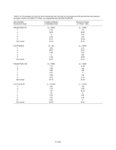
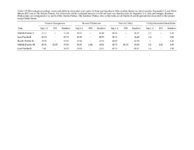
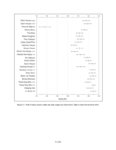
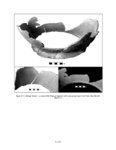
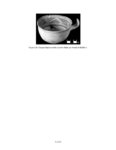
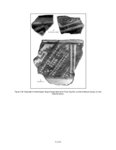
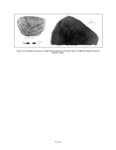
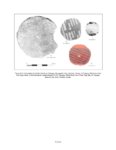
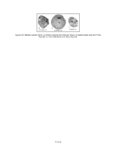
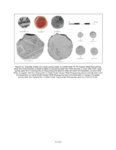
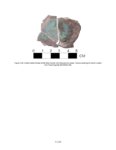
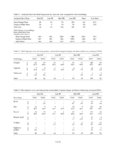
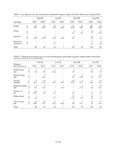
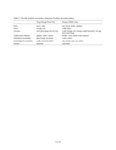
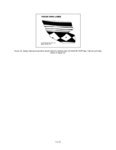
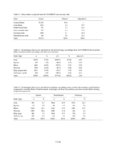
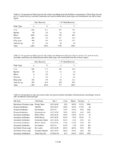
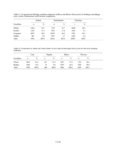
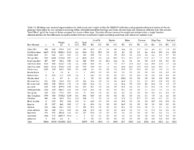
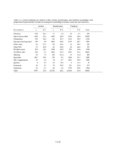
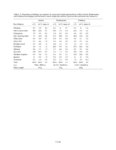
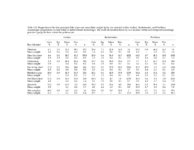
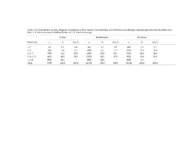
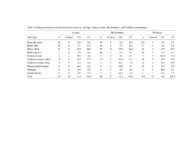
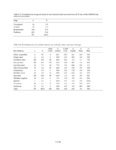
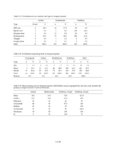
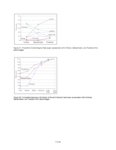
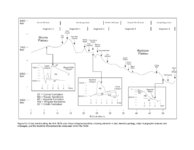
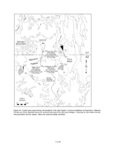
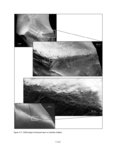
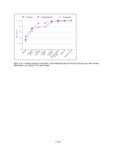
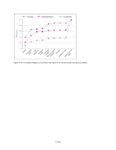
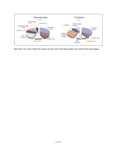
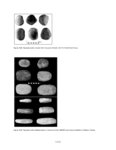
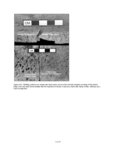
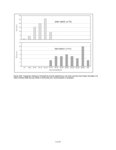
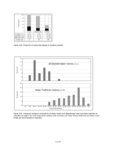
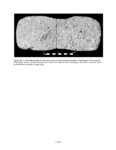
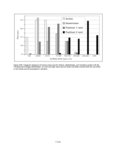
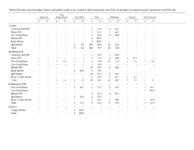
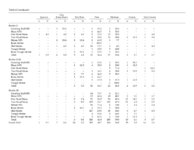
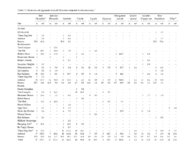
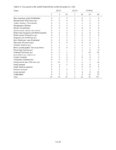
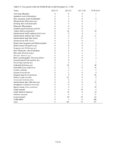
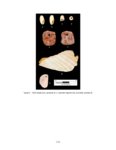
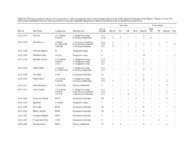
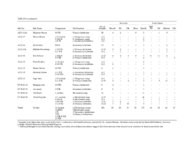
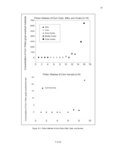
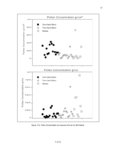
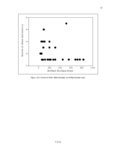
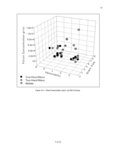
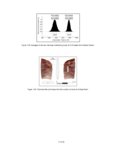
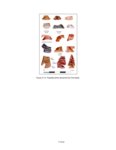
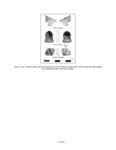
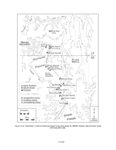
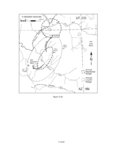
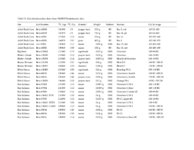
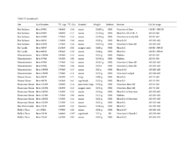
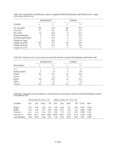
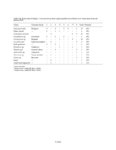
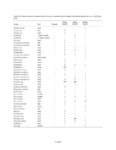
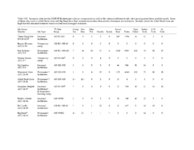
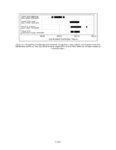
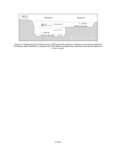
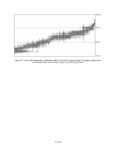
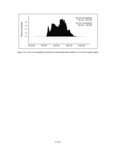
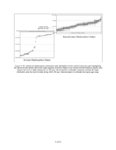
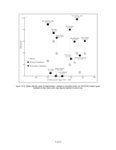
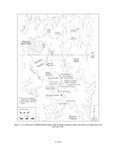
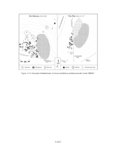
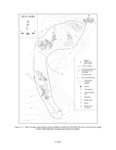
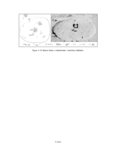
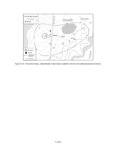
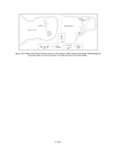
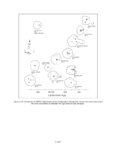
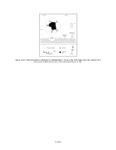
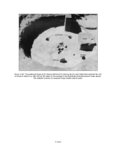
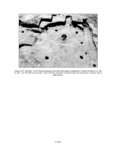
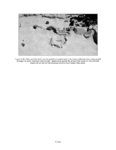
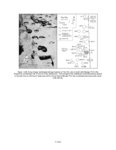
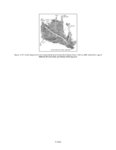
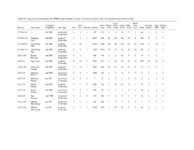
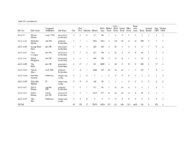
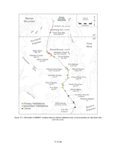
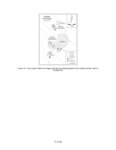
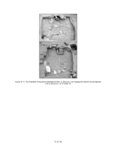
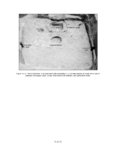
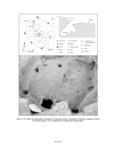
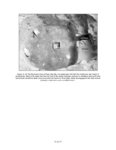
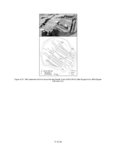
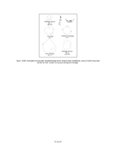
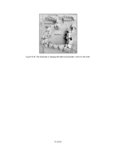
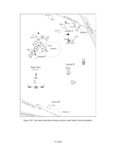
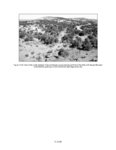
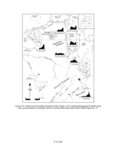
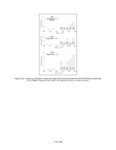
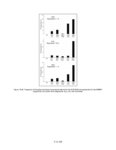
Show In addition to the extensive ash layer in Blue Canyon, a smaller ash deposit occurs near Tonalea, at the south end of the Klethla Valley. In hand sample, material from this deposit appears similar to the unconsolidated areas of the Blue Canyon ash, but microscopic examination shows that the Tonalea ash is extremely degraded and powdery, and distinct glass shard fragments are visible only occasionally. If used by prehistoric potters, this degraded ash would not have provided the superior temper characteristics of the more intact, angular ash shards. Indeed, the tiny fragments from the Tonalea ash deposit proved too small for analysis even with the focused beam of the microprobe. The occurrence of this deposit, however, suggests that Blue Canyon is not the only locale where volcanic ash is available. Deposits undoubtedly exist elsewhere in the Kayenta region and continued exploration may eventually locate an ash source in closer proximity to ceramic-producing sites in the Klethla Valley. Blue Canyon Ash Sample Selection and Analysis Geib and Callahan (1987) determined that their sample of Blue Canyon ash was petrographically similar to the material used as temper by prehistoric potters. A thin section made from this ash sample was included in our initial microprobe study, and it was identical to some ash temper in sherds from sites along the N16 corridor. To more thoroughly characterize this potential temper source, additional samples of ash were collected from three outcrops in Blue Canyon. The collection area covered a linear distance of 0.3 km along the south side of Blue Canyon. At three locations (designated A, B, and C), samples were collected at 20 cm intervals from the entire vertical exposure of ash. Each sample was identified by location and depth below the upper boundary of the deposit, which is clearly defined in all areas. The topographic expression of the ash outcrop varies at each sample area due to exposure and weathering (Figure 4.4), but otherwise the deposit appears uniform. There are no large-scale differences in texture, bedding, or inclusions, suggesting that the entire stratum was deposited in a single episode. As noted above, the deposit likely derives from air-fall ash being eroded and redeposited into depressions through wind and water action over a relatively brief period of time. Samples of ash collected from the upper, upper-middle, lower-middle, and lower portions of the deposit at Areas A, B, and C in Blue Canyon were included in the analysis. Preparation consisted of mixing each raw ash sample with epoxy on a slide, polishing the dried mixture, and coating the slide with carbon to conduct heat. For each of the 12 ash samples, 8-10 individual ash grains were analyzed with the microprobe. As noted for the ceramic samples, ash particles of all sizes and shapes were judgmentally included in the analysis. Operating conditions, analytical standards, and detection limits were identical to those described above for the microprobe analysis of the sherds; indeed, ash and sherd samples were interspersed during analysis to avoid any machine- or operator-induced bias through time. By including ash samples from three separate outcrops, taken from four levels across each outcrop, our analysis captured the range of compositional variation over the vertical and horizontal extent of the Blue Canyon ash deposit; all of the ash samples were extremely homogeneous. RESULTS OF THE ELECTRON MICROPROBE ANALYSIS Electron microprobe analysis of the volcanic ash temper and geologic ash samples produced a robust data set to explore Kayenta ceramic production and exchange systems. Based primarily on the amount of FeO, two distinct ash compositions are evident in the ceramic samples. There is a high probability that the two data groups represent volcanic ash from two different geologic sources, given the complete lack of overlap in the FeO composition. Although magma composition may change throughout a single eruption, the resulting tephra should show a progressive change rather than two distinct compositions. The two identified ash types never occur as temper within a single sherd, suggesting that individual potters procured temper from only a single source. Most sites produced ceramics with only one type of temper, suggesting restricted exchange networks, although this pattern may reflect small sample sizes because several sites with larger ceramic samples did produce both temper types. Microprobe data from all phases of analysis are incorporated into the following discussion of results. For the statistical and graphical exploration that follows, all data were normalized to 100 percent for consistency. In the majority of samples, the normalized values are identical to the raw data, and all cases used has less than 2 percent variation. Microprobe data were exported into Excel for normalization, and then into SYSTAT for statistical comparison and graphical output. Combining all data produces 1382 analysis points on 113 sherds and 6 ash samples. Using averaged values for the multiple data points analyzed on each sherd or ash sample results in identical data patterns that are less influenced by occasional outlying data points and that more clearly illustrate some trends; the majority of the following graphs illustrate the averaged values for clarity. V.4.7 |