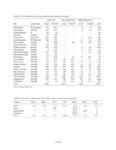
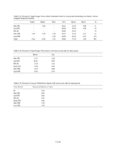
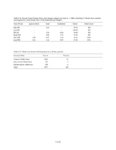
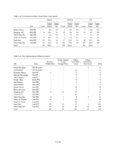
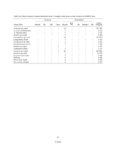
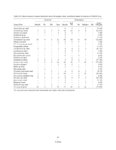
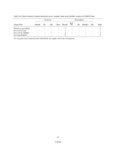
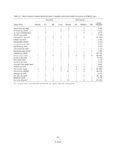
| OCR Text |
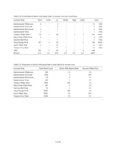
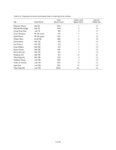
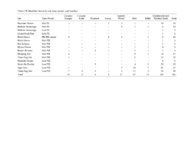
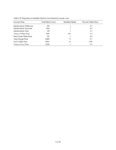
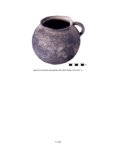
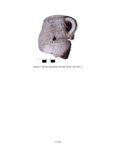
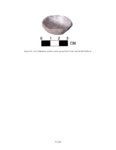
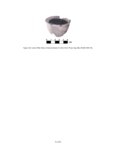
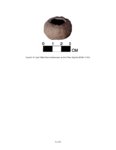
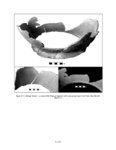
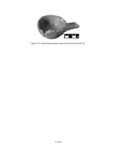
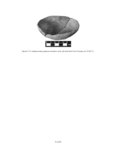
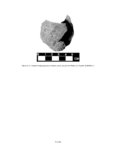
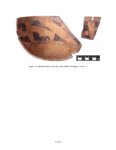
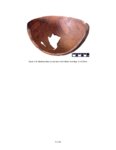
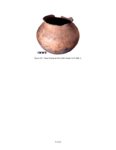
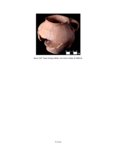
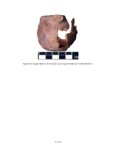
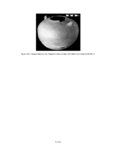
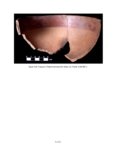
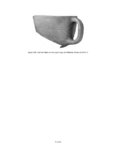
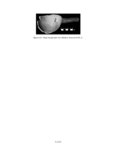
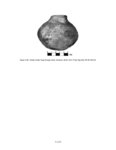
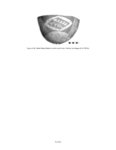
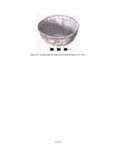
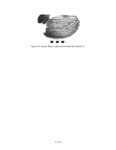
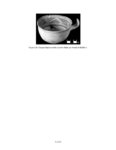
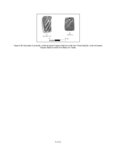
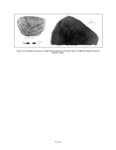
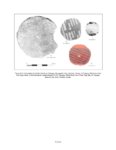
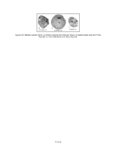
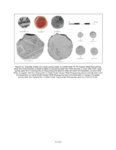
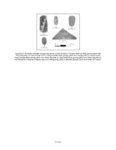
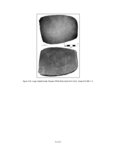
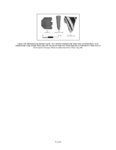
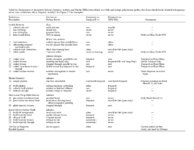
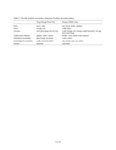
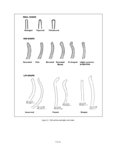
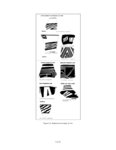
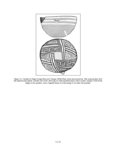
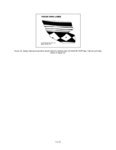
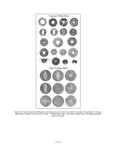
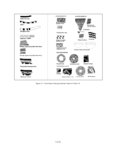
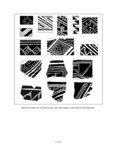
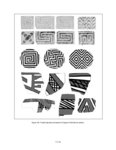
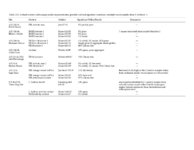
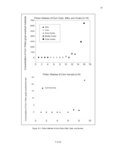
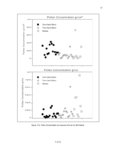
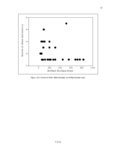
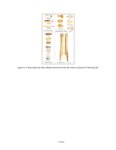
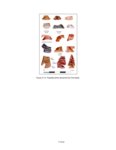
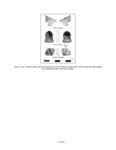
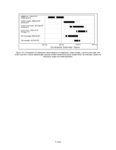
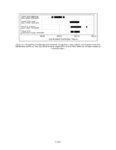
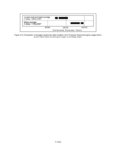
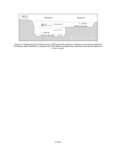
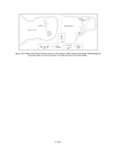
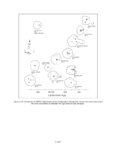
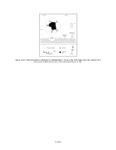
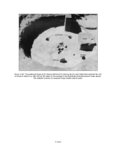
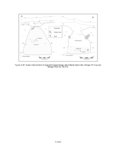
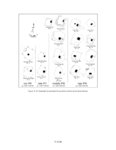
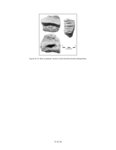
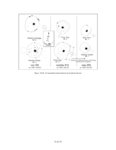
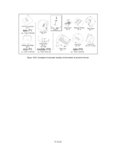
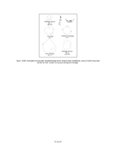
Show All whole and partially reconstructible vessels were studied in detail to answer questions about vessel capacity and possible uses. Decorated vessels were coded for design symmetry, other aspects of design structure, and design content. Any whole vessel, or any vessel at least one-third complete when reconstructed, was analyzed according to the whole vessel analysis format. Whole vessels and large sections defined as partially reconstructible vessels (PRVs) were measured and their profiles drawn. Measurements included height of vessel, height of shoulder (if any), maximum diameter, diameter of the opening, and diameter at each inflection point (see Figure XXX). The attachment points, sizes, and shapes of all handles were included in the scale drawing, and the locations of residues such as soot, use-wear, and chips were noted. Data on vessel forms address the following questions: What is the range of vessel form at each site and during each time period? Is formal diversity related to site function, site size, duration of occupation, time period, ware, and type? Do specialized vessel forms increase over time or increase with more intensive use of a particular site? Do generalized forms (forms appropriate for many uses) tend to occur at certain kinds of sites or in certain time periods? How do burial assemblages differ from domestic assemblages? How do assemblages in ritual structures differ formally from those in domestic structures? One hypothesis tested with N16 data is that permanent habitations, where storage was a major site function, will have many more jar sherds in proportion to bowl sherds, than will sites used for short times or limited uses. Such a correlation of high jar proportions with permanent sites and high bowl proportions with temporary sites was found in the N41 (Pinon Road) excavations (Pepoy and Linford 1982:253-255). Stylistic analysis of painted decoration on whole or reconstructible vessels focused on symmetry and other aspects of design structure (see Washburn 1977; Washburn and Crowe 1988; Shepard 1948; Beals et al. 1945; Hays 1992a), content of designs (see Beals et al. 1945; Smith 1971; Hays 1992a), and comparisons between interior/exterior designs and rim/body designs. We focused on quantifying stylistic differences between Tusayan White Ware types and contemporaneous Tsegi Orange Ware types (see Chapter 3). Bowl Rim Sherds Large bowl rim sherds (greater than 4 cm depth from rim) were studied for certain formal and stylistic features. Perusal of Colton and Hargrave's (1937) type descriptions reveals that the shapes of rims are often (but not always) important in determining the temporal and cultural placement of pottery. This is especially true of bowl rims. The N16 rim sherd analysis noted attributes of both shape and decoration; see Chapter 3. Colton (1953: Figure 10) has provided a series of codes for various rim forms. The code begins with a Roman numeral that describes whether the wall thickness nearing the rim stays even (I), becomes thicker (II), becomes thinner (III), or bulges (IV and V-these variants are extremely rare). A letter designation follows to code whether the rim changes direction (B-D) or not (A). The final number describes the shape of the "lip" or the very edge of the rim. This part of the rim may be flat (4), rounded (3), beveled toward the inside (6-sharp bevel, 7-rounded bevel), beveled toward the outside (5-this never happens), or double beveled (pointy, 1 and 2), or it may be quite thickened and rounded (8-10). We have modified these codes somewhat to encompass the range of variation seen in the N16 assemblage. The evolution over time of the way in which designs are framed and bounded in bowls (and less so in jars) is important as a dating tool, but also as a reflection about concepts and ideas of how designs should look. How is the design field divided up? Is the main design separated from the rim area or not? Sometimes the outsides of bowls have designs on them. Usually, these are quite different from interior designs. They are often isolated, broad-lined, and very simple geometrics or life-forms. It has been suggested that these are "owner's" or "maker's" marks (see Huse 1976). Bowl exterior designs are most common in the Pueblo IV period, but they appear on Mesa Verde Black-on-white bowls, and are prefigured in some ways by the bands of slip found on many Tsegi Orange Ware bowls. Surface Texture Additional stylistic analysis focused on corrugated vessels. It has long been suggested that different coil widths and treatments have temporal and spatial significance in the Tusayan area (Beals et al. 1945; Colton 1955; Gifford and Smith 1978). Measuring these variables on a sample of corrugated sherds from various time periods (determinable by other means) and site types should illustrate whether or not there is significant variability. We sampled large corrugated sherds of various types from contexts dated by other means (decorated ware, dendrochronology, stratigraphic placement). The samples represent a variety of time periods. They measure number of coils per 4 cm square section of wall (see Gifford and Smith 1978:45) and record descriptions of coil treatment using categories such as obliterated, indented, V.2.7 |