| OCR Text |
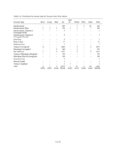
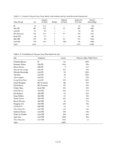
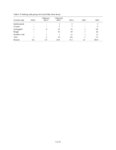
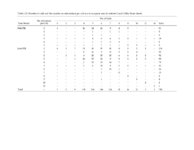
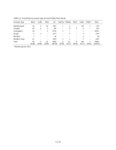
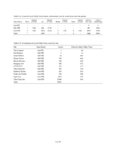
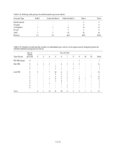
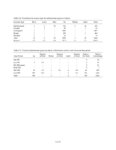
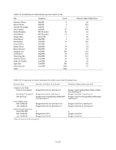
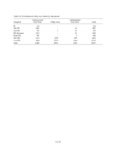
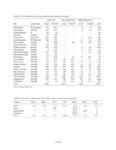
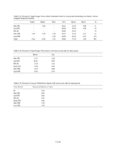
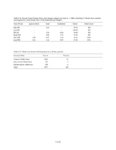
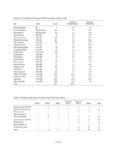
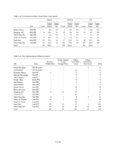
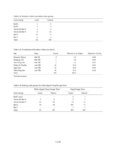
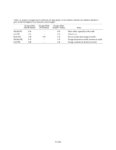
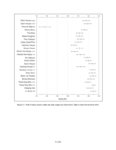
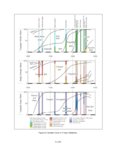
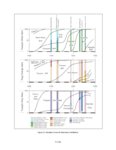
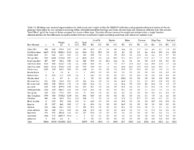
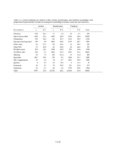
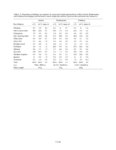
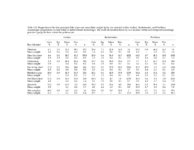
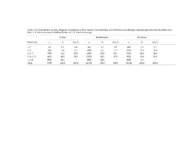
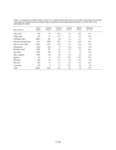
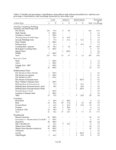
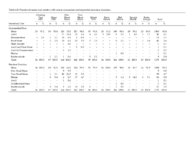
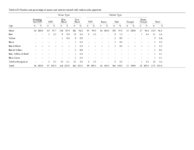
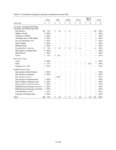
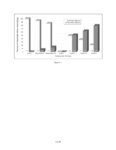
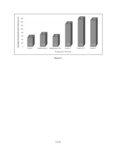
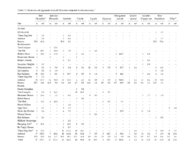
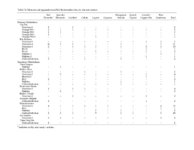
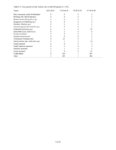
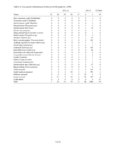
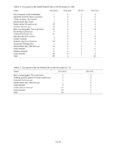
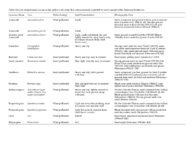
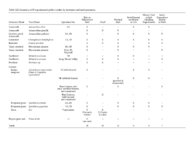
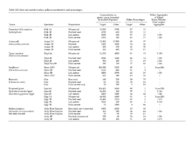
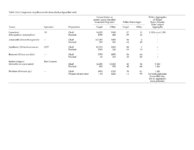
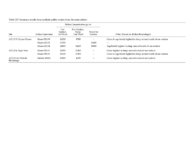
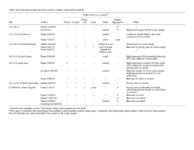
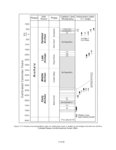
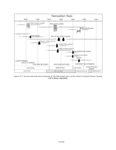
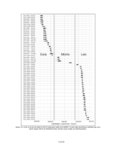
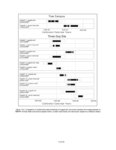
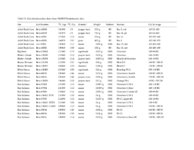
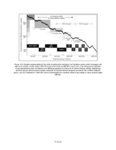
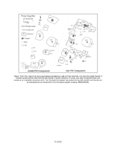
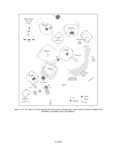
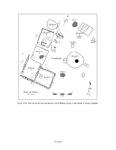
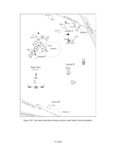
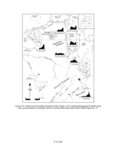
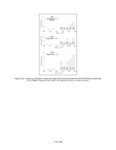
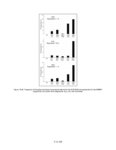
Show project area described in Volume II consisted of hunting and processing camps along with several residential camps. The late Archaic residential camps described in detail in Volume II consisted of hearths in association with lithic debitage, faunal bone, and occasional grinding tools; they lacked storage features entirely and only one had a possible small structure that was no more than a wickiup. Radiocarbon dates along with vertical separation in one instance indicate that these sites accumulated from sequential reuse of locations over the span of several hundred years, which renders the sites all the less impressive. At most, these late Archaic sites represent the temporary camps for small social groups, perhaps no more than extended families. None of the Archaic sites appear to have had the substantial, long-lived residential occupations that are evident for the NMRAP Basketmaker settlements of Kin Kahuna and The Pits. Indeed, even though they contained considerably more artifacts, none of the late Archaic sites appeared even closely similar to the Basketmaker II seasonal residences which contained easily identified shallow pit houses and small middens. As detailed in Volume III, the sites at which maize first occurs are distinctly different from the NMRAP Archaic sites; they are characterized as being built for greater permanence or sequential reuse across many seasons and large storage volume. Residential sites are clearly differentiated between those that served as primary residential locations and those with a secondary role. The former, if not lived in permanently, were occupied for substantial portions of the year including winter. Primary residential sites contained extensive trash deposits, well-built pit houses, numerous bell-shaped storage pits and other pits, and human burials. The capacity of the large storage pits allowed for considerable surplus of food to be cached for future use, with the 24 such features at The Pits having a combined capacity of almost 17 cu m. Secondary residential sites contained singe structures, small middens, and hearths but lacked storage features; these structures were perhaps used for a variety of seasonal extractive tasks made more efficient by temporary family resettlement to locations close to the resources being exploited. It is interesting to observe that the changes seen in the archaeological record between Archaic and Basketmaker times transpired during the several hundred years of the decline in radiocarbon dates that locally separates these two intervals. Change during the preceding 7000 years of the Archaic period appears glacial by comparison to what transpired between about 800 and 400 cal. BC in the northern Kayenta region. The dramatically different nature of the Basketmaker sites compared with those of the immediately preceding late Archaic strongly suggests a lack of adaptive continuity and seems more in accordance with a disjuncture than with an autochthonous transformation from a foraging economy to a farmer-forager economy. Socioeconomic Interaction: Craft Production and Exchange The acquisition and processing of resources into tools, containers, ornaments, and other crafts is a central aspect of prehistoric economy. Craft production is also closely tied to exchange, or the transfer of material items among individuals or social groups. All societies interact with their neighbors to varying degrees and through various culturally structured mechanisms. Exchanges of materials, information, and marriage partners are common forms of socioeconomic interaction. Even when the focus of interaction lacks a material basis, such as with intergroup ceremonies, artifact exchange is often involved or serves as a mediating device. The unequal distribution of particular resources is a common reason for the rise of craft specialization and exchange (cf. Arnold 1980). Craft specialization might also be fostered by social reasons, such as to promote inter-community dependency or to maintain alliances (Cordell and Plog 1979:421). Whatever the underlying causes, unequal availability of natural resources provides an initial point of departure for examining the issue of craft production and exchange. Raw material for artifacts such as pottery and stone tools is one of the most accessible avenues available to archaeologists for examining craft production and exchange. The use of exotic stone for stone tool production is well represented by several of the NMRAP early Archaic sites, which have moderately high incidences of obsidian. Although many of the NMRAP sites lack obsidian or have low proportions, one site (Hólahéi Scatter) had over 50 percent, with proportions above 20 percent at two other sites. In these cases, the evidence is not indicative of specialized production in the sense used for later Puebloan assemblages and the high proportions are consistent with an interpretation of direct procurement rather than exchange. With low proportions of obsidian in assemblages, such as the small quantities (1% or less) at some of the NMRAP Archaic sites, direct procurement is doubtful, since casual exchange could account for the raw material movement (cf. Shackley 1990). The obsidian flake waste from the NMRAP sites indicates that the volcanic glass was being used almost exclusively if not totally for high-input bifacial tools. This is a specialized use of the raw material related to what the sites appear to have been used for-camps associated with hunting. Although obsidian is well represented at some sites, it generally occurs in relatively small size such that this V.16.6 |