| OCR Text |
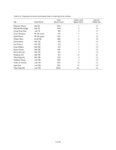
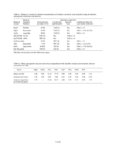
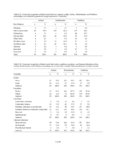
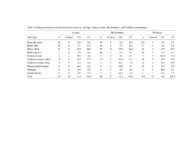
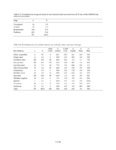
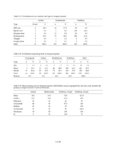
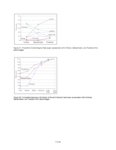
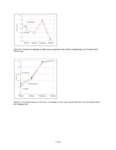
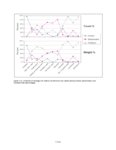
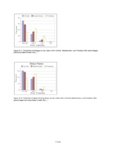
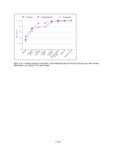
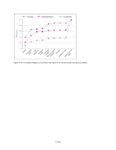
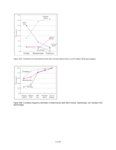
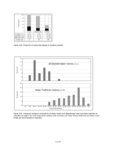
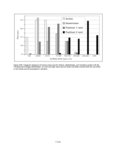
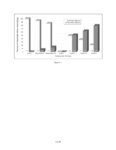
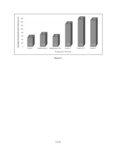
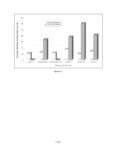
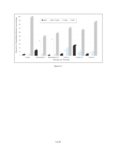
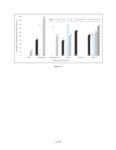
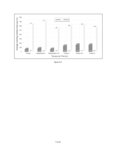
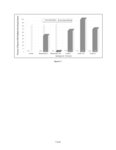
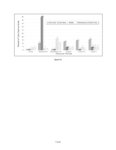
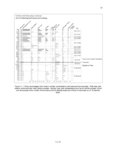
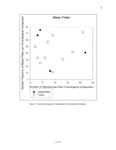
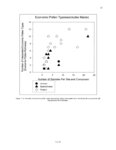
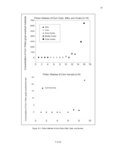
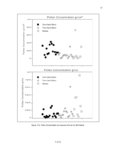
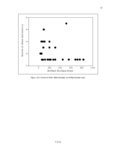
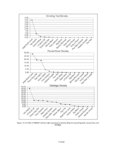
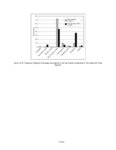
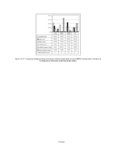
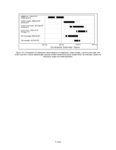
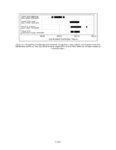
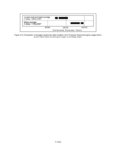
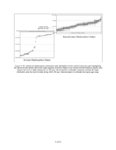
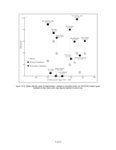
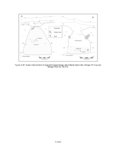
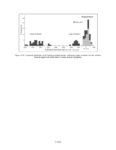
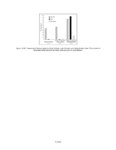
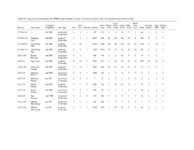
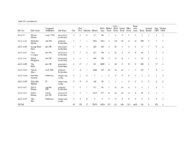
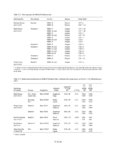
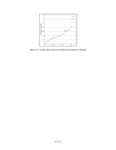
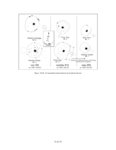
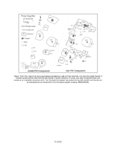
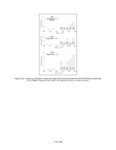
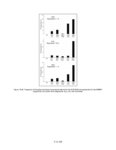
Show 6 minimum of approximately 100 pollen grains, if possible. Pollen aggregates (clumps of the same taxon) were included in the sum as one grain per occurrence, and the number and size of aggregates were recorded. Counts were made at 400x magnification and then slides were scanned at 100x to document pollen aggregates and rare occurrences of large pollen types, such as cacti. Two data transformations were used: concentrations and percentages. Pollen percentages normalize counts to 100 ([taxon counted/pollen sum]*100) and each taxon is expressed as a proportion of the pollen sum. Pollen concentration from the sediment samples, based on the standard 20 cc sample volume, was calculated by taking the ratio of the pollen count to the tracer count and multiplying by the initial tracer concentration. Dividing this result by the sample volume yields the number of pollen grains per cubic centimeter of sample sediment, abbreviated as gr/cc. Pollen concentration from the artifacts was based on the recovered volume of material (primarily sediment) documented after the first centrifugation during processing. The sample volume, measured from graduated 50 ml test tubes, ranged from 1 to 20 cc. Additionally, descriptive and area data were documented for 30 manos and 9 metates, and pollen concentration for these 39 artifacts was calculated based on the use-surface area (grains/cm2). Pollen Abundance from Mano and Metate Washes Pollen washes from artifacts typically produce less pollen than washes from bulk sediment. Of the 58 artifact washes analyzed, 15 samples were pollen-sterile, meaning there was too little pollen for a statistically significant count, and 22 of the washes produced low counts (range from 75 to 100 grains). This is a sample frequency of 26 percent sterile and 38 percent low count. In contrast, 6 of 30 control sediment samples were pollen-sterile and 7 were low count samples, which yields a frequency of 20 percent sterile and 23 percent low count. Deriving a measure of pollen abundance from artifact washes is problematic because each artifact has a unique size and shape, and is composed of different materials. Certain rock types were undoubtedly favored for specific tasks, and tools were also modified by pecking or grinding. The surface of an artifact could be considered a reservoir for pollen with a limited capacity determined by the texture and size of artifacts. How tools were used also undoubtedly influenced the abundance of embedded pollen. Coarsegrained rock metates with a large use-area should contain more pollen than a fine-grained small mano, especially a mano used to grind mineral pigments or other non-plant materials. Other factors that must influence pollen deposition and preservation on artifacts are the morphology of pollen grains, how much pollen adheres to plant resources, and the mechanics of transferring pollen from manipulated plant parts to tool surfaces. Pollen grains are three-dimensional particles that come in a variety of shapes and sizes, many with structural elements (e.g. spines and hooks), yet all pollen types have soft, flexible surfaces. To investigate possible relationships between pollen abundance and the size and texture of an artifact, measurements of surface area and the grain size and vesicularity of the rock type were documented for 30 manos and 9 metates and compared to pollen concentration. Concentration from artifact washes is usually not calculated because there is no consensus on what to use for a sample size to relate the pollen and tracer counts to. In this analysis, pollen concentration was based on the volume of material recovered from each pollen wash, expressed as gr/cc (grains per cubic centimeter of sediment). The sample volume was measured from graduated test tubes after the first centrifugation step. Another measure of pollen concentration was also calculated from the area of the use-surface, expressed as gr/cm2. The results of the comparisons between pollen abundance and artifact attributes did not resolve clear trends, and, as is often the case with empirical inquiry, more questions were raised than answered. In Figure 12.2, two graphs are shown: one of pollen concentration by use-surface area (gr/cm2) and the second of pollen concentration by volume of wash sediments (gr/cc). The data are from 16 one-handed manos, 14 two-handed manos, and 9 metates; these artifact classes are depicted in the graphs with separate symbols and are arrayed on the plot from smallest to largest. In the graph of pollen concentration by artifact area (gr/cm2), there is an eerie, inexplicable negative trend in the values as the artifacts become larger. There is also the odd cluster of 6 one-hand manos that yielded pollen concentrations (gr/cm2) exceeding most of the other manos. In the second graph, showing pollen concentration by volume of sediment recovered from washes (gr/cc), the trend is more logical, with the highest pollen density values coming from the metates, though the pattern is by no means robust; the majority of metate wash samples produced concentrations comparable to the manos. However, the number of metates in this comparison is about a third of the number of manos (9 metates to 30 manos), and it is possible that the trend would resolve to a more definitive pattern given a larger sample set. Another interesting quirk in these data is that there is no relationship between volume of sediment recovered from the artifacts and surface area (Figure 12.3), V.12.6 |