| OCR Text |
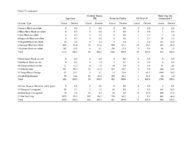
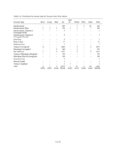
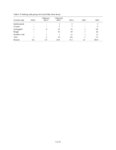
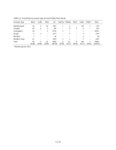
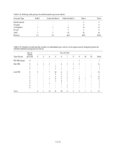
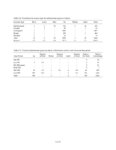
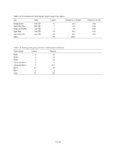
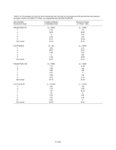
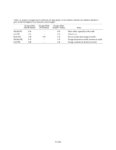
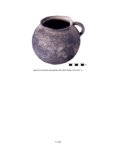
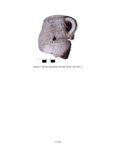
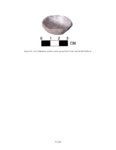
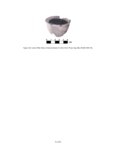
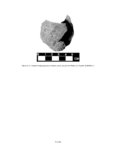
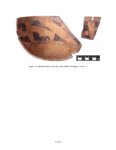
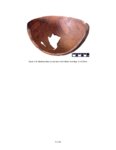
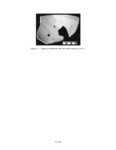
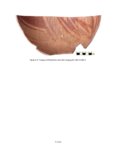
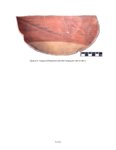
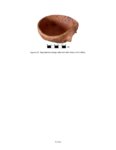
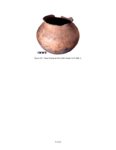
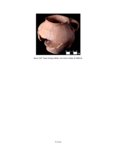
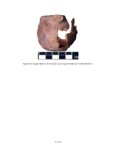
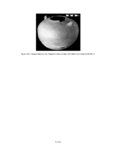
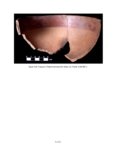
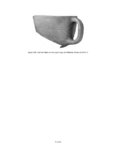
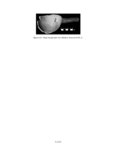
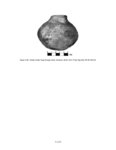
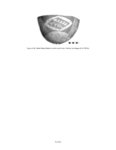
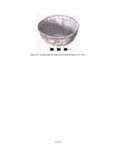
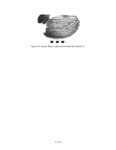
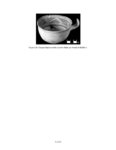
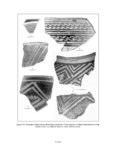
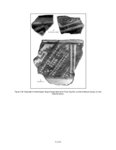
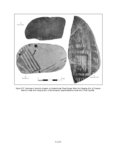
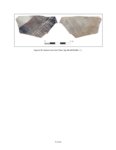
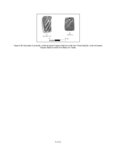
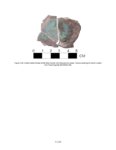
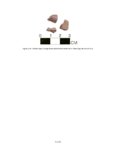
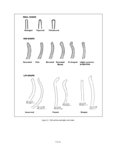
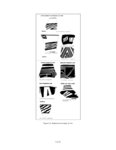
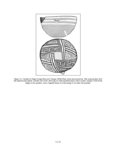
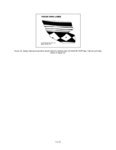
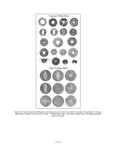
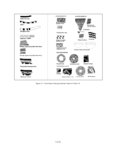
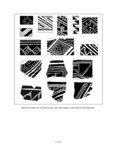
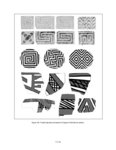
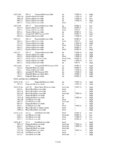
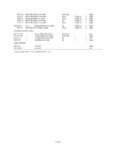
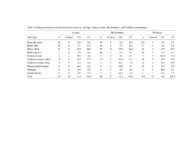
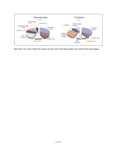
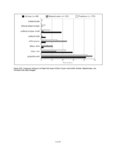
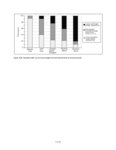
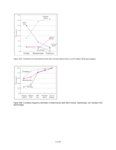
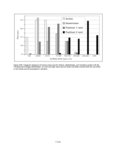
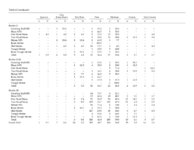
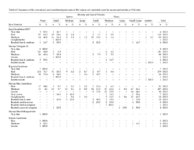
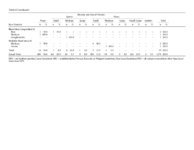
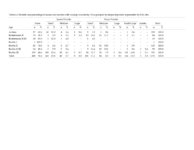
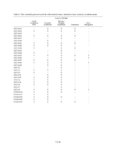
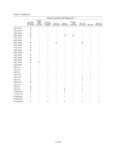
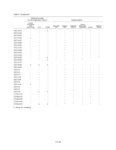
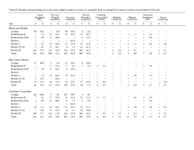
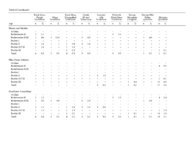
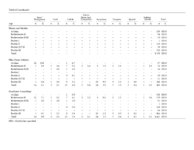
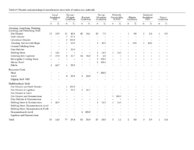
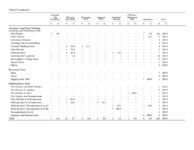
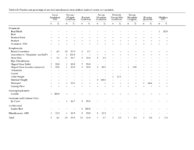
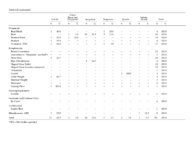
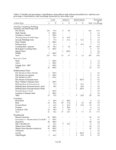
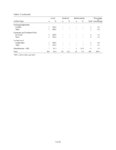
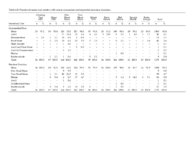
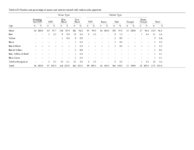
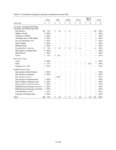
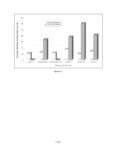
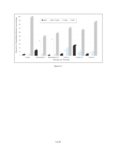
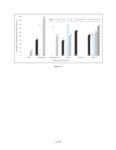
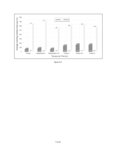
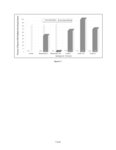
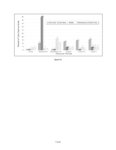
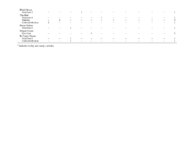
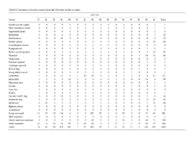
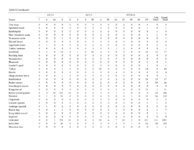
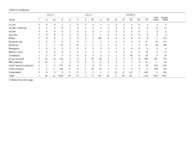
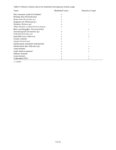
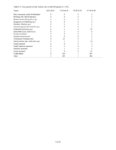
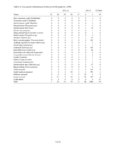
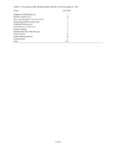
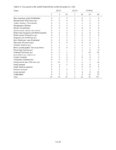
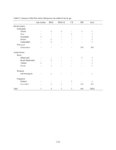
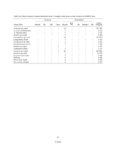
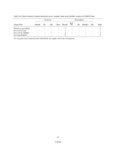
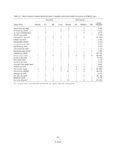
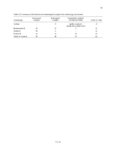
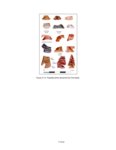
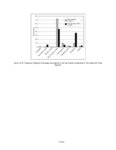
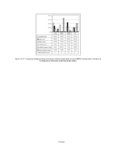
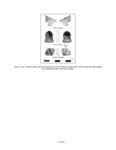
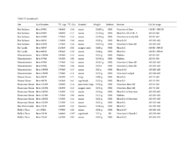
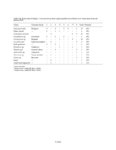
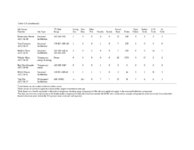
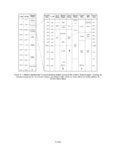
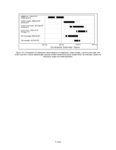
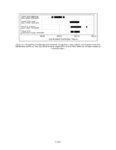
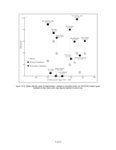
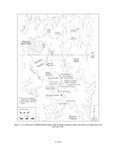
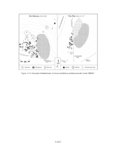
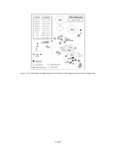
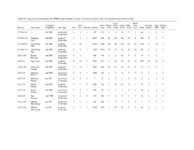
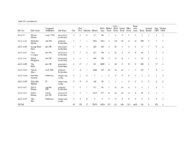
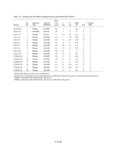
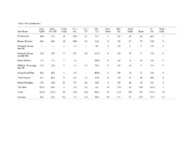
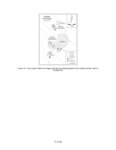
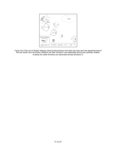
Show Two temporally sequential general types are recognized based on stylistic differences: McElmo Blackon-white, with relatively bold designs commonly rendered in simple bands with or without formal band framing lines; and Mesa Verde Black-on-white, identifiable by formal band designs with multiple narrow framing lines and/or complex designs of closely spaced motifs in which white background is approximately equaled in area by painted lines and motifs. Both types typically exhibit uniformly parallel wall surfaces and bluntly rounded or squared rims. Mesa Verdean culinary grayware of the same period is typically indented corrugated over its entire surface, with everted rims. Without neck or rim sections, body sherds cannot typically be reliably separated from corrugated sherds of the previous period. Graywares typically exhibit coarse to medium textured, gray to white (except when carbon smudged) paste tempered with medium to coarse crushed igneous rock of the same varieties described above. Coarse quartz or multilithic sand, generally angular to subangular and at least somewhat crushed, occurs as a common temper variant in some regions. Sherds from both the classic and western series of Mesa Verde White Ware were included in the oxidation study (Table 2.39). The classic sherds fired to nearly all color groups, except that the Red 7 group was not represented. The western sherds fired to groups Yellowish-Red 5 and Red 6 only. Potters making the western series vessels were selecting clays with a high iron content, whereas the classic series sherds were made using a wide variety of clays. The classic Mesa Verde White Ware material consists of 36 bowl sherds and 3 jar sherds. Based on rims, there are eight sherds from straight-sided bowls and one from a flared-rim bowl. The western Mesa Verde White Ware consists of 113 bowl sherds and 95 jar sherds. Based on rims and refits, there are 76 sherds from straight-sided bowls and 10 sherds from wide-mouth jars. Many sherds refit or are from the same vessel. From Three Dog Site, for example, 15 sherds are from the same McElmo Black-on-white (western series) bowl, 9 sherds are from the same McElmo Black-on-white (classic series) bowl, and 76 sherds are from the same McElmo Black-on-white (western series) jar. The latter is large, about 10-20 percent present, and was probably used for storage. No reconstructible vessels were recovered. Overall, bowls were probably used for serving and jars for storage. Mesa Verde White Ware sherds were collected only from middle and late Pueblo III sites within the N16 project area (Table 2.40), which suggests that the area's inhabitants neither imported nor emulated this ware prior to about AD 1200. The frequency increased from the middle to late Pueblo III periods, taking distance from source into account. Mesa Verde White Ware sherds were found at sites in the northern portion of the N16 project area, at Water Jar Pueblo, Sapo Seco, Hanging Ash, and Three Dog Site (Table 2.40). Both the classic and the western series were found at these sites. A single western series sherd was found at Hymn House. No Mesa Verde White Ware sherds were recovered in N16 Segments 1-3 on the Shonto Plateau (Blinman 1989)-this suggests that inhabitants of the Rainbow Plateau in the 1200s imported small amounts of whiteware pottery and those living further south did not. Alternatively, migrants entering the northern part of the study area from what is now southern Utah or southwestern Colorado brought a small number of vessels with them. The northernmost site has the most Mesa Verde Whiteware, but it also has the largest overall ceramic assemblage. Note also that most of the sites dating to this time period are on the Rainbow Plateau, and not in the southern part of the project area. The Comb Ridge monocline marks an approximate boundary between the Mesa Verdean heartland to the east and a far western region of somewhat anomalous ceramics and architecture between the San Juan River and Canyonlands National Park. That area lies within the Monument Upwarp, a large uplifted area in which rocks younger than Triassic age are generally absent. Unlike the area east of Comb Ridge, light-firing clays are rare to nonexistent in this region. Native clays west of Comb are primarily from the Chinle Formation and are commonly rich in iron and other minerals that impart a distinctive mediumdark gray color to the paste when fired in the absence of oxygen, or a brick red color when oxidized. Whiteware and grayware pottery manufactured in this region is generally a medium gray to near black color, with medium gray undergoing a phase shift at high temperatures that darkens its color to a dark gray or near black. Since that change normally occurs starting at the surfaces of the vessel wall, incompletely phased ceramics often exhibit what Owen Severance (personal communication date?) has termed the "Oreo cookie effect," in which outer parts of the vessel wall are distinctly darker and more vitrified than the interior of the vessel wall (the opposite of the carbon core commonly observed in lightfiring ceramics made from carbonaceous, iron-poor clays). White or light gray firing clay was clearly a premium commodity in that region, used only as a covering slip to create a light background for black painted designs. The slip often coats only the painted parts of vessels-the interiors and rims of bowls and the exteriors and rims of jars-with or without slip extending a short distance below the rims on bowl exteriors or jar interiors. Slips are often thin and washy compared to their more easterly V.2.41 |