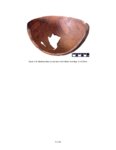
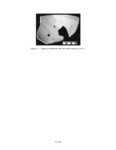
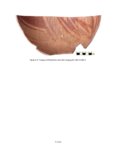
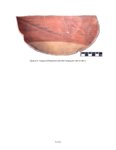
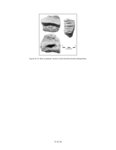
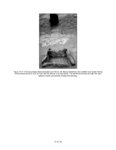
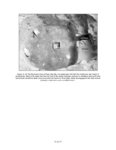
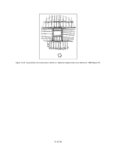
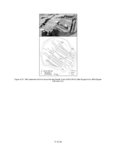
| OCR Text |
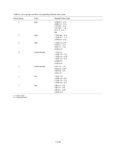
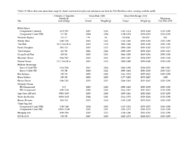
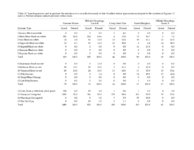
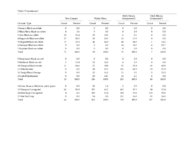
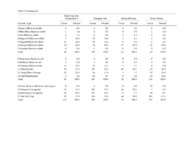
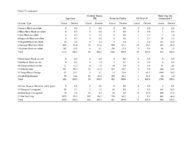
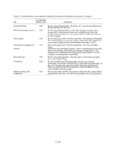
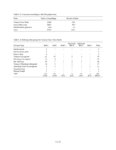
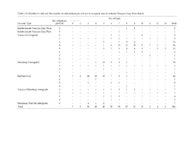
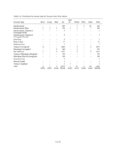
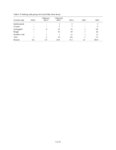
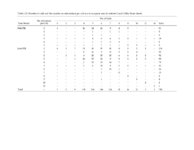
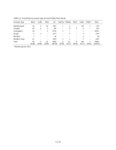
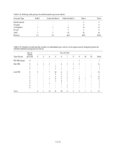
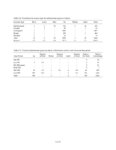
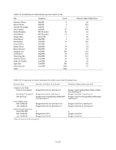
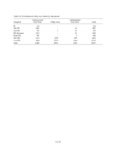
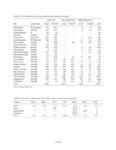
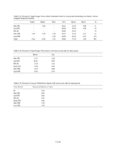
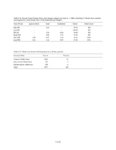
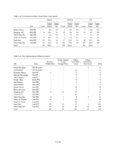
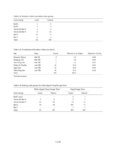
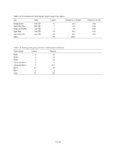
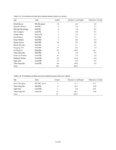
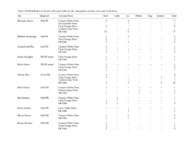
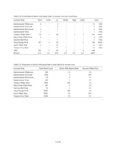
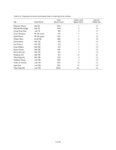
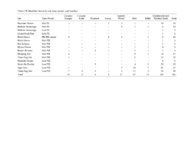
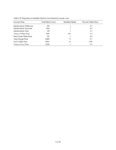
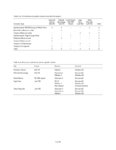
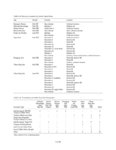
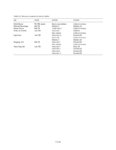
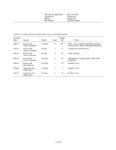
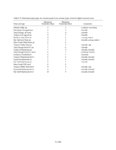
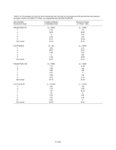
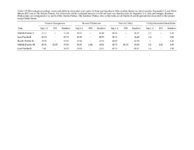
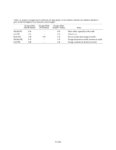
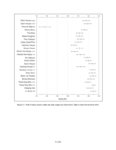
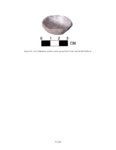
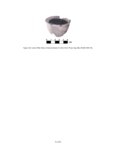
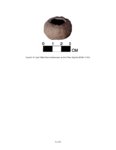
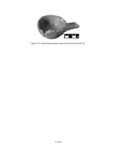
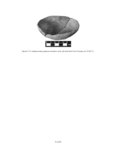
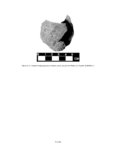
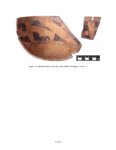
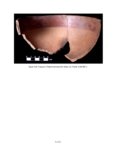
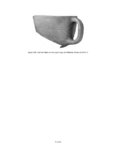
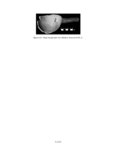
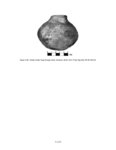
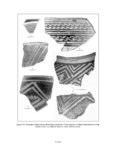
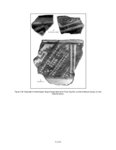
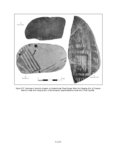
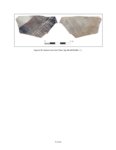
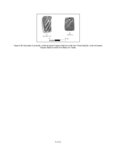
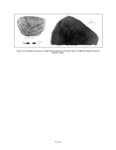
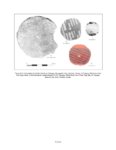
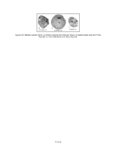
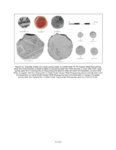
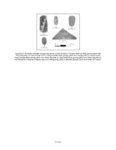
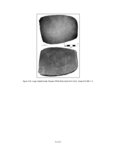
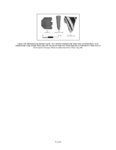
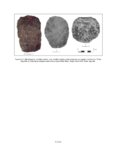
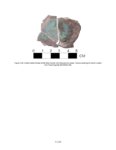
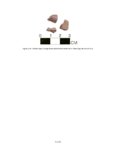
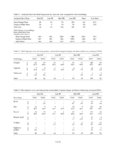
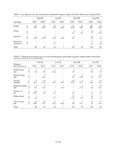
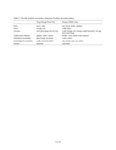
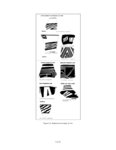
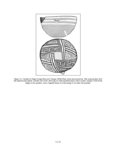
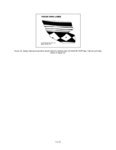
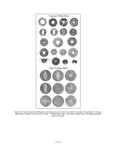
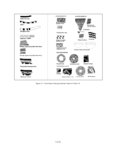
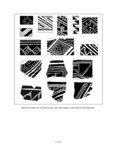
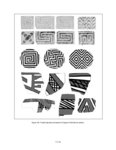
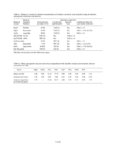
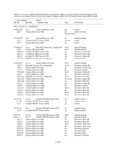
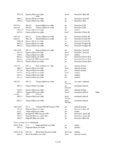
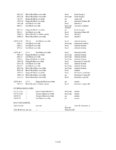
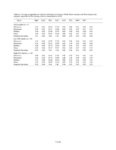
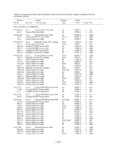
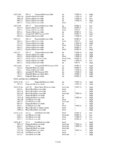
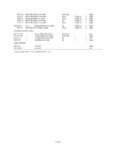
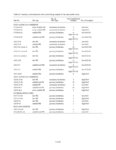
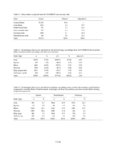
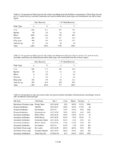
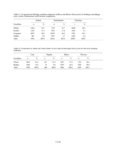
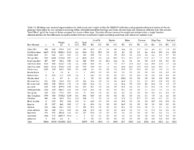
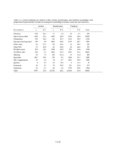
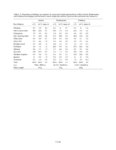
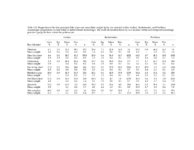
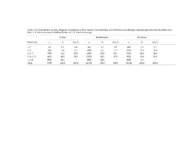
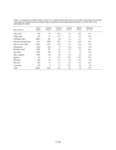
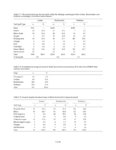
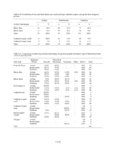
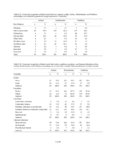
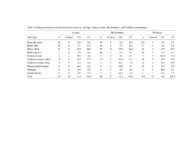
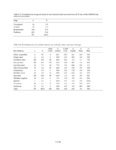
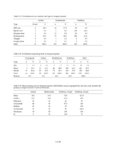
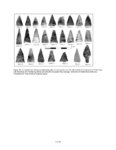
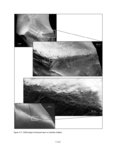
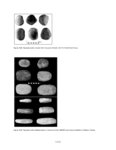
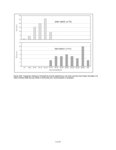
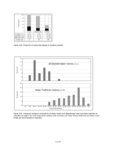
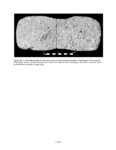
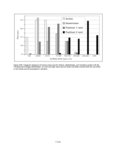
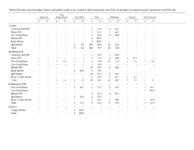
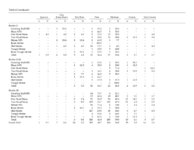
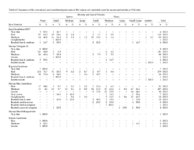
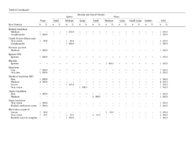
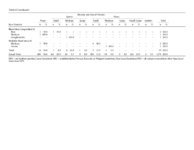
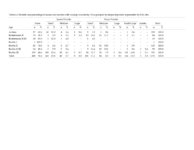
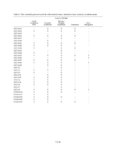
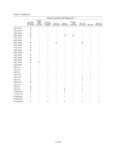
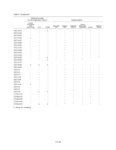
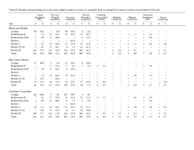
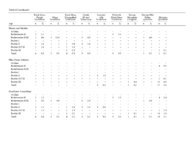
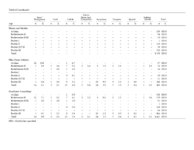
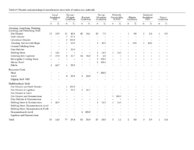
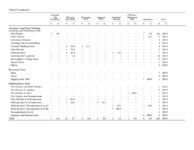
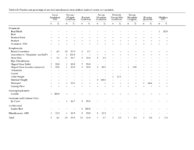
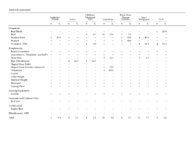
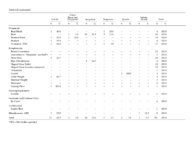
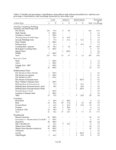
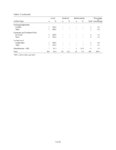
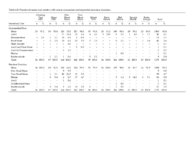
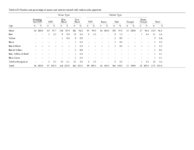
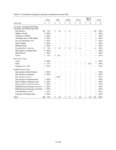
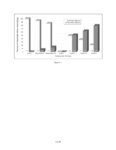
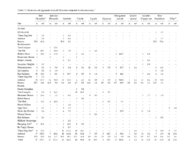
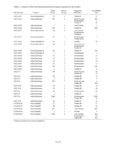
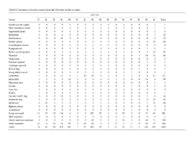
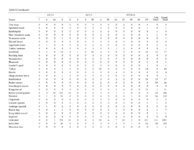
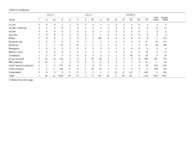
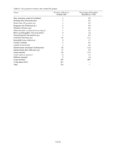
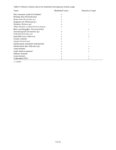
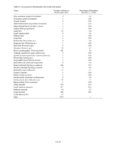
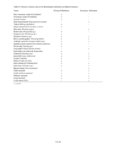
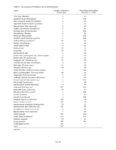
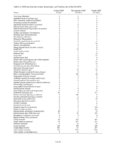
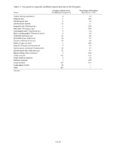
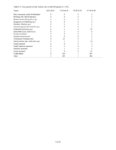
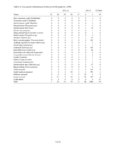
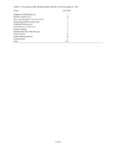
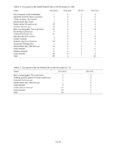
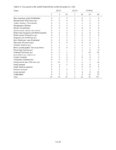
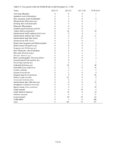
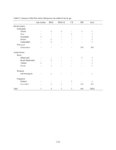
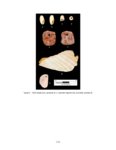
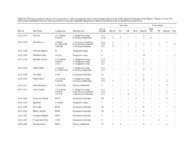
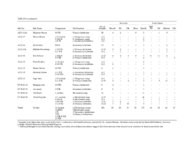
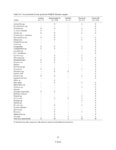
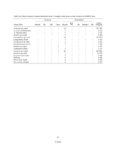
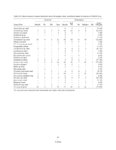
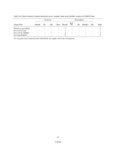
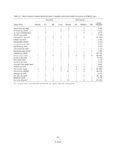
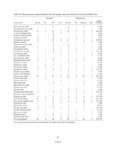
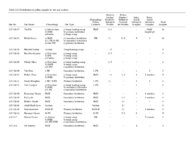
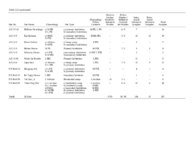
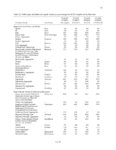
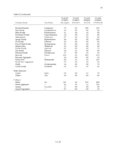
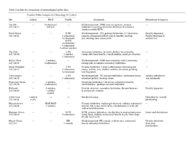
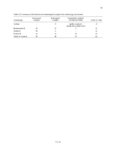
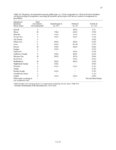
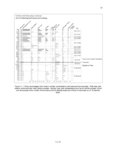
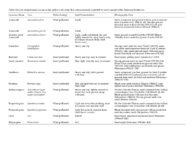
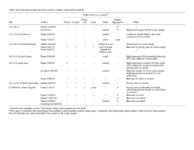
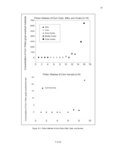
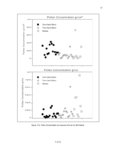
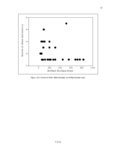
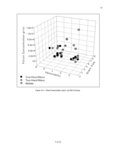
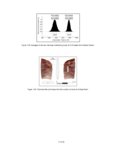
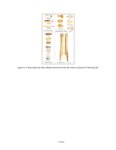
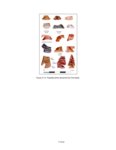
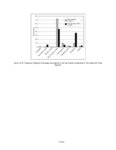
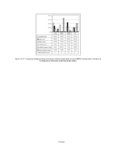
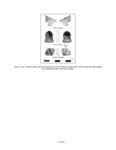
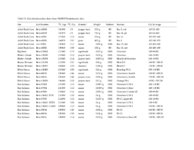
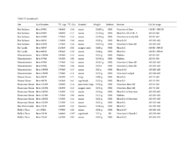
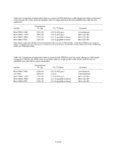
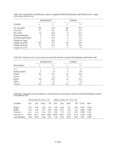
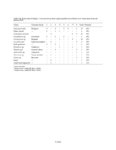
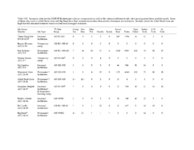
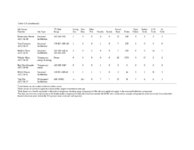
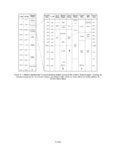
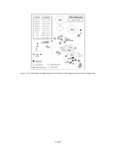
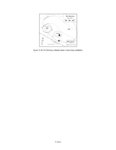
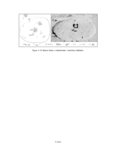
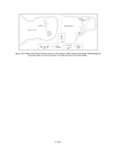
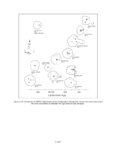
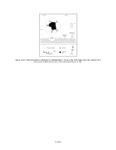
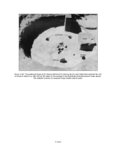
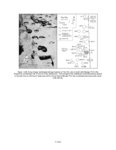
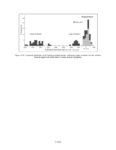
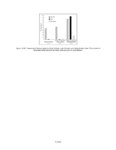
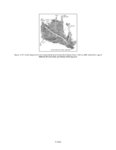
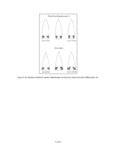
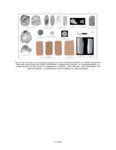
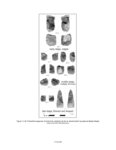
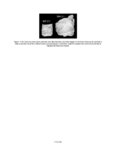
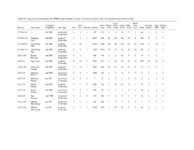
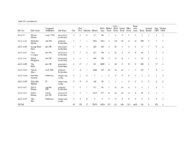
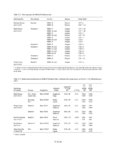
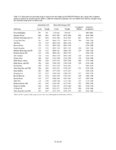
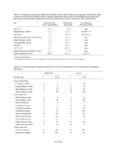
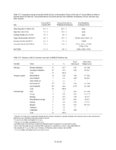
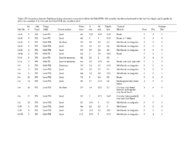
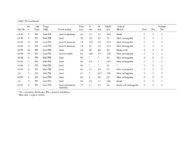
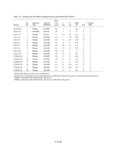
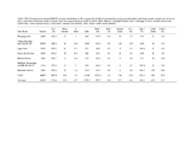
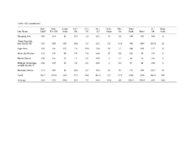
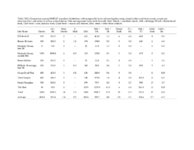
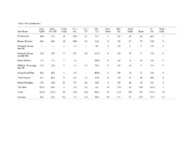
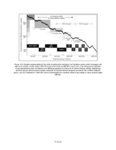
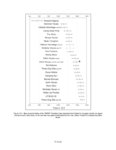
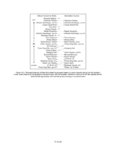
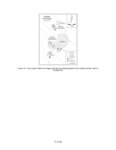
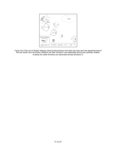
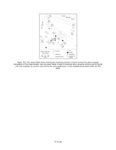
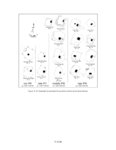
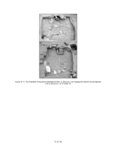
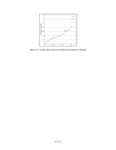
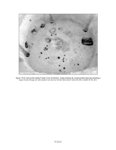
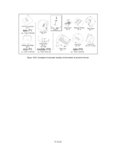
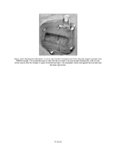
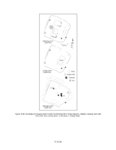
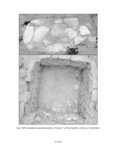
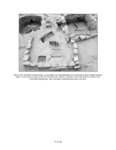
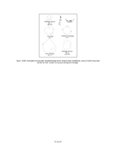
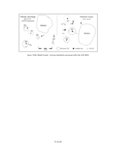
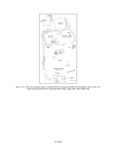
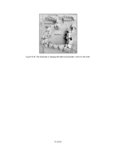
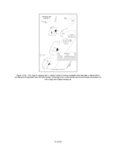
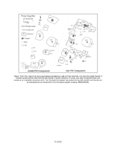
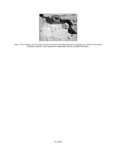
Show distinguishing (although with some overlap) between those best suited to producing fine yarns and those best suited to producing medium ones" (1998:43). Unfortunately, these characteristics cannot be used to determine what type of fiber was being spun. Teague (1998) has provided summary statistics for the mean maximum diameter and mean weight for an ethnographic sample of spindle whorls. Teague determined that fine yarns were made using spindle whorls with a mean diameter of 27.647 ± 7.90 mm and a mean weight of 16 ± 6.16 g, medium yarns with a mean diameter of 67 ± 19.55 mm and a mean weight of 61.500 ± 35.15 g, and heavy yarns with a mean diameter of 196 mm (1998:45). Mean weight for heavy yarns could not be determined due to lack of specimens. Measurements for the 18 spindle whorls or spindle whorl blanks are provided in Table 2.63, along with the estimated yarn weight for the complete or nearly complete examples. Only a few could be classified and these may have been used for fine or medium yarns; many of the measurements lie between the mean ranges for fine and heavy yearns. Disks The disk category was reserved for circular sherds modified by grinding, flaking, or both. This category includes several subcategories for descriptive purposes: jar stopper, gaming piece, and disk or spindle whorl fragment. Jar stopper is used for items that are large enough to cover the opening of a jar. Gaming piece is for small items. The disk or spindle whorl fragment category is reserved for fragments where the presence of a drill hole is questionable or where the fragment is too small to infer function. There were 67 disks in the N16 assemblage (Table 2.64, Figure 2.43), represented by 72 sherds before refits or before sherds from the same item were recognized. Most were made from Tusayan White Ware sherds. Tsegi Orange Ware sherds, a Mesa Verde White Ware sherd, Tusayan Gray Ware sherds, Local Utility Ware sherds, and indeterminate grayware sherds were also used for disks. About half (36) of the disks can be classified as gaming pieces, due to their small size, ranging from 1.0 cm to 2.7 cm in diameter. The 13 disks that were complete enough to measure ranged in size from 3.0 cm to 6.4 cm in diameter. One item was a possible bead blank or small gaming piece. It was ground on both surfaces and along its edge. It measured 1.02 cm in diameter and 0.25 cm thick. The remaining sherds (17) were either fragments of disks or disk blanks. The disks were divided between those that were only flaked into shape, those that were only ground into shape, and those both flaked and ground into shape; these may reflect various stages of production. Disks were recovered from a variety of contexts (Table 2.65). Most were collected from the fill associated with structures, but a few came from floor fill. Some were from middens or trash areas. Most of the sites with disks are in the northern portion of the study area. All but one are primary habitations; Bonsai Bivouac is a secondary habitation. Tablets The tablet category includes rectangular sherds shaped by grinding, flaking, or both. Small tablets may be considered gaming pieces because of their size. The N16 project yielded 15 items classified as tablets (Table 2.66, Figure 2.44). Most were made from Tusayan White Ware sherds, probably to use the design for the piece. Tsegi Orange Ware and Local Utility Ware sherds were also used. Most were complete and were ground either on two edges or all the way around. Twelve could be considered gaming pieces because of their small size, but two of these could be pendant blanks. These were oval, square, rectangular, triangular, or trapezoidal in shape. The smallest was oval, measuring 1.79 x 0.84 cm, and the largest was triangular in shape, with its three sides measuring 4.73 x 3.35 x 2.74 cm. One tablet was very large (Figure 2.45), measuring 14.7 cm long x 10.0 cm wide. The two longer edges were ground and the two shorter edges were shaped. This was made from an ash-tempered indeterminate Tusayan White Ware jar sherd recovered from Trash Area 3 at Hymn House. Of the remaining tablets, one was incomplete and was probably too large to be a gaming piece, and the other was unusual and may have been a blank. Tablets were recovered primarily from structural fill (Table 2.67), although a few came from middens or trash areas. One was associated with a subfloor and one with floor fill of structures. All but one came from primary habitation sites. The item from Ditch House came from a mixed Pueblo II/Pueblo III context that is believed to be a secondary habitation. Undifferentiated Worked Sherds The undifferentiated worked sherd category includes many small sherd fragments with one or more ground or flaked edges. Many fragments are too small to determine their size or shape, or have too small V.2.51 |