| OCR Text |
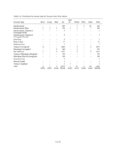
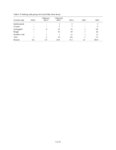
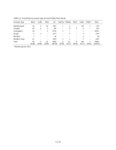
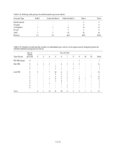
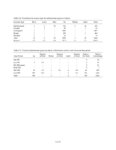
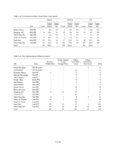
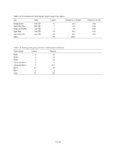
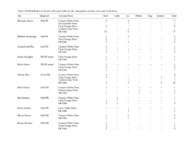
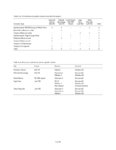
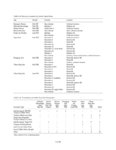
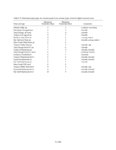
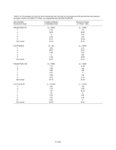
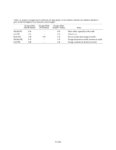
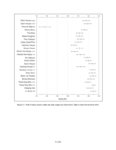
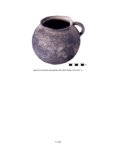
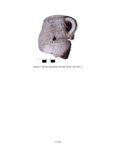
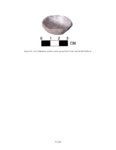
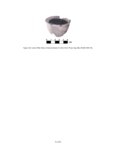
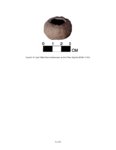
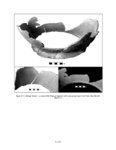
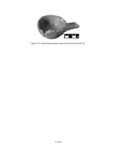
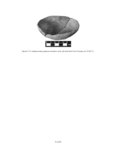
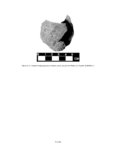
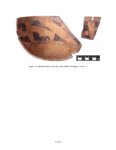
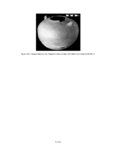
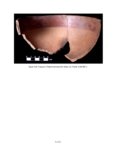
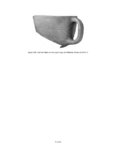
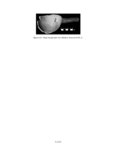
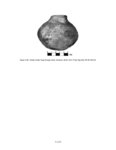
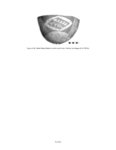
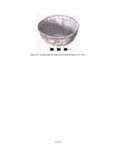
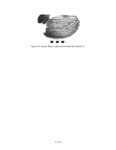
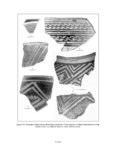
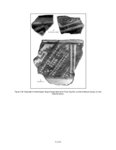
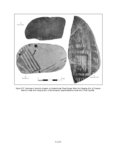
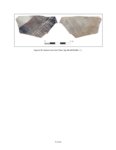
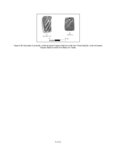
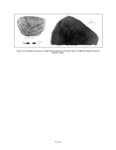
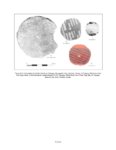
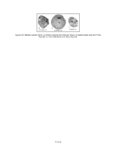
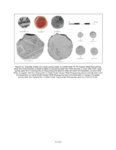
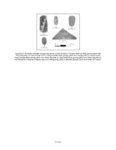
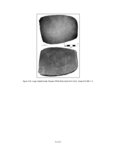
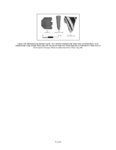
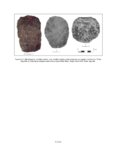
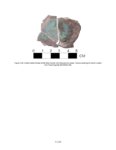
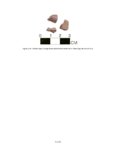
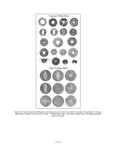
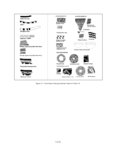
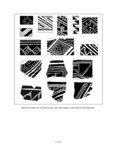
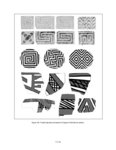
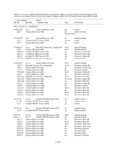
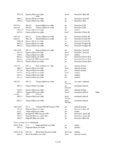
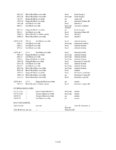
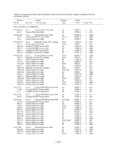
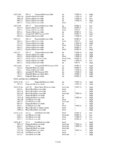
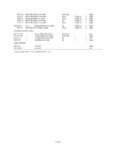
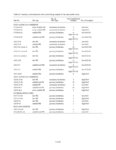
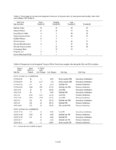
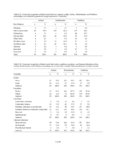
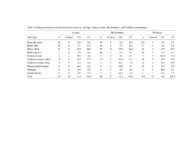
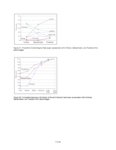
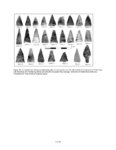
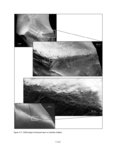
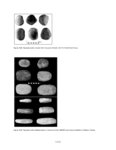
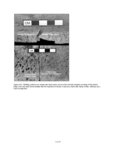
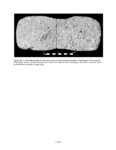
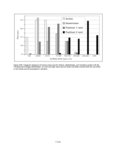
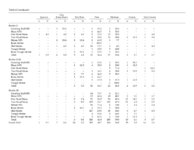
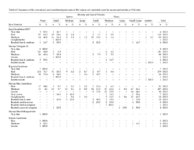
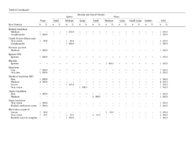
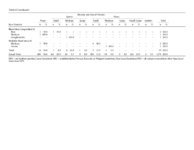
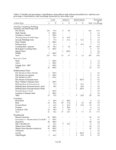
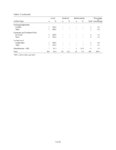
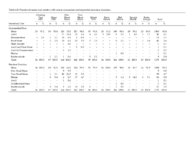
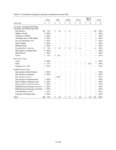
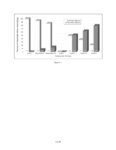
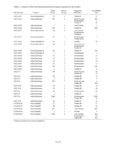
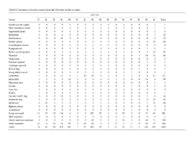
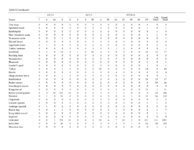
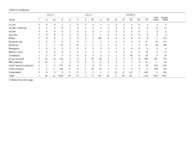
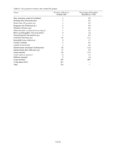
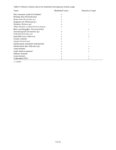
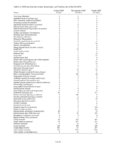
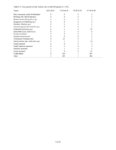
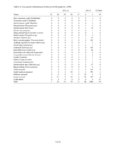
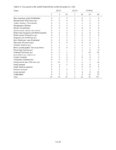
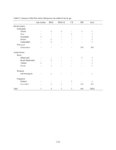
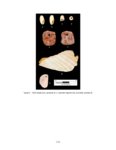
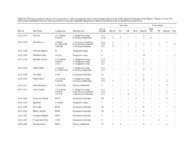
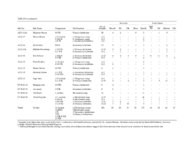
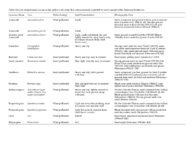
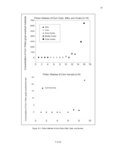
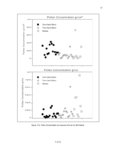
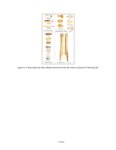
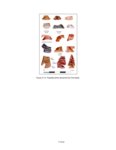
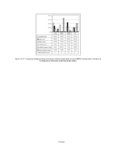
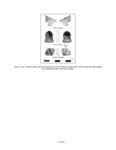
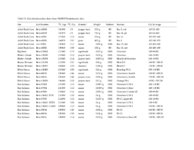
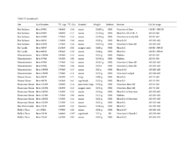
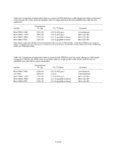
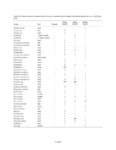
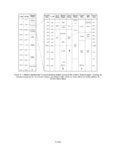
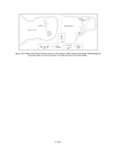
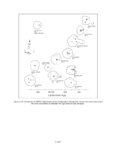
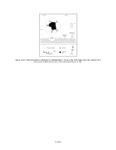
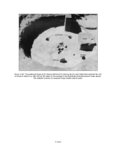
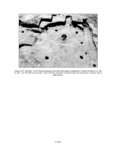
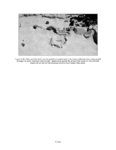
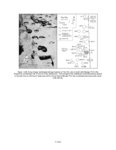
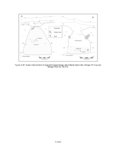
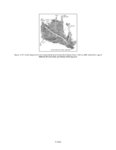
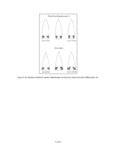
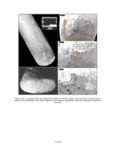
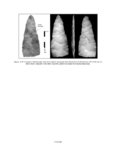
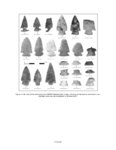
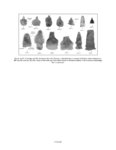
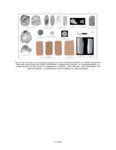
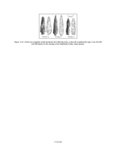
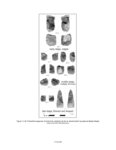
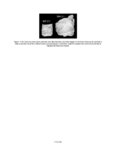
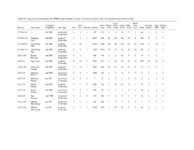
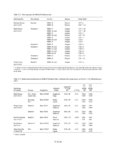
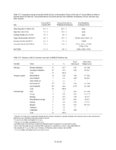
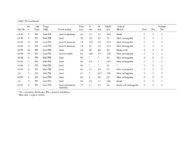
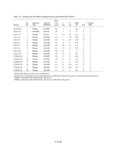
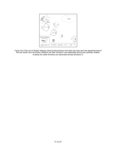
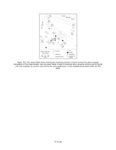
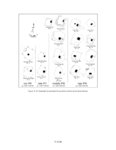
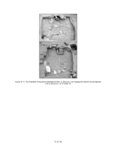
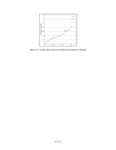
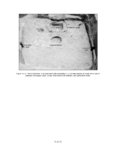
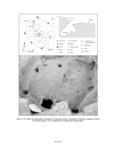
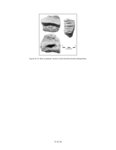
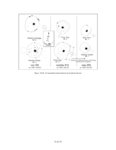
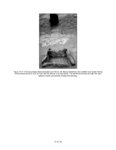
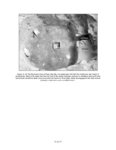
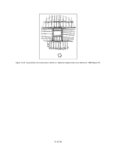
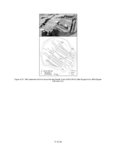
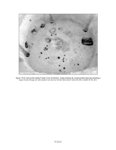
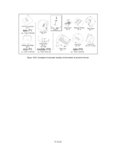
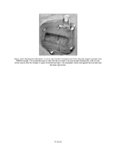
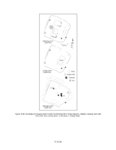
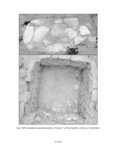
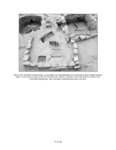
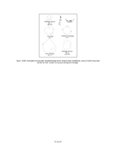
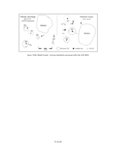
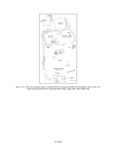
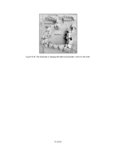
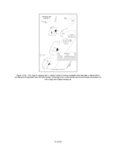
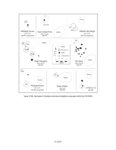
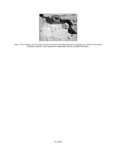
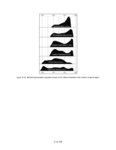
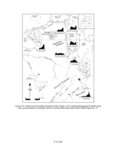
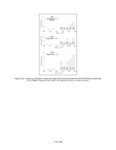
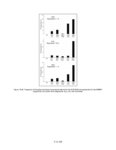
Show made from an ash-tempered Tusayan Black-on-white jar sherd. One edge was bifacially flaked to produce a potential cutting edge. It was recovered from a cultural stratum. Pendants The pendant category includes sherds shaped by grinding with a hole drilled off-center, usually near an edge, to suspend the item. Pendants can be round, square, rectangular, oval, or triangular. Six pendant fragments were recovered (Table 2.59, Figure 2.39); they were associated with middle to late Pueblo III period sites in the northern portion of the study area. Most were recovered from structural fill or midden contexts at primary habitation sites; three were from Water Jar Pueblo and two were from late Pueblo III occupation at Three Dog Site. One was from the general site collection at Bonsai Bivouac, a secondary habitation. Three were made from Tusayan White Ware jar sherds, one from a Tusayan White Ware bowl sherd, and two from Tsegi Orange Ware bowl sherds. Not all had holes drilled to suspend them, but they were placed in this category based on overall shape and size. Three were rectangular, ranging in size from about 3 x 2 cm to 2.5 cm. One was triangular and measured 3.25 cm long x 1.82 cm in maximum width. One was round and measured 3.2 cm at its maximum diameter. One was a perforated lug handle fragment with several ground edges; it was classified as a possible pendant. Scoops Scoops have a beveled edge due to "scooping" contents from a vessel (Blinman 1989). Scoops are made from relatively large sherds that may or may not be shaped. Four scoops were recovered from the N16 project (Table 2.60, Figure 2.40). The two scoops from the Pueblo II/Pueblo III mixed component at Ditch House, a secondary habitation, were recovered from Mealing Bin 2. The indeterminate whiteware scoop was from a bowl sherd. It was tempered with crushed sherd and was probably of local origin. One edge and adjacent corners were ground. It was probably used on a soft material, like a vessel, rather than on a hard material, like a metate. The other scoop was made from a Tsegi (Plain) Orange bowl sherd and was also used with something soft. Hammer House, a primary habitation, also yielded two scoops. One was made from a Dogoszhi Black-on-white bowl sherd and had one beveled edge. It was recovered from the midden. The other comprised about 20 percent of a Medicine Black-on-red bowl, and was possibly used as a scoop in a nearby mortar or ash pit; it was recovered from the floor of Structure 2. Both surfaces have some black residue, probably soot. Spindle Whorls Spindle whorls are circular in shape with a hole drilled in the center. They are shaped by flaking, grinding, or both. Circular items without a drill hole or those with a partially drilled hole in the center are identified as spindle whorl blanks. Spindle whorls are used as weights on spindles for the spinning of fibers into yarn. Seventeen spindle whorls and spindle whorl blanks were collected from N16 sites (Table 2.61, Figure 2.41). The nine spindle whorl blanks either had a partially drilled hole in their center or were not drilled but were the right size and shape for a spindle whorl. Most of these were flaked, and then ground into shape. Drill holes were usually drilled from both sides. Most were made from Tusayan White Ware sherds, but some were made from Tsegi Orange Ware sherds and one was made from a Tusayan Corrugated sherd. Most spindle whorls were recovered from structural fill or midden contexts (Table 2.62). All but one were from primary habitation sites. The item from Ditch House came from a mixed Pueblo II/Pueblo III context that is believed to be a secondary habitation. Three modeled spindle whorls were observed in the N16 assemblage (Figure 2.42). Although these were not modified, they are discussed here because of their likely function as spindle whorls. The one from Hammer House was a very crude unfired mudware. About a quarter of the item remains but there appears to be a central molded hole. The remaining two were from the late Pueblo III occupation of Three Dog Site. One was classified as an indeterminate ware and was tempered with coarse quartz sand and crushed sherd. It was not fired very well and was about 40 percent complete. It appears that the hole was made by perforating the clay when it was still wet. It was recovered from the fill of Structure 11. The other was complete but it does not appear to be fired all that well. It was identified as a Local Utility Ware with sandstone (SS1) added as temper. It has a very small hole and may in fact be a bead and not a spindle whorl. It was recovered from the floor of Structure 18. Estimates of yarn weight being spun may be calculated from spindle whorl dimensions. Teague found that "the physical characteristics of spindle whorls vary with the yarn size that is to be produced, V.2.50 |