| OCR Text |
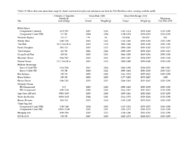
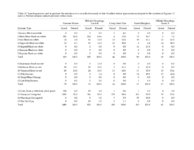
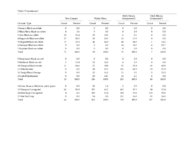
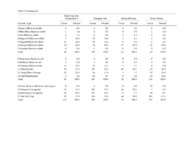
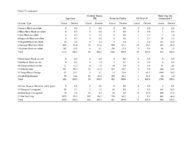
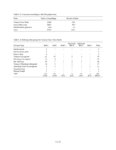
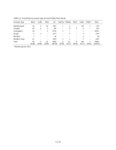
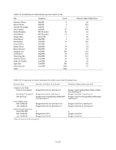
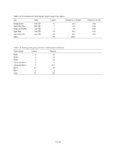
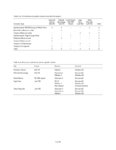
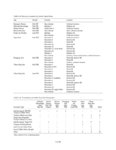
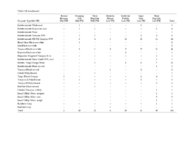
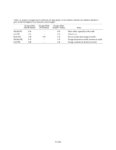
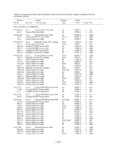
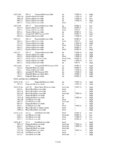
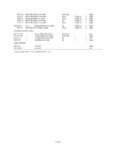
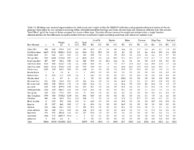
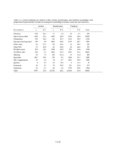
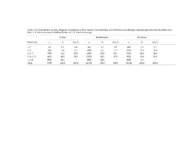
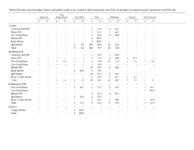
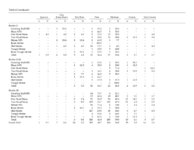
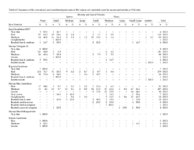
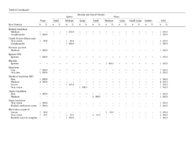
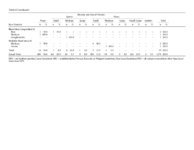
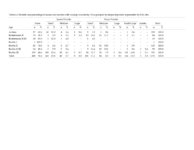
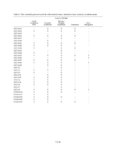
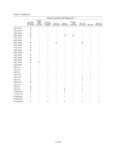
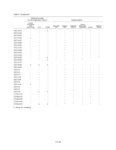
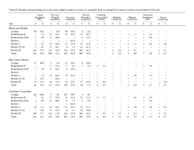
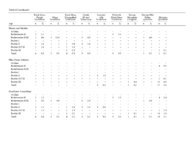
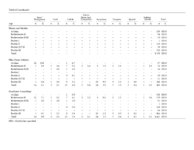
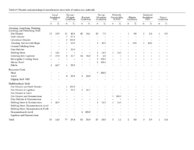
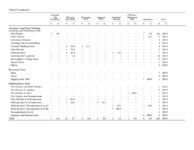
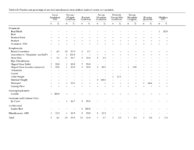
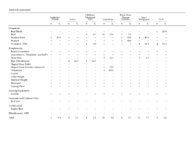
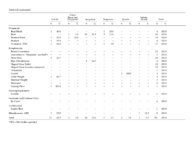
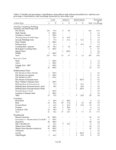
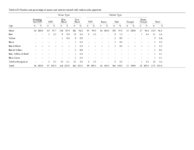
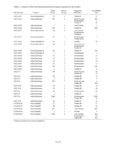
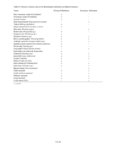
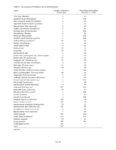
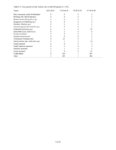
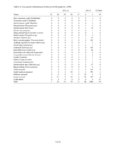
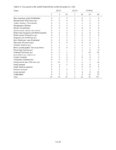
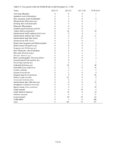
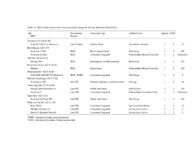
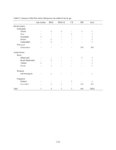
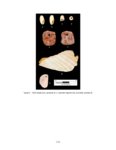
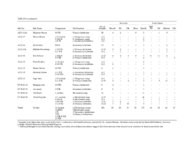
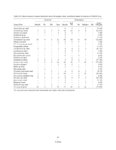
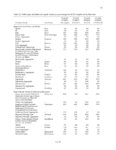
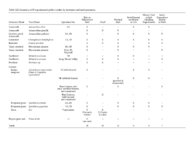
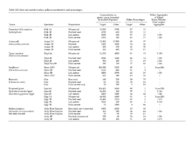
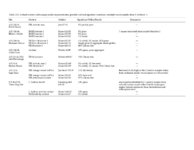
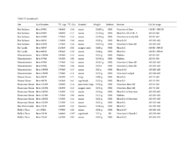
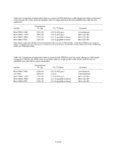
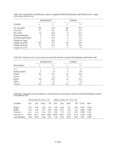
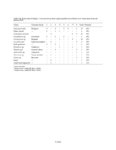
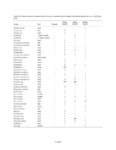
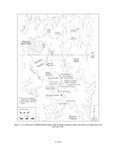
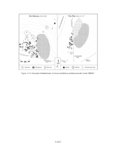
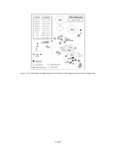
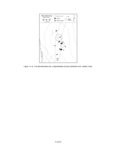
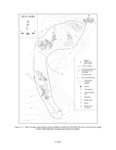
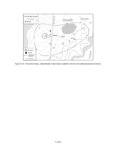
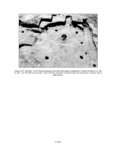
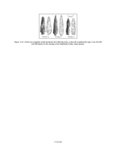
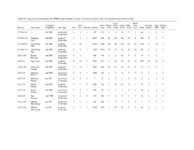
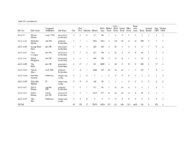
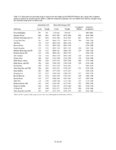
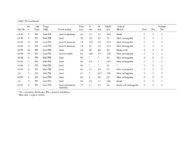
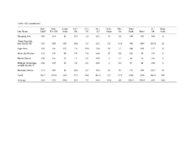
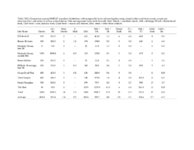
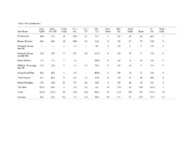
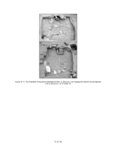
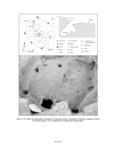
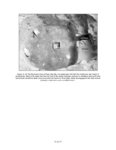
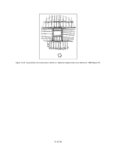
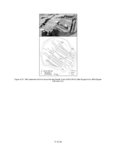
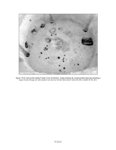
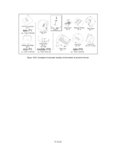
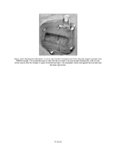
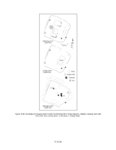
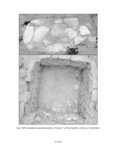
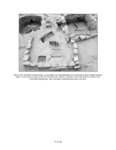
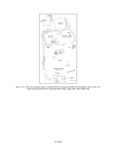
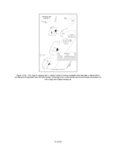
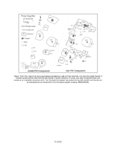
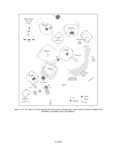
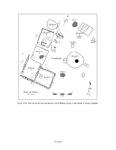
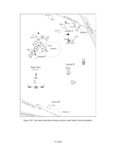
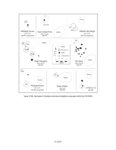
Show both. We tend to believe that much of the rock was used for stone boiling, both because no roasting pits were found in or around the structure and because most of the burned limestone had been reduced into small chunks. Artifacts from the site as a whole are limited to 243 flakes, 6 flaked stones tools and cores, 3 fragments of a single metate, and 3 other stone artifacts; faunal bone was limited to 22 fragments (see Table 14.10). Overall recovery would have been greater had the entire midden been excavated such as at other secondary habitations, but still probably less than 1000 items total (artifacts and bone combined). To the east of the excavated structure at Panorama House occur other features, all of which are exposed on the eroded slope. These features, along with a light scatter of artifacts, are probably associated with a buried structure that occupies a level area of the sand ridge, just like the excavated structure within the ROW. The features exposed on this slope are only likely to be located here if there is indeed another house to the east of the excavated example. The ridge provides an ideal setting for a house because of the level deep sand, and it may have been used several times for this propose but with the structures non-contemporaneous. Secondary habitations appear to have served as the domicile of a single residential unit, which judging from structure size and number was either a nuclear family or small extended family. In the one excavated case with two living structures, Polly's Place, the structures were not contemporaneous, just grouped together based on spatial proximity (although there may well have been a generational family connection). If there was some larger social grouping of multiple families residing in secondary habitations, then it existed above the level of a single site and is not yet spatially obvious to archaeologists because we lack thorough survey coverage. It is easy to envision several related families occupying their own secondary habitations but placing these all within a kilometer or so of one another as a means to maintain their social bond and for mutual protection. Numerous Basketmaker II sites that appear to qualify as secondary habitations are grouped together around the rim of Piute Canyon in the area where most of the excavated examples occurred. Clustered residential sites might well form larger communities-examples of what Matson (1991:82) designated as dispersed villages with regard to a similar pattern on Cedar Mesa. Open Camps This class of site is poorly represented in the NMRAP sample, in part perhaps as an indirect result of the numerous Basketmaker habitations along the ROW. Camps are unnecessary when home is nearby. The probable ecological reason behind this pattern is that the N16 ROW traverses an area well suited to farming and semi-permanent settlement. A greater concentration of camps might be expected in places more suited to gathering, yet at a distance from residential sites, such as the grass-covered benches of the Glen Canyon lowlands. Based on the few examples of the N16 excavations, there are camps that consist of little more than a hearth or two with next to no artifactual remains, camps with numerous hearths and moderate densities of remains, and camps with hundreds or thousands of flakes and biface production fragments. The latter seem to be the locations of intensive biface reduction, and can include dart point bases snapped across the notches. Maize occurs in some hearths at some camps, but is not common. Sites of this kind with early ceramics have yet to be identified but there are hearths dated by radiocarbon assays to the interval when early pottery was in use. Hunting Related Camps. Some of the Basketmaker camps lacked sufficient material remains for making a reliable inference as to function, other than knowing that they served some very limited purpose. Two sites stand out because of their abundant flaking debris, almost all derived from biface reduction, and the occurrence of flaked facial tools such as projectile points. Scorpion Heights is one such site and perhaps the clearest case. Excavations here exposed a small midden, five hearths, and two pits, and recovered a moderate assemblage of stone artifacts along with a few bones and minerals. Although extensively impacted by eolian and alluvial erosion, the extant pattern of features and artifacts allowed reconstruction of the site layout and use. The site appears to have been a composite of at least two separate use episodes that occurred during late Basketmaker II. The southern site area included a remnant of a small burned rock midden along with a hearth or two. The nature of the midden and the artifacts it contained is wholly consistent with this part of the site having served as a secondary habitation but with extensive erosion having removed all evidence of the structure (see Chapter 16 of Volume III). The northern portion of Scorpion Heights may contain slightly overlapping remains from two functionally distinct use episodes, or one episode with spatial division of activities. The quantity and type of debitage in the eastern part of the northern site area is indicative of intensive late stage biface production (percussion thinning and pressure flaking), including the reduction of initially thinned bifaces of white baked siltstone from northern Black Mesa. In this area, too, occurred a whole projectile point and five point bases, four of them broken across the notches and the fifth with its tip removed by an impact V.14.28 |