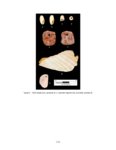
| OCR Text |
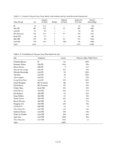
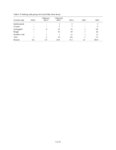
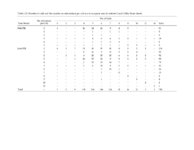
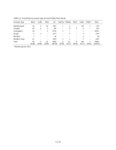
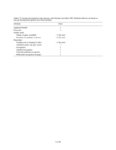
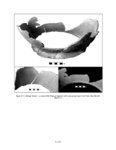
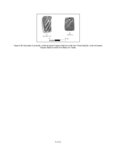
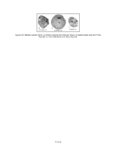
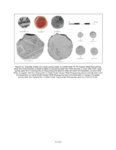
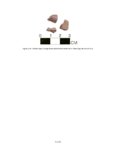
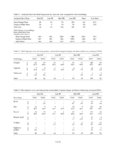
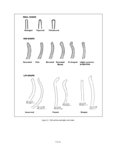
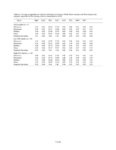
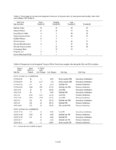
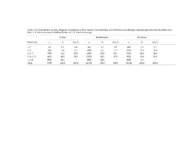
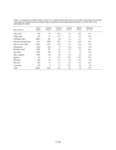
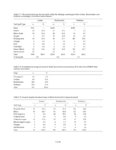
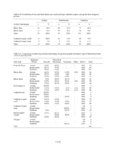
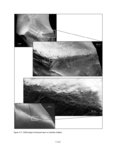
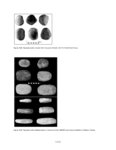
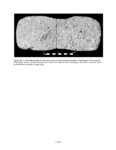
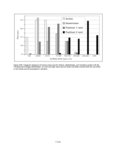
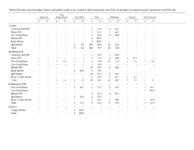
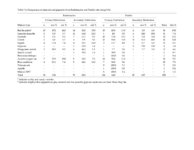
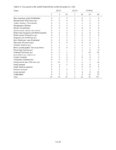
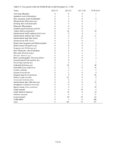
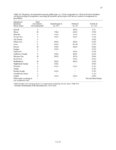
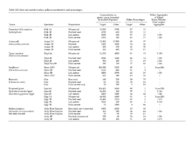
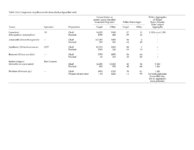
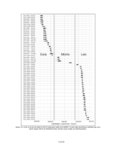
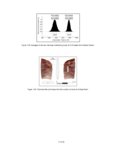
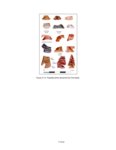
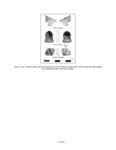
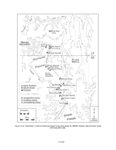
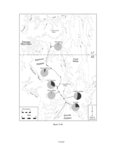
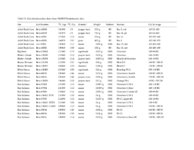
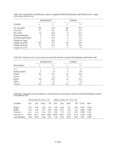
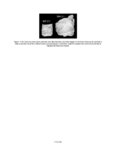
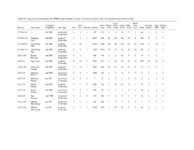
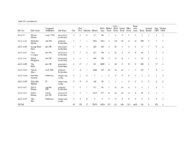
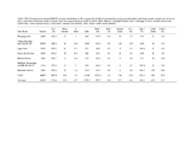
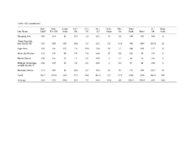
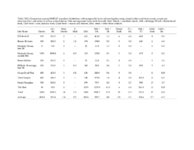
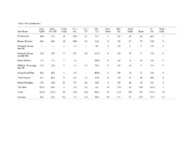
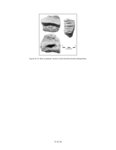
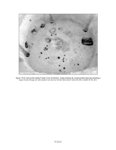
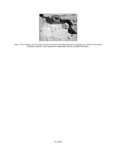
Show (Celtis reticulate), chokecherry (Prunus virginiana), and rose (Rosa sp.) The occurrence of pinyon in all of the early Archaic samples from Atlatl Rock Cave helps to confirm that this plant was present on the Colorado Plateau at the Utah-Arizona border at or shortly after 7000 cal. BC, a claim verified by the packrat midden study around Navajo Mountain (see Chapter 7 of Volume I). With pinyon unequivocally documented as a component of the Upper Sonoran flora from the early Holocene onward, this significant food resource must have played a role in structuring fall settlement behavior, especially during years of sporadic bumper harvests. The unfortunate story behind Atlatl Rock Cave is that criminals in 1993 destroyed a major portion (ca. 60 cu m) of the deposits and features at this previously pristine site, greatly reducing its scientific value. What little we currently know of the cave came in the wake of this tragedy while backfilling the massive pits to help prevent further damage. A cave of its caliber should have been preserved for posterity, but this is rarely if ever achieved. It would be extremely difficult these days for archaeologists to justify a permit to excavate 60 cu m from a cave such as this. The basic objection would be the need to preserve in place the rich record for future study after field and laboratory techniques have both improved and theory has advanced. Even if sufficient cause could be made, it would be a daunting task to find the funding for both the fieldwork and the analyses of the great diversity of remains that would be recovered. The unfortunate truth is that looters have no such constraints. Sites like Atlatl Rock Cave should be put on an endangered list, for their days are numbered. It is becoming depressingly common for archaeologists to be relegated to cleanup and damage assessment in the wake of severe looting, salvaging vestiges of remains and data from sites that were previously off limits to study. Although NNAD's work at Atlatl Rock Cave recovered valuable new information and artifacts and samples for future study, there is no way to recoup what was lost. Contrasting Camps: Three Dog Site and Tsé Haalʼá. Both of these sites date to the late Archaic and were perhaps used during roughly the same extended interval of time. The suite of radiocarbon dates for both sites shows considerable overlap in the interval from about 1300 to 1000 cal. BC. Three Dog Site evidently saw slightly earlier use at ca. 1500-1300 cal. BC and also transient use at ca. 800-500 cal. BC. These two sites are interpreted as residential camps because of similarly high densities and diversities of remains, yet they have differences worth considering. The differences are especially noteworthy since, as essentially contemporaneous and within several kilometers of each other, these sites easily could represent the remains from the same general band of foragers. Both sites have similar densities of faunal bone but significant differences in the density of grinding tools, debitage, and flaked stone tools. The difference in grinding tool density is largely the result of fragmentation at Tsé Haal'á, where single grinding slabs got broken in many small pieces, greatly inflating the count, whereas at Three Dog Site whole grinding slabs or large portions were recovered. Ninety-six percent of the 70 Archaic grinding tools from Tsé Haal'á consisted of small fragments (average weight is 759 g) whereas 44 percent of these tools from Three Dog Site were whole with another 13 percent as large fragments (average weight is 2694 g). This contrast is no doubt the result of rapid and deep burial by eolian sand at Three Dog but a lack of such at Tsé Haal'á, which left the grinding tools exposed and subject to the destructive forces of nature. Bone is similarly far more fragmented at Tsé Haal'á than at Three Dog Site, although this is not readily apparent from the analysis results. A hint of the truth to this is apparent in how few of the specimens from Tsé Haal'á could be identified to at least the genus level (5/283 or 1.8%) compared to Three Dog Site, where just under 18 percent of the bone was identifiable to the genus level (51/286 or 17.8%; Table 13.10). Although perhaps also related to differential preservation of faunal remains, another interesting difference between these two sites concerns bone artifacts. No worked bone came from Tsé Haal'á but excavations at one portion of the late Archaic component of Three Dog Site recovered whole and fragmented beads along with other modified bone (Figure 13.14). Among the latter are the evident scraps from bead production, revealing the likely species and elements that the late Archaic foragers used to make their beads. The scraps consist of cottontail and jackrabbit articular ends of long bones, especially metatarsals, which were detached by score-and-snap incisions. Removal of articular ends created tubes or bead blanks that were finished by abrading smooth the irregularities of the scored and snapped cuts. These small tubular segments could then be strung and worn without further modification, with long wear providing use-polish and smoothing. Evidently the late Archaic foragers at Three Dog Site replaced old beads that were lost or discarded with new ones made from current kills, an activity that seems consistent with interpreting the site as a residential camp. The contrast between Tsé Haal'á and Three Dog Site in debitage and flaked stone tools cannot be accounted for by differential preservation. There is greater diversity in the flaked facial tool assemblage from Tsé Haal'á (8 of 8 classes) than from Three Dog Site (4 of 8), but this seems to be largely a sample V.13.37 |