| OCR Text |
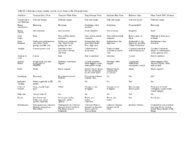
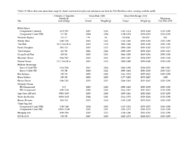
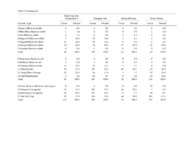
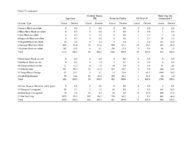
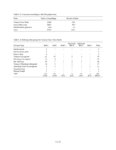
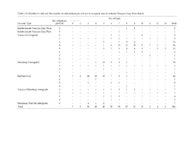
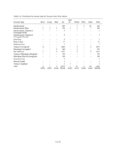
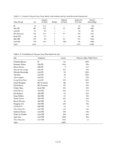
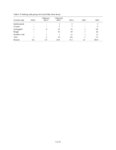
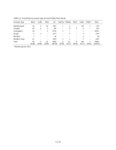
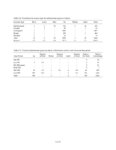
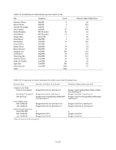
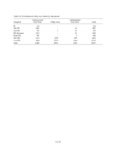
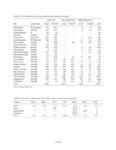
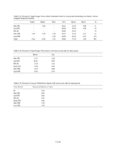
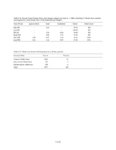
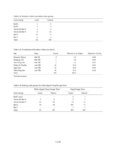
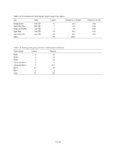
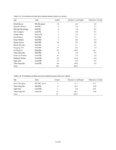
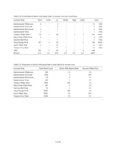
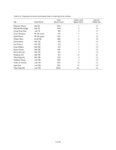
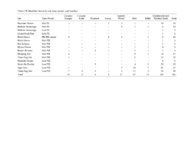
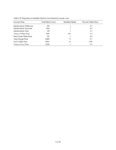
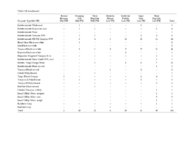
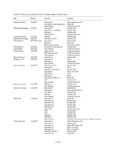
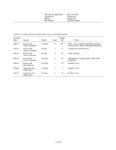
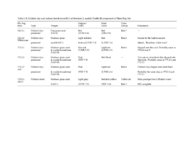
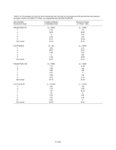
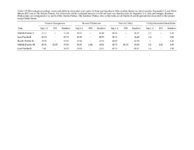
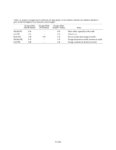
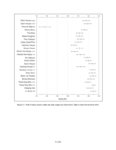
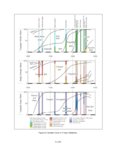
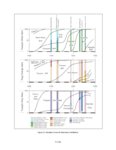
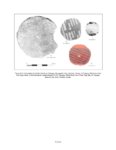
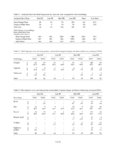
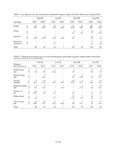
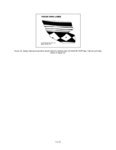
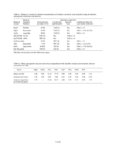
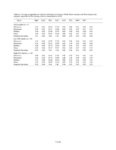
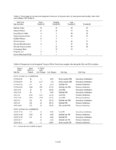
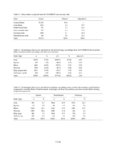
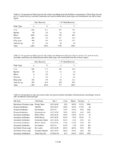
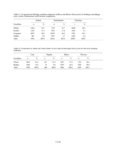
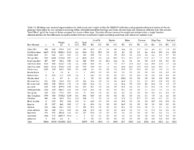
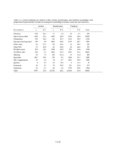
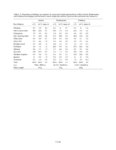
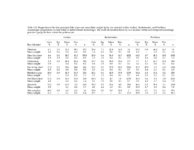
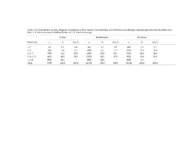
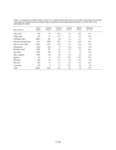
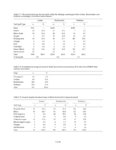
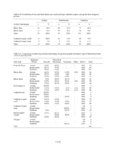
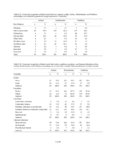
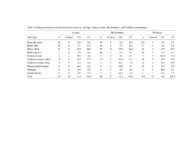
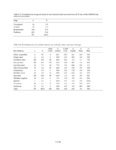
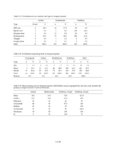
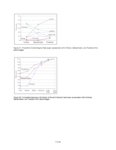
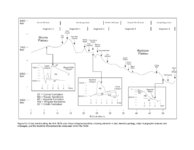
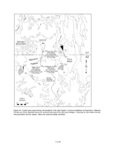
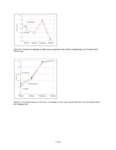
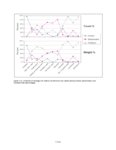
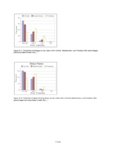
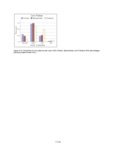
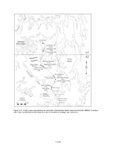
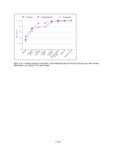
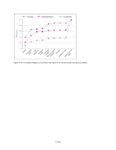
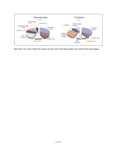
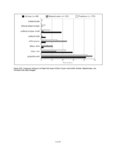
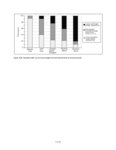
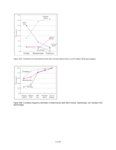
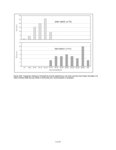
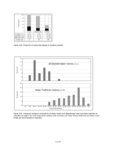
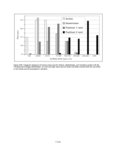
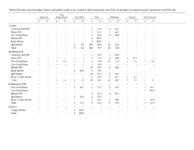
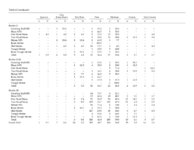
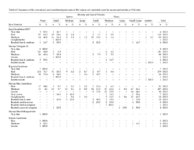
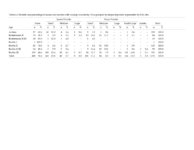
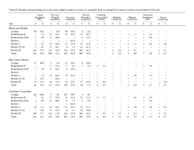
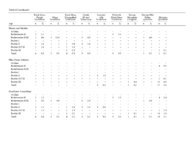
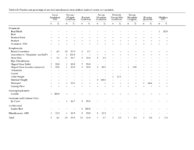
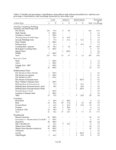
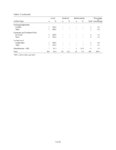
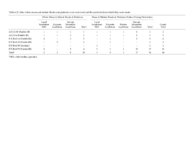
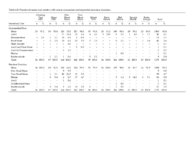
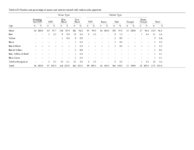
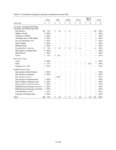
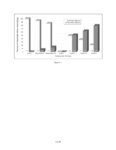
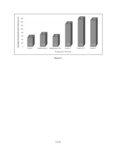
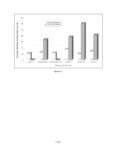
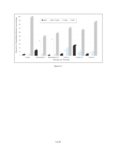
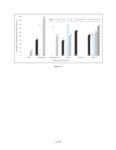
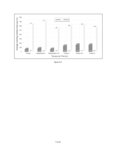
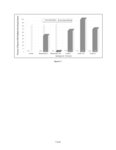
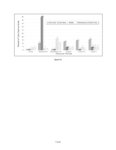
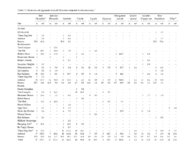
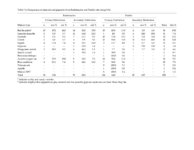
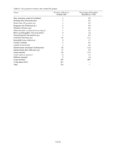
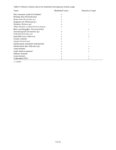
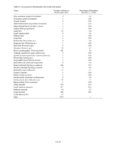
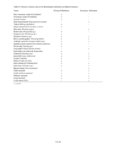
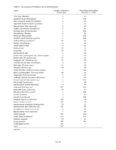
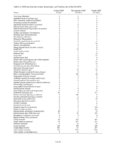
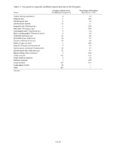
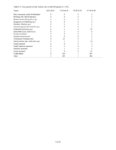
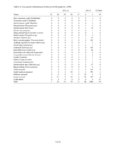
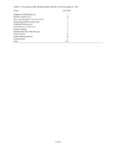
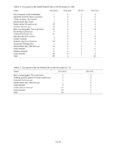
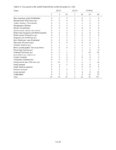
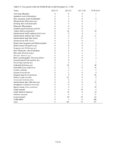
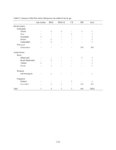
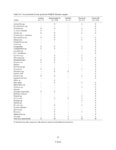
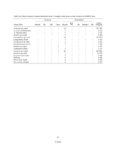
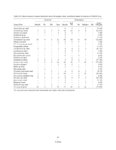
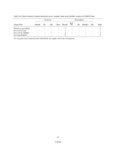
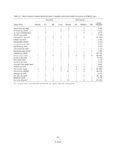
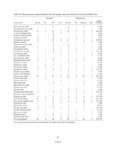
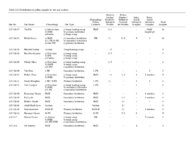
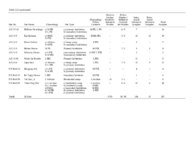
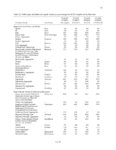
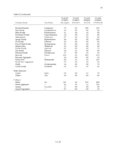
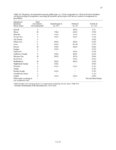
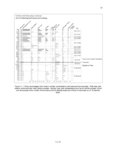
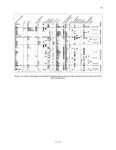
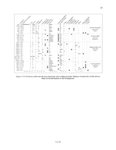
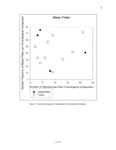
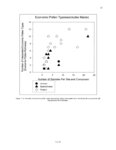
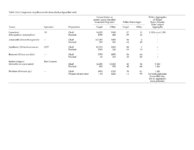
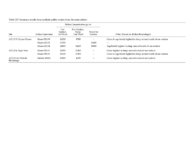
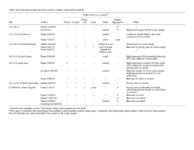
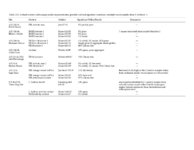
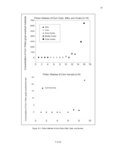
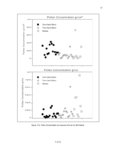
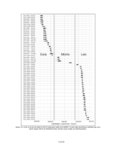
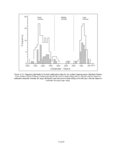
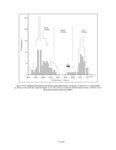
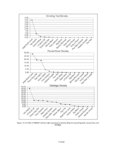
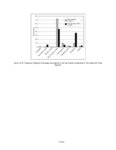
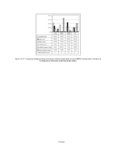
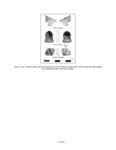
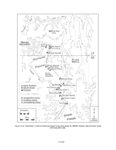
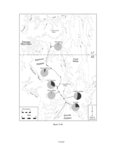
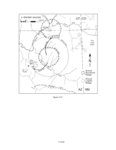
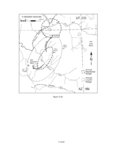
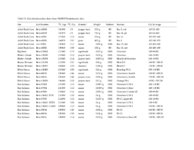
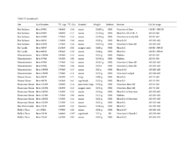
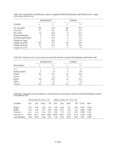
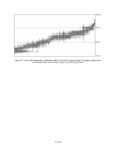
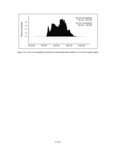
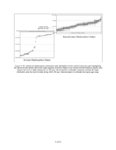
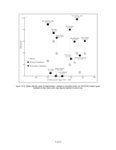
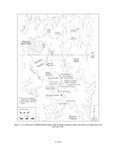
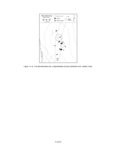
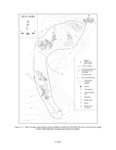
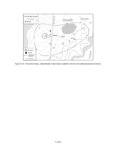
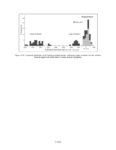
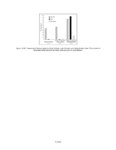
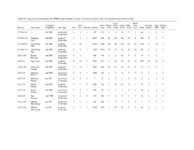
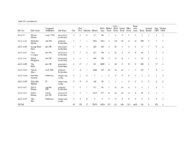
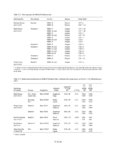
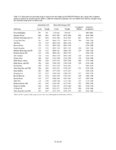
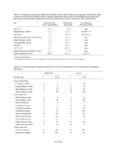
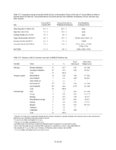
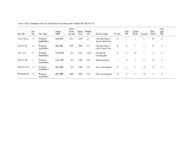
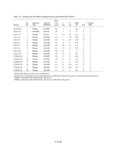
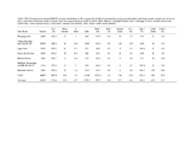
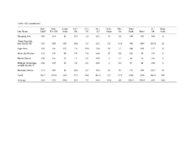
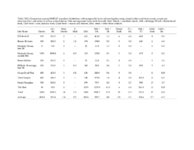
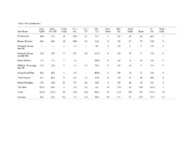
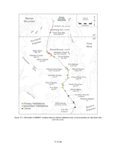
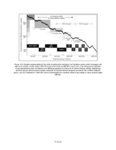
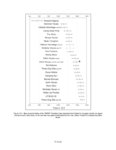
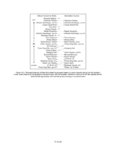
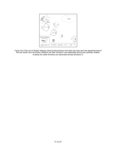
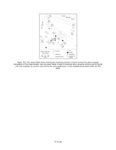
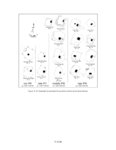
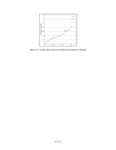
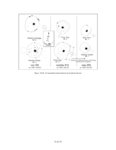
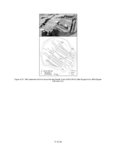
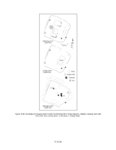
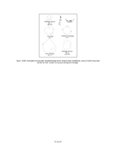
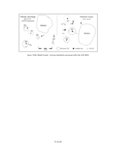
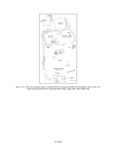
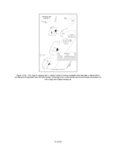
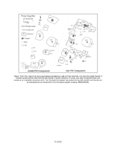
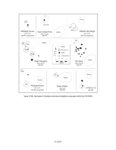
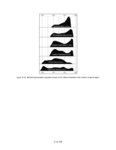
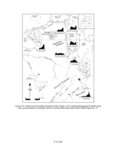
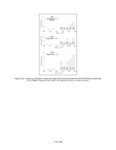
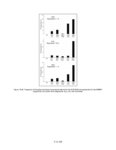
Show around the foot of Navajo Mountain. On this project we lacked the quantification of debris in middens using heavy fractions, something that would have been very useful. Although the field recovery of sandstone debris tends to be quite biased, virtually the same personnel worked in the field for the entire project so the bias is likely to be roughly equal from one end of the ROW to the other. Figure 15.14 shows the proportion of sandstone flakes that occur within each of the Puebloan debitage assemblages. Sites from which no sandstone debris was recovered are shown by the triangles labeled with small font. As this figure clearly demonstrates there is an increase in the representation of sandstone flakes as one approaches the foot of Navajo Mountain. The 13.5 percent representation represents a sizable number of flakes (n = 1113) given how large the flake assemblage is from this site. For sites such as this the amount of debris recovered is probably just a fraction of what is actually present, representing only the largest and therefore the most obvious sandstone flakes, some of which have grinding areas on platforms or dorsal surfaces because of recycling used tools. The more than 50 percent representation at UT-B-63-19 is a special case because this site is a secondary habitation, probably one associated with tending fields, and therefore probably represents a more limited sample of activity diversity and in this case one involving proportionally more reduction of sandstone. An emphasis on grinding tool production at sites around Navajo Mountain is also indicated by the relative abundance of manos and metates along with the presence of unfinished items, including those broken in manufacture (see the following chapter on grinding tools). DEBITAGE CORTEX Cortex, which refers to the natural exterior of a chunk of raw material, occurs in several different recognizable forms depending upon rock formation, weathering, and secondary transport. Cortex is widely used to assess the intensity of reduction of different raw materials and the differential staging of reduction within a settlement system. Some cortex inevitably gets removed during the production, use, and modification of stone tools. The degree to which cortex is removed depends upon several interacting factors such as distance between a resource and site (Chapman 1977), resource nodule size (Fish 1981) and mode of occurrence (e.g. bedded chert, water-worn cobbles), the tool forms to be produced along with the method(s) of production, and the extent of use and refurbishing, all of which influence archaeological interpretation. Based on an efficiency model of human behavior, the relative amount of cortex may reflect distance to lithic resources. Materials from distant sources may have little cortex represented, since the production of tools from these materials would take place at or near the source areas so as to eliminate transporting extra weight. Nevertheless, outcrops of bedded limestone, sandstone, and chert can have comparatively less in the way of recognizable cortex and can weather out as large blocks or boulders. This contrasts with resources occurring as alluvial cobbles or lag deposit nodules. Not only is "river" and "lag" cortex easily identified, but the small size of many nodules increases the chance of cortex being represented in an assemblage. The kinds of tool forms produced from various raw materials and the production methods used also have a large effect on the relative amount of cortex present. Compare, for example, the production of an expedient flake for cutting versus a bifacially thinned knife blade, or an axe produced solely by flaking versus one produced by pecking and abrasion. Indeed, cortex could form a desired element of an implement. Interpretation of the cortex variable thus involves consideration of numerous factors. In a general sense, however, the smaller the percentage of cortex, the more intensive the reduction or initial reduction was conducted elsewhere. A high proportion of debitage cortex can indicate the production of low-input implements or the initial stage of producing high-input ones; it depends on comparison with other technological indicators. A near lack of cortex could indicate either the latter stages of producing highinput implements and their refurbishment or the prior preparation of cores. This in turn implies that sites of primary production are located elsewhere, perhaps near the material source. Debitage cortex representation according to the three temporal periods of the NMRAP site sample is presented in Figure 5.15. Table 5.14 lists the proportion of flakes within various raw material classes that retain dorsal cortex and the the proportion of flakes with cortex by temporal period. The three values of cortex cover consist of none, less than half, and greater than half. It is easy to consistently place flakes within these categories. As this figure shows, there is a progressive increase in cortex cover at sites from the Archaic through Basketmaker to Puebloan periods. Nearly all of the Archaic debitage lacks cortex (96%). Of the 4 percent Archaic flakes with cortex, most have less than 50 percent cover. In contrast, 15 percent of the Puebloan flakes retain cortex, with 4 percent of these having greater than 50 percent cover. Figure 5.16 provides technological insight to the overall pattern in cortical data. This graph presents the proportion of cortical flakes for each of six flake types within the temporal periods. In all periods core and bipolar flakes have the highest proportion with cortex. This is especially true of bipolar flakes from V.5.26 |