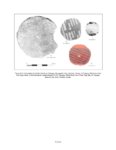
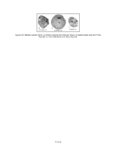
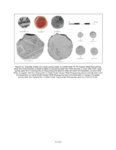
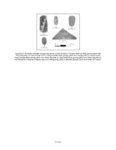
| OCR Text |
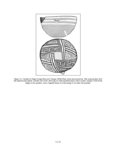
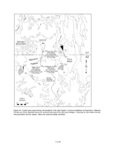
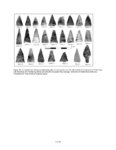
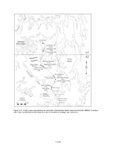
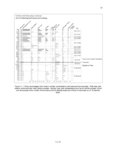
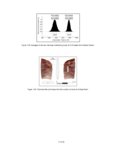
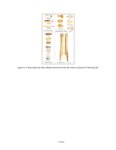
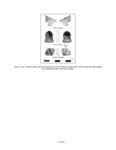
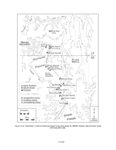
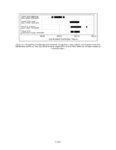
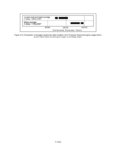
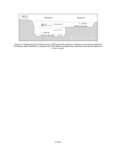
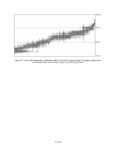
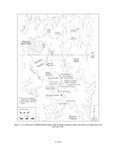
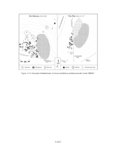
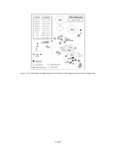
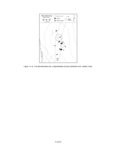
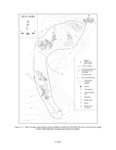
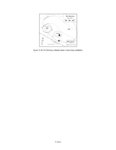
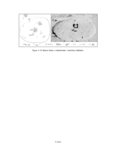
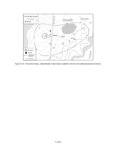
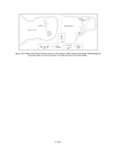
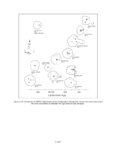
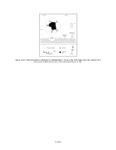
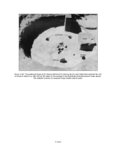
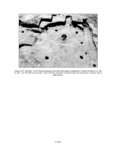
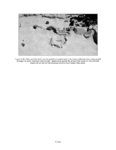
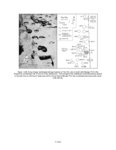
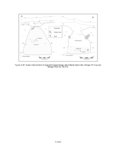
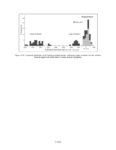
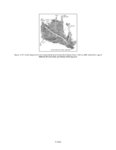
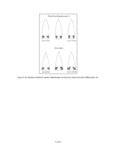
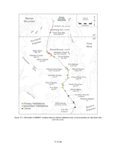
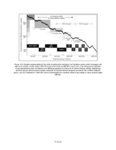
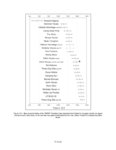
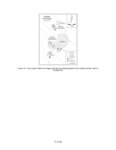
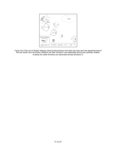
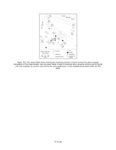
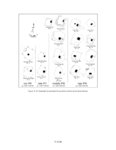
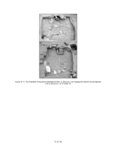
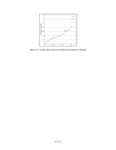
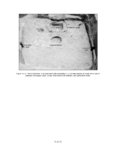
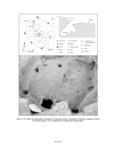
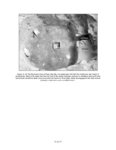
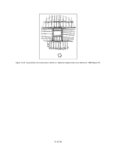
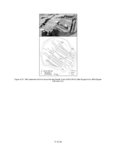
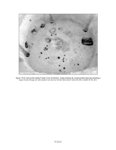
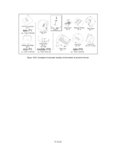
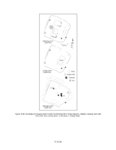
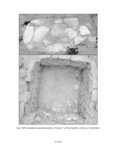
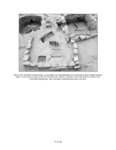
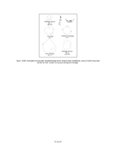
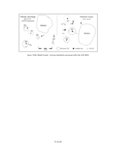
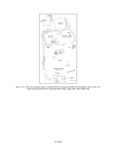
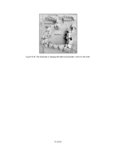
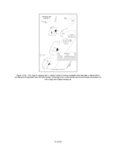
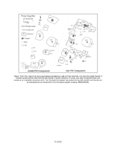
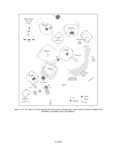
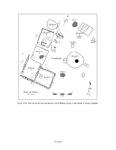
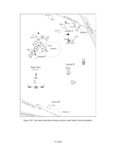
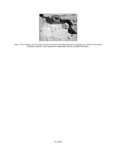
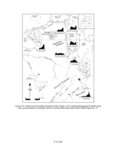
Show upright slabs, along with associated slab-lined cists (see Chapter 2 of Volume II). None of these slab-lined houses are dated, but we anticipate that they were built sometime between AD 400 and 600. The increased use of slabs probably entailed somewhat of an increase in construction investment but this may not necessarily imply greater permanency. Lining the entire circumference of houses may have resulted because the slabs were a useful way to provide stable vertical walls within loose surface sand. The deepest of the Basketmaker houses in the northern Kayenta region reach depths of up to 1 m. These were excavated into hard stable sand so that the walls could be vertical without a lining. Increased use of upright sandstone slabs in house construction appears time dependent and this is also evident for storage features, a topic discussed below. Interior hearths of Basketmaker houses show an interesting pattern. Some of the NMRAP Basketmaker houses had shallow basins excavated for the hearth but in many pit houses the hearths consisted of no more than a fire built directly on the floor surface with no prior preparation. In several cases, stones were placed on the floor surface to help contain the accumulating ashes, but these were loose rather than embedded within the floor, and would have allowed for constant rearrangement of the hearth. At the oldest structure at Kin Kahuna the floor surface under the stones was ash stained, indicating use of the central hearth before placing the stones or movement of the stones during use. This type of hearth results in an accumulation of ash and charcoal with topographic expression above the floor rather than below it, filling a basin. Consequently, unless an excavator is paying careful attention and anticipates such a situation, it is possible to remove the evidence of a hearth during the process of excavating fill to expose the floor surface. This may well be why many of the Basketmaker II pit houses on northern Black Mesa appear to lack hearths (e.g., AZ D:7:3107 [Lebo et al. 1983] and D:11:3133 [Leonard et al. 1984]). Such an absence led the excavators of AZ D:7:3107 to argue that the site was not a winter habitation (Lebo et al. 1983:148), though Smiley (1998:110) subsequently concluded that it was. With time, interior hearths became more formalized, consisting of an excavated basin with a clay collar. Hearths of this sort occurred in Structure 2 at Polly's Place and the Mountainview structure. This type of hearth typifies later Basketmaker III structures of the Klethla Valley (Ambler and Olson 1977; Swarthout et al. 1986). This change in the nature of interior hearths does connote greater formalization and functional differentiation of interior space-a trend carried forward in Basketmaker III structures with the creation of partitioning walls or ridges and interior bins. The start of this spatial partitioning and more formal features is seen in the Mountainview house. Storage Features The introduction of domesticates to the Southwest seems strongly correlated with a vast increase in the number and size of storage features (Wills 1995:231). Abundant storage, in the form of large bell-shaped pits, is an important part of the earliest Basketmaker sites excavated by the NMRAP. This is well exemplified by the site known as The Pits, where excavations uncovered 24 such features distributed along the crest of a sand-covered ridge (Figure 14.29). Because of right-of-way limits to excavation, the full size and complexity of this site, including the total count of storage features, remains to be determined. With almost 17 cu m of volume represented by the 24 storage pits, this site has the largest storage capacity and most storage features of any open Basketmaker residential site currently known in the Kayenta region. By comparison, the BMAP Basketmaker II site with the largest amount of storage in bell-shaped pits is AZ D:11:449 (Leonard et al. 1985), where 20 pits provided close to 11 cu m (Smiley 1985). Moreover, that site is an extreme outlier in the BMAP sample, having several times more storage pits than other Basketmaker II sites excavated on that project. Most of the storage pits at The Pits have shapes exemplified by the profiles of two examples shown in Figure 14.30, and these are typical of such features throughout the Kayenta region and beyond. The few exceptions at this site include pits that had been reused for roasting purposes, and these were likely once bell shaped, but the neck had been cut away to prepare them for their new cooking role. The storage pits are generally circular in outline and tend to have closely comparable measurements of length and width. Maximum dimensions, which usually occur at or just above the floor level of the pits, can be as large as 2 m (the average maximum interior diameter of the 24 pits at The Pits is 1.3 m [mean length = 1.36 m, mean width = 1.29 m]). There is an obvious relationship between pit diameter and depth: the larger the diameter, the deeper the pit. Depths below the Basketmaker II occupation surface at The Pits ranged from approximately 0.6 to 1.7 m (1.1 m was the average depth for the 24 pits). The size of pit openings was in part a function of pit depth and maximum diameter, but evidently there was a minimal size because of the equal-sized openings, roughly 90 cm, for one of the shallowest pits and one of the deepest pits- basically large enough to crawl in and out. Approximate contemporaneity among all or most pits at The Pits is suggested by their systematic V.14.38 |