| OCR Text |
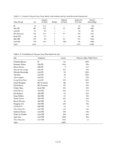
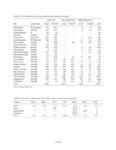
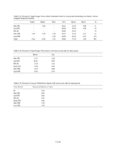
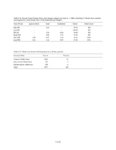
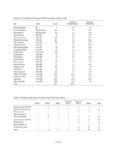
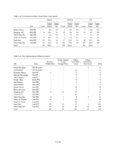
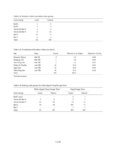
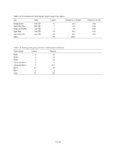
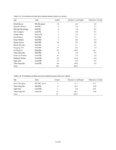
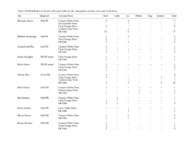
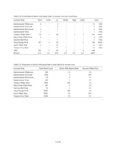
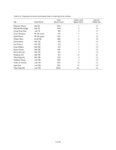
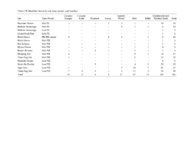
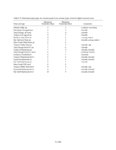
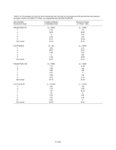
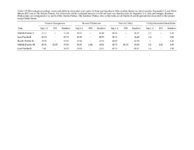
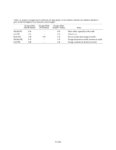
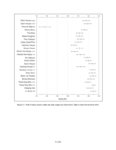
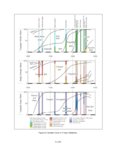
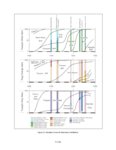
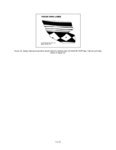
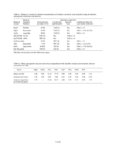
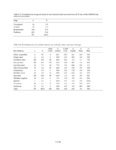
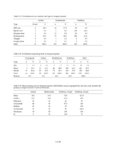
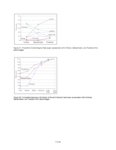
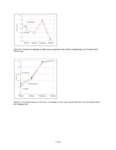
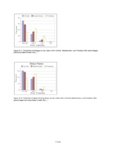
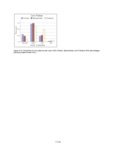
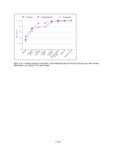
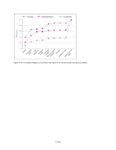
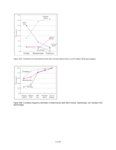
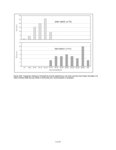
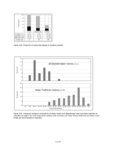
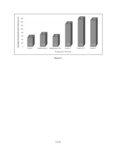
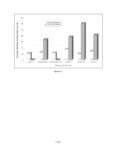
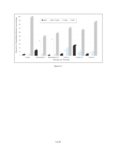
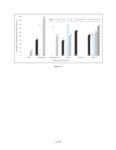
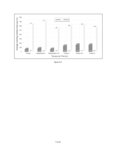
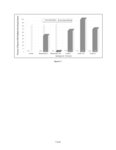
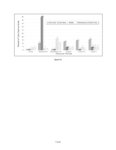
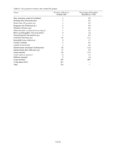
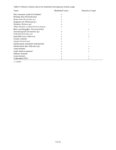
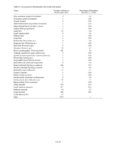
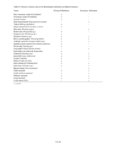
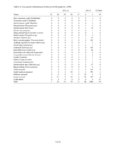
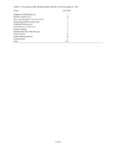
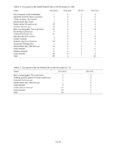
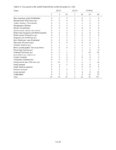
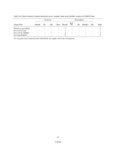
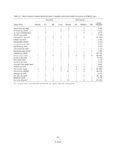
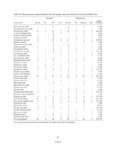
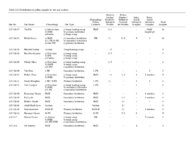
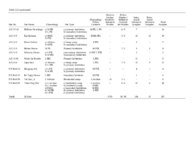
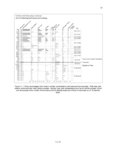
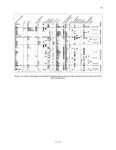
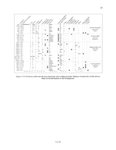
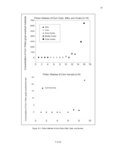
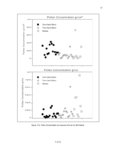
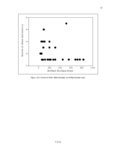
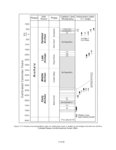
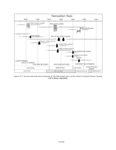
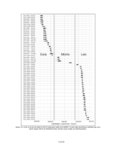
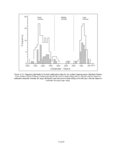
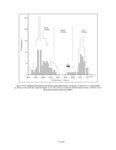
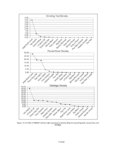
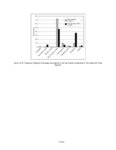
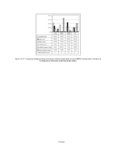
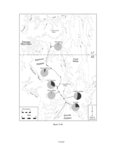
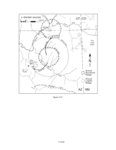
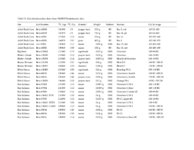
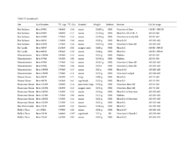
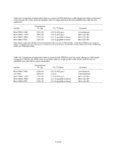
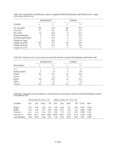
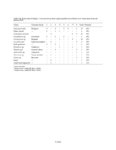
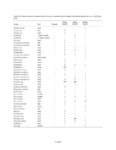
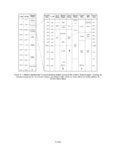
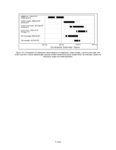
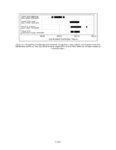
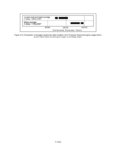
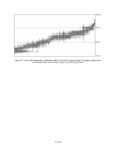
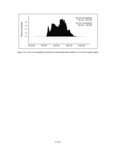
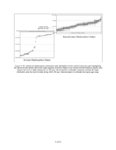
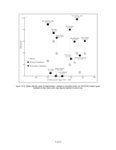
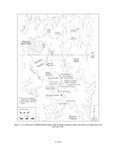
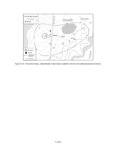
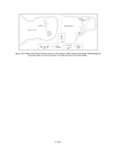
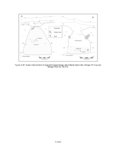
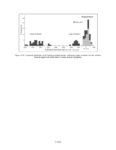
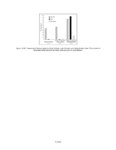
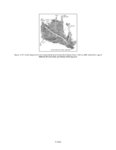
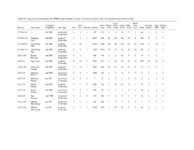
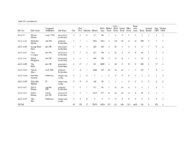
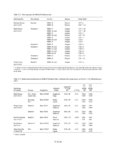
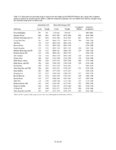
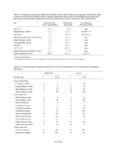
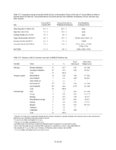
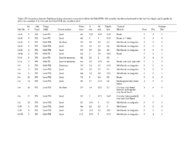
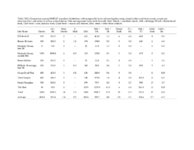
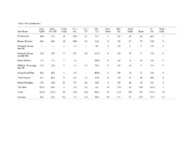
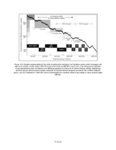
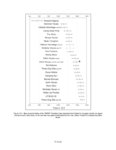
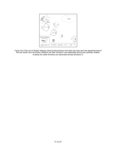
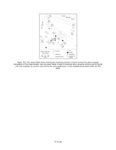
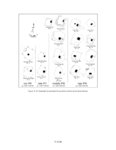
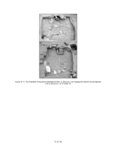
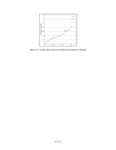
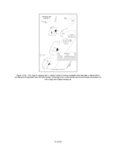
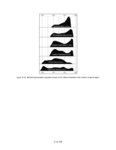
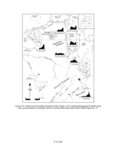
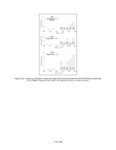
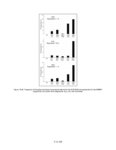
Show al. (1994) maintain that at least 40 dates per millennium are required to be certain that any trends have statistical reliability. It would be admittedly difficult to get any dates, let alone 40, for those millenniums when there was no human occupation, but then perhaps this was never the case. Of far greater concern than sheer date number in this instance is the second aspect of sample adequacy-site count. With 15 sites providing the radiocarbon dates graphed in Figure 13.10 it is possible that simply too few have been studied to disclose those of the middle Archaic. While conceivable, this is not highly credible. Again, the relatively small size of the region is an important consideration. Moreover, if the true history of forager occupancy of the study area did not closely resemble that shown by the radiocarbon distribution, the probabilities are exceedingly low that 15 sites chosen at random would yield virtually no evidence for middle Archaic occupancy yet abundant remains for both the early and late Archaic. After all, the middle Archaic is not a brief time interval, but more than 2000 years long, or over 100 generations. An Expanded Record Increased sample size is always welcome for a study like this, and one means to provide this is by adding in newly obtained Archaic radiocarbon dates from farther south in the Kayenta region. Two road excavation projects (N21 and N608) that NNAD conducted partially contemporaneous with the NMRAP produced 36 radiocarbon dates from 11 Archaic sites (reported in Bungart et al. 2004 and Neff et al. 2002). The N21 project actually processed many more dates from Archaic sites, 83 in all, but 57 of these were bulk sediment samples from hearths that systematically underrepresented the age of the features by anywhere from several hundred years to several thousand years. Because all of the bulk sediment dates are unreliable they cannot be used for chronological placement of sites and have been omitted from consideration here. Had one wanted to artificially eliminate the middle Archaic gap, then these unreliable bulk sediment dates were perfect since most fell into this interval because of contamination of early Archaic charcoal by more recent carbon. The 36 dates from these two projects (N21 and N608) are graphed in Figure 13.11 by the same method described above. This Kaibito Plateau radiocarbon record generally reproduces the record for the Rainbow Plateau (northern Kayenta region), with a significant cluster of dates in the early Archaic, a middle Archaic gap, and another cluster during the late Archaic. A chief difference is with the height (frequency) and placement of the late Archaic date cluster, with the Kaibito Plateau having fewer late Archaic dates that tend to be earlier than those of the Rainbow Plateau. Nonetheless, two separate excavation projects on the Kaibito Plateau produced essentially identical results. Figure 13.12 plots the entire radiocarbon data set for the Rainbow and Kaibito Plateaus to reveal the overall pattern. Based on 101 dates from 26 sites, this strongly bimodal pattern is far less likely to be the result of sampling bias. The lack of evidence for open sites dating to the middle Archaic within NNAD's road excavations parallels the declines and breaks in the use of natural shelters on the Colorado Plateau mentioned previously and closely accords with the middle Archaic date gap highlighted by Berry and Berry (1986) and initially by Schroedl (1976). Given that NNAD's road excavations uncovered both late and early Archaic components, sometimes at the same locations, it appears unlikely that the revealed patterning merely tracks a preservation or discovery bias. In other words, the patterning is unlikely to be unrepresentative because of removal by erosion, obstruction by burial, or other geomorphic processes. Rather, it seems a probable reflection of reality. And even though I doubt that foragers totally abandoned the Colorado Plateau because the date gap is beginning to disappear as more sites are studied (e.g., Geib 1996a, 1996b; Tipps 1998), nonetheless the date distribution for the Kayenta region is striking. But what does it signify? Explaining the Pattern There are two interrelated aspects as to the significance of the radiocarbon pattern: (1) Is the patterning telling us something about behavior in the past rather than merely preservation biases or the behavior of archaeologists and what might this be? (2) What has caused this pattern, why is it present? Obviously, if the answer to the first question has to do with biases of one sort or another then the answer to the second question is moot. However, if biases are not the answer to the first question and some past behavior is reflected, then the second question has relevance, although the probable answer as to why appears highly constrained (environmentally determinist) given the nature of the hunter-gatherer adaptation in the Archaic. Climatic Conditions Almost 30 years ago when Schroedl (1976:64) created a frequency distribution of preceramic radiocarbon dates and first called attention to a middle Archaic date gap, he interpreted the pattern as V.13.25 |