| OCR Text |
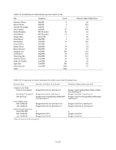
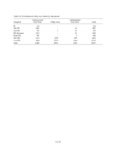
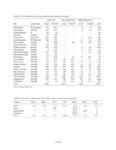
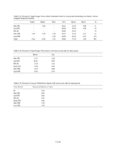
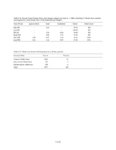
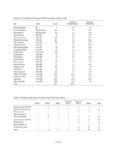
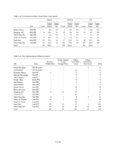
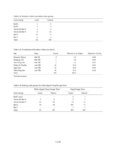
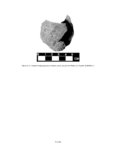
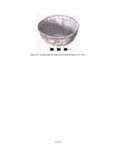
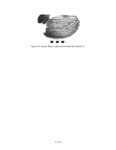
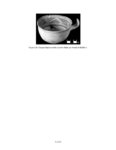
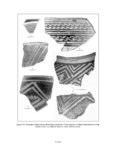
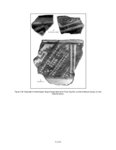
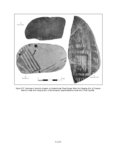
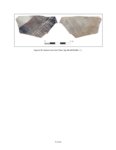
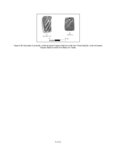
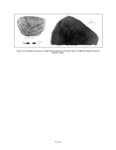
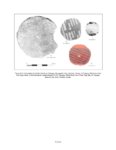
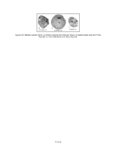
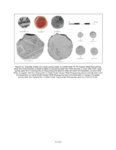
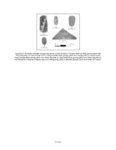
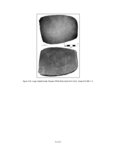
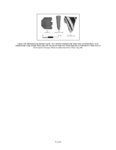
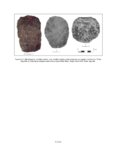
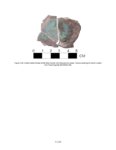
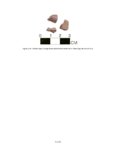
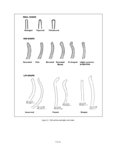
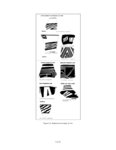
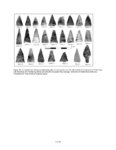
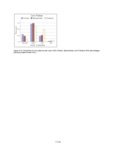
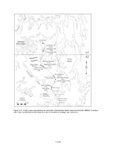
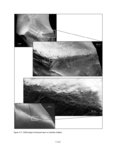
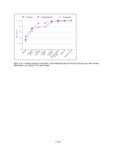
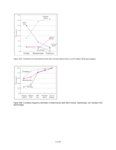
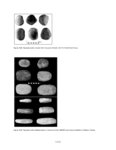
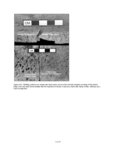
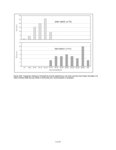
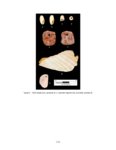
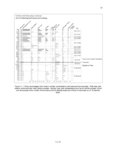
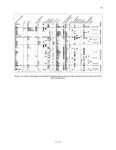
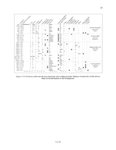
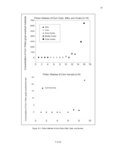
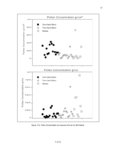
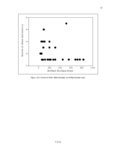
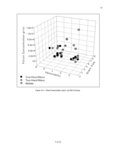
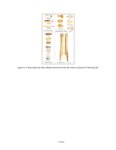
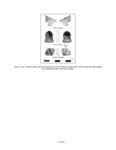
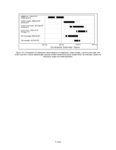
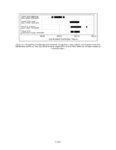
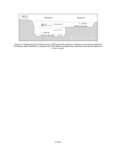
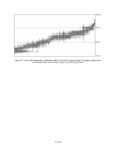
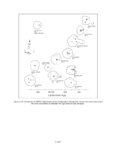
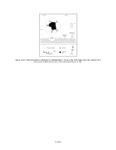
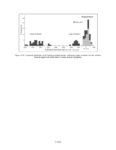
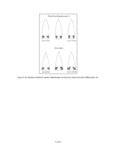
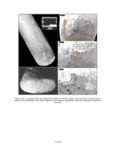
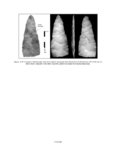
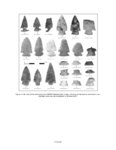
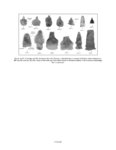
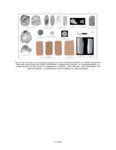
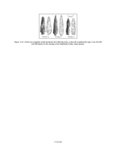
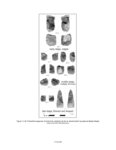
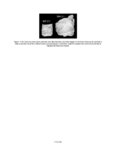
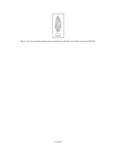
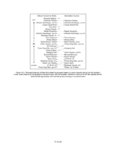
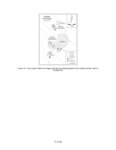
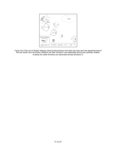
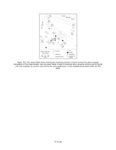
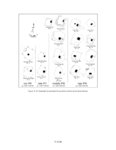
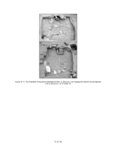
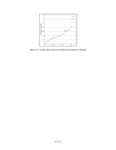
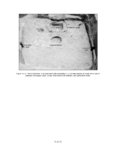
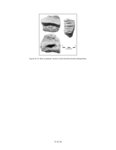
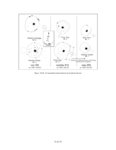
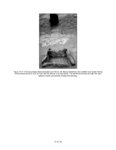
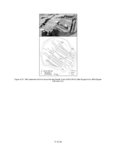
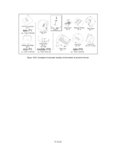
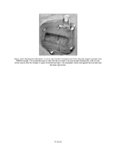
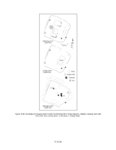
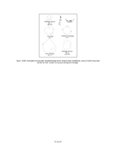
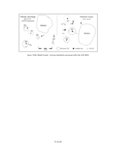
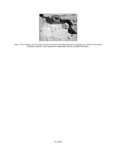
Show numerically limited kind of dart point recovered from Kayenta region caves by Kidder and Guernsey (1919; Guernsey 1931; Guernsey and Kidder 1921). Morris and Burgh saw little similarity between the San Juan Basketmaker points and many of the more than 200 dart points they recovered from Talus Village and the Falls Creek rockshelters near Durango, Colorado. Matson (1991:45, sidebar) noted that the cornernotched forms from the Durango Basketmaker II sites, especially those with the parallel, moderately narrow notches, are what many archaeologists today would type as Elko Corner-notched. Matson (1991:46, sidebar) suggests that there is more overlap than Morris and Burgh would lead one to expect, yet with such a large assemblage of points it is perhaps meaningful that so few resemble the typical dart point from White Dog Basketmaker contexts. Primary Point Form. Western Basketmaker points can be distinguish from earlier (or contemporaneous?) Elko points using the specifics of notch placement, size, and shape (Figure 14.34), as Morris and Burgh intimated, but also how the notches were produced along with overall blade shape and size, and production technology. The latter aspects are best perceived on finished dart points hafted onto foreshafts and the often numerous preforms recovered from some western Basketmaker sites-items usually found together within hide bags, such as Cache 1 of Sand Dune Cave (Geib 2002, 2004). The preforms and hafted points have generally not been reworked or broken, thus they provide an accurate reflection of cultural objectives for finished projectile points (Figure 14.35). Without going into too much detail here, the important characteristics include (1) an outline that has gently curved margins resulting in a general lanceolate rather than triangular shape; (2) a maximum blade width that is usually achieved roughly one-third from the base with the margins more-or-less parallel but often slightly constricting towards the base (observable on preforms); (3) a relatively great length to width, often with a length to width ratio of around 2.5:1; (4) finished with very broad collateral percussion flake scars; and (5) an edgeon profile that is markedly sinuous for finished points, the result of wide bending-initiated flakes being removed alternately from one face and then the other (for details see Geib 2002:287-293, Figures 18.9- 18.12). Guernsey and Kidder (1921:87) first described the notching of western Basketmaker points: "Almost all our finished points are notched at right angles to their long axes, the notches having a depth equal to about one-third of the total width of the base." Each notch is equal to about one-third of the width, thus the final width across the notches is just one-third of the point width. The notches are not only relatively deep, but broad; indeed the notches on some specimens are as broad as they are deep, making for a very delicate-looking point (see Parry and Christenson 1987: Plates 6-9). The evident common practice for western Basketmakers to tightly bind their points to foreshafts (see below) must have led to frequent breaks across the notches. Deep notching may have created a purposeful failure area, intended to prevent damage to the foreshaft and provide a large fragment easily recycled into a usable point by re-notching above the break. The elongated nature of Basketmaker preforms would have easily allowed for at least one recycling. In addition to side-notching, many points from western Basketmaker II contexts have a cornernotched appearance. There appears to be a continuum between side- and corner-notching for western Basketmaker points, similar to what Holmer (1980a:67) quantitatively demonstrated for Elko points. Nevertheless, the corner-like notching on western Basketmaker points is distinctive from the type of corner-notching seen on most points from the Durango Basketmaker sites or on Elko points from the northern Colorado Plateau (see Geib 1996a:62-64). The distinctions appear to result from the different origin of the notch and perhaps the size of the notching tool or method of notching. The notches on western Basketmaker points appear to begin on the side rather than the corner per se, at a distance above the base similar to the side-notched variety. During the process of notching the bottom part is extended down to the bases, removing some of the basal width. The top of the notch (toward the tip) is generally straight, parallel to the base (no barb), whereas the bottom angles back toward the original corner of the preform, removing some of it, thereby resulting in a corner-notched appearance. This contrasts with the corner notches of Elko points and many Durango points, which, when executed without a production mistake, extend diagonally and often quite narrowly from the actual corner of the preform leaving the side margins mostly intact, resulting in a pronounced barb. The notches on the Elko series points from late Archaic sites on the Rainbow Plateau are commonly narrow and deep and appear to have been made chiefly (perhaps exclusively) by the "edge of tool" technique as described by Titmus (1985:248-249), which results in widely expanding, lunate-shaped notching flake scars. This is quite different from the common type of notching seen on Basketmaker II points of the Rainbow Plateau which seems in accord with an "end of tool" technique. The moderately high incidence of notching flakes in the late Archaic debitage assemblage from Tsé Haal'á accords well with the evidence on the points for use of an edge of tool notching technique, since it produces more V.14.45 |