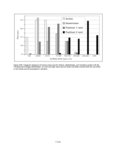
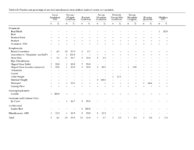
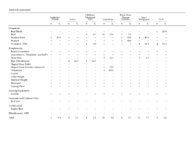
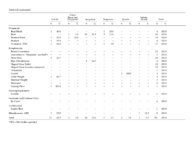
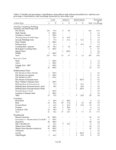
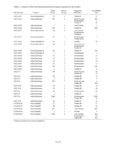
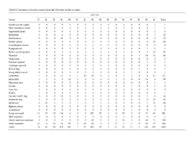
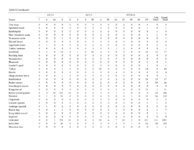
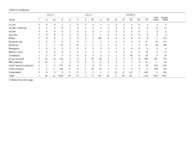
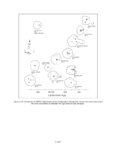
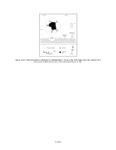
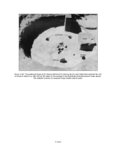
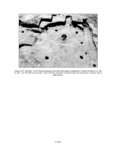
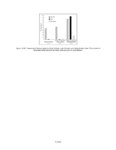
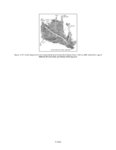
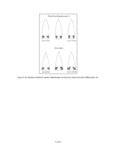
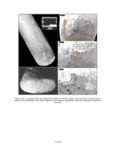
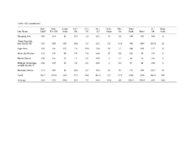
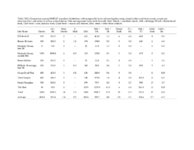
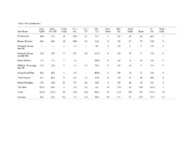
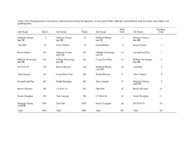
| OCR Text |
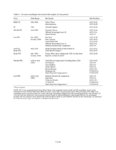
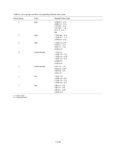
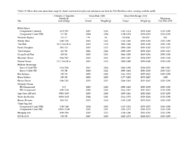
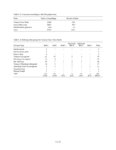
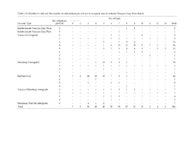
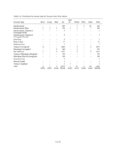
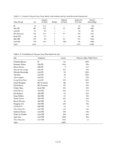
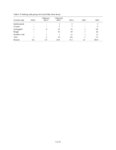
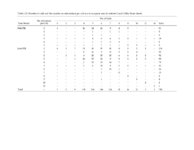
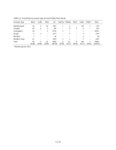
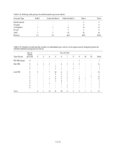
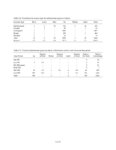
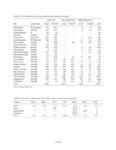
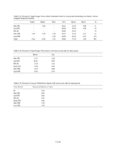
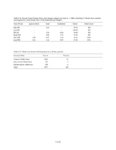
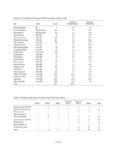
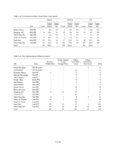
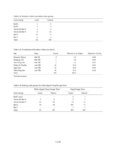
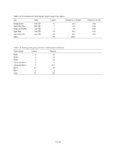
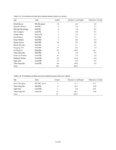
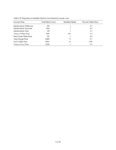
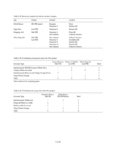
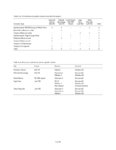
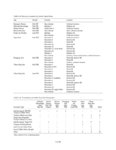
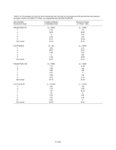
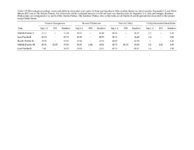
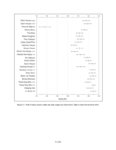
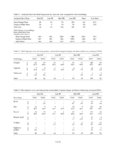
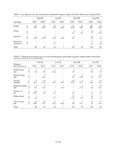
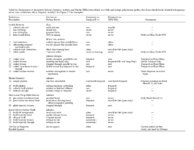
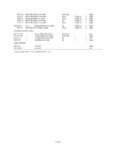
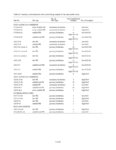
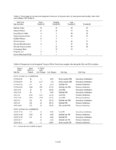
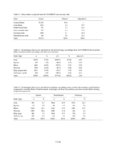
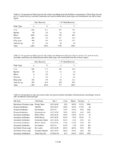
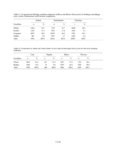
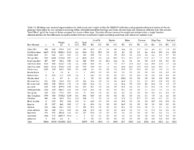
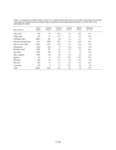
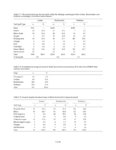
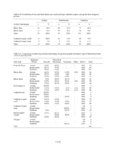
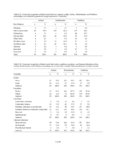
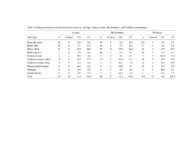
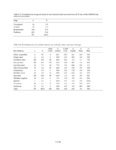
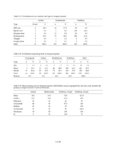
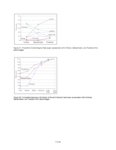
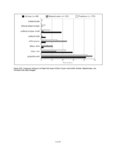
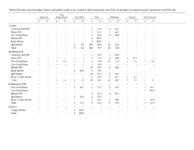
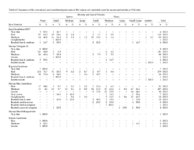
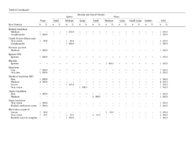
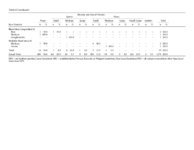
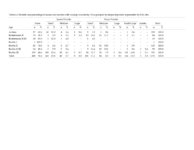
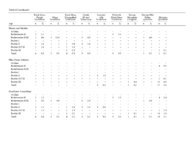
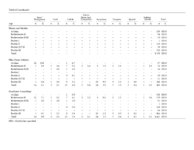
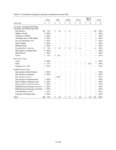
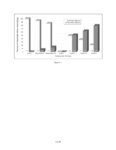
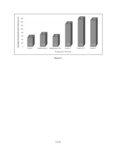
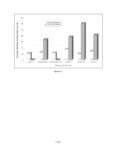
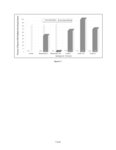
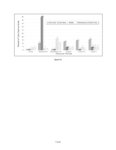
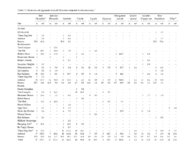
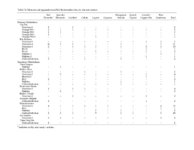
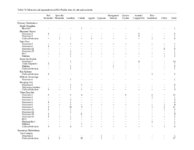
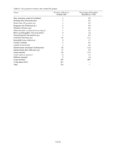
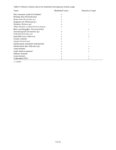
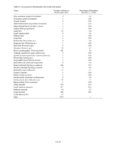
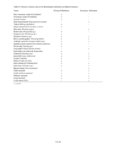
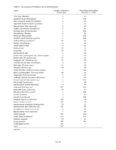
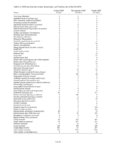
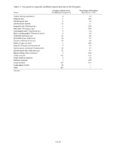
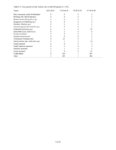
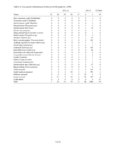
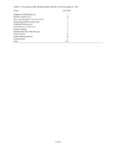
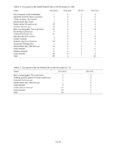
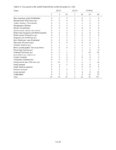
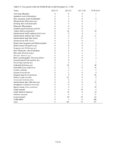
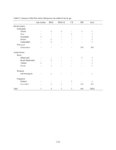
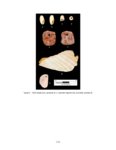
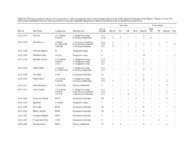
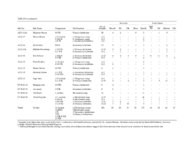
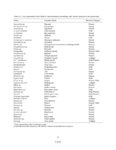
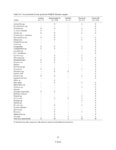
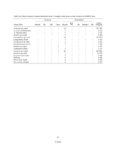
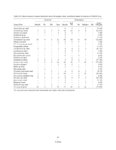
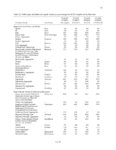
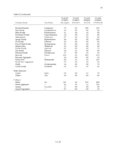
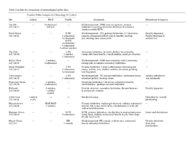
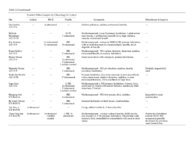
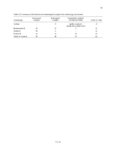
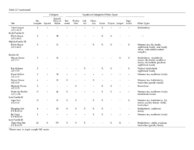
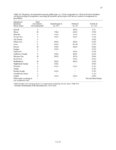
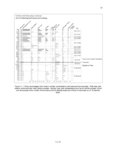
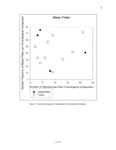
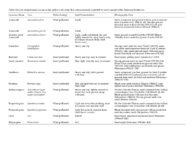
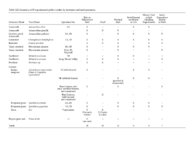
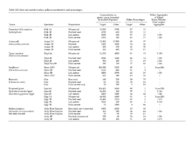
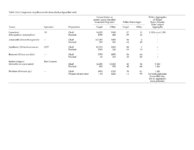
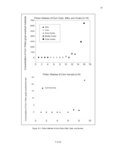
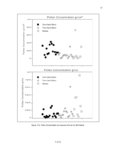
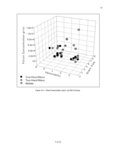
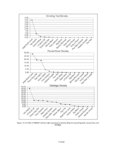
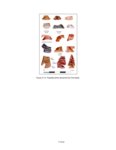
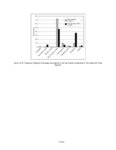
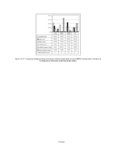
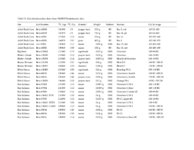
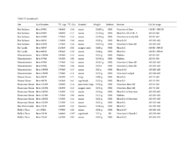
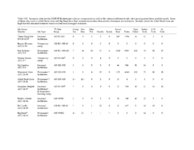
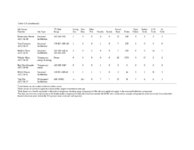
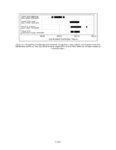
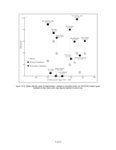
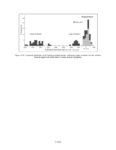
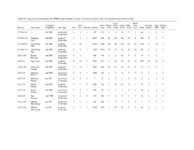
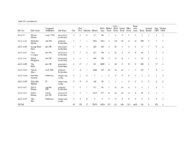
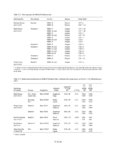
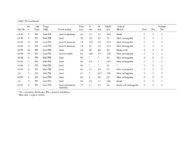
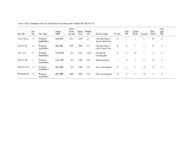
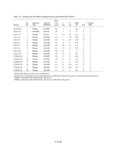
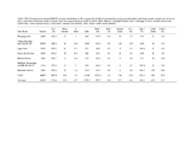
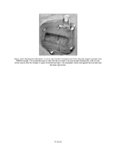
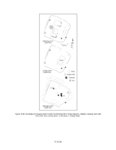
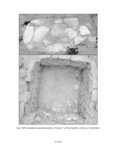
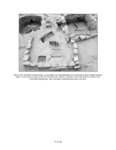
Show more often results in greater variety; see Leonard and Jones (1989) for an extensive discussion of the diversity-sample size issue. But, sample size variation can be a real attribute of past behavior and not merely an artifact of our methods (Plog and Hegmon 1993, 1997). Variation among sites likely results from some composite of factors relating to differences in function, occupation duration, group size, repetitive and nonrepetitive site reuse, and unobserved mixture of temporal components. Grinding tools, but especially metates, are important criteria for inclusion in the residential camp class because few other stone artifacts have such a clear association with food preparation and daily consumption. This stands in marked contrast to most other stone artifacts at sites, which were used in the manufacture or maintenance of other technology (general domestic activity) or were the debris from manufacture and maintenance activities. Given the importance of seeds in Archaic diets on the Colorado Plateau (e.g., Van Ness and Hanson 1996), it is probable that families encamped for a day or two during most seasons would have needed some means for grinding. Grinding is seldom a useful processing step in preparation for storage because turning seed to flour hastens deterioration and the loss of nutrition, and increases exposure to pests (this is especially true for mobile foragers camped in the open). Seeds for storage are best left whole and in their protective hulls. Grinding slabs and manos are therefore considered evidence of food preparation just prior to consumption. Manos are easily transported and it is likely that these tools formed part of the mobile tool kit that forager groups carried from one location to another. Consequently, they could end up at sites where the tools were never used. Metates, on the other hand, are considered "site furniture" (Binford 1979:263-264); thus their recovery context is likely to have been their use context. As such, these tools provide a reliable means to infer in situ seed processing. Features indicative of food processing (hearths and roasting pits) co-occurring with grinding tools helps to corroborate the residential camp inference. Since it is useful to parch most seeds prior to consumption-to increase their flavor, as a means to help reduce or eliminate chaff, and in some cases for adequate nutrition absorption-hearths are essential for creating the necessary hot coals. Hearths are also important for preparing prickly pear pads for consumption, both for singing of spines and for cooking, to say nothing of their role in meat preparation. The repeated use of hearths over some length of time generates areas of charcoal stained and flecked sediment that is intermixed with bone, flaking waste, and occasional stone tools-essentially midden accumulations. These are not middens in the sense of secondary refuse disposal, but rather are locations where debris accumulated in abundance while conducting various cooking, processing, and production tasks associated with living. This is also seen at occupied caves of the region, except that at these the organic debris from living has been preserved as well. Middens are unlikely to occur at short-term use locations, simply because of the nature of the activities and the brief stays which tend not to generate such messy deposits. A Cave for All Seasons. Despite the small area investigated, there is good reason to believe that Atlatl Rock Cave served as a forager residential base, something that is perhaps generally true of caves that are ideally situated relative to water and food resources as this one is. Such an ideal shelter was likely used for other purposes as well, but like Dust Devil Cave, its chief role was probably as a residential base, a key node for foragers that considered the Rainbow Plateau home for at least a portion of the year. Despite the very limited test, Atlatl Rock Cave contains the highest bone and grinding tool density among any of the Archaic sites considered here (Figure 13.13). The faunal bone reveals an emphasis on cottontail and jackrabbit, something that is also true for Dust Devil Cave (Gilbert 1984; Stroup 1972) and evidently for the early Archaic diet in the region generally (e.g., Van Ness and Hansen 1996). This site also yielded a great diversity and abundance of macrofloral remains (see Table 13.1) as well as discarded sandals. Three flotation samples for the early Archaic layers in the cave contained a relatively high number of individual plant specimens (n = 105-261) and a high diversity (n = 11-15) of plant taxa (see Table 2.7 of Volume II). Pads and the burned and unburned spines of prickly pear cacti were well represented. Prickly pear is one of the common constituents of early Archaic feces and often accounts for the bulk of food residue therein (Van Ness and Hansen 1996). Ethnobotanical studies (e.g., Kelly 1964:45) have indicated that cacti were generally burned and eaten as starvation foods in early spring. Therefore, the presence of burned and unburned cacti spines may represent a later winter or early spring occupation of the cave. The common edible seeds in the early Archaic samples are from dropseed and Cheno-Am, the two taxa most frequently represented in early Archaic feces and evidently heavily relied upon for food (Van Ness and Hansen 1996). Grass seed processing at the site is also indicated by a pollen wash of a whole metate. Ricegrass is poorly represented in the early Archaic samples, paralleling the findings from other early Archaic sheltered sites. In addition to cacti and seeds, the early Archaic matrix samples also contain several fruits that would have been available in the late summer or early fall, including pinyon (Pinus edulis), hackberry V.13.36 |