| OCR Text |
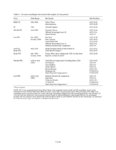
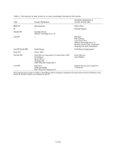
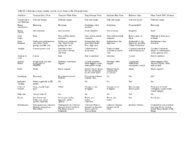
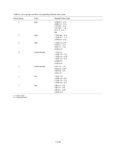
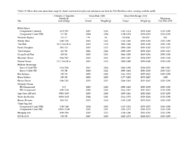
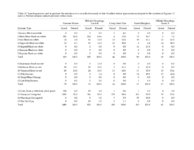
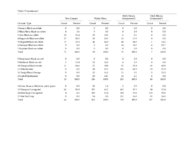
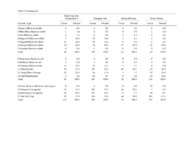
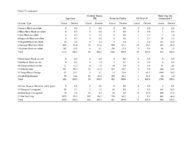
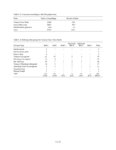
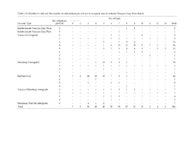
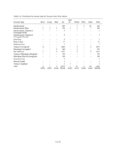
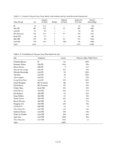
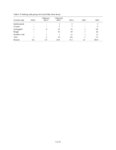
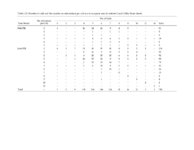
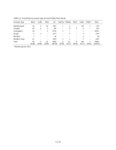
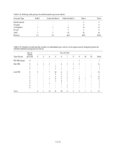
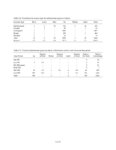
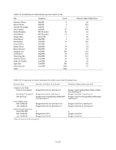
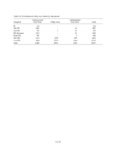
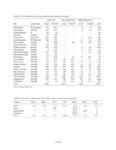
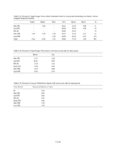
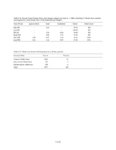
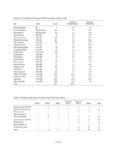
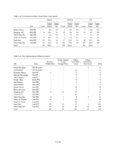
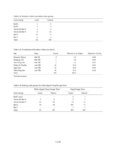
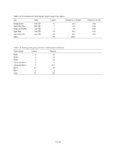
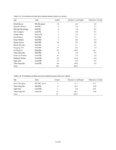
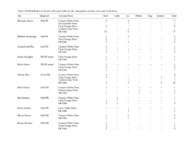
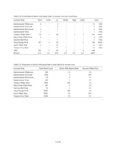
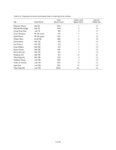
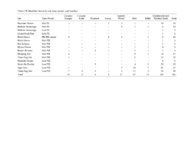
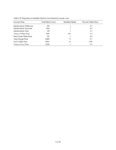
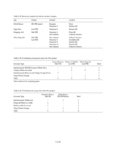
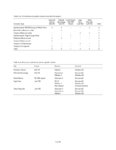
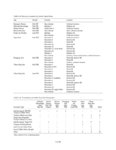
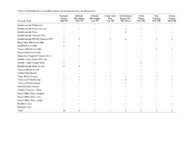
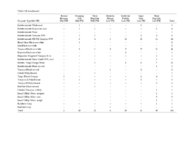
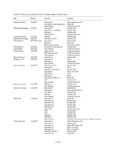
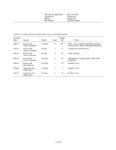
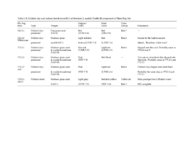
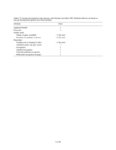
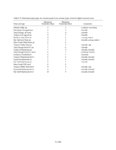
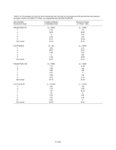
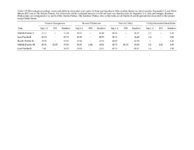
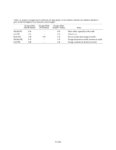
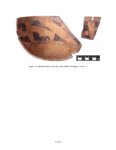
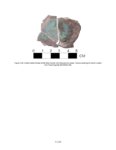
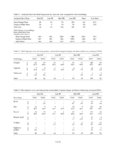
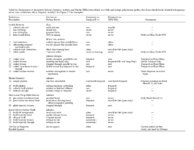
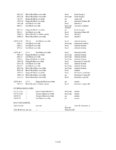
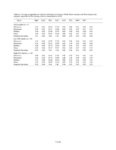
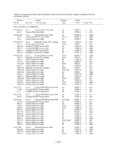
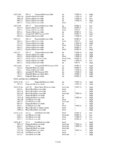
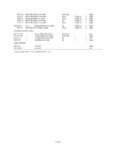
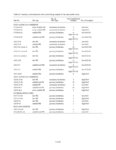
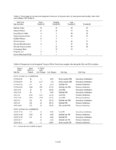
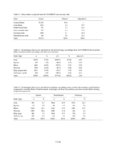
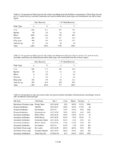
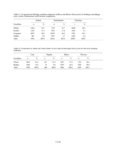
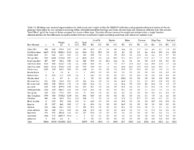
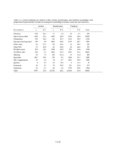
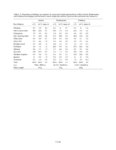
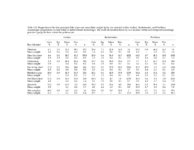
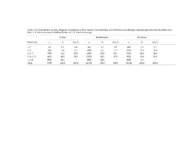
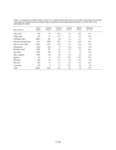
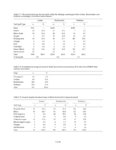
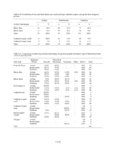
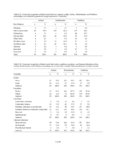
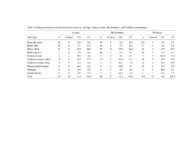
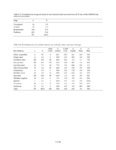
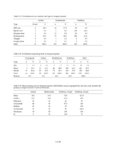
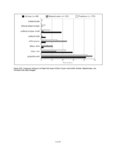
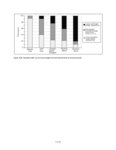
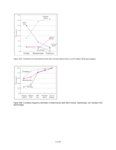
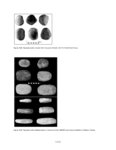
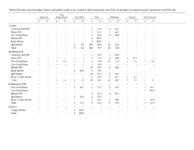
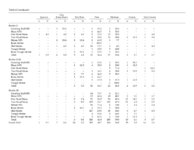
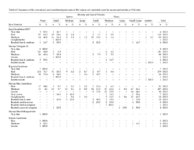
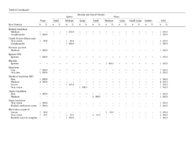
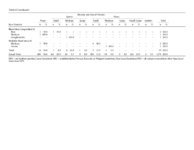
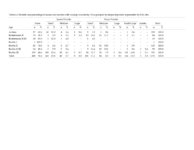
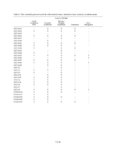
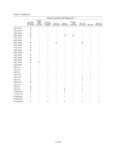
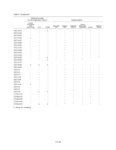
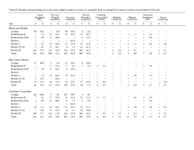
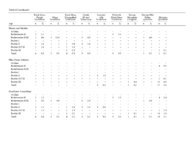
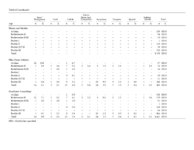
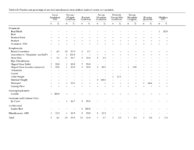
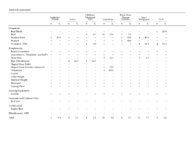
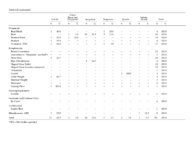
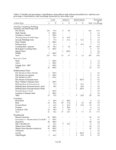
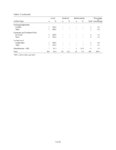
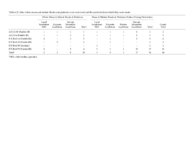
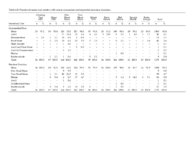
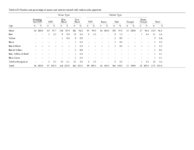
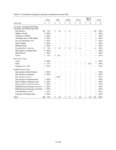
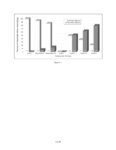
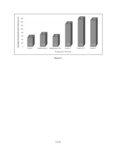
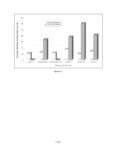
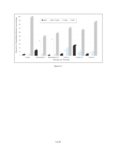
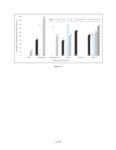
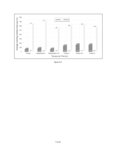
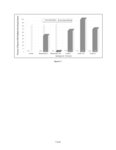
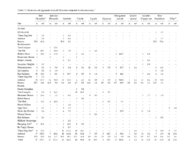
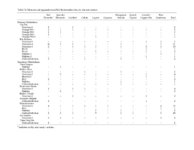
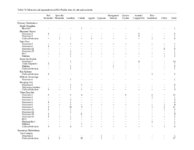
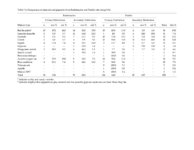
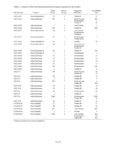
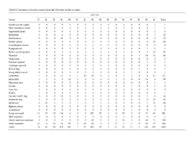
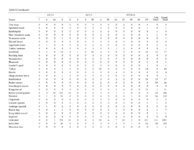
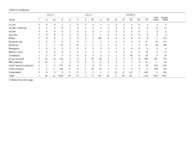
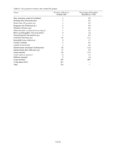
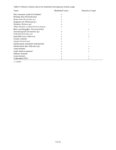
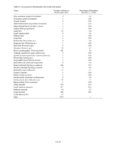
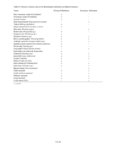
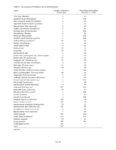
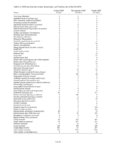
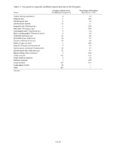
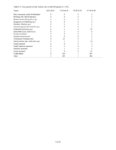
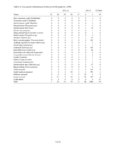
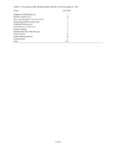
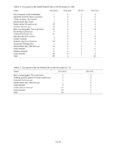
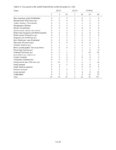
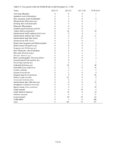
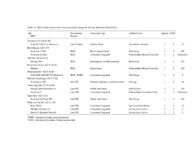
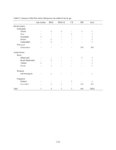
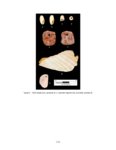
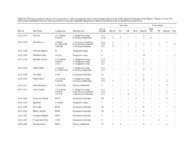
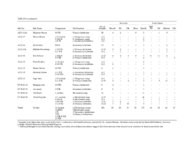
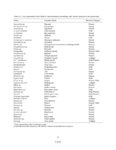
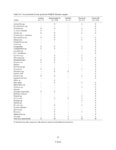
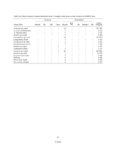
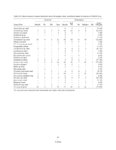
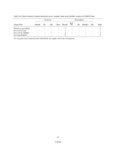
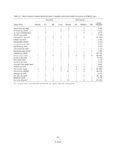
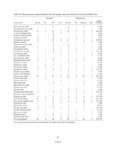
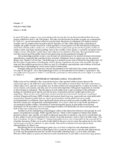
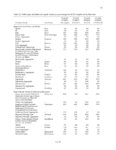
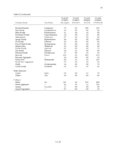
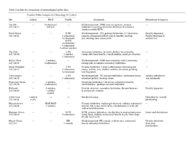
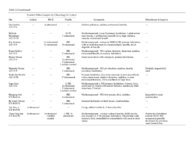
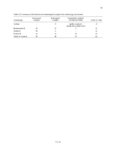
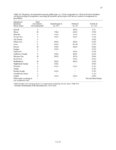
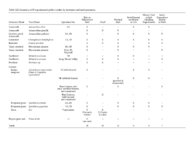
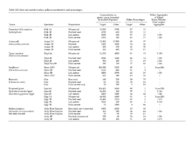
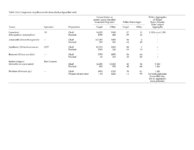
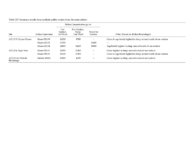
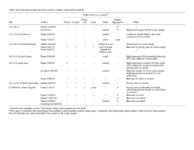
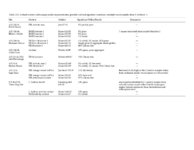
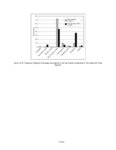
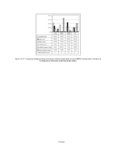
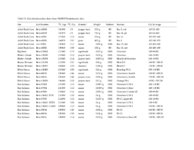
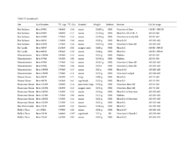
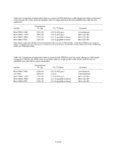
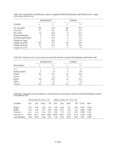
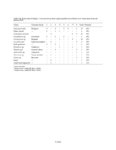
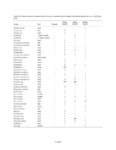
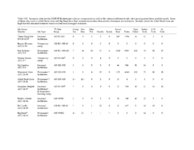
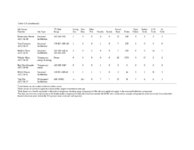
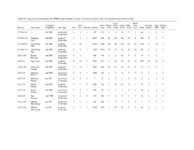
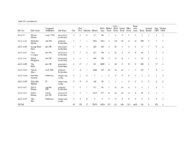
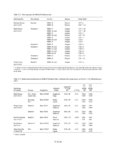
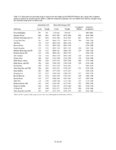
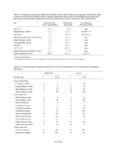
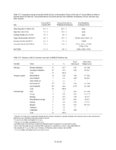
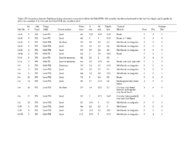
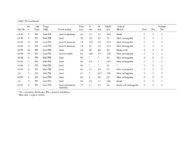
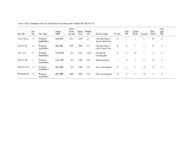
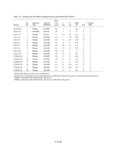
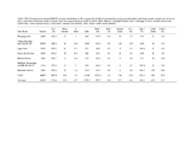
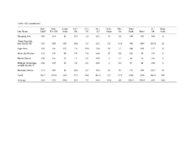
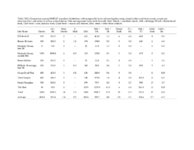
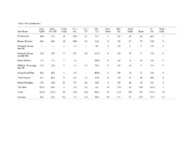
Show as slip for Tsegi Orange Ware, for which evidence of production was found at several of the larger habitation sites. Both Basketmaker and Puebloan sites produced red hematite and yellow goethite with a variety of textures (Table 7.4), ranging from nearly pure, earthy or clayey lumps to hard sandy pieces with iron-rich cement. This suggests that sources of the higher-quality material were known by inhabitants of the region throughout prehistory and that distinct types of red and yellow pigment were collected for different purposes. Probably the finer, higher-concentration pigments were used for most decorative purposes, and the more coarse material was used only for specific tasks. The coarse sand could have been sieved out to leave only the iron oxide, but this additional step was not necessary with the more massive samples. It is possible that at least some of the sandy material was collected for use as grinding tools, rather than as a pigment source. The relatively soft stone could be used in abrading materials such as wood, but it is soft enough that grinding against another stone would produce only a pile of colored sand. Frequencies of several minerals were diametrically opposed between the Basketmaker and Pueblo assemblages, and these variations clearly represent changes in the types of items being manufactured or decorated. Specular hematite and lignite comprise less than 5 percent of the Pueblo assemblage (see Table 7.1), in contrast to the Basketmaker assemblage, in which they are the second and third most common minerals recovered. The preponderance of specular hematite at Basketmaker secondary habitations is a notable but unexplained trend (Table 7.4). Seventy percent of the lignite came from Basketmaker sites, probably representing lapidary debris, but calcite seemingly replaced lignite as the mineral of choice for ornament production during the Pueblo period. Just over 85 percent of the calcite was recovered from Pueblo sites, mainly from the large primary habitations. It is interesting that lignite was far more prevalent at Basketmaker secondary habitations than at the large village sites, mirroring the trend of the specular hematite. Interestingly, the frequency of copper minerals stayed nearly constant in the two periods, although this may be misleading since nearly all of the Puebloan azurite came from a single cache at Water Jar Pueblo. The copper ores were more widely distributed among the Basketmaker sites. There is a distinct difference in the frequency of blue sandstone from the Basketmaker and Puebloan assemblages, with nearly twice as much being present at the earlier sites. No blue sandstone was found at Pueblo secondary habitations, whereas it was most common at the seasonal Basketmaker sites. The Basketmaker sites produced no mineral types that were not also present at the later sites. The only minerals that appear exclusively at Puebloan sites are a potassium feldspar crystal and small lumps of volcanic ash; these materials are each represented at one site and, except for the ash, as single items. The presence of volcanic ash is quite significant, as it was probably used in the production of whiteware ceramics. As Geib and Callahan (1987) discussed, there is no source of light-firing clay in the vicinity of the Rainbow Plateau, presumably precluding the manufacture of whiteware ceramics. The presence of the ash necessitates a reevaluation of previously proposed ceramic exchange systems (Geib and Callahan; Spurr et al. 1998, 2001). All of the volcanic ash was collected from the floor fill of Structure 12 at Sapo Seco (see Chapter 8, Volume IV). V.7.9 |