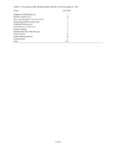
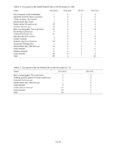
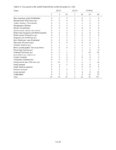
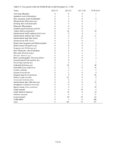
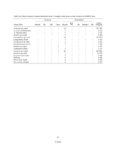
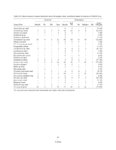
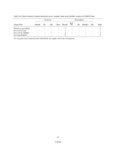
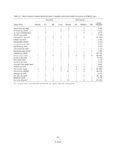
| OCR Text |
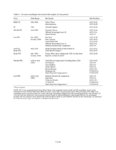
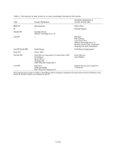
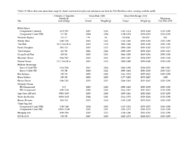
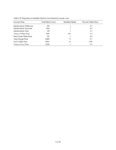
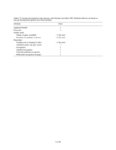
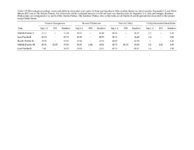
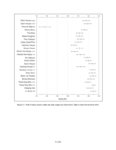
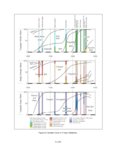
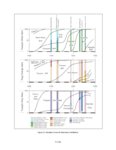
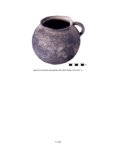
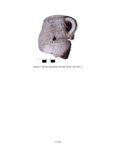
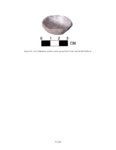
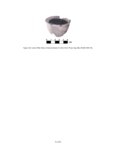
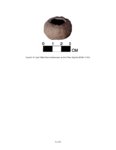
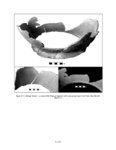
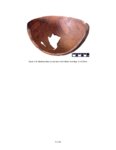
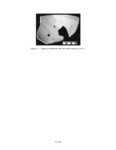
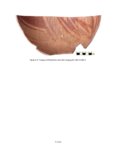
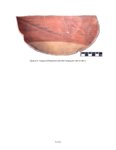
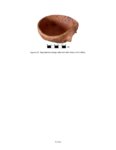
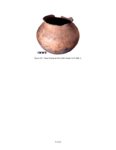
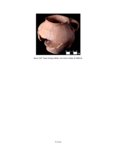
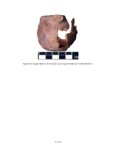
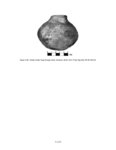
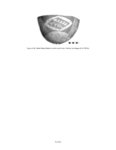
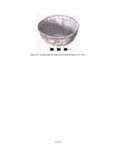
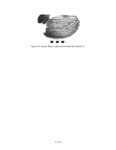
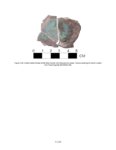
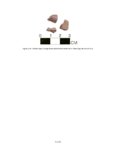
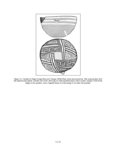
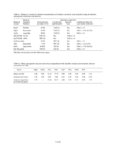
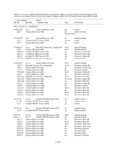
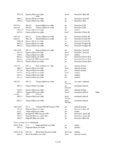
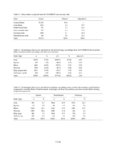
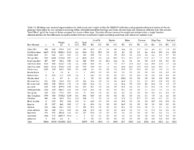
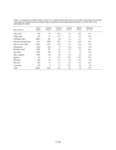
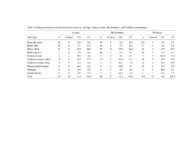
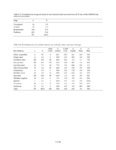
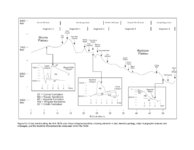
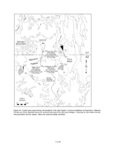
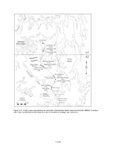
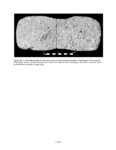
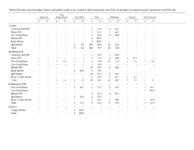
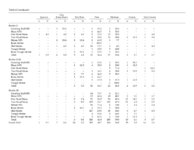
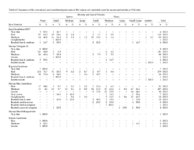
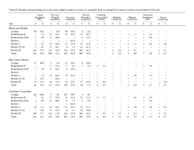
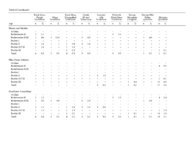
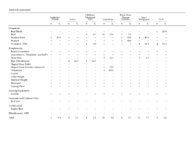
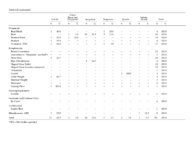
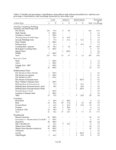
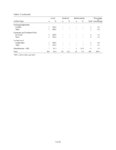
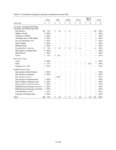
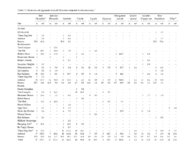
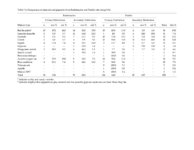
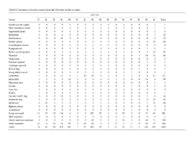
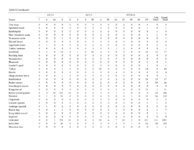
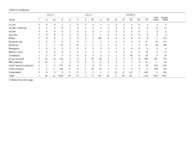
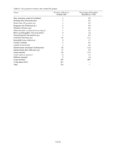
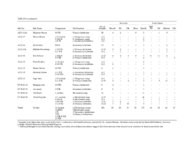
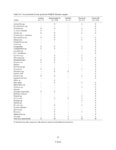
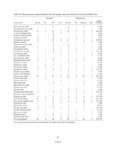
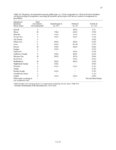
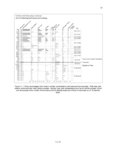
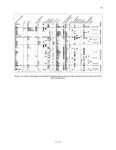
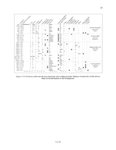
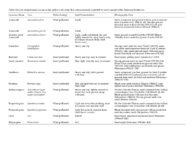
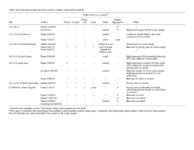
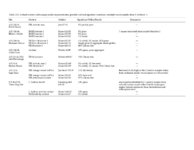
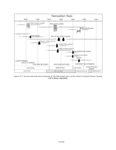
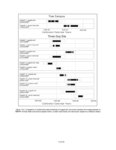
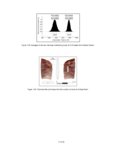
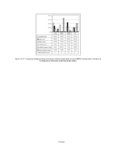
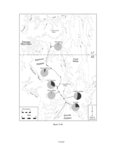
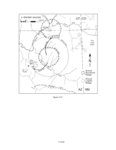
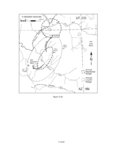
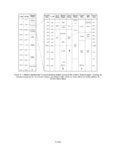
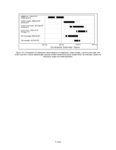
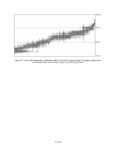
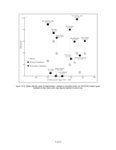
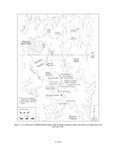
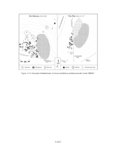
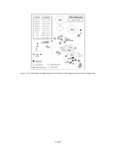
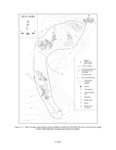
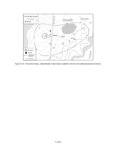
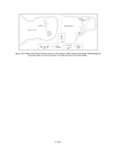
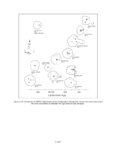
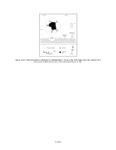
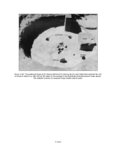
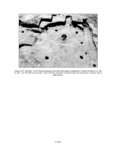
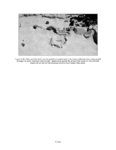
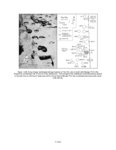
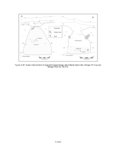
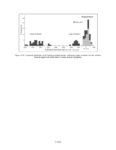
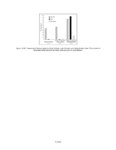
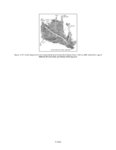
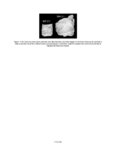
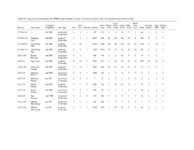
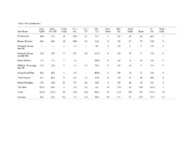
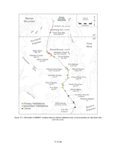
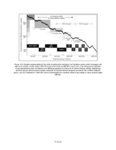
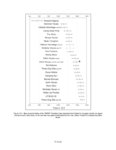
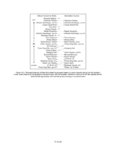
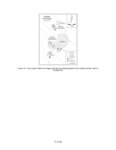
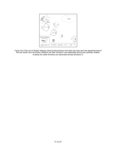
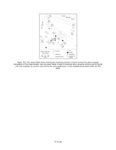
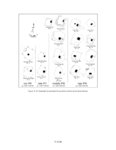
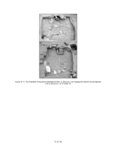
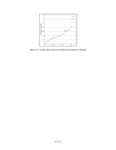
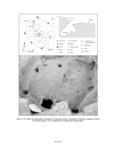
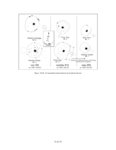
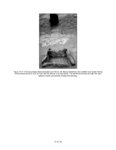
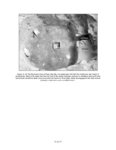
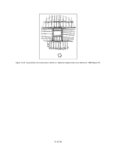
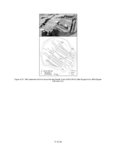
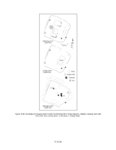
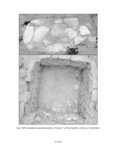
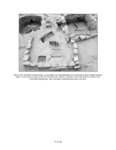
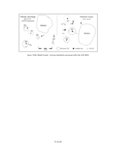
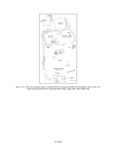
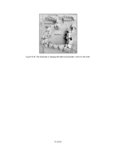
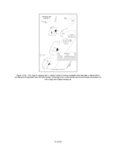
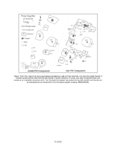
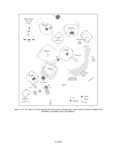
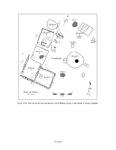
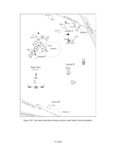
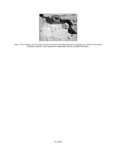
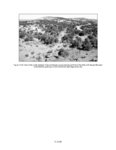
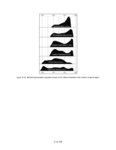
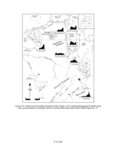
Show at Kin Kahuna, only about 10 percent or less, a large quantity of remains was recovered. This is perhaps most easily appreciated by debitage and bone data, with total counts for these of 9207 and 2380 respectively. The density of remains within the trashy fill of Structure 5 exceeds 200 per cu m for flakes and 100 per cu m for bone. With maize radiocarbon dates ranging from about cal. 400 BC to AD 400, it is clear that Basketmaker occupancy of this one location, besides being intensive, was long lived. An obvious reason for the long-duration use of this location was the prime agricultural land that lay immediately north of the site at the confluence of two small drainages. The importance of maize for the occupants of Kin Kahuna seemed obvious during excavation, because workers found corn kernels and cupules (sometimes cobs) in most features, either while digging or in sediment screening (see subsistence discussion below). Kin Kahuna clearly fits Smiley's (2002b:53) "proto-village" site type in that it contains more than six structures. Nonetheless, the term proto-village appears potentially misleading for a site like Kin Kahuna because extensive dating of maize samples has shown that few if any of the structures were contemporaneous (see Figure 14.15). Indeed, based on radiocarbon dates, only Structures 1 and 4 have the potential to have been in use at the same time. Yet given the hundreds of years commonly represented by radiocarbon dates, even these two houses may never have been in use simultaneously. Thus, no more than one or two families probably occupied the site at any one interval, making it considerably smaller than a village or even a proto-village, being basically a hamlet. The probable small group size of the site is underscored by the size of the houses, whose floor areas are less than 20 sq m. A Habitation with Early Pottery: Mountainview. One of the more interesting sites excavated by the NMRAP is Mountainview, a Basketmaker habitation with early pottery. As reported in Chapter 10 of Volume III, excavation of virtually the entire site revealed a shallow pit structure, a midden, 12 basin hearths, 3 slab-lined hearths, and 4 shallow pits (Figure 14.16). The pottery from this site consists of brownware identified as Obelisk Utility. Six statistically contemporaneous radiocarbon dates on maize from both the structure and midden place site occupancy sometime between cal. AD 220 and 350 (twosigma range). The site provides evidence of pottery use on the Rainbow Plateau in the northern Kayenta Anasazi region several hundred years earlier than was previously thought. The single structure occupied a slight level area on the crest of a narrow ridge, with its eastern entryway opening onto a moderately steep slope covered with a thin trash deposit. The structure was a shallow, roughly circular pit house that probably had a superstructure of small logs and brush covered with earth. Interior features of the unprepared sandy floor comprised a central clay-rimmed hearth, an ash pit, four small pits, and eight postholes. In the southeast corner of the house was a storage area, separated from the main room by a low wall of upright sandstone slabs. A similar storage area was probably present in the northeast corner of the house, but machinery had cut through this portion of the structure during the construction of a nearby power line. The structure's interior measured 3.7 x 4.4 m, providing about 14 sq m of floor space. The walled-off storage area(s) added additional use space. The occupants left behind part of their household assemblage upon abandonment; a large metate leaned against the lower wall in the southeast part of the structure and three manos occurred elsewhere within the floor fill. The southeastern quadrant of the structure floor and floor fill yielded significantly more artifacts than any other area including several bone artifacts, projectile points, and mineral specimens. Artifacts from the storage area at the southeast edge of the structure included two partially reconstructible Obelisk Utility jars, heavily sooted from use in cooking. More fragments of Obelisk Utility came from the trash midden, contributing to the total of 393 sherds from the site. Lithic artifacts were especially abundant from the midden with the total site assemblage consisting of more than 4000 flakes, more than 200 used flakes, flaked stone tools and cores, 18 manos and metates, and 18 other stone artifacts (see Table 14.10). Given the presence of just one small structure, the site was certainly occupied by no more than a single family. They probably used the site for perhaps several sequential seasons; more than one year is indicated by the amount of remains, the size of the midden, the number of hearths, and some feature superpositioning. The lack of storage features at this site raises a question about its settlement role- whether it should be classified as a primary or secondary habitation. The quantity, density, and diversity of remains certainly distinguish this site from those classified as secondary habitations. For example, the site known as Panorama House (discussed in greater detail below) produced 17 times fewer flakes and flaked stone tools and 6 times fewer manos/metates and other stone artifacts. ROW restrictions to excavation limited midden sampling somewhat in this case, but not so with Sin Sombra (also discussed below) which produced 4-5 times fewer flakes and flaked stone tools and 6 times fewer manos and metates. What cannot be known in the case of Mountainview is whether prior disturbance with heavy machinery bladed away storage cists that were near the surface. V.14.25 |