| OCR Text |
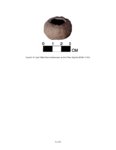
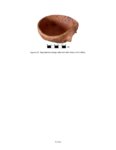
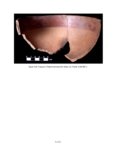
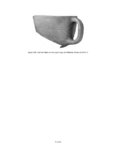
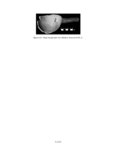
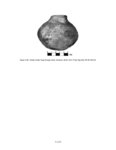
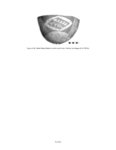
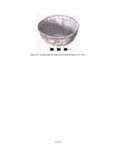
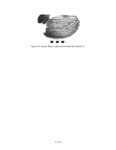
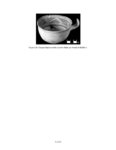
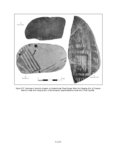
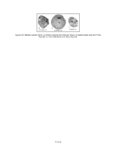
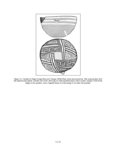
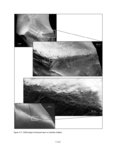
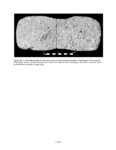
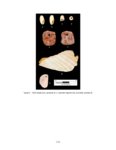
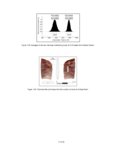
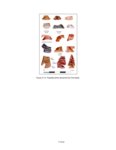
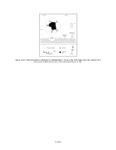
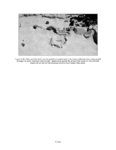
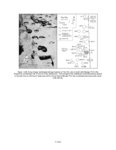
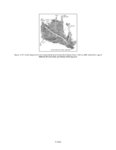
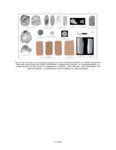
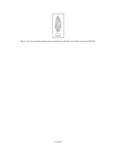
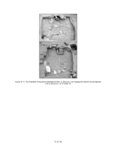
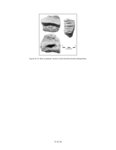
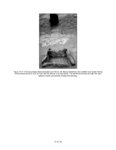
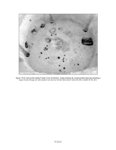
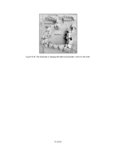
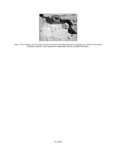
Show processing and to new recipes for preparing maize, especially fine flour (Adams 1997). The strength of Adams's argument would have greatly benefited from stable isotope data, with Coltrain et al.'s (2007) recent report on the analysis of Basketmaker II skeletons making a significant contribution. There can be increased intensity of processing a subsistence item without necessarily an increase in dependence on that item. It is also important to factor in changes in the nature of corn from Basketmaker to Puebloan times. For one thing, grains tended to be larger on average during Puebloan times and to contain more flour varieties (Karen Adams, personal communication 2007). Puebloan one-hand manos tend to have a greater surface area than Basketmaker and Archaic manos because they are greater in width, a fact that is partly the result of the common recycling of two-hand mano fragments. Given the evident heavy Basketmaker reliance on maize, there might be additional factors that help to account for why Basketmaker manos are so much smaller on average and have so much less surface area than Puebloan manos. As just mentioned, less emphasis on fine flour production is one. More corn might have been eaten green, as with the historic Mohave, limiting the need for grinding, but the dietary signature of the isotope data implies a year-round maize diet as do the numerous large-volume storage pits and cists at Basketmaker sites. More corn could have been pit-baked green and then dried as the Hopi do, which makes for easy use later in stews with no need for grinding or with hot soaking and minimal crushing to make a mush. More corn might have been popped and consumed this way, evidence of which occurs in a Basketmaker basket from Grand Gulch (Figure 5.37). Each of these aspects tie in with less grinding for flour. An unrelated and potentially contributing factor might be the degree of residential mobility in Basketmaker times compared to later Puebloan times, especially after mealing bins started to be common. If manos formed part of the mobile personal gear that women had to carry with them from one site to another, transportability might be a factor in the small size of Basketmaker manos despite heavy maize dependence. RESEARCH CONCLUSIONS The NMRAP lithic analysis was designed to provide basic descriptive data for characterizing the stone artifacts from the excavated sites within the N16 ROW as well as for providing data relevant to the research design that structured the project. The overall NMRAP research themes of economic specialization and social differentiation are intertwined and the processes that lead to them can be mutually reinforcing. A locational advantage next to some resource with limited spatial distribution might have allowed part-time specialization in the production of a craft item that also marked a first step towards social differentiation. Likewise, differential social status such as might occur based on longevity of occupancy in a region (social differentiation) if entailed with primacy of access or first rights to the best farmland or other resources can foster economic specialization, especially by those recently arrived who might turn to part-time craft production in order to survive. The adoption of food production provides more possibilities for both economic specialization and social differentiation. Much of this chapter has focused on using the lithic data to compare and contrast three broad temporal periods covered by the NMRAP sample: Archaic, Basketmaker, and Puebloan (Pueblo II and Pueblo III-late Puebloan). As should be expected there are some marked differences (strong patterns) and the data sets are so large in this case for many of the among-period comparisons that they are doubtless informative vis-à-vis the various processes related to the long-term settling in and settling down that transpired with food production. Residential mobility was identified as just one aspect that influenced the change seen among the lithic assemblages from different periods, but other issues must also be considered in order to arrive at a more complete understanding. Changes in residential mobility might merely result in an emphasis on women's contributions to the lithic assemblages that accumulated at habitations-those highly visible scatters that archaeologists commonly study. This is another aspect of social differentiation. The debitage assemblage generated by early Archaic foraging women might not look much different from that created by Puebloan farming women thousands of years later, which is what the analysis of debitage from the back part of Dust Devil Cave (the place where seed processing occurred) suggests, characterized as it is by simple core reduction and used flakes (Geib 1984). In 1960, Turner and Cooley argued for the existence of extensive trade of flaked stone tools or raw materials within the Kayenta region. They argued that most Kayenta Anasazi did not have ready access to material sources for producing flaked lithic tools such as bifaces (knives and projectile points). The Kayentans who resided along or close to the San Juan and Colorado Rivers, however, did have access to nodules of high-quality chert and other siliceous material. As a result, these groups exchanged either the raw materials or the finished products to populations living to the south, such as those at Tsegi Canyon (Turner and Cooley 1960). Exploitation of these sources was argued to have been a principal reason for Kayenta use of the Glen Canyon lowlands (e.g., Adams et al. 1961:54; Long 1966:66), and certain Pueblo V.5.39 |