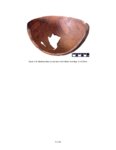
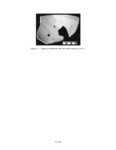
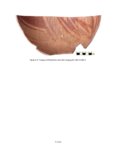
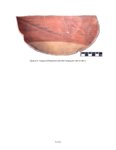
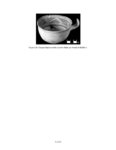
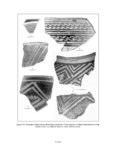
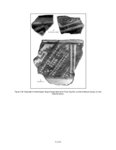
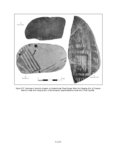
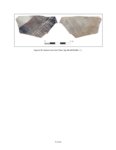
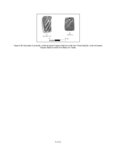
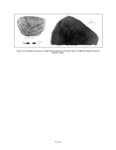
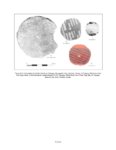
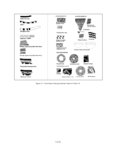
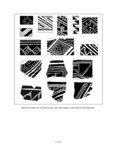
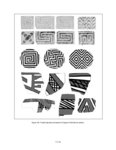
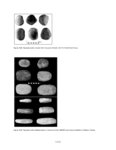
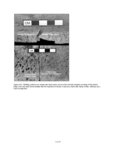
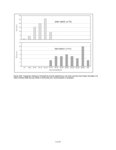
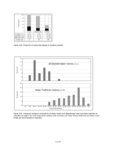
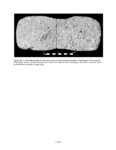
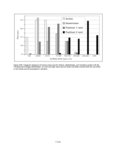
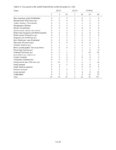
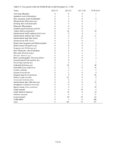
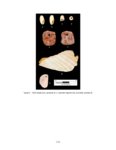
| OCR Text |
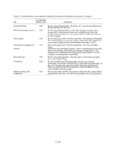
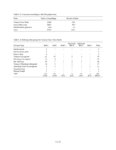
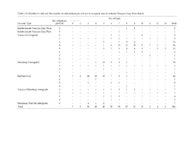
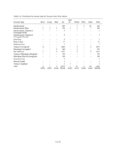
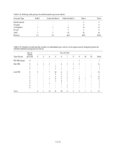
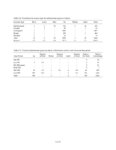
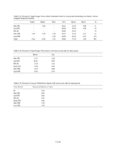
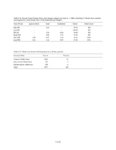
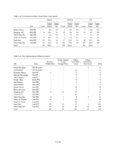
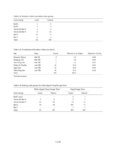
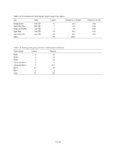
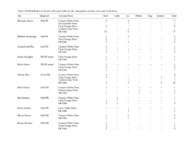
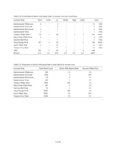
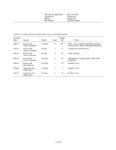
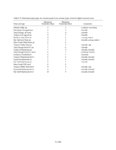
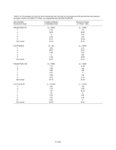
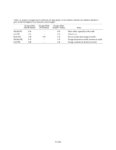
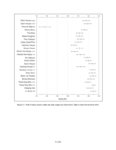
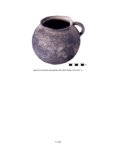
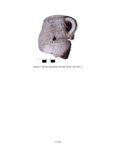
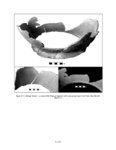
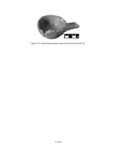
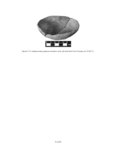
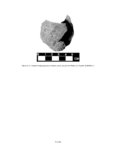
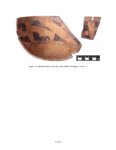
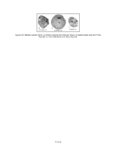
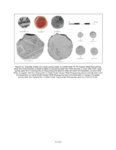
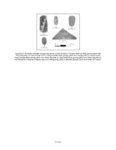
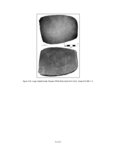
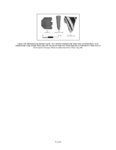
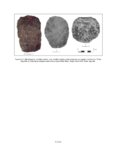
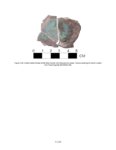
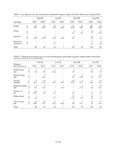
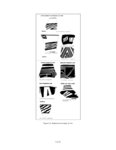
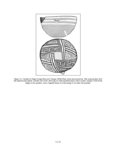
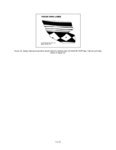
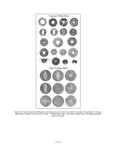
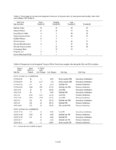
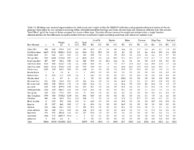
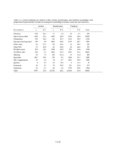
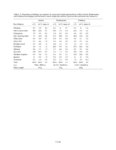
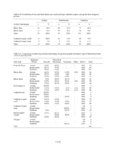
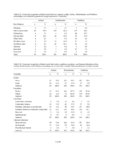
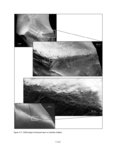
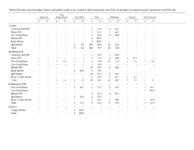
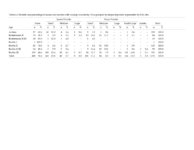
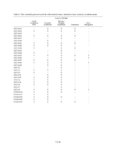
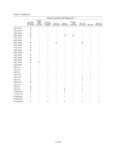
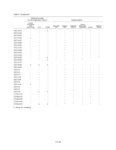
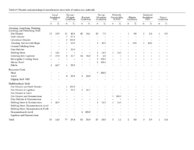
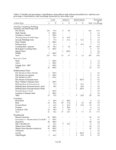
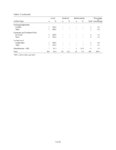
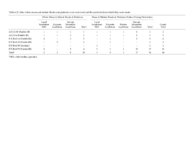
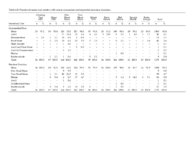
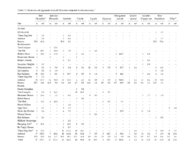
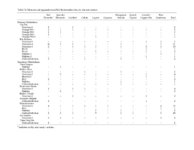
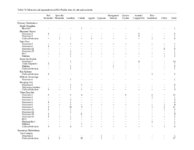
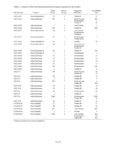
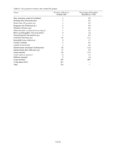
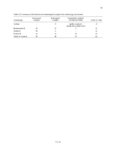
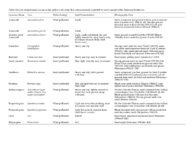
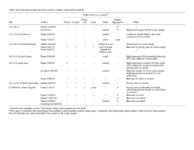
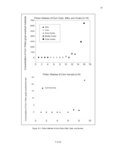
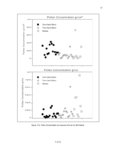
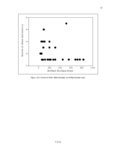
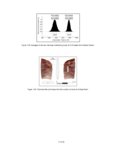
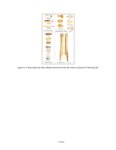
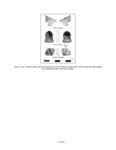
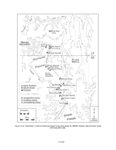
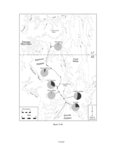
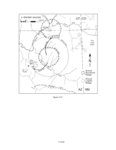
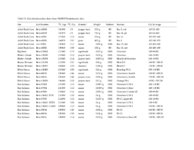
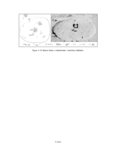
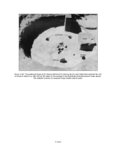
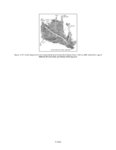
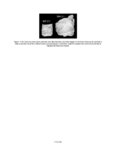
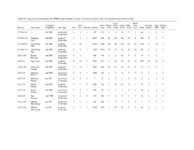
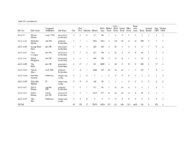
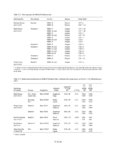
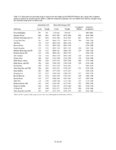
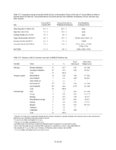
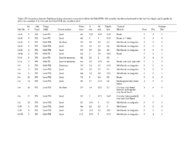
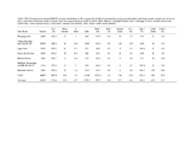
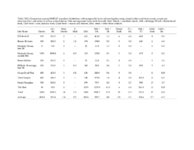
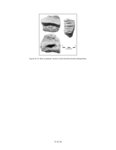
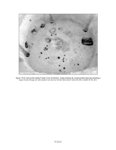
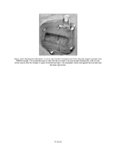
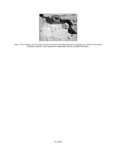
Show counterparts, and sometimes are omitted altogether, with paint applied directly to the dark paste surfaces to create a black-on-gray design. Designs loosely follow the traditions of their mainstream counterparts to the east but with a notable increase in the incidence of certain motifs and layout properties reminiscent of contemporary design traditions to the south, such as occur on Flagstaff, Tusayan, and Walnut Black-onwhite. Since igneous rock of the types preferred for temper to the east do not occur except in San Juan and Colorado river gravels west of Comb Ridge; ceramics made in the far west were commonly tempered with other substances-commonly crushed sandstone (e.g. Lipe 1967:368) and/or sherd. Culinary grayware is commonly tempered with coarse, angular to subangular, frequently fractured quartz sand. Some western dark-paste ceramics are tempered with the favored igneous porphyry from the Abajo laccoliths, however, fragments of which can sometimes be found scattered on sites around Elk Ridge and the Grand Gulch Plateau, up to ca. 15+ km from its nearest natural sources. According to Winston Hurst (Appendix H2) most of the N16 ceramics attributed to the Mesa Verdean tradition fall within the expected range of far western Mesa Verdean ceramic variability, with the signature dark pastes tempered with some combination of sherd, sandstone, and/or igneous rock, and frequent evidence of "Oreo" color phasing. These sherds were likely made in and imported from the area north of the San Juan and west of Comb Ridge. A small number of sherds, including some whiteware and most grayware specimens, exhibit paste color and temper properties characteristic of the Mesa Verde heartland east of Comb Ridge, and were presumably imported from there. The paucity (one sherd) of recognized grayware from the far western Mesa Verdean provinces may be due to the common use of sand/sandstone temper, which can lead some analysts to classify it as a Tusayan grayware. The only example in the N16 material submitted to Hurst was misidentified as having igneous temper. If there are corrugated sherds in these collections with dark, iron-rich paste and coarse, subangular/fractured sand temper, consideration should be given to the possibility that these represent imported ceramics from the western Mesa Verdean provinces. In summary, Mesa Verde tradition material is confined to the northernmost sites of the project area on the Rainbow Plateau. Sites at the foot of Navajo Mountain have nearly 80 percent of the Mesa Verde tradition pottery in the project area. Sites on the central part of the Rainbow Plateau have 20 percent. Sites further south have none, including those on the Shonto Plateau in N16 Segments 1-2 (Blinman 1989). Unlike the Tusayan White Ware distribution, then, frequency of Mesa Verde tradition pottery falls off as one moves away from the presumed source area. Quantities of Mesa Verde pottery increase from the middle to late Pueblo III time periods. In addition, the quantities of presumably locally produced whiteware increase over time and in the northern part of the right-of-way, and some of these unclassified white wares might be local copies of Mesa Verde tradition pottery. Indeterminate and Unclassified White Ware In any large assemblage, a few sherds inevitably fail to conform to typological expectations, for a number of reasons. Some sherds were burned or otherwise modified beyond recognition, some are probably rare imports unfamiliar to the analysts, and others might have been made locally or nearby, as experiments, special-use items, or imitations of other pottery wares done with local materials. We identified two distinct groups within the indeterminate whiteware category: "Rainbow white ware" and "white-slipped Tsegi Orange Ware." These two groups comprise nearly half of the sherds in the indeterminate whiteware category (Table 2.41), and they were probably produced locally. The remaining indeterminate whiteware sherds truly cannot be classified but are considered whiteware because of fine temper and paste, a slip, a polished surface, or a painted surface. We can speculate that some could have been produced locally, based on consistency with locally available materials, and some were likely not produced locally because there are no plausible matches among locally available raw materials, but we have not analyzed these sherds in compositional detail. Rainbow White Ware Sherds of Rainbow white ware (an informal category) have crushed sandstone temper in a medium to dark gray paste (Figure 2.35). The paste and temper resembles Rainbow Gray and other local utility sherds, but it is not as coarse. Slips are washy and poorly polished. Bowls can have a slipped interior and smoothed exterior or may be slipped on both surfaces. Jars are slipped on exterior surfaces only. Designs were painted with organic paint, employing Flagstaff and Tusayan design styles. Some sherds have the same paste and temper characteristics but do not have a slip. Bowls have smoothed and lightly polished interiors and smoothed exteriors. Jars have smoothed and lightly polished exteriors and scraped interiors. Only two unslipped sherds were painted with organic paint. V.2.42 |