| OCR Text |
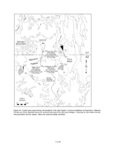
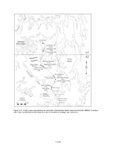
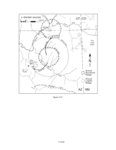
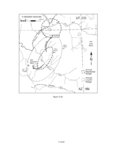
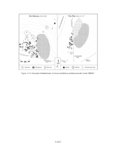
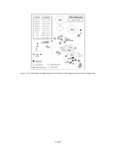
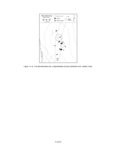
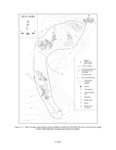
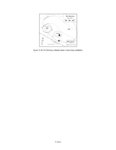
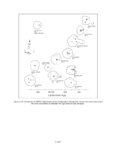
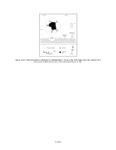
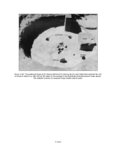
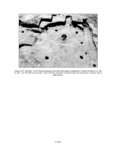
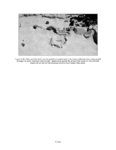
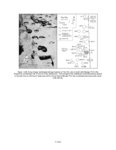
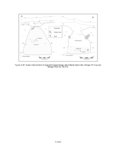
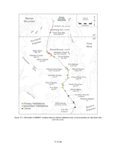
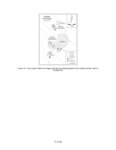
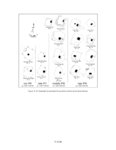
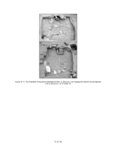
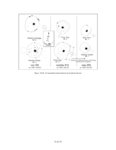
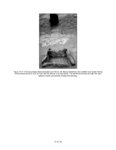
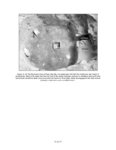
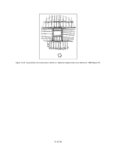
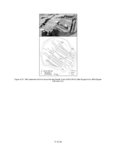
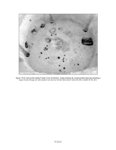
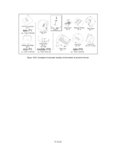
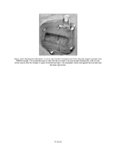
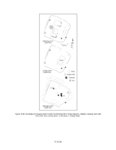
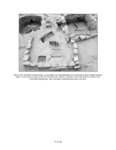
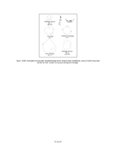
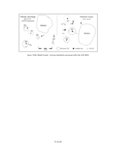
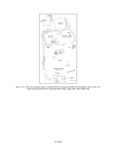
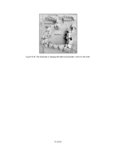
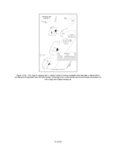
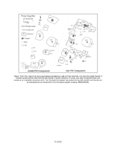
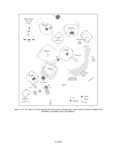
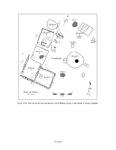
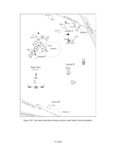
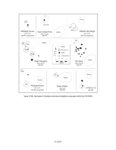
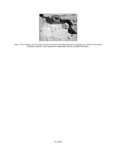
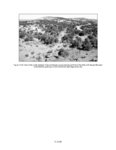
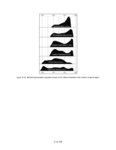
Show organization) also would have served as the social glue to attach segments into the courtyard-oriented sites of the Tsegi Phase (see Lindsay 1969:163, 360-373). Hymn House was abandoned just prior to the Tsegi Phase and the family that moved on would have participated in the formation of a Tsegi Phase village by one of the processes that Dean (1969:190) recognized-"the apparent independent movement of single households." Given the evident scavenging of useful tools from Hymn House, the occupants probably did not move far, perhaps to one of the many Tsegi Phase villages sprinkled across the Rainbow Plateau. Hymn House had not been previously disturbed so its architectural configuration was clear; unfortunately, the same was not true for the other Pueblo III primary habitations of Ditch House and Hanging Ash, both of which seem to differ from typical Pueblo III room clusters in several respects. Both sites clearly contain multiple households. Four living rooms are evident at Hanging Ash, with three of these adjacent to each other in a SW to NE line (Figure 15.33). The presence of at least four different houses implies multiple families, but how many additional households there were and how these were tied together with social integrative features such as a kiva and mealing room remains unknown. Multiple families are also in evidence at Ditch House since there were three living rooms preserved and possibly a fourth, with the rooms occurring in side-by-side pairs, one pair with an associated mealing room (see Figure 15.9). The overall arrangement of these structures remains unknown, but paired or otherwise grouped houses are seen at other Pueblo III pit house sites such as AZ-D-10-17 (Callahan 1985). Also unknown for Ditch House and Hanging Ash is the treatment of food stores-was storage organized above the level of the household or did each residential unit maintain their own facilities? The large pit of Structure 3 at Hanging Ash suggests the latter, something seen in other Pueblo III communities such as Dog Town (Callahan 1985). If storage was controlled at the level of individual households rather than multiple households, then the configuration of Hanging Ash also differs from plaza-oriented villages such as Surprise Pueblo on Cummings Mesa (Ambler et al. 1964:53-83) or Neskahi Village on Paiute Mesa (Hobler 1974), which appear to have communal storage rooms. Ditch House and Hanging Ash also differed from Hymn House in being semi-subterranean to subterranean pit house settlements rather than masonry constructions, which might have implications for the degree of planned permanence or anticipated short occupation (see Kent 1992). The effort that went into constructing Hymn House seems consistent with building for a long occupation even though the modest amount of remains at the site and lack of evidence for structure remodeling and additions suggest that site tenancy was cut short. The structures at Ditch House and Hanging Ash were perhaps far easier to build, requiring less time and effort, especially in the quarrying and hauling of stone. Thus, they seem more in line with Kent's (1992) notion of anticipated short occupation, with both sites also appearing to have had rather short actual occupations as well, probably less than 20 years. Anticipated short occupation does not mean that the sites were not considered as primary habitations, just that the stay was not envisioned as sufficiently long to merit substantial construction investment, even for a settlement that served as the only domicile for several years. The changes in architectural construction as a site transitions from one of anticipated short occupation to one of anticipated long occupation is perhaps evienced by the architectural reconfiguration at Three Dog Site (considered next). Lindsay's term courtyard pueblo (1969:243-246) describes a specific form of late Pueblo III aggregated pueblo in the Kayenta region where room clusters are grouped together to form courtyard complexes and these in turn are further grouped to form pueblos (see Dean 2002:143-146). Three Dog Site appears to exemplify the architectural reconfiguration that marks the transition to this type of village and in a way that seems consistent with anticipated greater longevity of use, though occupancy ultimately was not all that long. At this site the structural remains of a middle Pueblo III habitation lay beneath those of a late Pueblo III habitation (Figure 15.34). The late Pueblo III structures of Three Dog Site were built on the same spot and generally following the same ground plan established by the residents just a decade or two earlier, but organized into a more formalized and tightly integrated pueblo that included additional rooms, probably more people, and a greater investment in architectural permanence. The middle Pueblo III structures were razed and filled in, but the large central kiva of the earlier component was maintained (Structure 5), and serves as a handy reference point in Figure 15.34 for how the architectural units from the two time periods relate to each other. It is probably not wild speculation to claim that the final residents of this site were descendants of, and perhaps some of the same people who initially built two courtyard complexes during middle Pueblo III. The nearly identical footprint and continued use of the one large kiva seem to support this argument. Moreover, the site occupies a prime piece of real-estate in what was a very crowded area along the foot of Navajo Mountain-a sheltered drainage with permanent water and farmable alluvium-just the sort of setting that is likely to have been "owned" by some social unit such as a localized lineage. V.15.30 |