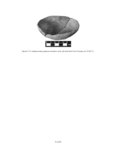
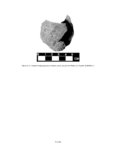
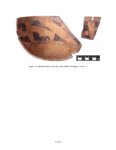
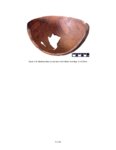
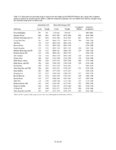
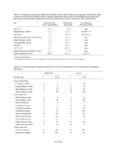
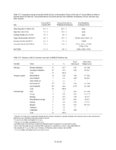
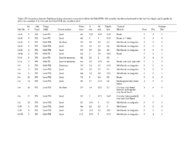
| OCR Text |
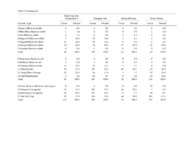
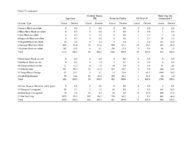
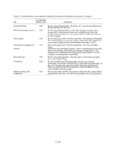
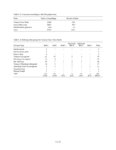
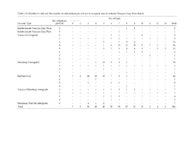
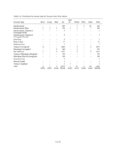
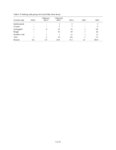
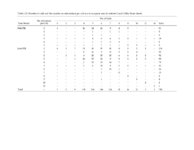
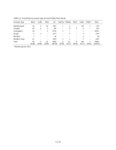
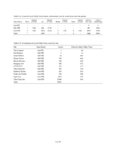
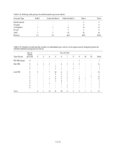
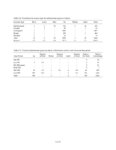
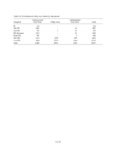
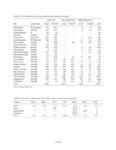
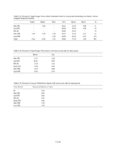
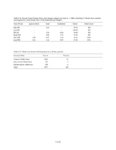
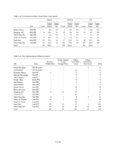
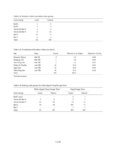
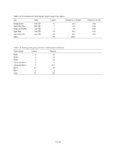
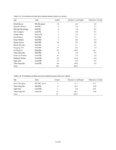
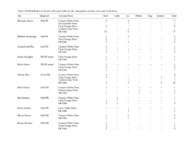
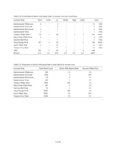
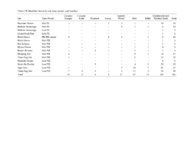
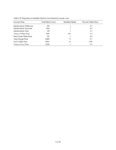
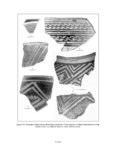
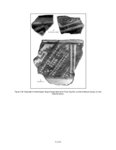
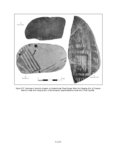
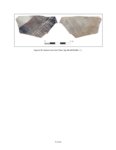
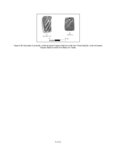
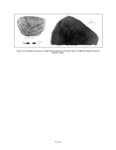
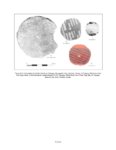
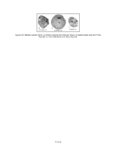
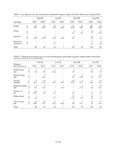
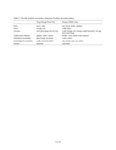
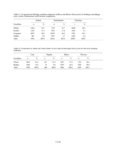
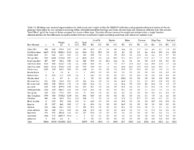
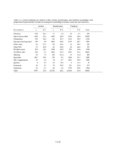
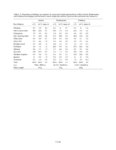
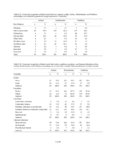
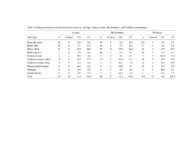
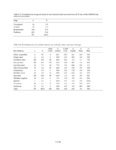
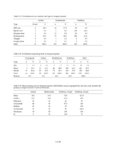
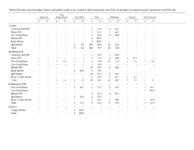
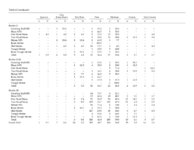
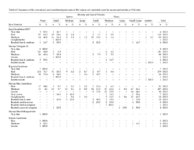
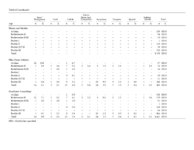
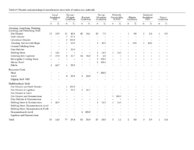
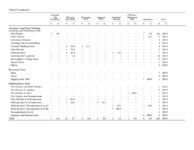
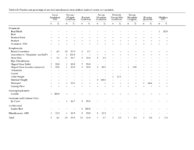
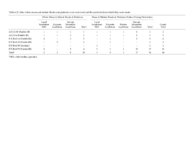
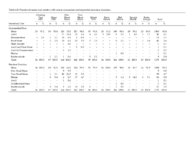
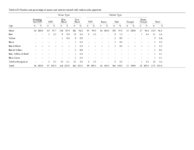
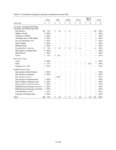
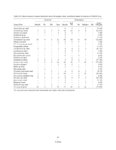
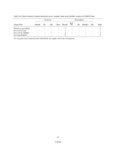
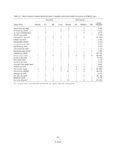
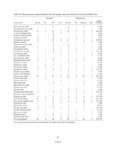
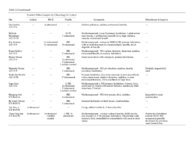
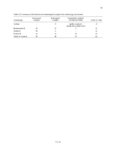
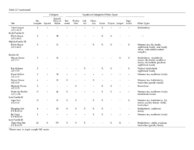
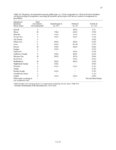
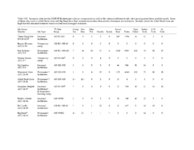
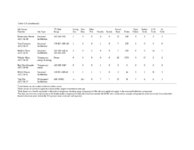
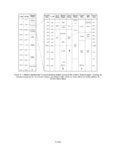
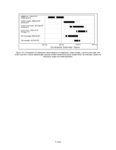
Show Polychrome decorations involve use of the red slip as a paint outlined with black mineral paint. Some late types (Kayenta and Kiet Siel Polychromes) have black elements outlined in white kaolin paint that is often rather fugitive. We refer to these as "whiteline" polychromes. In the late Pueblo III period, Tsegi Orange Ware was often misfired to brown or even gray, and temper color and composition was more varied. In addition to the typical Tsegi Orange Ware (Colton 1956) described above, two varieties of Tsegi Orange Ware are recognized: Navajo Mountain and Coombs. Following the definition offered by Fairley and Callahan (1985:290), Navajo Mountain variety is "distinguished from typical Tsegi Orange by its finer temper, which contains a great deal more sand and/or crushed sandstone than sherd, its frequent dark gray to black core, and its duller, more tan or brown-hued surface color." They also noted that the "surface color typically forms a thin rind around the dark gray core." Surface treatment ranges from crudely finished to polished. The frequency of crudely finished examples led Fairley and Callahan to believe that these were "produced for everyday use" and that they "may have been locally produced copies of the ‘standard,' imported types." They also observed a "considerable gradation between this presumably local variety and the ‘standard' Tsegi Orange," recognizing that "consistent separation of the two is exceedingly difficult" (1985:290). Another recognized but not quantified difference was that the typical Tsegi Orange has dense crushed white sherd that is visible on the surface. For the Navajo Mountain variety, the sherd temper was more finely ground and sparser, and it was not as visible on the surface. Vessels were not made as well and were not fired as consistently as the typical Tsegi Orange Ware (Fairley and Callahan 1985:307). In the N16 analysis, the Navajo Mountain variety of Tsegi Orange Ware was restricted to sherds with crushed sandstone, sand, or multilithic sand and no crushed sherd. In instances where clumps of sandstone were visible in a sherd-tempered specimen, it was typed as standard Tsegi Orange Ware. The remaining characteristics described by Fairley and Callahan (1985) were observed and were found to be consistent with their observations. In total, 849 sherds were identified as Navajo Mountain variety. The vast majority, about 700, have crushed sandstone temper. Most sherds are either Tsegi Orange (plain and polished) or untyped Tsegi Orange Ware (crudely finished). Only a few sherds (8) were decorated. Navajo Mountain variety sherds occurred only in middle to late Pueblo III contexts. Vessel forms consist mainly of straight-rim bowls, with a few sherds each of flare-rim bowls, wide- and narrow-neck jars, ladles, miniatures, and perforated vessels (possibly a "colander"). The bowl to jar sherd ratio for Navajo Mountain variety is 3.5:1, identical to the ratio for standard Tsegi Orange Ware in the project area. The difference in temper, then, does not appear to be due to a difference in intended vessel function. Rather, the choice of temper probably had to do with either available resources or different cultural traditions or potters' learning frameworks. There appears to be a continuum from standard Tsegi Orange Ware to the Navajo Mountain variety, to the indeterminate orangeware or redware categories, and possibly to the indeterminate brownware category as well. We attempted to consistently apply these divisions but at times this was difficult. There was certainly a shift from crushed sherd to crushed sandstone for temper over time. The Navajo Mountain variety trended towards a softer paste with a softer fracture. The standard Tsegi Orange Ware may have a soft slip but the paste was not as soft as the Navajo Mountain variety. We suspect that Navajo Mountain variety Tsegi Orange Ware pottery was made locally, and may simply reflect an expedient choice of temper on the part of some potters some of the time. Another variation, identified as Coombs variety, was tempered with crushed igneous rock, which is not available locally. These sherds are similar to those identified by Florence Lister (1960) at the Coombs Site, which is located near the present-day town of Boulder, Utah, approximately 60 miles northnorthwest of Navajo Mountain. Lister proposed a new variety-Tsegi Orange Ware, Coombs variety-to classify these sherds because they "conform in all particulars to descriptions in Colton, 1956, with the exception of temper" (1960:230), which consisted of crushed igneous rock. She also noted that igneous rock was "plentiful along the escarpment of the Aquarius Plateau adjacent to the site" (1960:183). The Coombs site, the type site for this variety, dates to AD 1075-1275, indicating that it was being manufactured during the Pueblo II to middle Pueblo III periods (Lister 1960). In the N16 assemblage, Tsegi Orange Ware, Coombs variety was recognized only at Three Dog Site. These sherds are orange in color and are well made, having either smoothed (untyped Tsegi Orange Ware) or polished (Tsegi Orange) surfaces. The temper appears dark against the orange paste. None are decorated. Although only a small number were noted (24 sherds), these sherds demonstrate very little variability, prompting us to consider that only three vessels may be represented by these sherds (a straight-rim bowl, a flare-rim bowl, and a jar). We used Colton's type descriptions, which are based on combinations of paint and slip colors on V.2.29 |