| OCR Text |
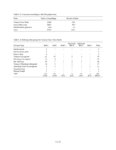
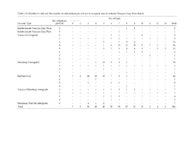
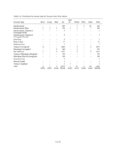
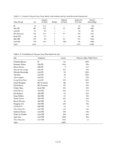
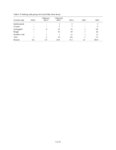
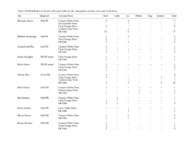
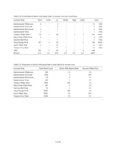
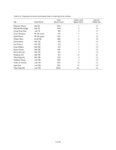
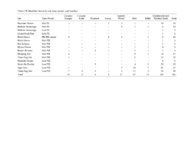
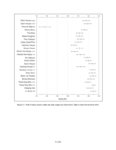
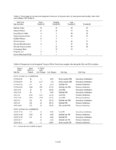
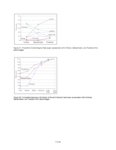
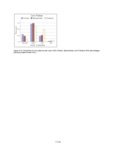
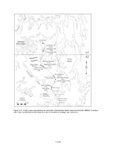
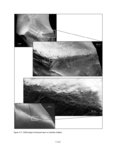
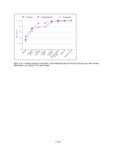
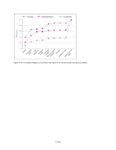
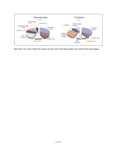
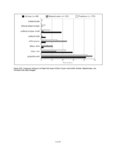
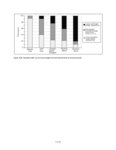
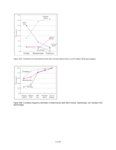
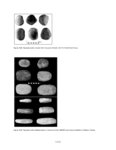
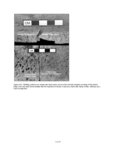
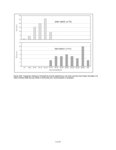
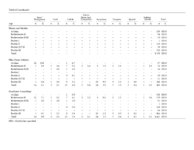
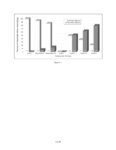
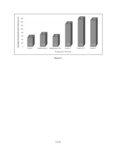
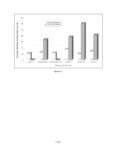
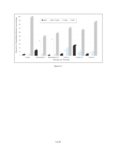
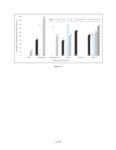
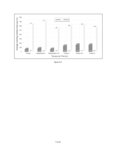
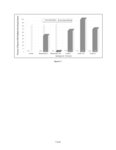
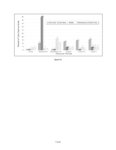
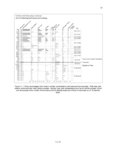
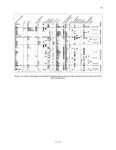
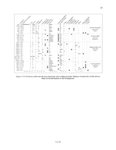
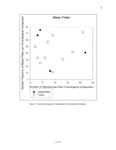
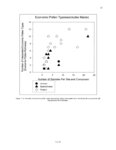
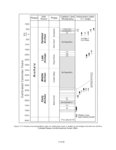
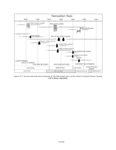
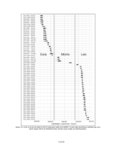
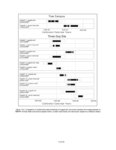
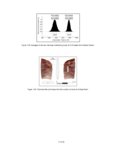
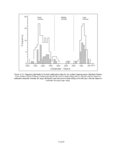
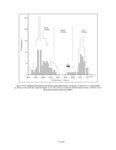
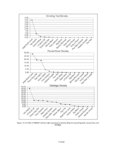
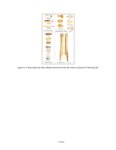
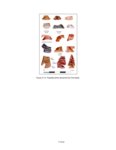
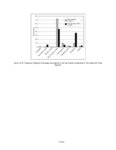
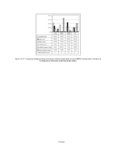
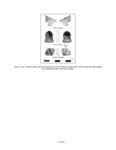
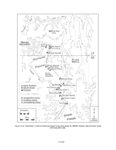
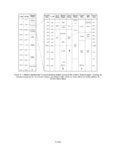
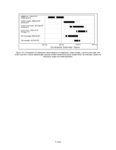
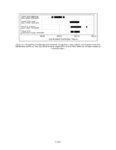
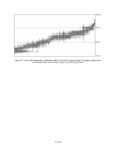
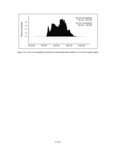
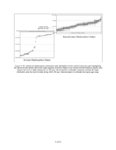
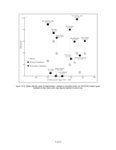
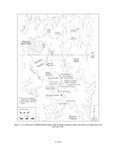
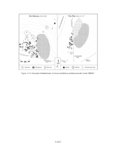
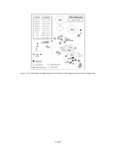
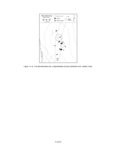
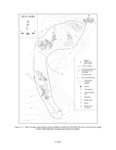
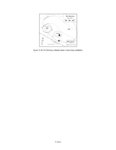
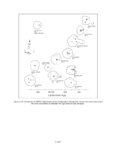
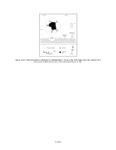
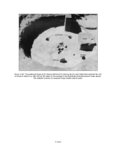
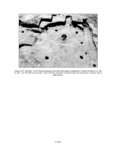
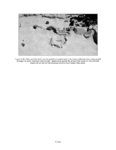
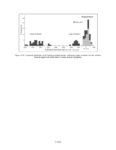
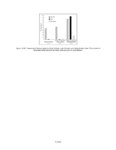
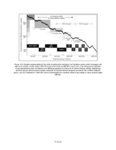
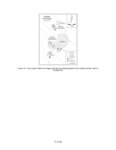
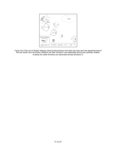
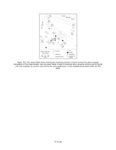
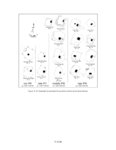
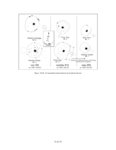
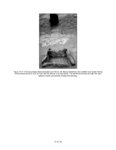
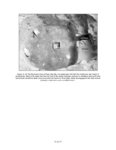
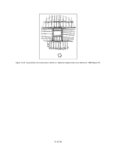
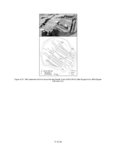
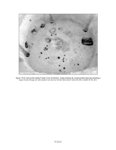
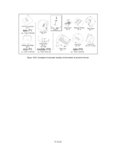
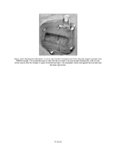
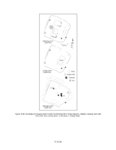
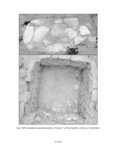
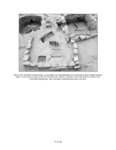
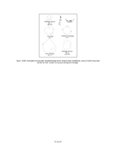
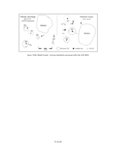
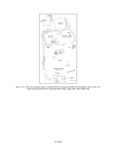
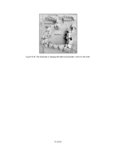
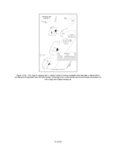
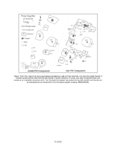
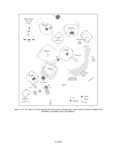
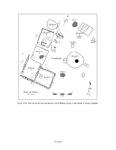
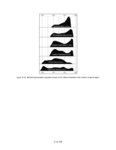
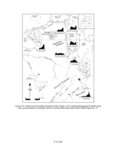
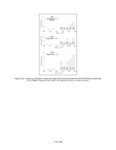
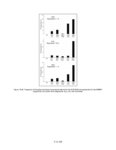
Show Mesa are radiocarbon dated to the early Archaic. 13.19. Distribution of inferred settlement types by temporal period for NMRAP Archaic sites and three caves with excavation data . 14.1. 14.2. 14.3. 14.4. 14.5. 14.6. 14.7. 14.8. 14.9. 14.10. 14.11. 14.12. 14.13. 14.14. 14.15. 14.16. 14.17. 14.18. 14.19. 14.20. 14.21. 14.22. 14.23. 14.24. Western Basketmaker II cultural-temporal phases relevant to the northern Kayenta region, including the proposed sequence for the Rainbow Plateau; see Matson (1991, 2002) for Cedar Mesa and Smiley (2002b) for northern Black Mesa. Array of all 75 of the NMRAP Basketmaker radiocarbon dates according to calibrated two-sigma age range; maize dates are designated by M. Comparison of radiocarbon determinations on sagebrush, maize cupules, a pinyon cone scale, and pinyon bark from various Basketmaker features at Ditch House (one-sigma ranges shown by solid black boxes and two-sigma ranges by enclosing boxes). Comparison of radiocarbon determinations on sagebrush, maize cupules, and ricegrass seeds from Basketmaker hearths at Three Dog Site (one-sigma ranges shown by solid black boxes and twosigma ranges by enclosing boxes). Comparison of averaged radiocarbon determinations from Panorama House (one-sigma ranges shown by solid black boxes and two-sigma ranges by enclosing boxes). Stratigraphically consistent series of AMS radiocarbon assays on maize from superimposed features at Kin Kahuna. Array of 89 Basketmaker radiocarbon dates for the northern Kayenta region; one-sigma ranges shown by solid black boxes and two-sigma ranges by enclosing gray boxes. Sum of the probability distributions of all 89 Basketmaker dates for the northern Kayenta region. Frequency distribution of Basketmaker radiocarbon dates for the northern Kayenta region (Rainbow Plateau & far northern Shonto Plateau); shaded area depicts the count of dates falling within a 100 year interval based on calibrated midpoints whereas the larger distribution uses the count of dates falling within 100 year intervals based on calibrated two-sigma age range. Archaic and Basketmaker radiocarbon date distributions for the northern Kayenta region highlighting the interval of date decline after which maize appears (Rainbow Plateau & far northern Shonto Plateau); shaded area depicts the count of dates falling within a 100 year interval based on calibrated midpoints whereas the larger distribution uses the count of dates falling within 100 year intervals based on calibrated two-sigma age range. Maize ubiquity values for Basketmaker and Puebloan flotation samples of the NMRAP. Maize ubiquity values for Basketmaker habitations excavated within the N16 ROW. Distribution of NMRAP Basketmaker sites by inferred settlement type; also shown are three caves with excavation data . Examples of Basketmaker II primary habitations partially excavated by the NMRAP. Distribution of dated features at Kin Kahuna illustrating feature accretion through time. The Mountainview site, a Basketmaker primary habitation with Obelisk Utility. Map of a large unexcavated primary habitation outside the N16 ROW that has an artifact assemblage similar to Mountainview including early brownware pottery. Sin Sombra, a Basketmaker II secondary habitation. Blake's Abode, a Basketmaker II secondary habitation. Polly's Place, a Basketmaker II secondary habitation with two non-contemporaneous structures. Panorama House, a Basketmaker II secondary habitation with two non-contemporaneous structures. Slab-lined ramp entryways to probable Basketmaker II houses on Paiute Mesa (excavation photo courtesy of the Museum of Northern Arizona). Maps of the Desha Caves as drawn by Irwin Hayden (1930; redrawn from Schilz 1979) showing the excavated cists and recently obtained 14C dates (see Geib and Robins 2003).. Comparison of NMRAP Basketmaker house configurations through time; houses are sized and oriented the same and ordered by calibrated 14C age based on date averages.. |