| OCR Text |
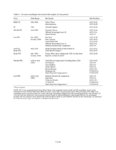
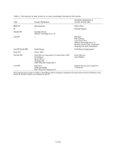
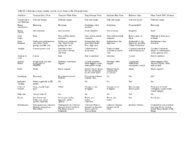
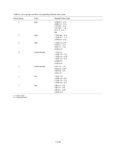
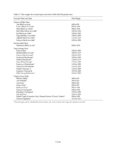
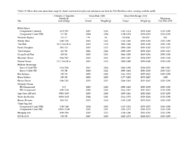
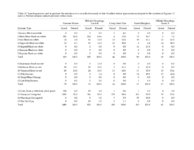
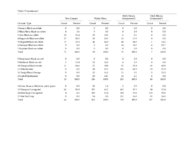
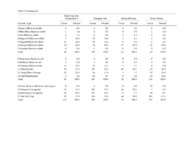
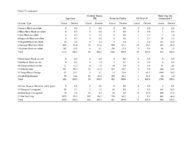
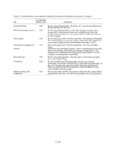
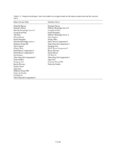
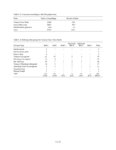
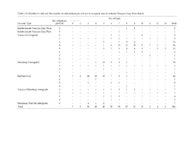
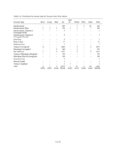
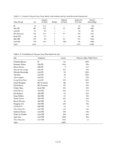
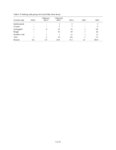
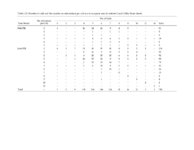
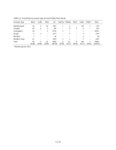
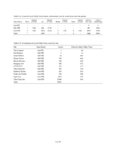
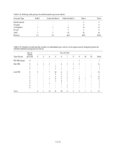
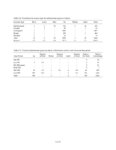
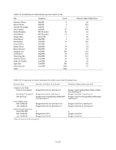
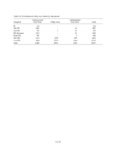
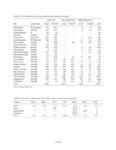
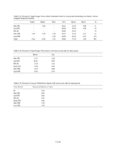
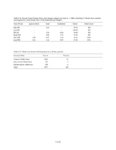
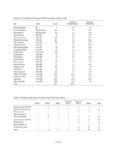
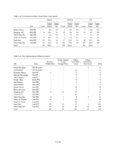
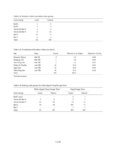
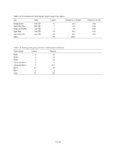
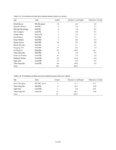
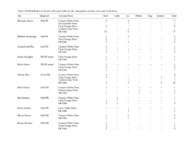
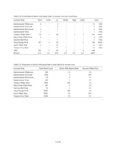
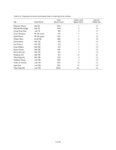
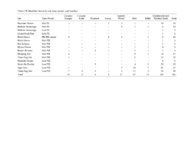
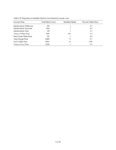
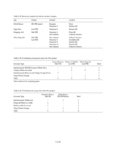
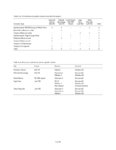
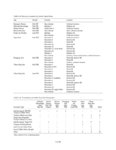
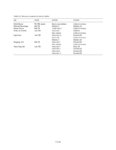
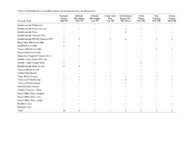
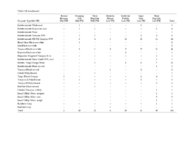
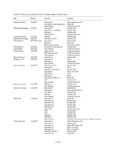
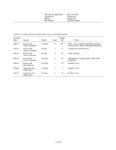
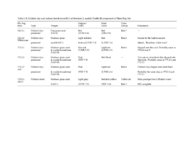
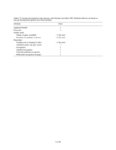
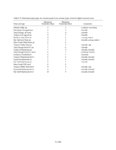
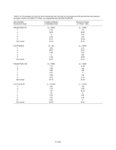
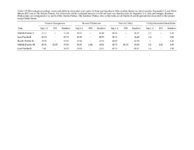
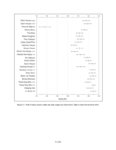
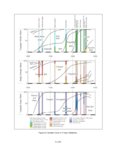
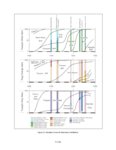
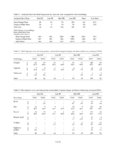
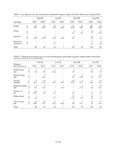
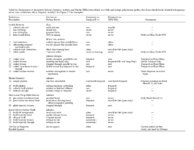
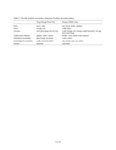
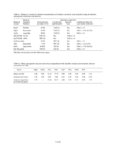
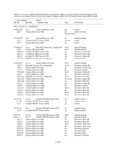
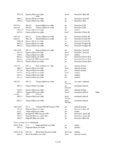
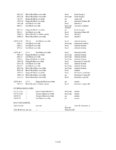
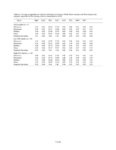
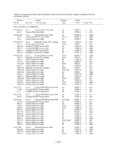
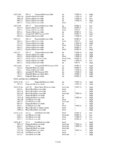
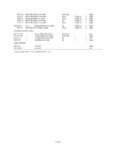
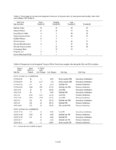
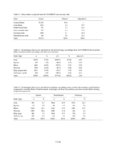
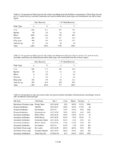
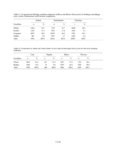
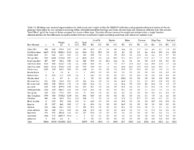
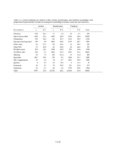
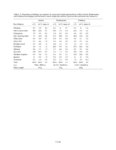
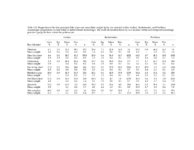
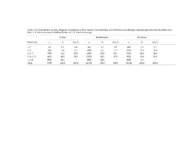
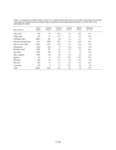
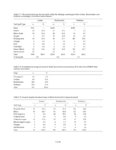
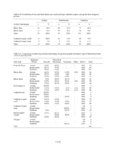
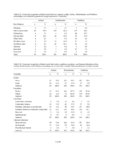
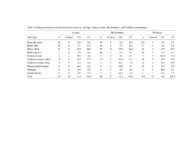
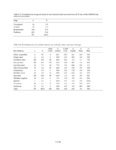
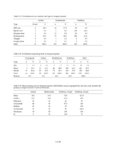
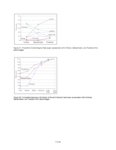
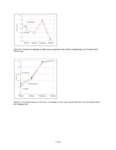
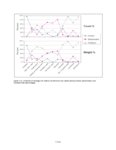
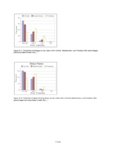
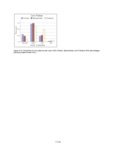
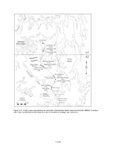
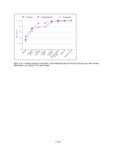
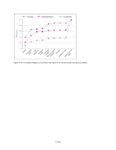
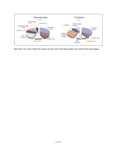
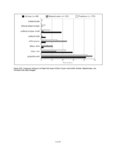
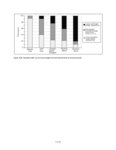
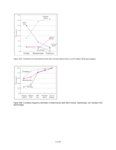
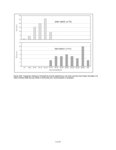
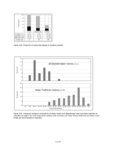
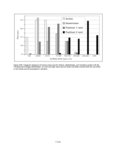
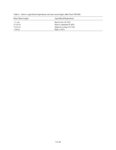
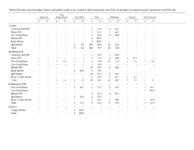
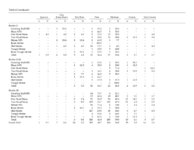
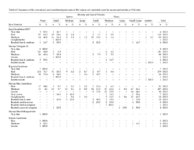
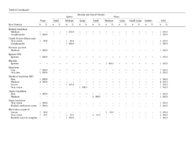
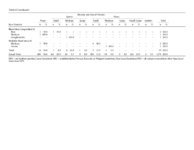
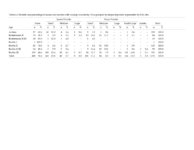
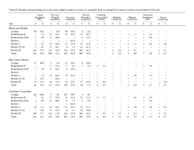
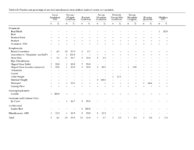
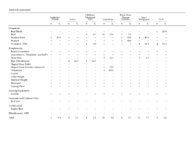
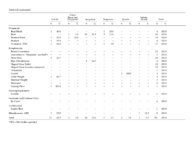
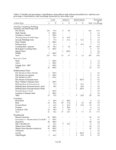
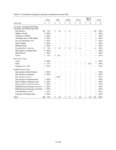
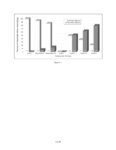
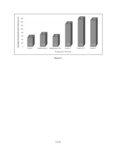
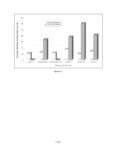
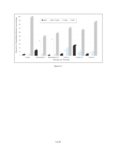
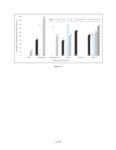
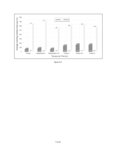
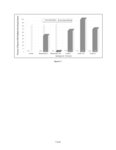
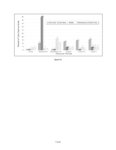
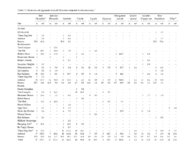
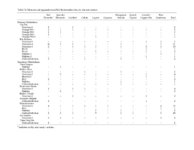
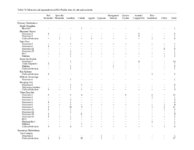
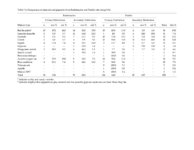
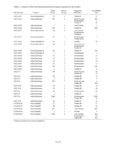
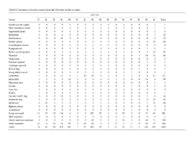
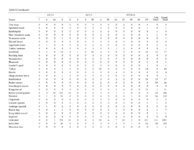
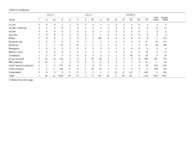
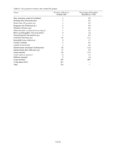
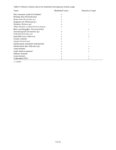
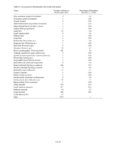
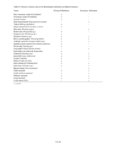
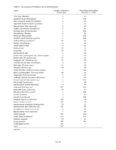
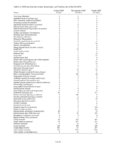
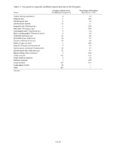
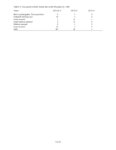
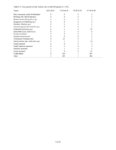
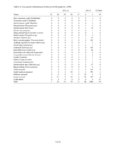
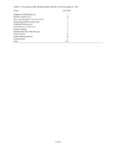
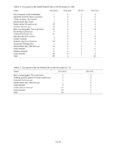
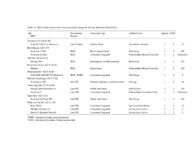
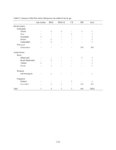
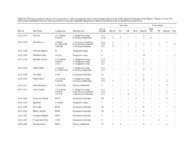
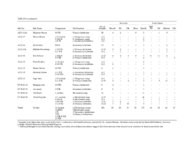
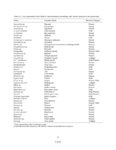
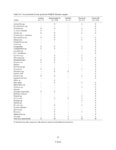
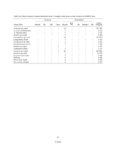
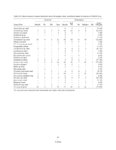
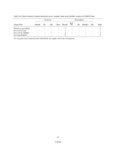
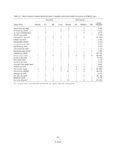
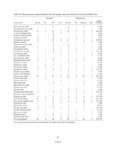
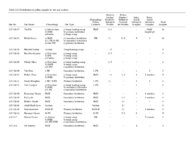
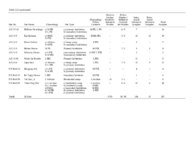
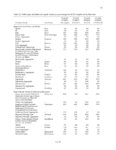
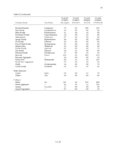
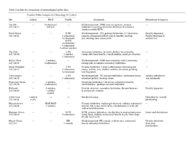
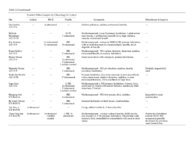
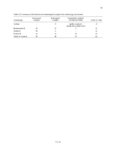
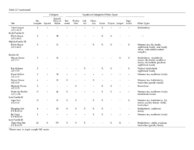
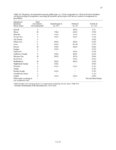
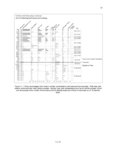
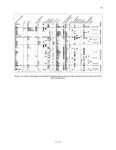
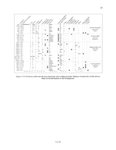
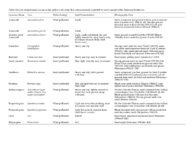
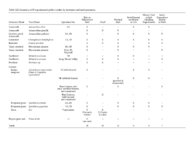
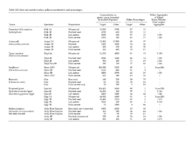
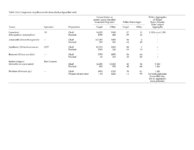
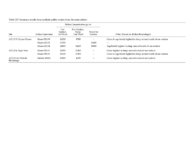
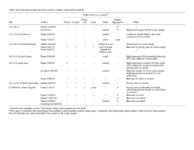
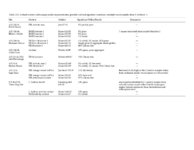
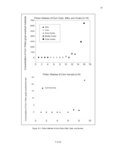
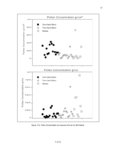
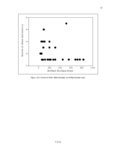
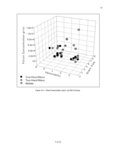
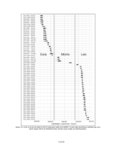
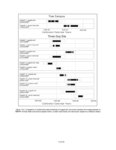
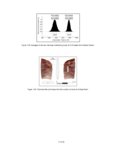
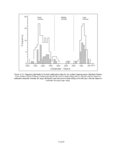
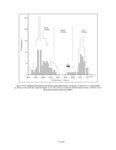
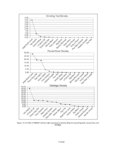
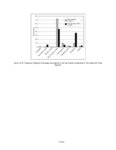
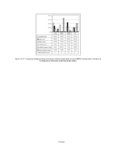
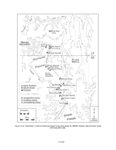
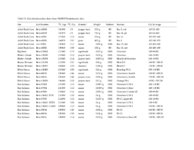
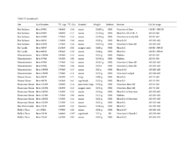
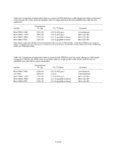
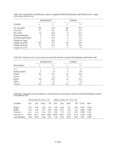
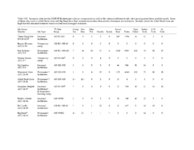
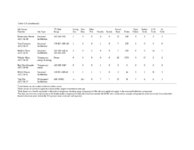
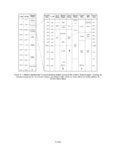
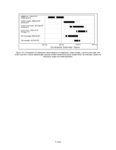
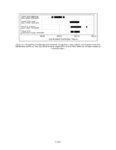
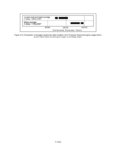
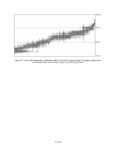
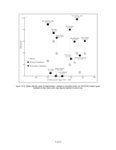
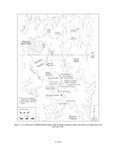
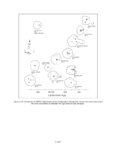
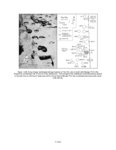
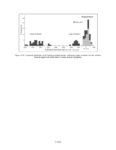
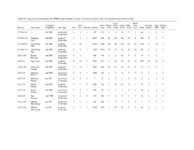
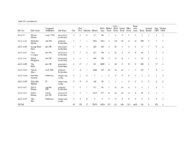
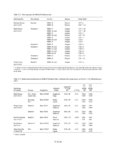
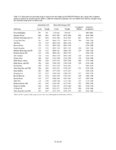
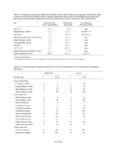
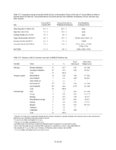
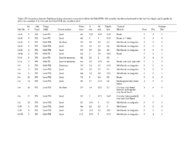
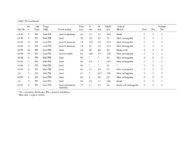
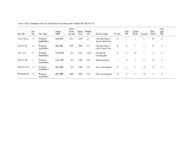
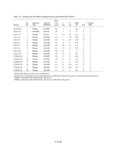
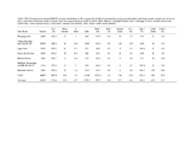
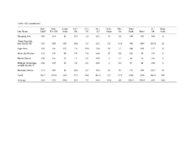
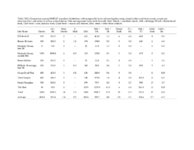
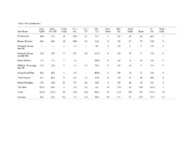
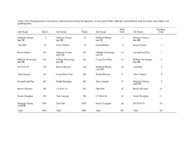
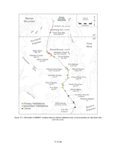
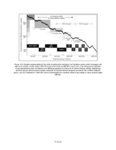
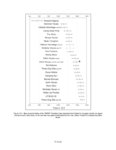
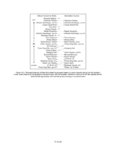
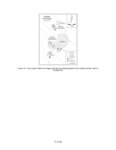
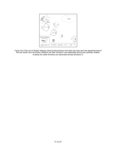
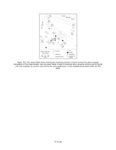
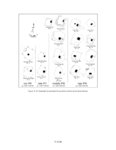
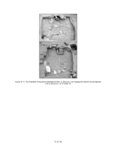
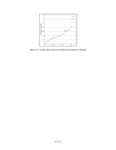
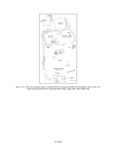
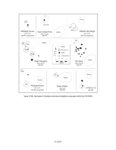
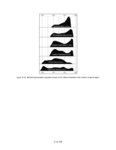
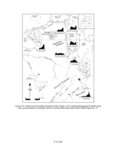
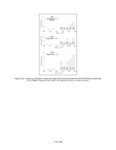
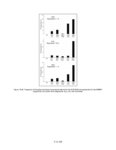
Show expansion and subsequent Pueblo III aggregation seen throughout the northern Anasazi region. Ceramic cross dating provided reliable estimates for the Pueblo period occupations. Some variation was observed between the occupational median date estimated from the seriation curve and the mean ceramic dates calculated for each of the Pueblo period sites (Table 2.12). When site occupation spans are plotted in order from south to north, we note an S-shaped curve (Figure 2.2), indicating that the earliest sites lie in the middle of the distribution, with later ones concentrated in the north. Wolachii Bighan, a Pueblo I site, is an anomaly in this pattern. The remaining Puebloan period sites range between the early 1000s and the late 1200s. It is interesting that the southern sites tend to cluster between the middle 1000s to the middle 1100s whereas the northern sites tend to cluster in the 1200s. There is considerable overlap in the occupations of sites that are in close proximity to each other. A perfect example of this is Sapo Seco and Water Jar Pueblo. These two sites are within 150 m of each other and were initially recorded as one site. Their mean dates are within 10 years. Bonsai Bivouac and Modesty House flank these sites, within about a mile. The mean date for the late component of Modesty House lies between the mean dates for Sapo Seco and Water Jar Pueblo. The mean date for Bonsai Bivouac is 13 years less than Sapo Seco and 19 years less than Water Jar Pueblo. The mean date ranges indicate considerable overlap, although Bonsai Bivouac was probably the first of these sites to be abandoned. This situation also occurs at other places and times within the N16 project area-The Slots, Naaki Hooghan, and Tres Campos are good examples. Figure 2.2 shows that some sites overlap more than others, some less than others. Some degree of interaction must have been occurring between relatively contemporaneous sites in relatively close proximity to each other, whether it occurred within families, clans, or larger social units. The primary habitations in the N16 project area were occupied from the early 1000s to the late 1200s. With the exception of Wolachii Bighan, secondary habitations were occupied from the middle 1000s into the late 1200s. There was no temporal or spatial patterning to the primary and secondary habitations; they could occur at any time in the N16 project area. It is important to remember that the sites within the N16 ROW are not a representative sample of how the prehistoric populations were distributed on the landscape. The sample does, however, appear to accurately represent the principal span of occupation from middle Pueblo II to late Pueblo III. Within this span the one interval that is underrepresented is late Pueblo II, with no primary habitations from this period excavated in the ROW. A comparison of the mean ceramic dates with those from the seriation curve shows some interesting trends. Except for Ditch House, the further north the site is, the more likely there will be a difference in the dates obtained from either method. The northern sites also tend to be younger. The dates for Ditch House are unusual, probably due to a mixing of the Pueblo II and Pueblo III assemblages. The few discrepancies occurred with either multicomponent sites (Three Dog Site, Modesty House) or sites within the northern portion of the project area (Three Dog Site, Hanging Ash, UT-B-63-19). This difference between these dates may be due to geographic location or to assemblage composition or a combination of both. The seriation curve, which is based on middle Pueblo II to Pueblo III period assemblages, was created by Ambler (1985b) to date sites near Rainbow City, Utah. The presence of Rainbow Gray in the Navajo Mountain area significantly increased in the late 1200s but this is not represented in the grayware proportions. Rainbow Gray may have been replacing Moenkopi Corrugated and Kiet Siel Gray at some of the northern sites, affecting the frequencies within the grayware. The relative frequencies of these types to Tusayan Corrugated and to themselves ought to reflect the increasing dominance of Kiet Siel Gray over time. But, if Rainbow Gray was replacing Kiet Siel Gray, for example, the relative frequency of Kiet Siel Gray would be significantly lower, thus affecting how the bar graph fits on the curve. This could be why the grayware frequencies are more likely not to fit the curve the younger the site is and the further north it is. This was especially apparent at the three sites in Utah-Hanging Ash, Three Dog Site, and UT-B-6319. Hanging Ash and the middle Pueblo III component of Three Dog Site (C2) date from the late 1100s to early/middle 1200s, where the relative percentage of Kiet Siel Gray is about 24 percent and about 46 percent respectively. The late Pueblo III component of Three Dog Site (C3) and UT-B-63-19 date from the early to late 1200s, where the relative percentage of Kiet Siel Gray is about 28 percent and about 8 percent respectively. The high percentage of Kiet Siel Gray at the earlier component of Three Dog Site is most likely due to it being older than Hanging Ash. Mixing with the later assemblage at Three Dog Site, however, may have resulted in a higher percentage of Kiet Siel Gray associated with the earlier assemblage. As a comparison, Modesty House, Bonsai Bivouac, Sapo Seco, and Water Jar Pueblo are clustered about 5 miles south of the sites in Utah and all date to about early to middle 1200. The relative percentage V.2.13 |