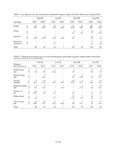
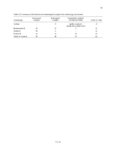
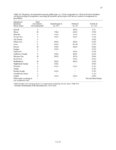
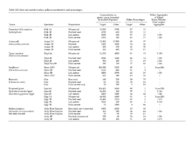
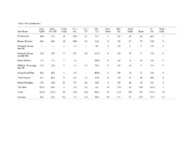
| OCR Text |
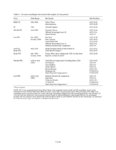
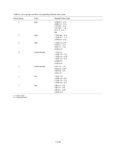
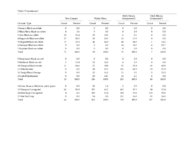
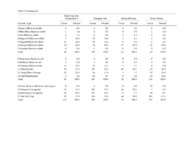
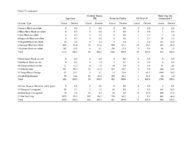
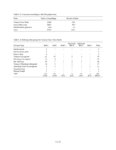
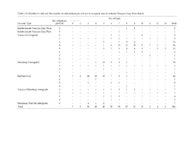
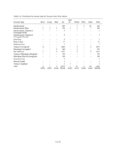
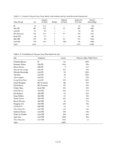
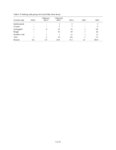
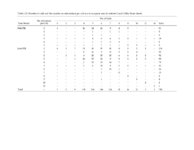
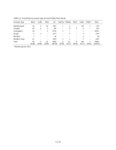
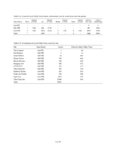
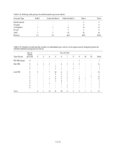
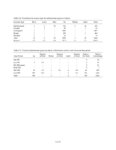
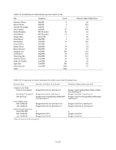
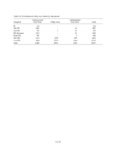
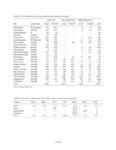
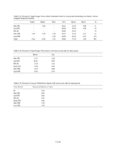
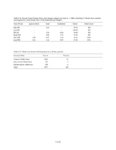
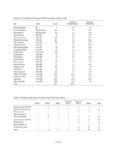
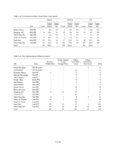
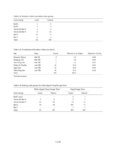
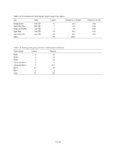
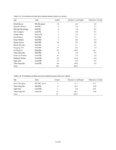
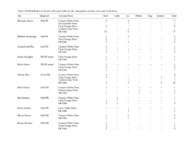
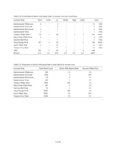
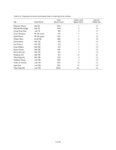
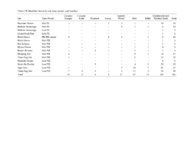
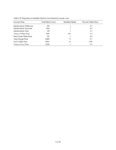
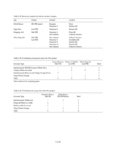
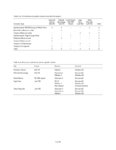
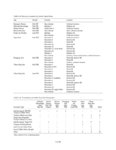
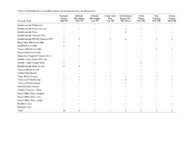
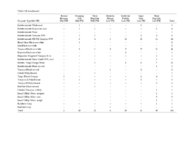
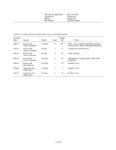
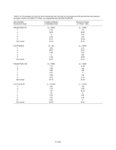
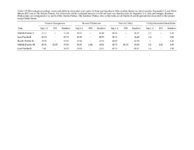
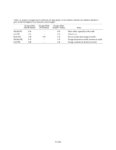
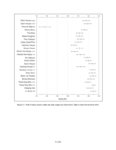
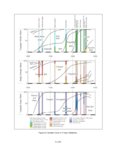
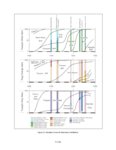
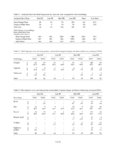
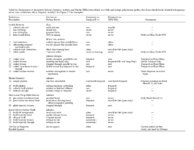
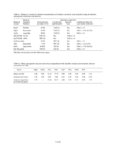
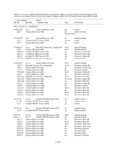
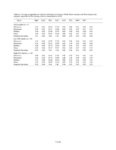
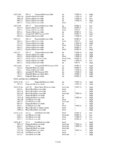
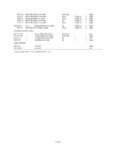
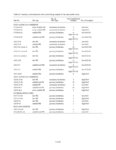
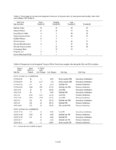
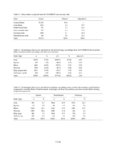
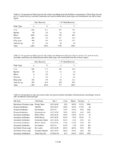
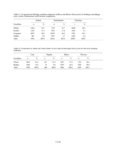
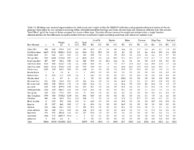
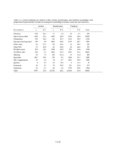
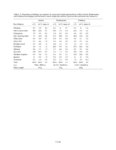
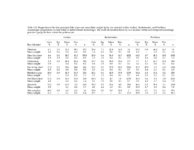
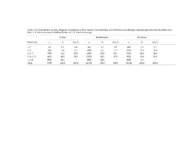
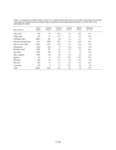
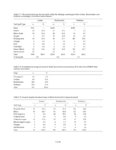
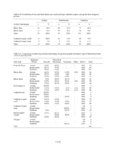
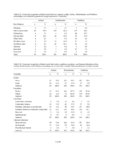
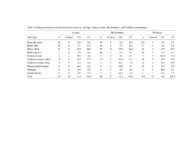
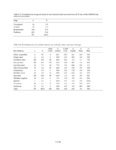
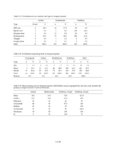
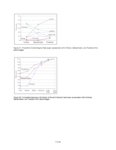
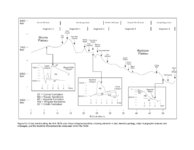
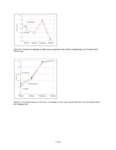
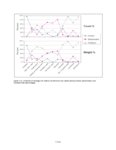
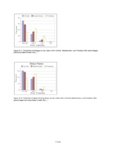
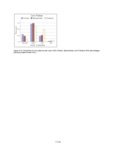
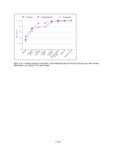
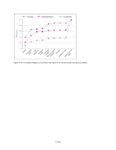
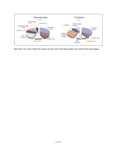
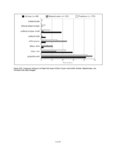
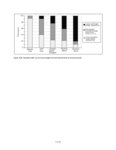
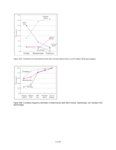
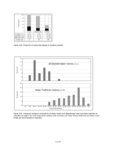
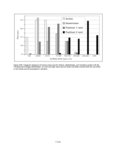
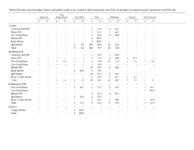
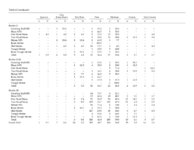
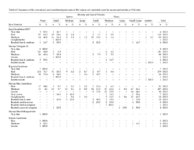
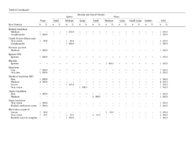
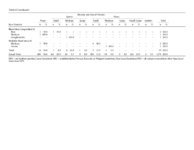
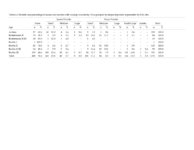
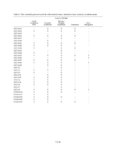
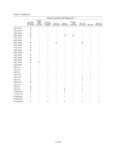
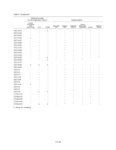
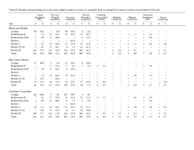
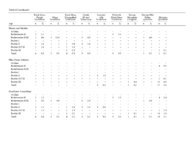
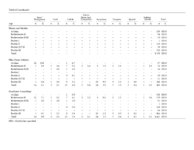
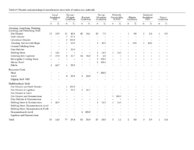
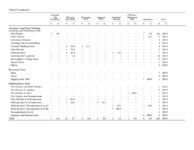
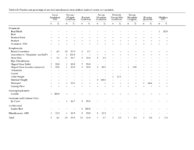
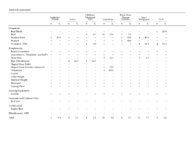
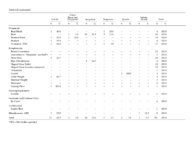
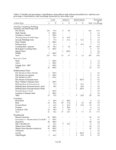
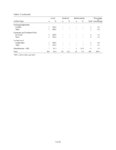
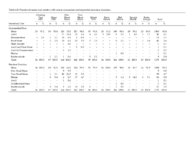
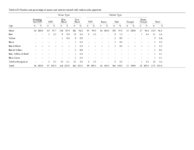
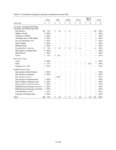
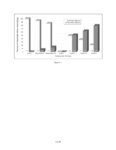
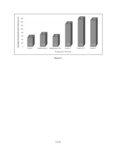
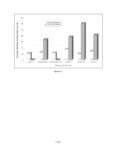
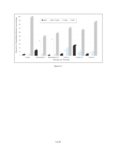
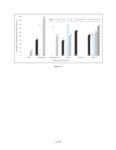
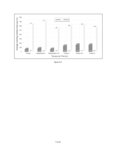
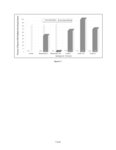
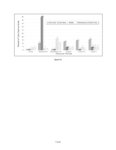
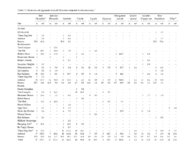
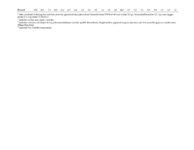
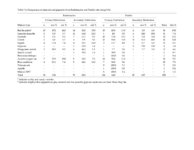
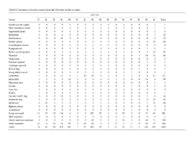
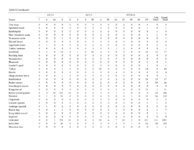
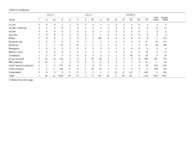
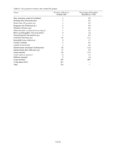
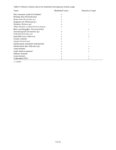
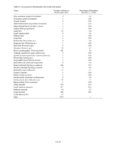
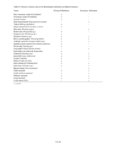
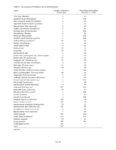
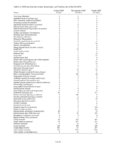
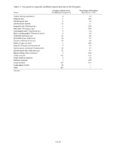
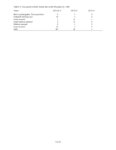
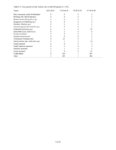
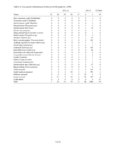
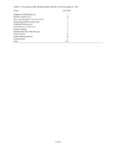
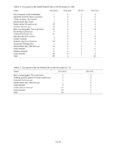
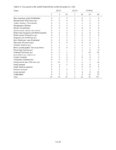
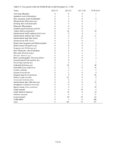
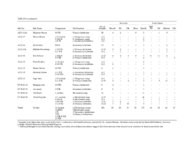
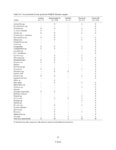
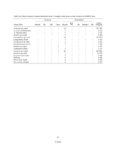
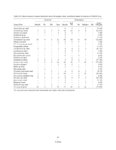
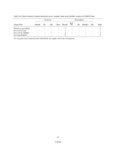
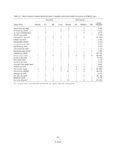
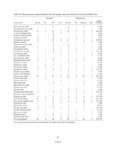
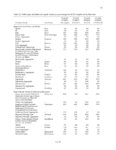
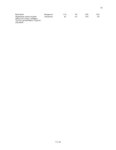
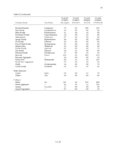
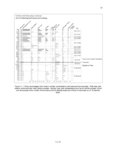
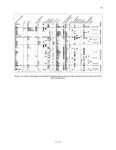
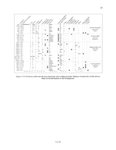
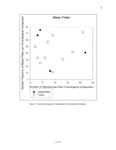
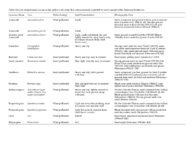
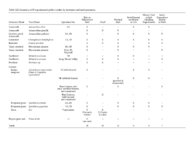
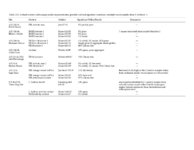
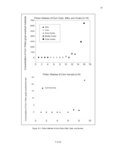
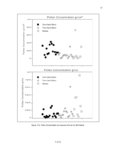
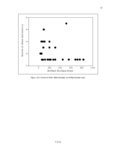
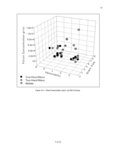
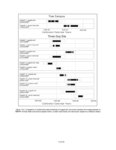
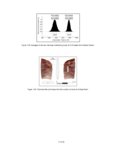
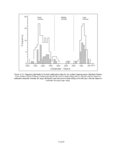
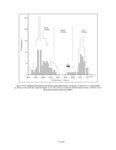
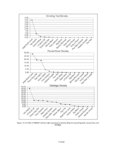
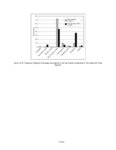
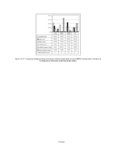
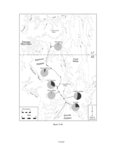
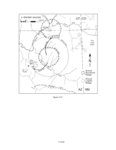
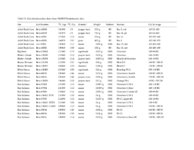
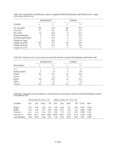
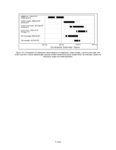
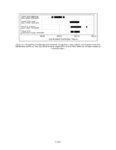
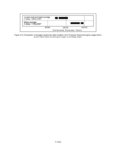
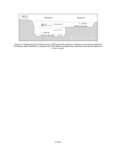
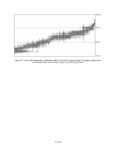
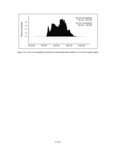
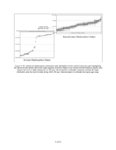
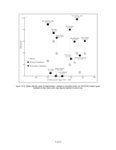
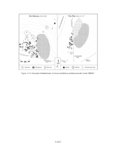
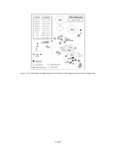
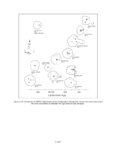
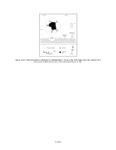
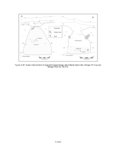
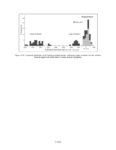
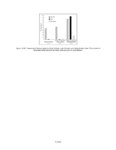
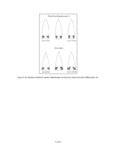
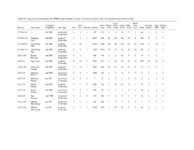
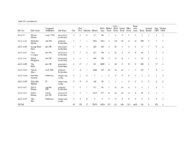
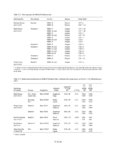
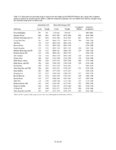
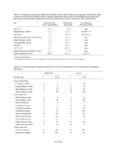
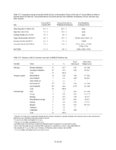
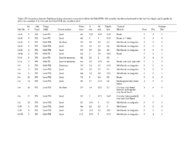
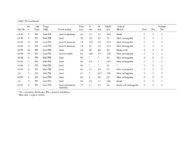
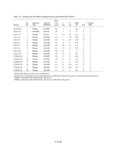
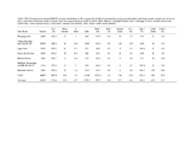
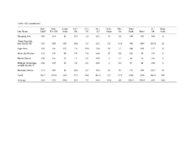
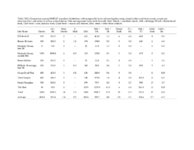
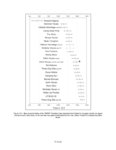
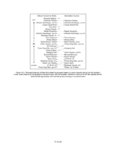
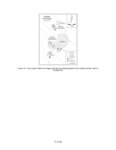
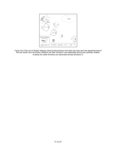
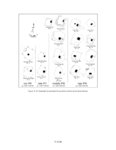
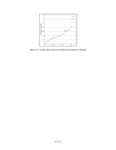
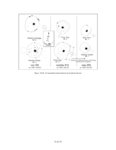
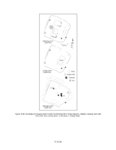
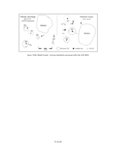
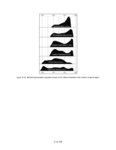
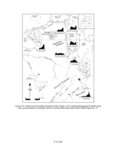
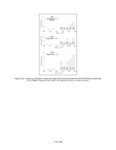
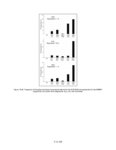
Show coarse material such as quartz (Flenniken 1981), the NMRAP bipolar cores are almost totally of microcrystalline-easily flaked materials, basically high-quality chert. Quality here refers only to texture rather than nodule size because the majority (62%) of bipolar cores are of Navajo and local lag chert, both of which occur as small nodules, often less than palm-size. As discussed earlier, this pattern accords well with a commonly extolled reason for bipolar reduction-making do with material that is difficult or impossible to flake by direct free-hand percussion (e.g., Goodyear 1993:12; Honea 1965; Shafer 1976:10). Twenty-three percent of the bipolar cores are of Glen Canyon chert, a material that is not limited to small nodules. In this case, it is likely that somewhat large flakes of this material were being reduced by bipolar in something of an effort at resource maximization-trying to obtain additional useful spalls for expedient use. Just under 50 percent of the DFP cores (49.2%) are of Owl Rock chert, a material that accounts for just 3 percent of the bipolar cores. This same pattern was obvious with the debitage because less than 1 percent of Owl Rock chert flakes were bipolar compared to 70 percent core reduction, with just 5 percent of bipolar flakes overall consisting of this material. Owl Rock chert was also heavily exploited as pecking stones, with 36 percent of the 471 tools so classified made from this material; moreover, more than 70 percent (73.3%) of the Owl Rock chert in the overall assemblage of cores and nodular tools consisted of pecking stones. Probably because of large nodule size, in addition to toughness, this material was also preferred for choppers and scrapers/planes, accounting for more than half (52.4%). Glen Canyon chert was heavily represented in the facial flaked tools, accounting for well over half of the overall NMRAP assemblage, but just 6 percent of the cores and nodular tools. The representation of DFP cores of Glen Canyon chert was very low considering that core flakes accounted for 20 percent or more of the identifiable flakes in the Basketmaker and Puebloan assemblages. This perhaps means that cores of this material were fully reduced and turned into bifaces and other tools, rather than being discarded in core form. Table 5.27 lists the morpho-functional types of the core and nodular tools for the three temporal periods of the NMRAP excavations, with Figures 5.27 and 5.28 illustrating the patterns. There are some significant differences in representation that track with the importance of certain tasks or reduction techniques. For example, pecking stones comprise more than half of both the Basketmaker and Puebloan assemblages, testament to the significance of producing and maintaining milling equipment, specifically manos and metates for maize grinding. This tool form provides significant separation between the prefarming Archaic assemblage and those associated with agriculture. A few pecking stones were identified at Archaic sites, and it is evident from the tools themselves that Archaic manos and metates were pecked both in production and to roughen their use-surfaces, but the intensity of this activity was far less than for the Basketmakers and especially the Puebloans. In part this is because Archaic grinding tools on a whole were less formal than those that came later and their manos were significantly smaller. Maize kernels, which are both harder and larger than the seeds exploited by Archaic foragers, required intensive grinding to make the dried grains palatable and to ensure adequate nutrition absorption (Adams 1990:479-480; Hard et al. 1996:255). These factors along with perhaps greater force exerted in grinding, especially in early phases of kernel processing, may have worn down grinding tools more rapidly than for Archaic seed metates, necessitating relatively frequent pecking maintenance. Bipolar cores comprise 25 percent of the Puebloan assemblage but less than 10 percent of the Archaic and Basketmaker assemblages. These cores further separate the Puebloan assemblage from that of the Archaic in Figure 5.28 and serve to differentiate the Basketmaker assemblage from the Puebloan, since they are poorly represented at Basketmaker sites. Indeed, seven of the eight identified Basketmaker bipolar cores came from just two sites. Bipolar debris accounts for just a trace of the Archaic and Basketmaker debitage assemblages, just 0.3 percent for both. As such, one might be tempted to speculate that these techniques were not practiced because core reduction can occasionally produce debris that resembles bipolar. However, in the Basketmaker case at least, the two sites that produced all but one of the eight bipolar cores also yielded much of the bipolar debris (58%), so it would appear that the technique was known but seldom used until Puebloan times. In contrast, the one Archaic bipolar core came from a site that lacked any identified bipolar debris, so perhaps this core is simply an anomaly, or perhaps it represents a true wedge. There were few cores or nodular tools from the Archaic sites, just 12, yet DFP cores accounted for half of the assemblage, far more than at Basketmaker and Puebloan sites. Despite this, core reduction flakes are not well represented in the Archaic debitage assemblage, less than 10 percent. The common occurrence in some Archaic assemblages of certain tools made on core flakes, such as scrapers (the early Archaic component of Dust Devil Cave provides a local example; Geib 1984), indicates that core flakes were an important part of the reduction repertoire for local foragers, even if it only accounted for a minor V.5.35 |