| OCR Text |
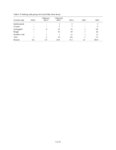
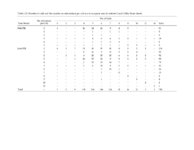
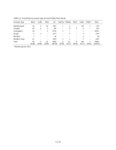
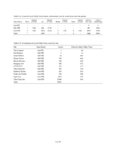
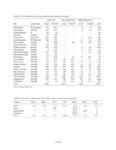
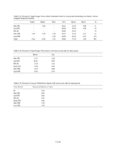
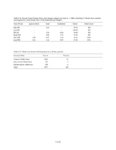
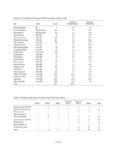
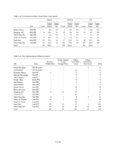
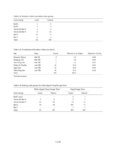
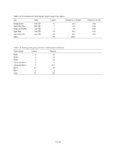
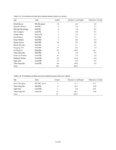
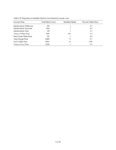
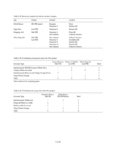
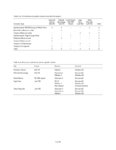
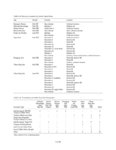
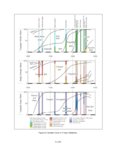
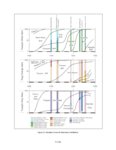
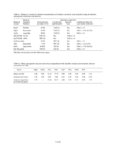
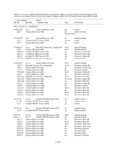
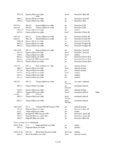
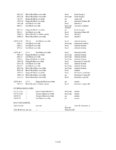
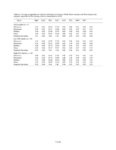
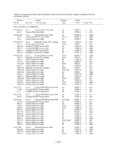
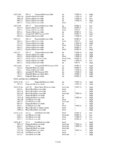
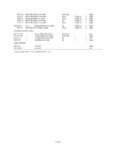
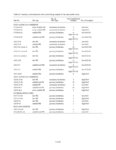
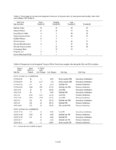
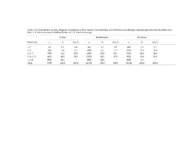
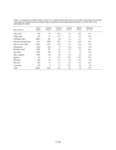
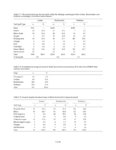
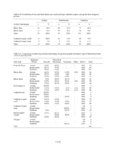
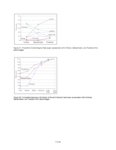
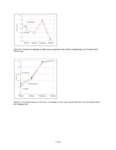
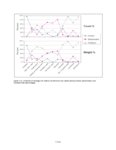
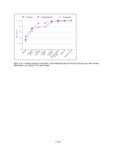
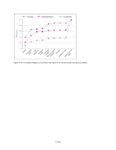
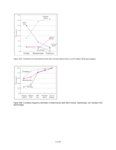
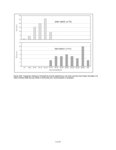
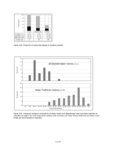
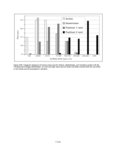
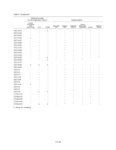
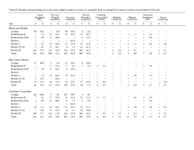
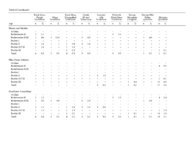
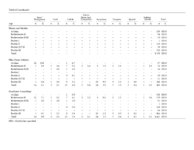
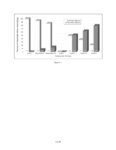
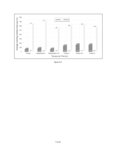
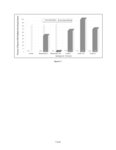
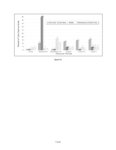
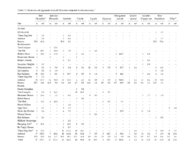
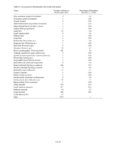
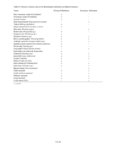
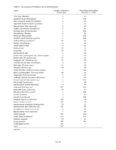
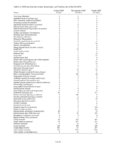
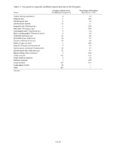
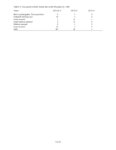
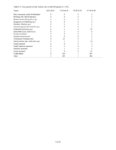
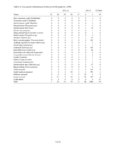
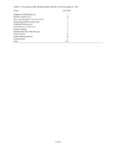
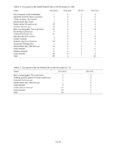
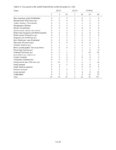
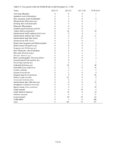
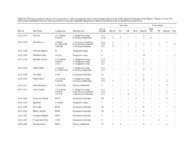
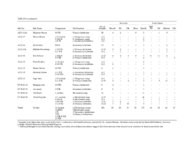
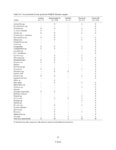
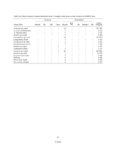
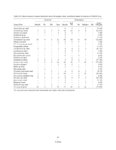
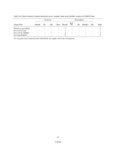
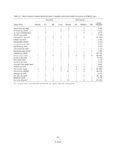
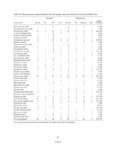
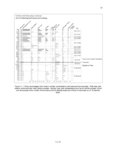
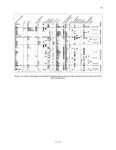
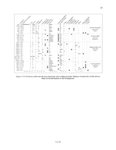
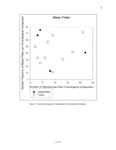
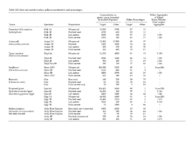
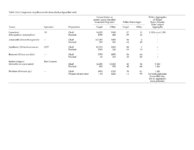
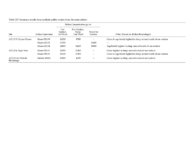
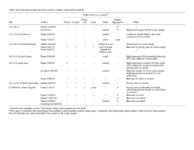
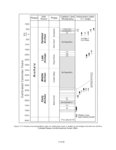
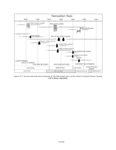
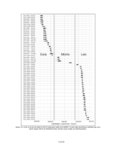
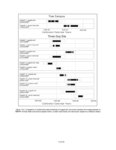
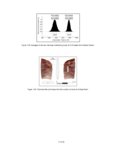
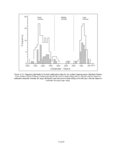
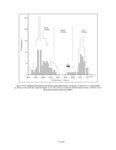
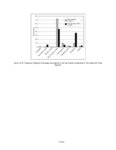
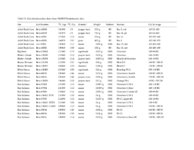
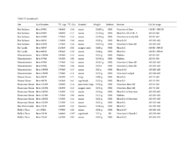
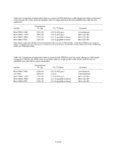
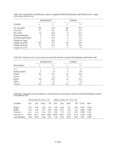
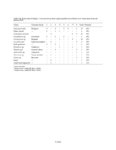
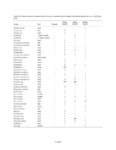
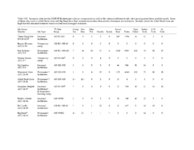
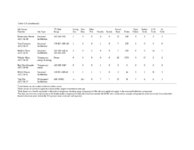
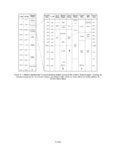
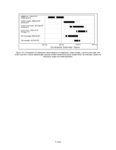
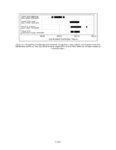
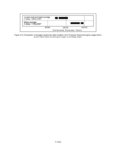
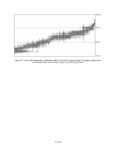
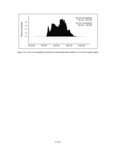
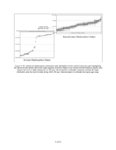
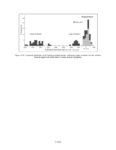
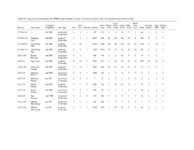
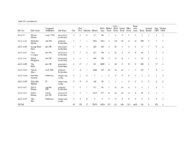
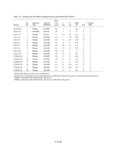
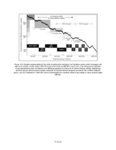
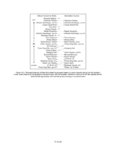
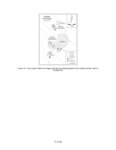
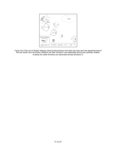
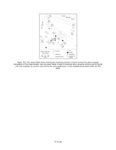
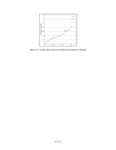
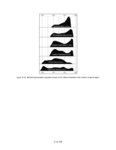
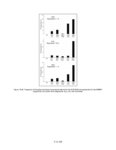
Show evidence that forager populations declined to an all-time low relative to the early and late Archaic. The assumption was that more people result in more hearths and cultural deposits, which result in more radiocarbon dates; the converse of this is also assumed. "All things being equal, more occupation produces more carbon dates" (Rick 1987:56). When Berry and Berry graphed an even larger set of dates for the entire Colorado Plateau 10 years later, they concluded that the gap was not merely a population decline but an abandonment of the region. The bimodal pattern of radiocarbon dates for the Kayenta region closely matches Berry and Berry's (1986) date distribution for the Colorado Plateau that they saw as evidence incompatible with the notion of continuous forager occupancy. Both Schroedl (1976) and Berry and Berry (1986) looked to the paleoenvironmental record as the causal factor behind the middle Archaic population decline or abandonment. It is clear that these authors took the radiocarbon record that they graphed essentially at face value, as a reflection of human population trends in the past rather than as some spurious result of various biases. Meltzer (1999:413) has adopted a more cautious view with regard to the radiocarbon record (and site frequencies) for the Great Plains: "for now, evidence of Altithermal human population decline is unproven." As he sees it, the population decline inference is unsupported until we can effectively address preservation and discovery biases (removal and burial by geomorphic processes) and until we have considered how other behavioral responses might mistakenly lead us to believe that there was a population decline. As to the latter, I have previously argued (1996a:34) that several responses might have resulted in a substantially less visible middle Holocene archaeological record for the region centered on Glen Canyon: "middle Archaic populations could have increased the frequency of residential moves, greatly expanded the territory of seasonal rounds, and decreased the periodicity of residential reuse." Some or all of this may well be true, but I still see Schroedl's conclusion that forager population declined to an all-time low as the best account of the Archaic period radiocarbon record for the Colorado Plateau. For the southern plains, Meltzer (1996:413) ultimately conceded this probability as well: "it seems reasonable to infer as well that these foragers were not permanent inhabitants of the area-in effect, there was local abandonment and a decline in the human population during this period." This statement, of course, begs the question as to where these foragers went to live on a more permanent basis. When the radiocarbon records for the Great Plains, the Colorado Plateau, and the Great Basin are considered in combination, it seems reasonable to ask where these foragers were surviving for most of the middle Holocene? The middle Holocene refugia model posited by Benedict and Olson (1978) gives a whole new meaning to the refrain "Rocky Mountain High." With so many foragers vacating so much terrain, the "cost" of mountain property in Colorado must have been high, which makes one wonder how the mountains could absorb all foragers in need. Such speculation is, of course, well beyond the issue at hand, which now concerns the why of question 2 above given that various biases seem unable to account for the radiocarbon pattern. Antevs's (1955) Altithermal drought appears to provide a ready-made account for why foragers would have experienced trouble making a living during the middle Holocene. As Jennings (1986:58) put it: "if the archaeological record of the region was apparently locally blank, from 5000 to 3000 BC, the explanation was already in hand … archaeologists created the equation: Altithermal = too hot for humans = abandonment." Antevs's controversial tripartite division of the climatic history of the western United States is now recognized as invalid (Thompson et al. 1994:495, but cf. Haynes 1990), because "the periods of maximum warmth and moisture were time-transgressive, and the range of climatic conditions was much broader than the cool-wet versus warm-dry opposition seen by Antevs." As an alternative for comparison with cultural events on the Colorado Plateau, both Schroedl and the Berrys used the BlyttSernander sequence of global climatic steady states and transitions. In this model, the "the timing of the [climatic] transitions is thought to be applicable on a global scale, whereas the direction of change and the nature of any particular quasi-steady state vary from continent to continent and region to region" (Berry and Berry 1986:311). Hence, the sequence implies nothing about the particulars of the climatic transitions (i.e., the directions of change-cooler to warmer, wetter to drier, or vice versa) that might have been the external factor precipitating the systemic changes leading to the middle Archaic population decline or abandonment. As to the climatic particulars for the Colorado Plateau during the middle Holocene, there seems little consensus and, unfortunately, there is no well-supported paleoenvironmental reconstruction specific to the plateau as a whole or its various geographic subdivisions that deals in detail with the earlymiddle Holocene transition and the middle Holocene (at least none that are compatible with the larger picture and that reconcile evident local discrepancies or contradictions). What can be offered at this time are small bits of information that combined seem to suggest that the climatic pattern for the middle Archaic period was both warmer and drier than during the early Archaic. This is certainly a V.13.26 |