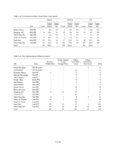
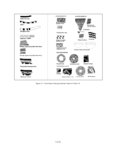
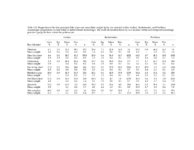
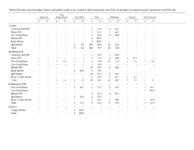
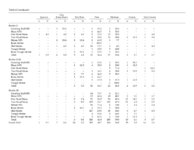
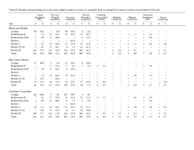
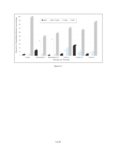
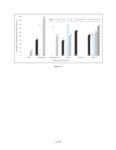
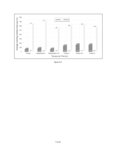
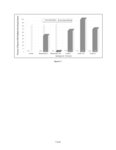
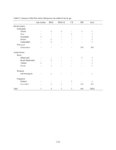
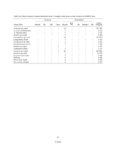
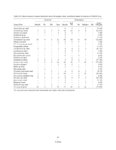
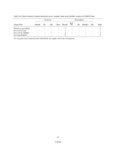
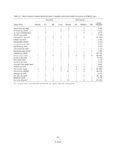
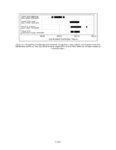
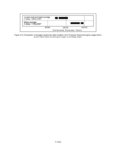
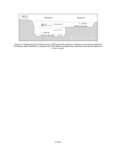
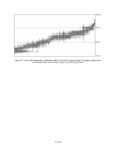
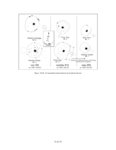
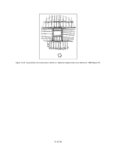
| OCR Text |
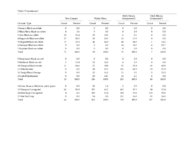
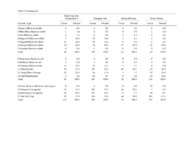
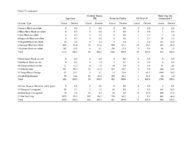
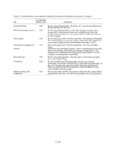
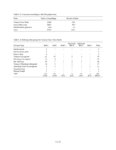
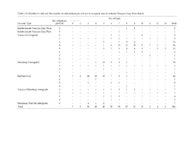
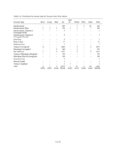
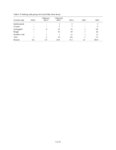
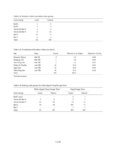
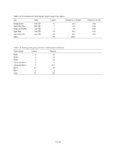
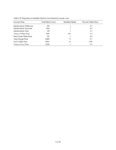
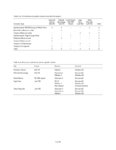
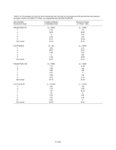
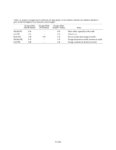
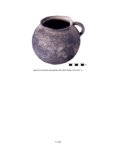
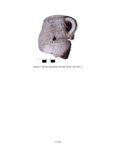
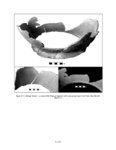
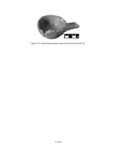
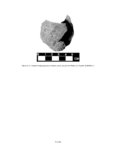
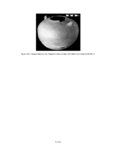
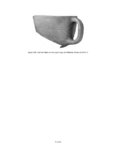
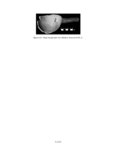
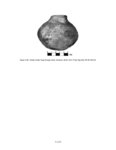
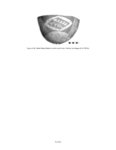
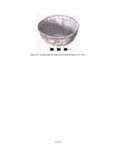
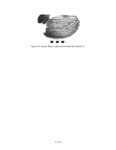
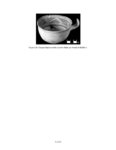
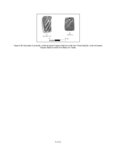
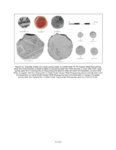
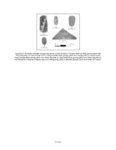
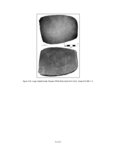
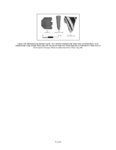
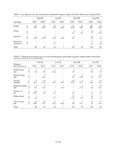
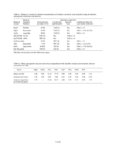
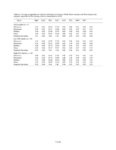
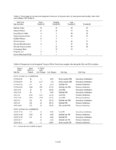
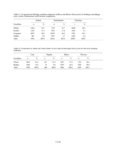
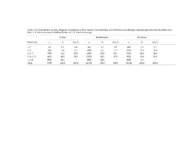
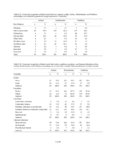
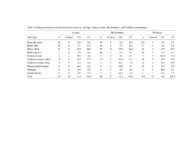
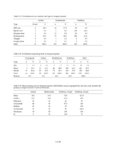
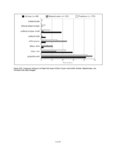
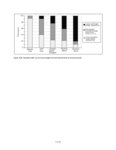
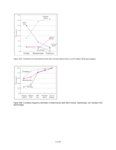
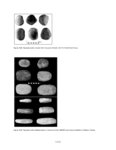
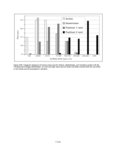
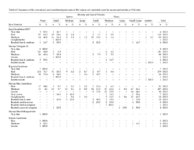
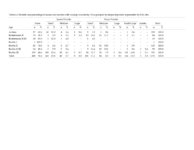
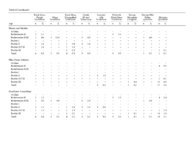
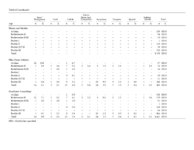
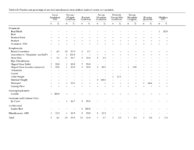
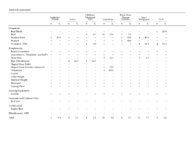
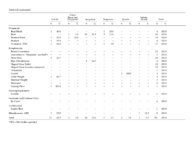
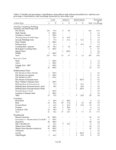
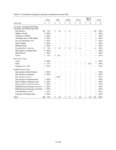
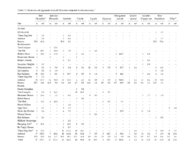
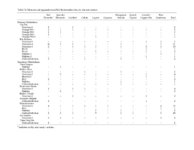
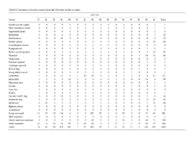
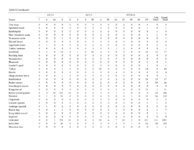
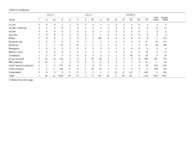
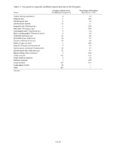
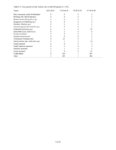
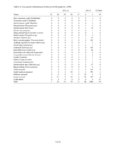
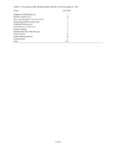
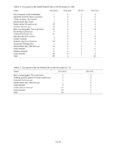
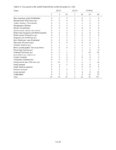
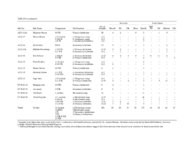
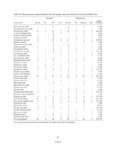
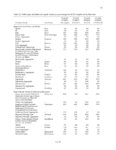
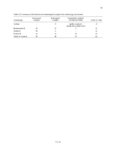
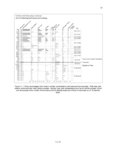
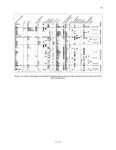
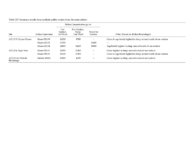
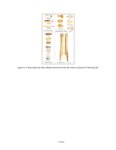
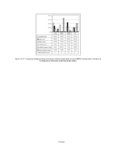
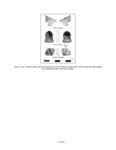
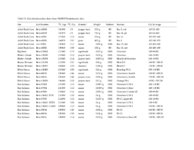
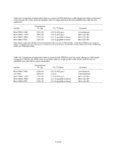
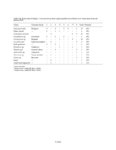
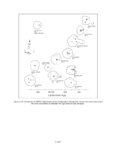
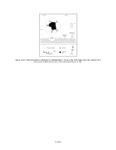
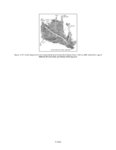
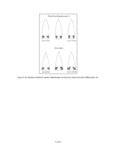
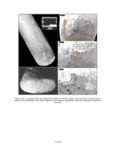
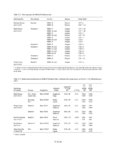
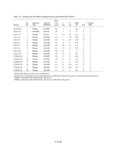
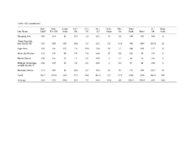
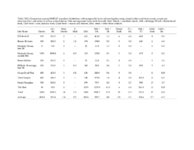
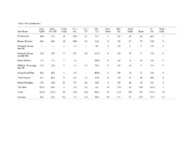
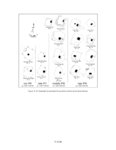
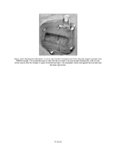
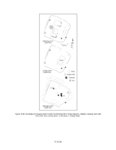
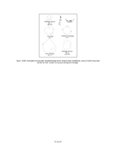
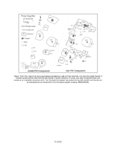
Show neighbors; no such handles appear on Mesa Verde White Ware, Little Colorado White Ware, White Mountain Red Ware, San Juan Red Ware, or Cibola White Ware, for example. In Kayentan Pueblo III assemblages, small horizontal strap handles on bowl exteriors are frequent. The handle is too small and fragile to have been used to lift a filled vessel, but could have functioned to hang empty bowls on pegs, particularly if a cord loop were passed through the opening. They could have functioned to help the user hold the bowl steady while stirring its contents, or while sifting corn meal into it. The handles are not highly visible, appear to have been formed and attached in the same ways in both wares, and have about the same position on the vessel wall, a few centimeters below the rim. These similarities support the hypothesis that the same potters made both wares, were familiar with each others' forming techniques, or otherwise interacted. The Kayenta bowl handle cannot be traced to outside influence, but must be an indigenous development. Decoration: Rim Paint We did not add a field to our rim sherd database for rim paint, and in retrospect probably should have. Although rim shapes are very similar between orangeware and whiteware, it is apparent that almost all orangeware bowl rims were painted with a solid black line, and very few whiteware bowls had this treatment. Even otherwise unpainted orangeware bowls often had a black rim (rim sherds from such vessels were classified as Tsegi Black-on-orange, and their body sherds were called Tsegi Orange). In comparison with neighboring traditions, Cibola White Ware vessels almost always have a black rim, whereas Little Colorado White Ware does not. Pueblo III Mesa Verde White Ware vessels often have a ticked rim. Late Tsegi Orange Ware types (such as whiteline polychromes and the early Pueblo IV type Jeddito Black-on-orange) lack painted rims, as do southern redware traditions. Rim painting, like a vessel's overall color, remains visible even when a vessel is filled with food. It provides a framing device for the interior design. Unlike motifs painted on exterior walls, rim painting is not highly visible from a distance. Rim painting has the disadvantage of making chips and abrasion more visible. No line breaks (Chapman and Ellis 1951) were detected on painted rims, and none appear in whole vessel collections of Kayenta area pottery in Museum of Northern Arizona collections. A continuously painted rim, then, seems to have been part of the Tsegi Orange Ware stylistic repertoire, and a plain rim part of the Tusayan White Ware repertoire, though ticked and painted rims appear occasionally on whiteware vessels. Even if some potters produced bowls in both wares, they regularly applied different conventions of painted decoration, including framing conventions. Decoration: Framing The way potters framed a design within the design field of the bowl interior can be standardized or varied. For example, Cibola White Ware bowls usually have a painted rim and a thin (2-3 mm) framing line, a few millimeters below the rim, to which the design is attached. The effect is one of paired thin lines, perhaps imitating a textile selvage, or the outermost coil of a coiled basket. Fourteenth-century Hopi yellowware bowls virtually always have a broad banding line below the rim and a thin framing line a centimeter or more below that, to which the design is attached. Mesa Verde Black-on-white bowls usually have a thick banding line with a series of thin parallel lines below it (called "thick-thin lines" framing). Mimbres Black-on-white bowls have a wide variety of framing devices that appear to be contemporaneous, including one or two thick lines, multiple thin lines, and thick-thin lines, but there is always some kind of framing device consistently applied around the entire interior rim and upper wall. Unfortunately, coding rim sherds for design attachment and framing (Figure 3.5) is not the same as coding whole vessels in traditions that lack uniform rim framing devices because a free-floating or internally varied design relates to the rim in different ways at different points. One part of a coherent but unframed design might be attached directly to the rim; another part might float below the rim; still another might appear to have a framing line, but on fragments it isn't possible to tell whether the apparent frame carried around the whole vessel. We know from whole Kayenta tradition vessels that this tradition lacks consistent framing devices. Relative frequencies of rim treatments should nonetheless reveal patterns or lack of patterns. Compared with neighboring traditions, then, Tusayan White Ware and Tsegi Orange Ware conventions are more diverse, at least when measured on sherds. Sherds appear to reflect less standardization, more diversity. This diversity persists over time and crosscuts the two wares. In the mid-Pueblo II assemblage, about two-thirds of N16 rim sherds have some kind of framing line in both wares (Table 3.5). Whiteware framers tend to be wider (mean = 5.38 mm) than orangeware framers (mean = 2.67 mm), and have a greater range (2 to 14 mm) than orangeware lines (2 to 5 mm, with 2 and 3 mm lines most frequent by far). Whiteware is more likely to have a broad line (25%) than orangeware (no broad framing lines), and twice as likely to have a medium framing line (14% vs. 6% in V.3.5 |