| OCR Text |
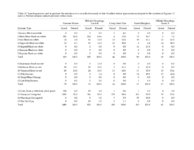
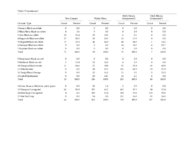
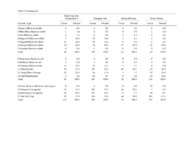
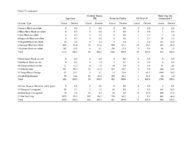
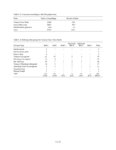
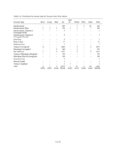
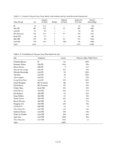
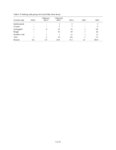
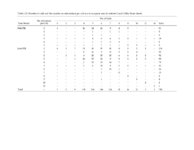
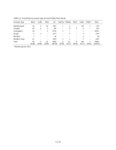
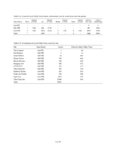
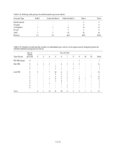
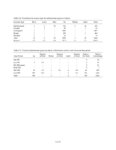
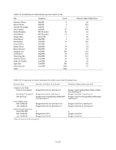
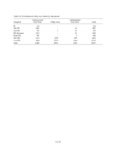
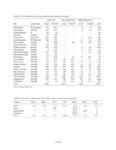
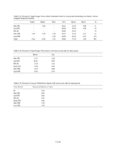
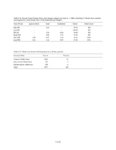
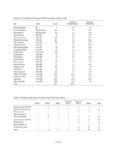
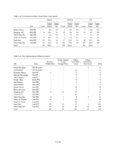
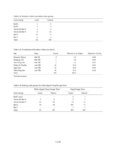
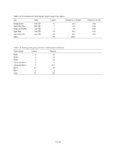
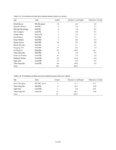
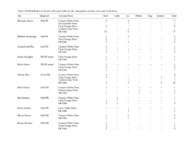
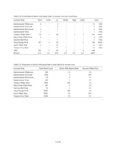
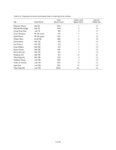
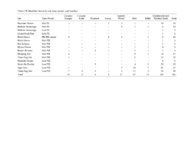
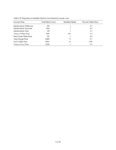
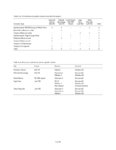
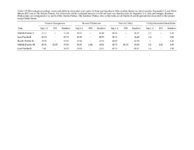
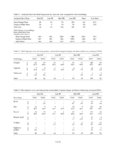
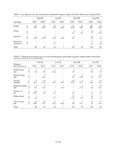
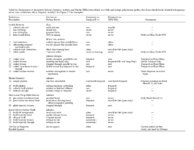
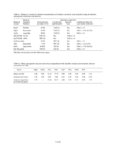
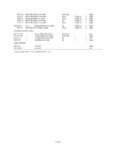
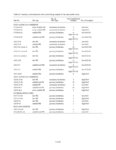
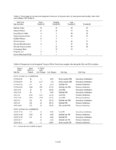
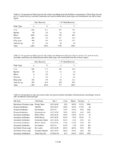
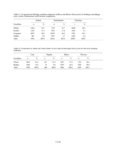
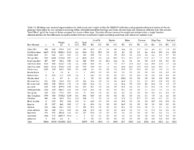
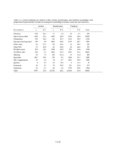
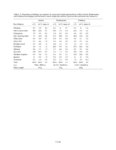
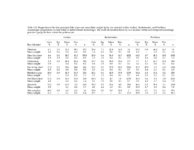
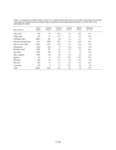
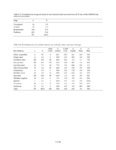
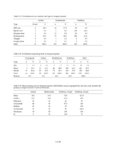
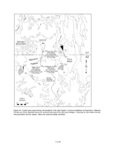
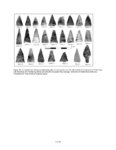
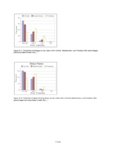
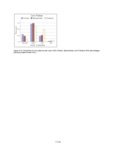
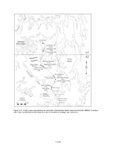
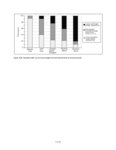
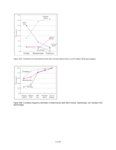
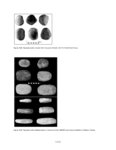
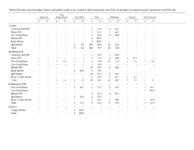
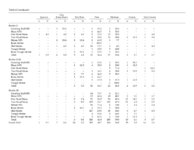
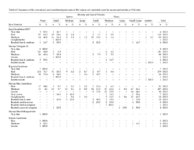
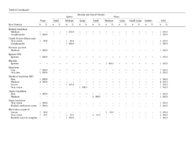
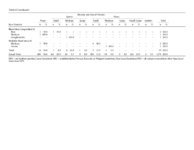
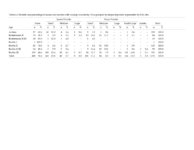
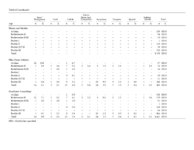
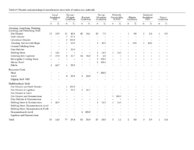
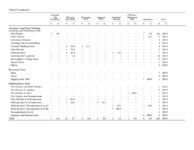
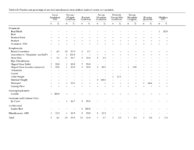
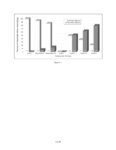
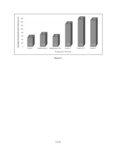
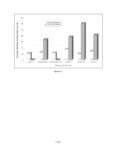
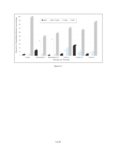
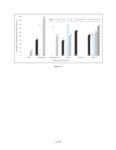
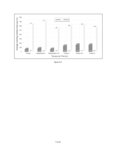
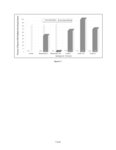
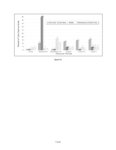
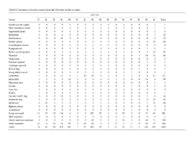
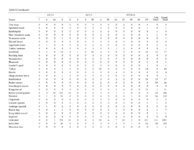
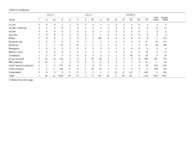
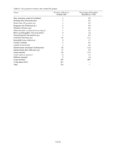
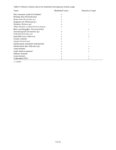
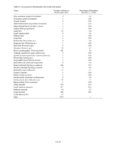
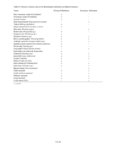
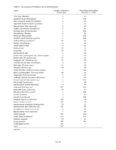
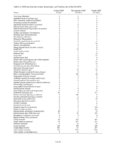
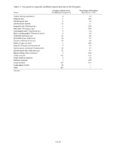
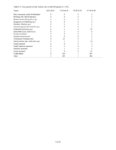
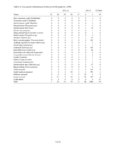
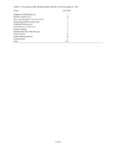
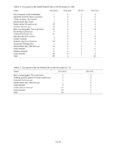
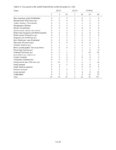
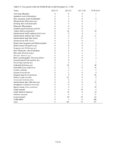
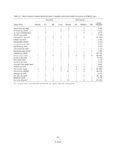
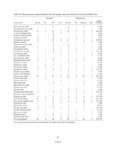
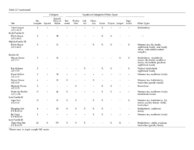
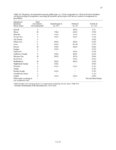
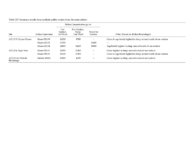
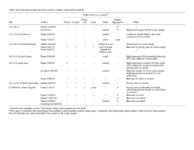
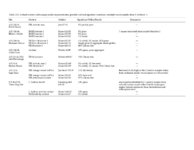
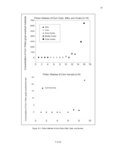
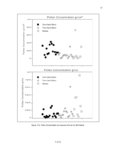
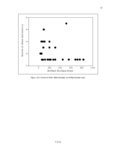
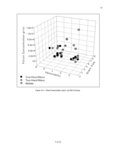
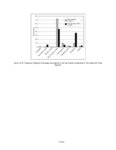
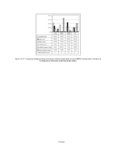
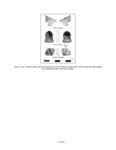
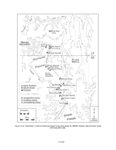
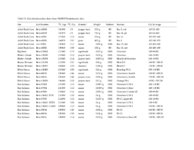
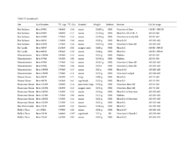
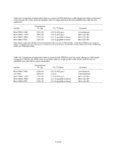
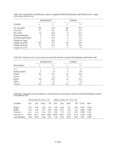
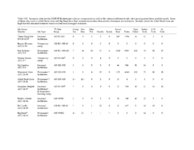
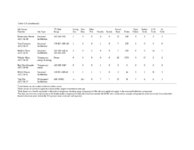
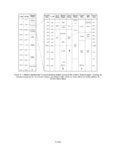
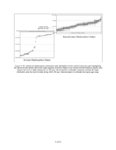
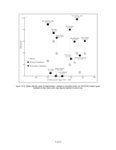
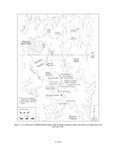
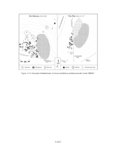
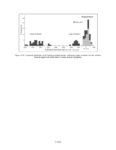
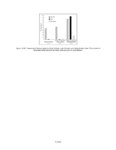
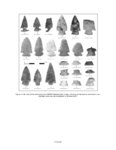
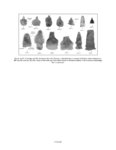
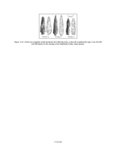
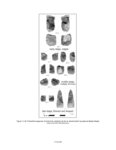
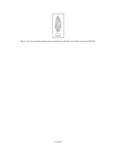
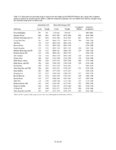
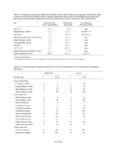
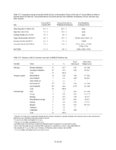
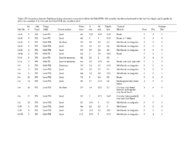
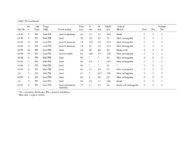
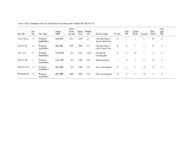
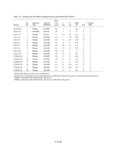
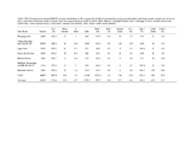
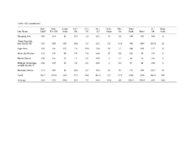
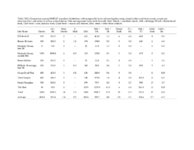
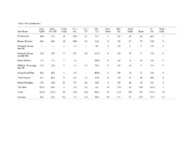
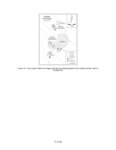
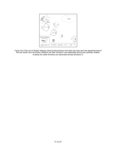
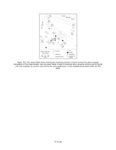
Show In 1960, Turner and Cooley argued for extensive trade of flaked stone tools or raw materials within the Kayenta region. They argued that most Kayenta Anasazi did not have ready access to material sources for producing flaked lithic tools such as bifaces (knives and projectile points). Yet groups residing close to the San Juan and Colorado Rivers such as around Navajo Mountain had access to nodules of high-quality chert and other siliceous material. As a result, these groups exchanged either the raw materials or the finished products to populations living to the south, such as those of Tsegi Canyon (Turner and Cooley 1960). Exploitation of these sources was argued to have been a principal reason for Kayentan use of the Glen Canyon lowlands where sites contained abundant evidence of flaked stone tool reduction (e.g., Adams et al. 1961:54; Long 1966:66). Today we know that siliceous rock sources are not so limited in the Kayenta region as Turner and Cooley supposed. Navajo chert is available from outcrops throughout most of the region. Less widely distributed, but occurring in great abundance in several localities, is Owl Rock chert. Chert and quartzite are also obtainable from the ancient river gravels that cap White Mesa and occur as a vast lag pavement north of Tuba City and in several other locations. Despite the occurrence of these other siliceous stones, most are poorly suited to the production of bifaces due to small nodule size and poor fracture qualities. As a result, it is still reasonable to hypothesize that Kayentans close to sources of good-quality stone for flaked implements might have specialized in tool production, which means the populations living at the foot of Navajo Mountain adjacent to the Glen Canyon lowlands as Turner and Cooley suggested. The NMRAP indeed documented an emphasis on the production of arrow points and bifaces at Pueblo III habitations clustered around the foot of Navajo Mountain. The number of arrow points alone from the Pueblo III habitation of Three Dog Site was remarkable for the Kayenta region (n = 89). At this site and the habitation of Hanging Ash the number of flakes per structure was 615 and 215 respectively with the number for flaked tools per structure as 7.5 and 15.3 respectively. This stands in marked contrast to the flaked stone assemblages at the Pueblo III habitations of Sapo Seco and Waterjar Pueblo just 8 km further south which produced 46 and 65 flakes per structure and 0.8 and 1.3 flaked tools per structure respectively. Perhaps more important, the identifiable flake waste at the latter two sites consisted almost entirely of core and bipolar flakes (89% and 96% respectively) whereas biface and pressure flakes comprise a significant proportion of the debris at Three Dog Site and Hanging Ash (more than 50%). This might be seen as dramatic and strong support for semi-specialized production of high-input, facially thinned tools such as knives and projectile points by groups living in close proximity to the Glen Canyon lithic sources and indeed this clearly seems to be the case, but was the motivation to exchange tools or something else? Consider the flaked stone artifacts alone without thought of the other remains and the tool exchange interpretation would have gone unchallenged. But the story does not end there because faunal remains strongly suggest that large game hunting of deer and mountain sheep was an important activity for the inhabitants at the foot of Navajo Mountain. The count of bones from Three Dog Site is a few thousand, with a few hundred per structure, compared to just 70 bones total from Waterjar Pueblo, less than 8 per structure, and 319 from Sapo Seco, just under 17 per structure. Of the identifiable bone from Three Dog Site, excluding intrusive remains and a dog burial, more than 40 percent is from large mammals including mule deer, bighorn sheep, pronghorn, and perhaps even elk. Identifiable faunal remains from the other sites excluding animal burials and intrusive materials consist mostly of cottontail and jackrabbit; remains from deer or other large game are scant. The implication for me is that the numerous points and evidence of biface production at Three Dog Site and Hanging Ash, which also had relatively abundant faunal remains, had more to do with hunting than with stone tool production per se. Meat from large game probably had far more value as an exchange item to populations further south in the Kayenta region than arrow points, knives, or other tools did. The occupants of Three Dog might have had ready access to stone for making points, but the significant issue is that they were in proximity to the Glen Canyon lowlands and benches and plateaus farther away to the north and west, such as the Kaiparowits, that had been depopulated and thus provided an area that would not have been resource depressed such as the core Kayenta region with its many centuries of intensive habitation and ever-increasing population. Protein is a far more vital resource and potentially more limited in supply in the core Kayenta region than stone or stone tools; thus if something was exchanged it was more likely to have been meat. The unequal distribution of particular resources is also relevant to potential specialization in grinding tool production during the Puebloan period. While the Kayenta region has no shortage of sandstone, much of it is poorly suited to grinding hard maize kernels due either to friability (Navajo and Wingate sandstones) or fine grain size (sandstones of the Kayenta Formation). Quality stone for maize grinding tools comes from various upper Jurassic and Cretaceous Formations, with those that crop out on Navajo Mountain and occur as talus boulders and cobbles on its slopes and in washes being an excellent stone for V.16.8 |