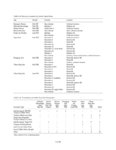
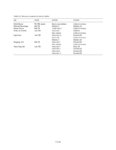
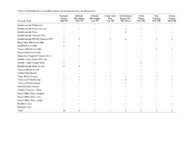
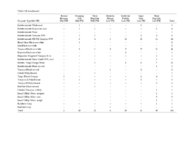
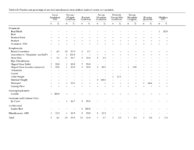
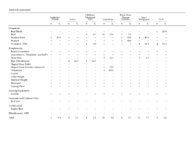
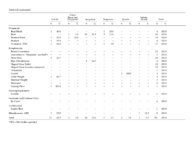
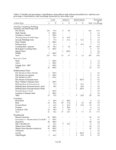
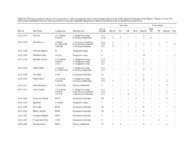
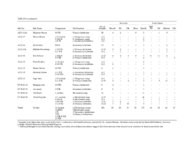
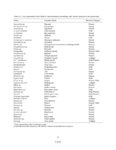
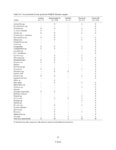
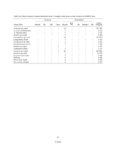
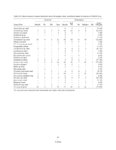
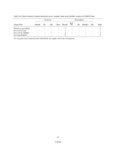
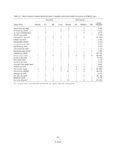
| OCR Text |
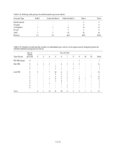
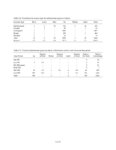
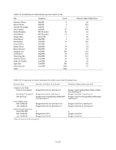
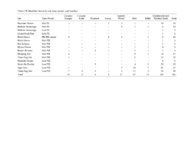
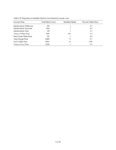
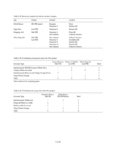
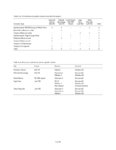
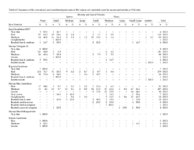
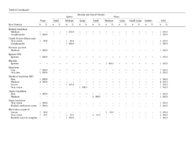
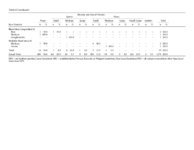
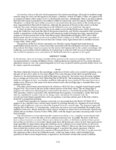
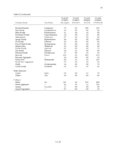
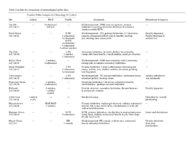
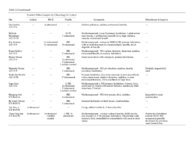
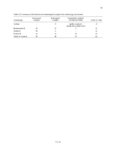
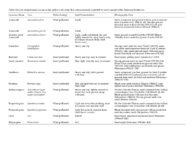
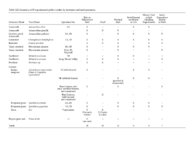
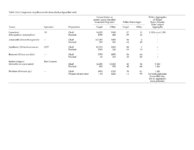
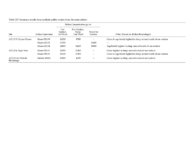
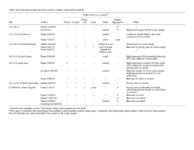
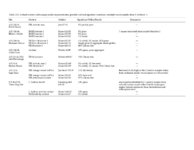
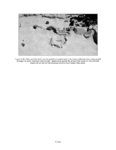
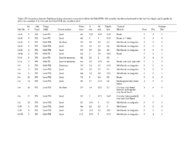
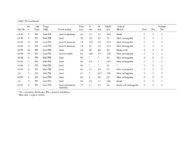
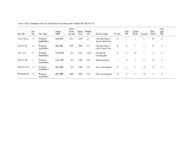
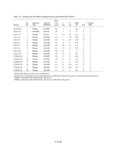
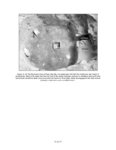
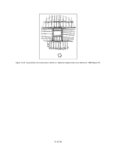
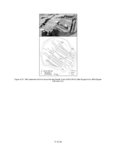
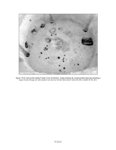
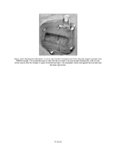
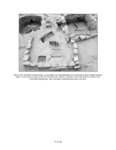
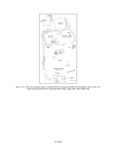
Show and matching two-hand mano that might have been used in the bin found on the floor next to the bin. There was also a mealing room (Structure 5) with one intact mealing bin (except that it lacked a metate) and an undetermined number of dismantled bins. The other component at Hillside Hermitage, Locus A, was a late Pueblo II field house. This component contained a ramada (Structure 2) with two dismantled side-by-side slab-lined mealing bins. Naaki Hooghan, a late Pueblo II, short-term habitation, contained a living room (Structure 3) with five whole one-hand manos on the floor and an assemblage indicating, at least in part, an orientation toward food processing. There also was an extramural use area with a dismantled mealing bin with possible foot supports and numerous manos and metates. The other late Pueblo II component with evidence of mealing bins was at Camp Dead Pine, an encampment site. This site also contained an extramural use area with the dismantled remains of two adjacent slab-lined mealing bins. Ditch House (AZ-J-14-21) had a late Pueblo II to early Pueblo III component representing a seasonal residence and a middle Pueblo III component representing a more permanent habitation. The site held a mealing room (Structure 2) containing three manos on the floor and three side-by-side mealing bins that had been partially dismantled. A living room (Structure 3) from this component contained a dismantled box/bin that might have been a mealing bin, along with a nearby whole slab metate and a mano. A pit structure of undetermined function (Structure 9) contained the remains of what might have been a mealing bin, however the feature was too impacted by road construction and maintenance to say for certain. An extramural area at the site held two partially sheltered extramural mealing bins, one of which was partially dismantled. The other bin was fairly intact except for missing a metate. Near this bin was a cache of four whole two-hand manos, three of which were stacked up and positioned against the fourth mano, which was positioned vertically. A similar mano cache consisting of five whole two-hand manos on an extramural ground surface has been reported at a middle Pueblo II site near Chinle (Deats 2005). The extramural area at Ditch House also had a large pit (Pit 3) containing a whole basin metate and a slab metate fragment, flanked by another whole basin metate and a basin metate fragment. This pit was a grinding area associated with the earlier Puebloan occupation. Sites with components dating to the Pueblo III that have permanent mealing facilities consist of Kin Kahuna (AZ-J-3-8), Hymn House (AZ-J-2-3), Bonsai Bivouac (AZ-J-2-55), Three Dog Site (UT-B-63-14), Sapo Seco (AZ-J-2-6), and Water Jar Pueblo (AZ-J-2-58). At Kin Kahuna most of the early to middle Pueblo III small habitation component was outside the ROW, but the investigated portion of the site held an intact mealing bin without a metate. Hymn House, a middle Pueblo III habitation site, had a multipurpose activity room (Structure 3) with a partially dismantled mealing bin containing a crushed pot and a mano. There was also a partially dismantled mealing bin in an extramural courtyard area. A middle Pueblo III seasonal habitation at Bonsai Bivouac contained one possible mealing bin within one of the two rooms dating to this period. Due to heavy disturbance from road grading, a definitive identification was not possible. One of the sites with the most evidence of permanent mealing facilities is the permanent habitation Three Dog Site. The middle Pueblo III component contained three structures with mealing bins. Structure 3 was a single-room structure that was remodeled from a mealing room with three side-by-side bins into a living room. All three bins were almost entirely destroyed during the remodeling. Structure 7 was a mealing room with remnants of possibly three side-by-side mealing bins. The bins had been completely dismantled and there were no grinding tools on the floor of the room. Structure 10 was a small mealing room with three dismantled side-by-side mealing bins. The late Pueblo III component contained three other mealing rooms and a semi-enclosed extramural mealing bin. Structure 11 was a mealing room with four side-by-side bins that had been completely dismantled. Structure 16 was a small D-shaped mealing room with three dismantled side-by-side mealing bins, located adjacent to a contemporaneous granary. Structure 20 was a room that underwent a series of renovations and function changes, including mealing room, living room, and storage room. It contained the remains of three dismantled mealing bins, two of which were side by side. A kiva (Structure 5) dating to this component had a whole metate on its floor, and a living room (Structure 19) had a mano on its floor. A number of other structures also contained grinding tools. A partially enclosed, dismantled mealing bin was found in the narrow space between Structures 13 and 14. Its location suggests that it was in a nook that was more enclosed than extramural. Sapo Seco, an extensive middle to late Pueblo III habitation site, contained several permanent mealing facilities. Structure 2 was a mealing room with two dismantled bins and another unfinished bin side by side. Structure 9 was a mealing room with two dismantled mealing bins, and Structure 11 was a possible mealing room with at least one dismantled bin. All three of these structures were semisubterranean rooms, whereas Structure 6 was a surface room made of masonry and jacal. This room had two side-by-side bins that had been disassembled. Structures 13 and 15 were both semi-subterranean V.6.36 |