| OCR Text |
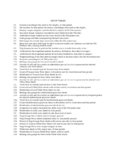
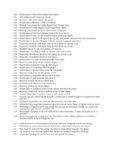
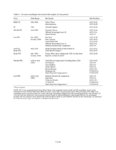
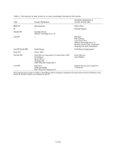
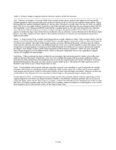
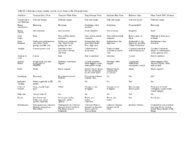
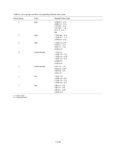
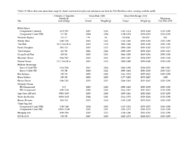
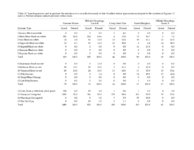
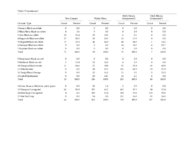
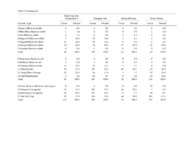
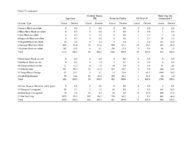
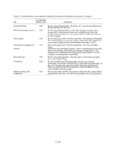
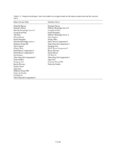
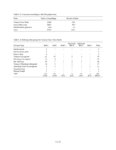
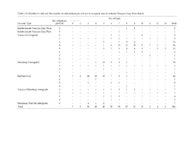
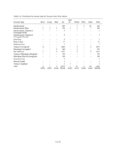
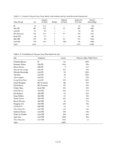
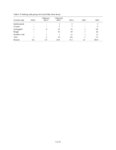
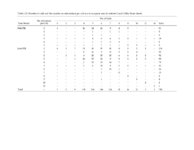
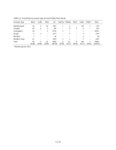
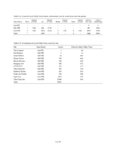
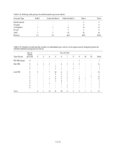
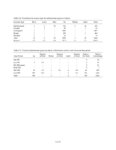
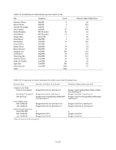
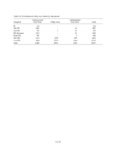
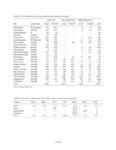
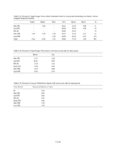
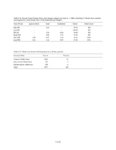
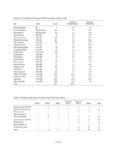
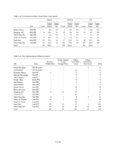
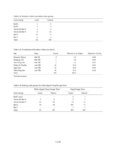
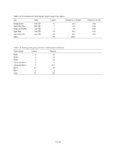
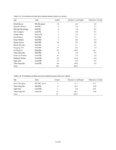
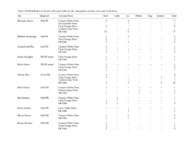
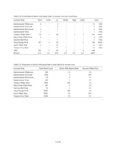
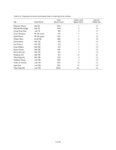
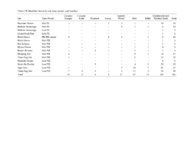
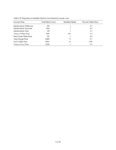
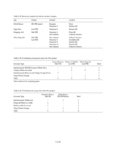
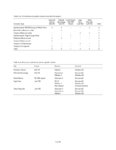
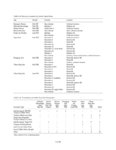
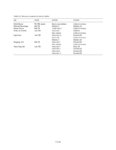
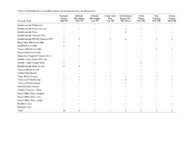
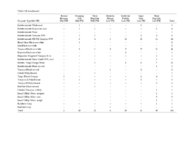
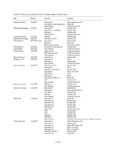
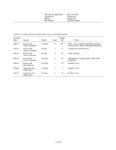
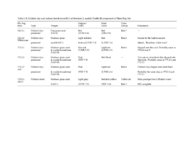
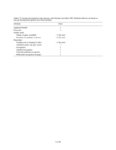
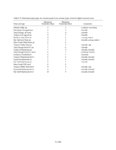
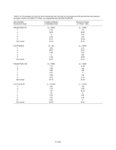
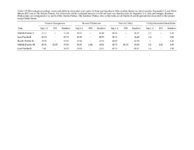
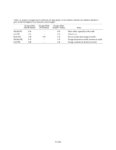
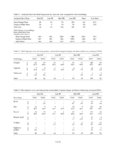
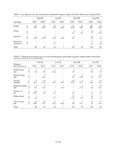
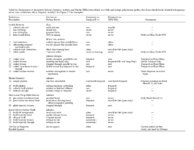
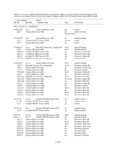
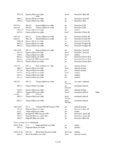
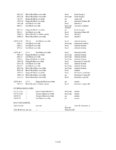
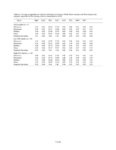
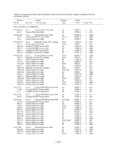
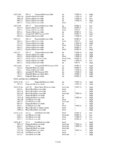
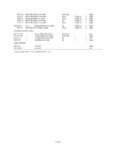
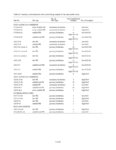
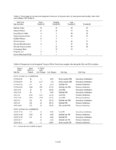
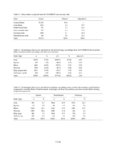
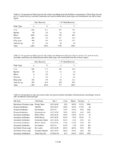
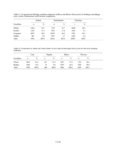
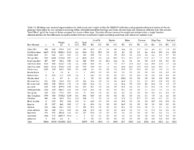
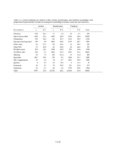
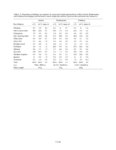
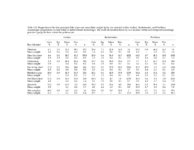
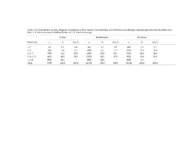
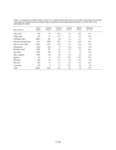
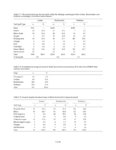
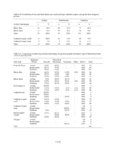
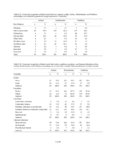
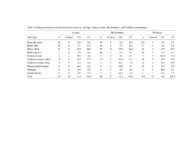
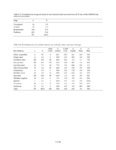
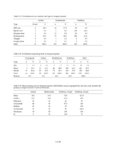
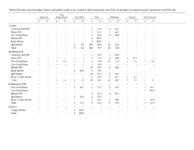
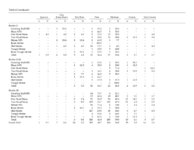
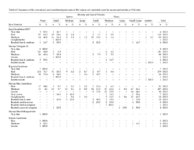
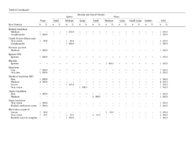
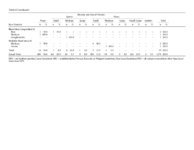
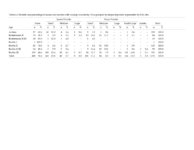
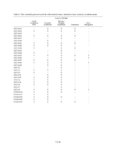
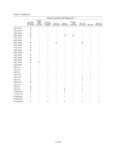
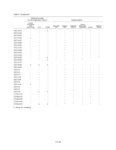
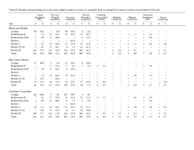
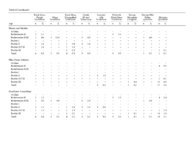
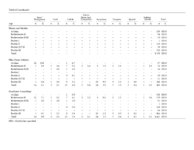
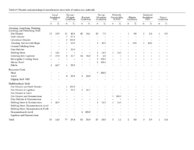
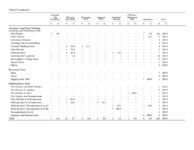
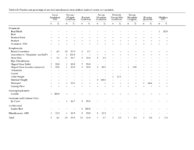
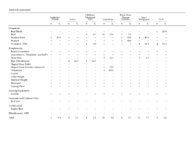
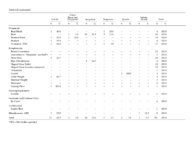
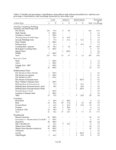
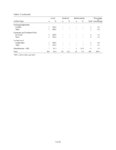
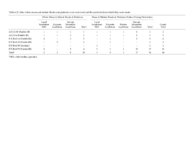
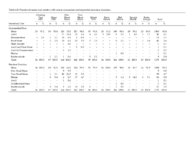
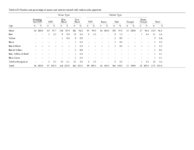
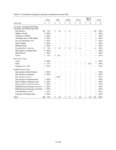
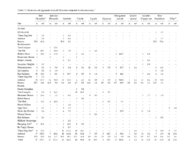
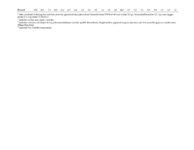
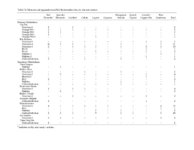
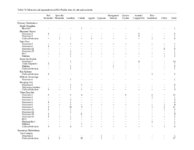
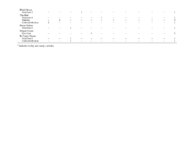
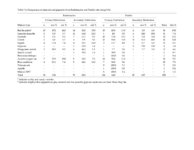
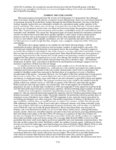
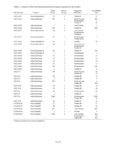
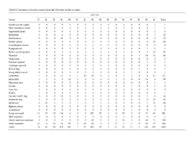
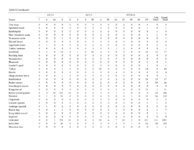
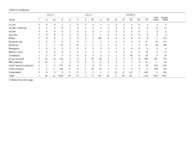
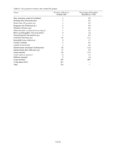
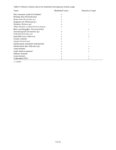
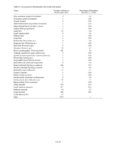
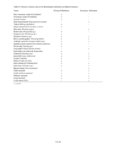
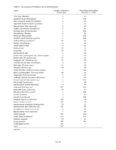
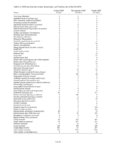
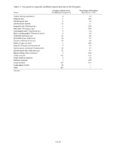
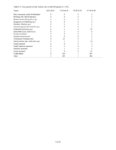
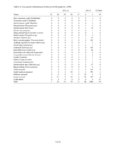
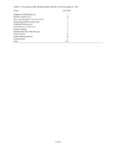
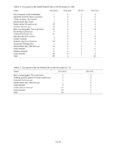
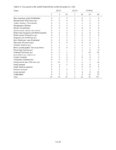
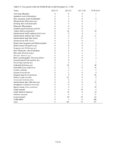
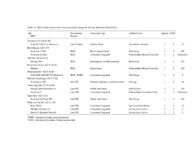
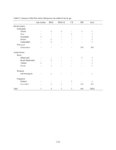
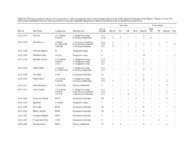
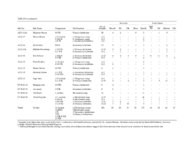
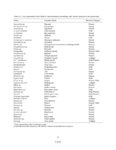
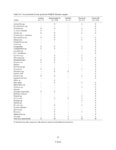
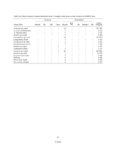
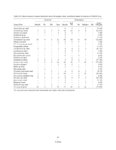
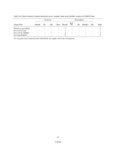
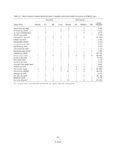
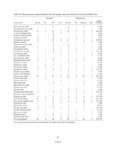
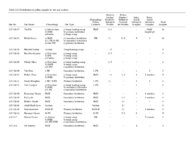
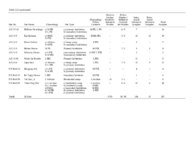
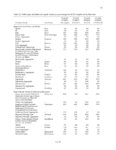
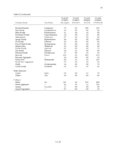
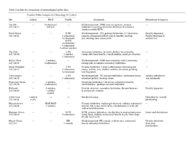
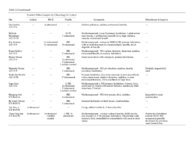
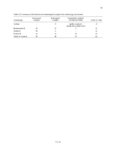
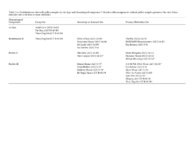
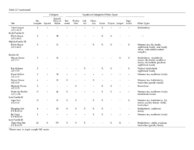
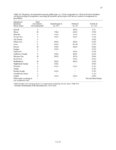
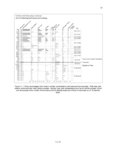
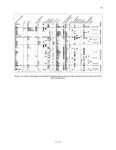
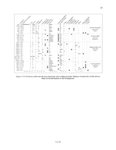
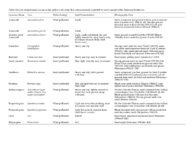
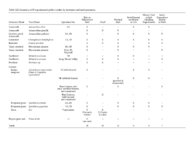
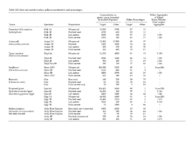
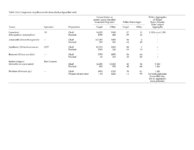
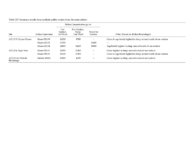
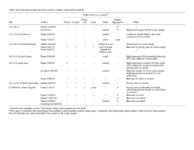
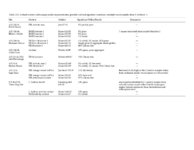
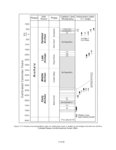
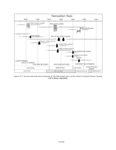
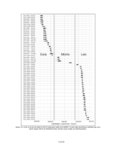
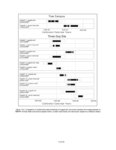
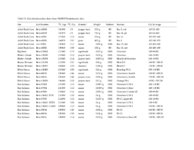
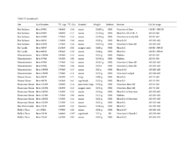
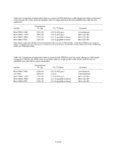
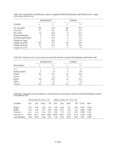
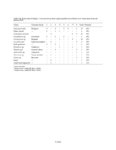
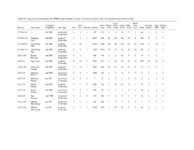
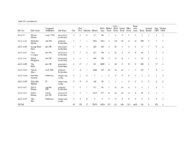
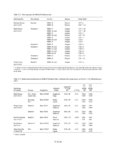
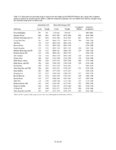
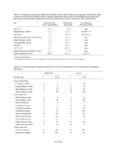
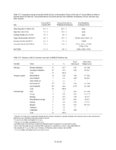
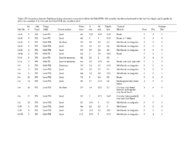
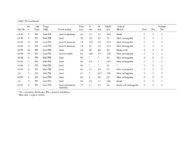
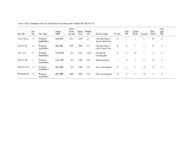
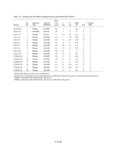
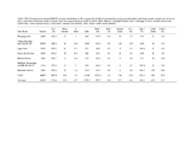
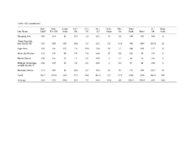
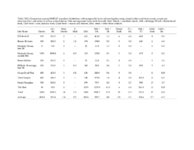
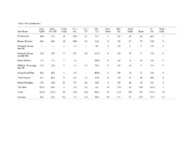
Show fill (above floor), and floor surface/floor fill. No effort was made to differentiate between different types of pits, and mealing bins were included with pits. Extramural sampling contexts consisted of hearths, bell-shaped pits, pits in general, middens, and fill. The latter category refers to use/living surfaces associated with activity areas or cultural strata noted outside of structures and features. Roasting pits were grouped with hearths, and unless a pit was specified as bell shaped, it was included in the more general category of pit. Samples were collected from bell-shaped pits at only two sites: AZ-J-14-17 (The Pits) and AZ-J-3-8 (Kin Kahuna). The N16 macrobotanical database is presented in the tables by time period. Due to the inequities in the number of samples collected per site, all samples for each time period were combined. That is, there was no attempt to separate macrobotanical results from Pueblo II temporary camps from those of Pueblo II habitations. Although it is assumed that different economic activities and plant resources are associated with the different site types defined for the N16 project, and subsequently the macrobotanical assemblage would/should reflect the differences in economic activities, these differences have been illustrated in the individual site reports and the purpose of this synthesis is to present a broader view. Furthermore, when evaluating the macrobotanical data from the various time periods represented, all remains from a period were combined into assemblages, and the subcomponent designations noted in Table 10.1 (i.e. early, mid, late) were disregarded for the remainder of the tables and analysis of the macrobotanical database. To separate the macrobotanical data into specific site types and temporal subdivisions or phases would make sample sizes too small to be meaningful on a synthetic level. Also, for this synthesis the flotation sample is the basic unit used to measure ubiquity (frequency of occurrence). The ubiquity indices in the tables represent the number of flotation samples from a type of feature that a particular taxon was found in. These values may be slightly skewed because sometimes multiple flotation samples were collected from a particular feature, such as the above-mentioned bellshaped pits from AZ-J-14-17 and AZ-J-3-8. However, over the total 476 samples collected, the majority represent single contexts, so the bias in likely minimal. It should be noted that only one site, AZ-J-14-20 (Wolachii Bighan), was associated with the Pueblo I period. Just two flotation samples were analyzed from this small temporary camp. With so few data, little can be inferred about botanical resource use during Pueblo I or the applicability of the data to the research questions. In general, the preservation of botanical remains from the majority of N16 sites was poor to moderate, with a small number of sites exhibiting good to excellent preservation. Many samples contained only wood charcoal, which meant that the majority of flotation samples were only scanned. In total, 43 plant taxa were identified from the 476 samples analyzed (Table 10.2). The plants represented in the macrobotanical database have been categorized by what may be considered resource use; these use categories are cultigen, pioneer, wild, and woody. The categories are based on the ecological habits of the plants, and to some degree on the plant part recovered. The cultigen category is self-explanatory. Pioneer plants are usually herbaceous weedy annuals that occupy disturbed habitats and therefore benefit from human activity, which inadvertently perpetuates an early successional sere. Wild plants, on the other hand, are usually perennials that do not necessarily benefit from human disturbance and tend to proliferate in the more advanced stages of succession, which occur as a vegetation community evolves toward a climax state. The division between wild and woody is based on the plant part represented in the macrobotanical assemblage and also upon ethnographic documentation of plant use. Woody resources have ecological characteristics similar to wild resources, but the former would likely have been procured primarily for their wood products while the latter would have been sought for their seeds, fruits, fiber, and so forth. As noted in Table 10.2, some taxa, such as Pinus edulis (pinyon), are assigned to two resource categories. The pinyon tree is documented ethnographically as a resource valued primarily for its wood and its nuts/seeds (Rainey and Adams 2004), both of which were represented in the flotation samples. Although recovery of the pinyon nutshells might have been a result of the wood being used as fuel, the nuts/seeds alone could have been the targeted resource. Another example is Compositae, the sunflower family of plants. Some of the genera within this family, such as Helianthus (sunflower), are pioneer plants, whereas others are ecologically wild plants. Since the remains recovered from the flotation samples could not be identified below the family level, both categories were assigned to Compositae. In cases where more than one resource category is assigned, the primary use is listed first. The macrobotanical assemblage consists of 3 types of cultigens, 14 taxa of pioneer plants, 11 types of wild plants, and 14 taxa of woody plants. All except the cultigens are native to the general area through which the N16 road corridor passes (Kerney and Peebles 1960). Table 10.3 lists taxa by time period. The total does not include Cheno-Am, which is not a true taxon. 5 V.10.5 |