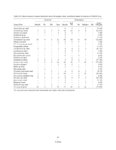
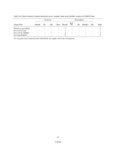
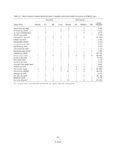
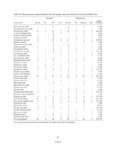
| OCR Text |
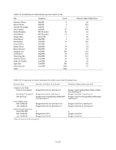
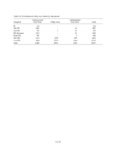
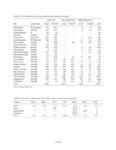
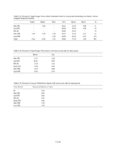
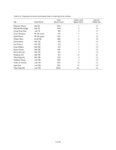
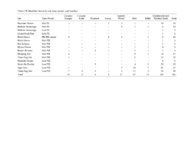
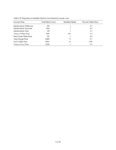
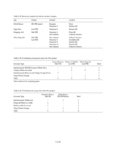
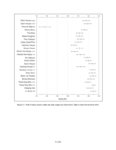
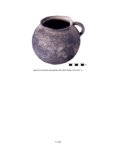
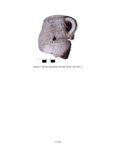
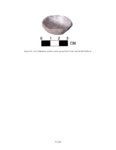
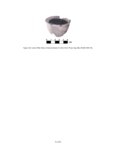
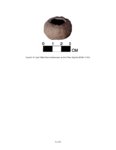
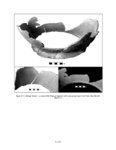
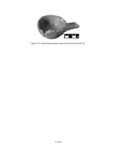
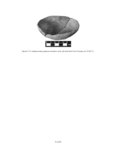
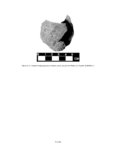
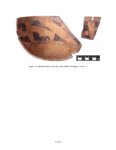
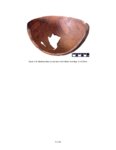
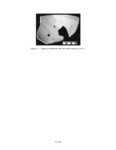
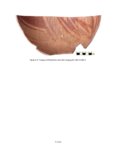
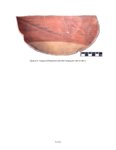
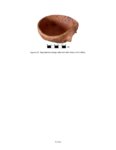
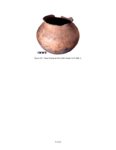
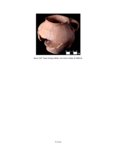
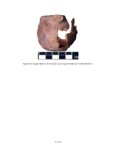
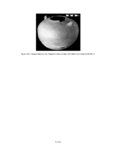
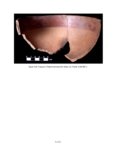
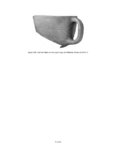
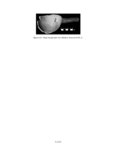
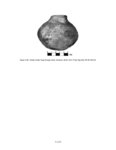
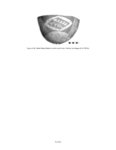
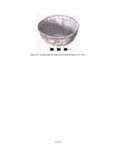
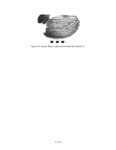
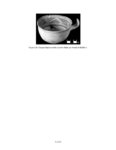
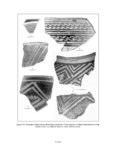
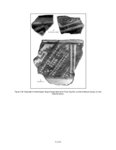
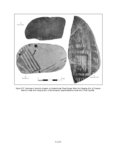
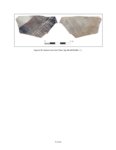
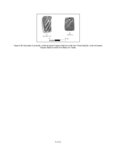
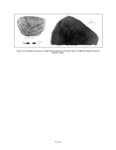
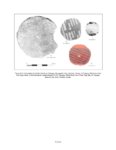
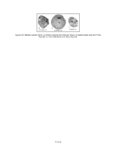
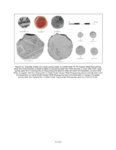
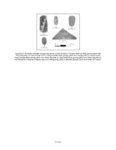
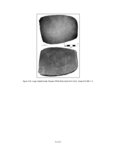
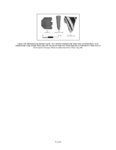
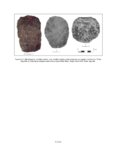
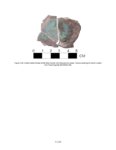
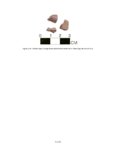
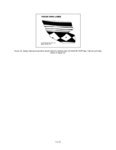
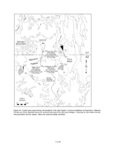
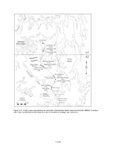
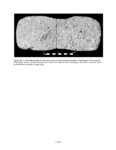
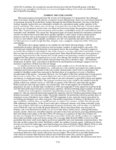
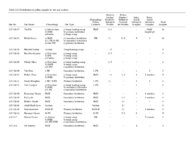
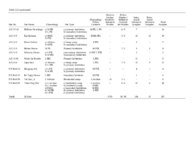
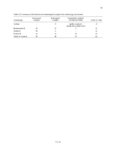
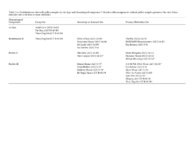
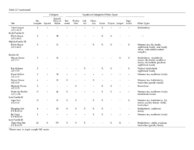
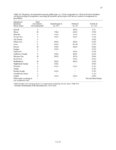
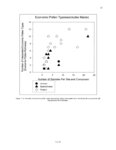
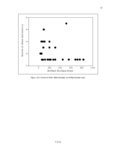
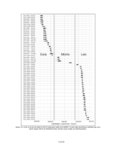
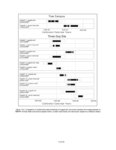
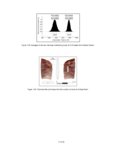
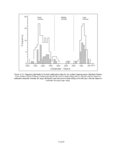
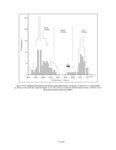
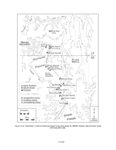
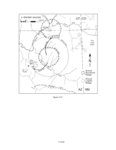
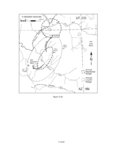
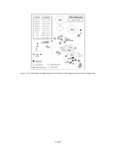
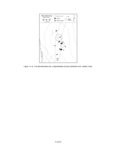
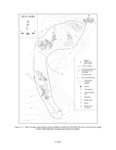
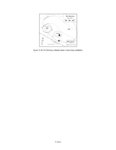
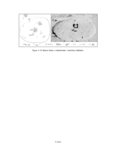
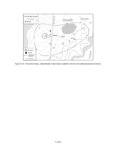
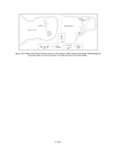
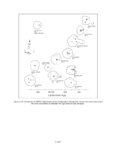
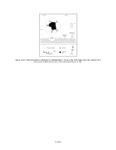
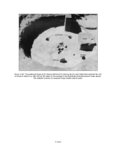
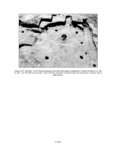
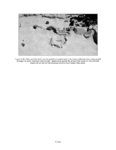
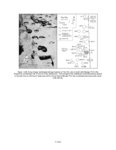
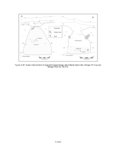
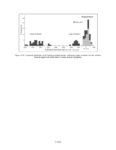
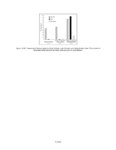
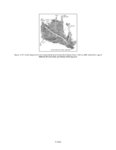
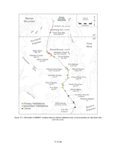
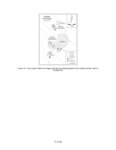
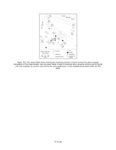
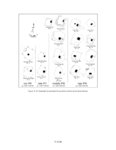
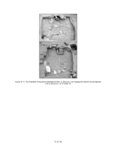
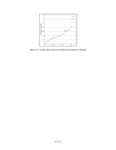
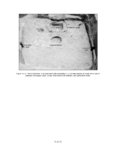
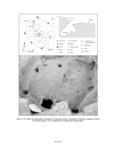
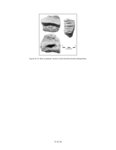
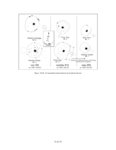
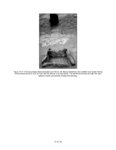
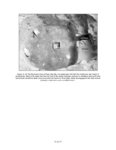
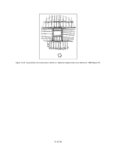
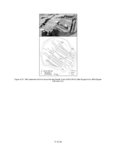
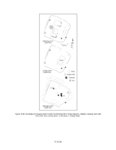
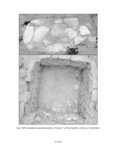
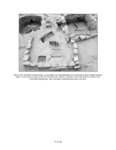
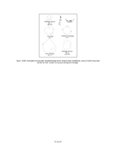
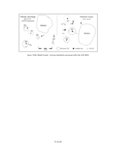
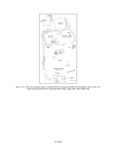
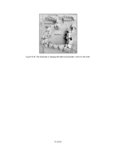
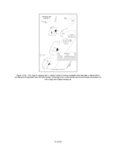
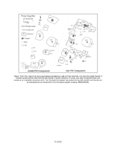
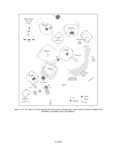
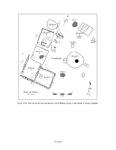
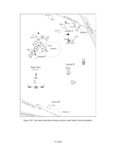
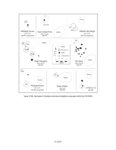
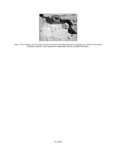
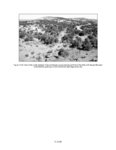
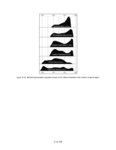
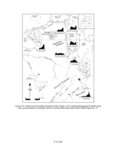
Show in the Kayenta region-pottery that fits the type description of Lino Gray except for being polished. The primary criterion distinguishing Obelisk Utility from Lino Gray, polished or not, is the use of iron-rich clay containing abundant fine sand and other particles, in addition to poorly sorted quartz and multilithic sand. Lino Gray is made from iron-poor clay, lacks abundant fine sand, and is tempered with well-sorted, usually sub-rounded quartz sand. The count of known early pottery sites is currently low, a likely result of both limited survey coverage and identification problems. I have firsthand knowledge of the latter because the site that currently provides the best-dated assemblage of this early pottery, Mountainview, was initially identified as aceramic. It took close inspection of the surface remains during a second visit to notice a few sherds, and excavation to convince me that the pottery was indeed associated with the structure and other features. Except for sparse sherds, the surface appearance of early ceramic habitations may be no different from the surface appearance of aceramic Basketmaker habitations. The most obvious evidence for both is abundant burned rock and darkened soil, along with flaking debris and occasional upright slabs that mark the locations of structures, cists, or hearths. The currently known examples of early pottery sites are clustered at the southeast edge of the Rainbow Plateau and in upper Piute Canyon. Several of these are not yet recorded, and for only three is there excavation information: Mountainview, Atlatl Rock Cave, and Polly's Place. Recorded but unexcavated early pottery sites in the area include AZ-J-14-54 (NN), the largest example currently known (see Figure 14.17), and NAU sites AZ-D-2-174, -200, and -355. All of the early pottery sites thus far documented have evidence for one or more living structures, with upright slabs forming the entryways and at times lining house perimeters. Whether early pottery occurs at non-habitation sites remains to be seen, but it is absent from Dust Devil Cave and the Desha caves-sites that likely did not function as habitations but that were used during the interval that pottery was present in the area. The best sample of early pottery thus far comes from Mountainview, where excavation of virtually the entire site recovered a small assemblage of Obelisk Utility from a shallow pit structure and associated trash midden. Based on rim sherds, the Mountainview assemblage consists of a minimum of a straightnecked jar and two seed jars from the structure, with at least two more seed jars and two possible bowls or seed jars from the midden. Jar sherds from the structure refit with midden sherds. Several body sherds from the structure do not appear to belong to any of the rims. The vessels from the unburned structure are heavily sooted, indicating use for cooking. The average of six statistically contemporaneous maize assays fixes the occupation of Mountainview between cal. AD 220 and 350 (two-sigma range). The implication of this evidence is that pottery was in use on the southeast edge of the Rainbow Plateau by the middle of the fourth century AD at the very latest and possibly before the middle of the third century AD. Excavation of a cist remnant filled with turkey feces at Atlatl Rock Cave yielded portions of a polished Obelisk Utility seed jar (see Chapter 2 of Volume II). This vessel is quite similar to a polished brown seed jar found by Kidder and Guernsey (1919: Plate 59, see Figure 35 and p. 95 for discussion of recovery location) at Sunflower Cave.12 There are portions of at least two other Obelisk Utility vessels from the limited testing of Atlatl Rock Cave. A corn cob from the cist with the Obelisk Utility seed jar returned a radiocarbon assay of cal. AD 430-650, more in line with the traditional dating for pottery use. The Atlatl Rock Cave seed jar may be a few hundred years younger than the Mountainview pottery. In this regard it is notable that the seed jar is better crafted than the vessels at Mountainview, having a harder and more consistent polish, a more even thickness to the vessel walls, and a quite regular rim lip. Excavation of Polly's Place also recovered pottery, but in this case just a single vessel fragment. This is sparse evidence for ceramic use, but the sherd was clearly not intrusive as there was no pottery on the surface of this site or any ceramic sites in the vicinity. The small Obelisk Utility sherd came from a buried occupation surface just outside a structure. This house was occupied sometime between cal. AD 250 and 440 (see Chapter 7 of Volume III), quite similar to the age of Mountainview. Chapter 2 of this volume provides a detailed description of the Mountainview assemblage and Obelisk Utility in general (see also Chapter 10 of Volume III). Mountainview provides the largest sample of well-dated early pottery from the northern Kayenta region and indeed most of northeast Arizona and all of southeast Utah. Examination of sherds from other early ceramic sites on the Rainbow Plateau leads me to conclude that the Mountainview assemblage captures the distinctive essence of this early pottery 12 The Sunflower Cave seed jar is interesting for it provides the first indication of early pottery within the Kayenta region. Kidder and Guernsey (1919:144) state that "the position in which this pot was discovered renders it certain that it is of an earlier period than the main sunflower cliff-house. As Basket Maker remains were noted in the same cave, and as this vessel is unlike any normal Cliff-house product with which we are familiar, it is possible that it may have belonged to that culture." V.14.51 |