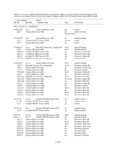
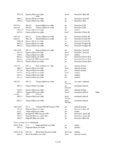
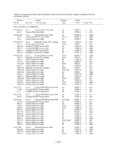
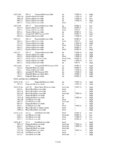
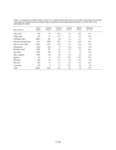
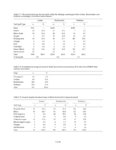
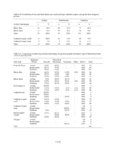
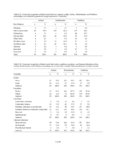
| OCR Text |
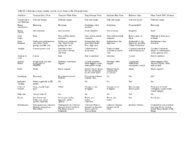
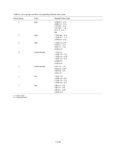
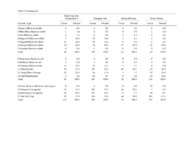
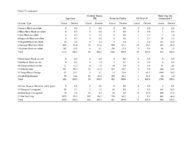
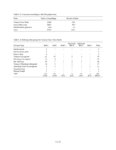
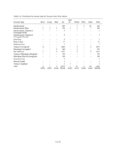
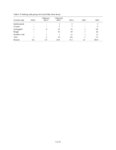
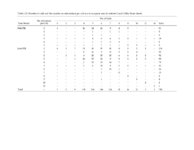
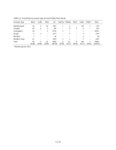
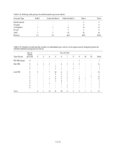
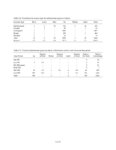
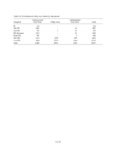
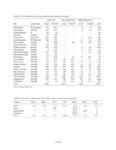
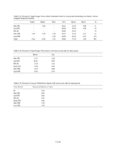
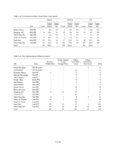
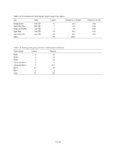
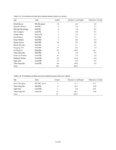
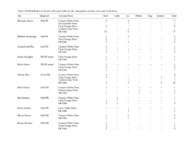
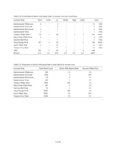
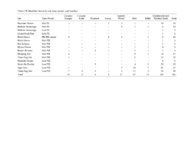
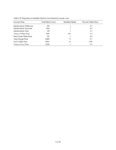
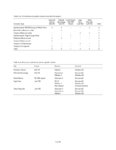
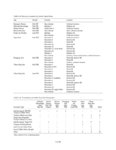
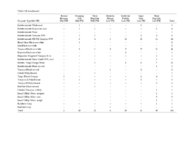
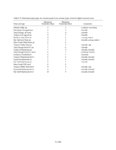
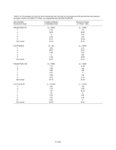
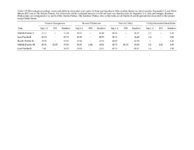
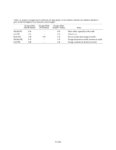
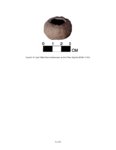
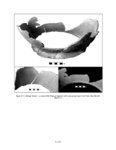
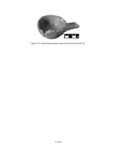
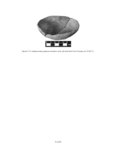
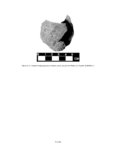
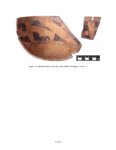
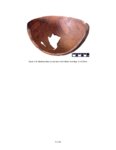
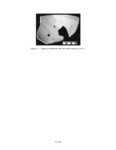
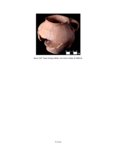
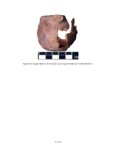
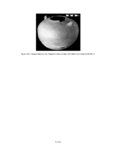
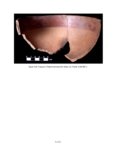
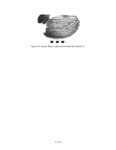
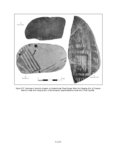
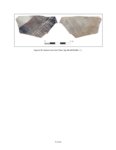
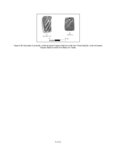
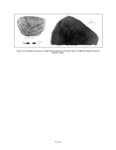
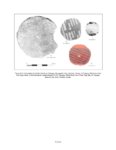
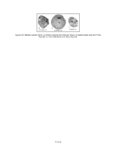
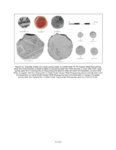
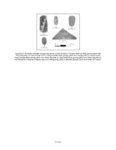
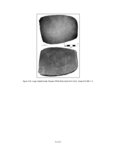
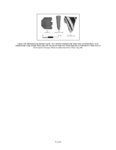
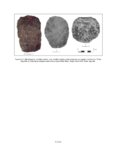
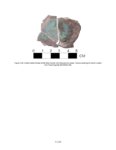
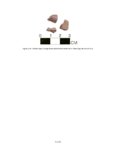
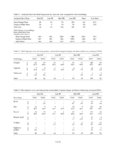
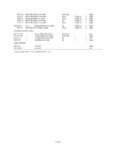
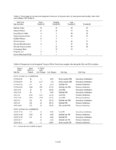
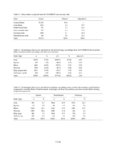
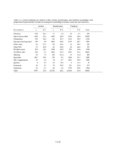
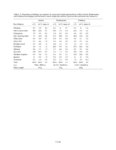
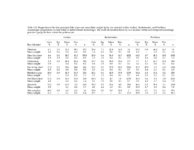
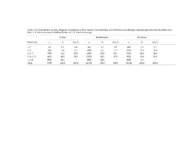
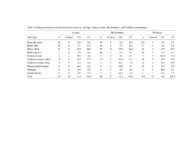
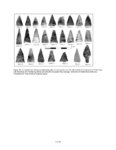
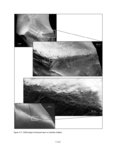
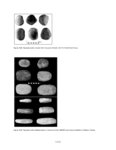
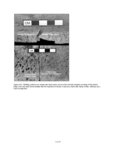
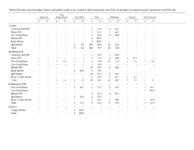
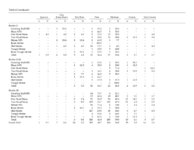
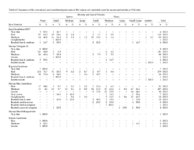
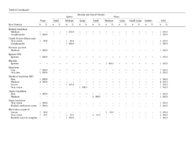
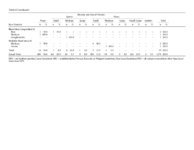
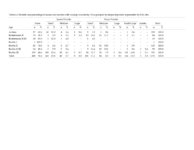
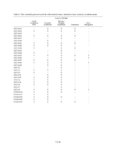
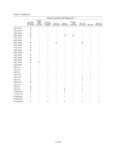
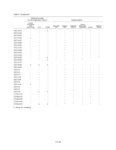
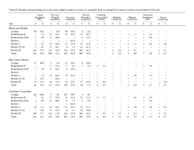
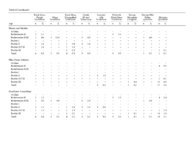
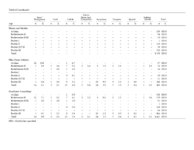
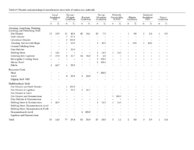
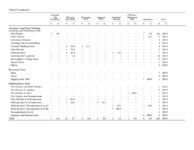
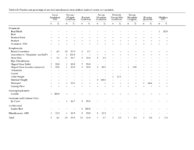
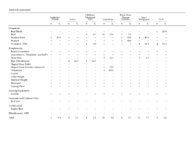
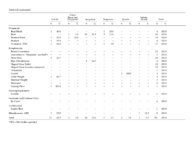
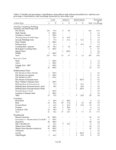
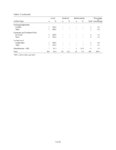
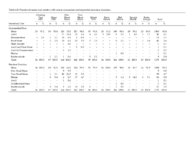
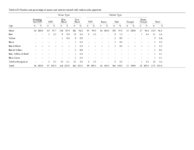
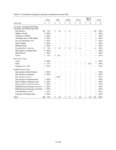
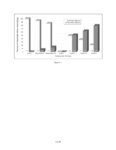
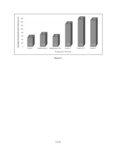
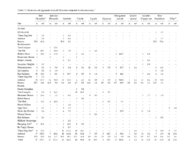
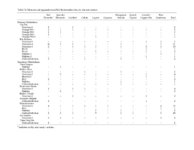
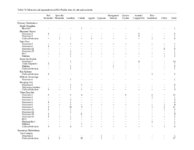
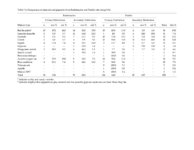
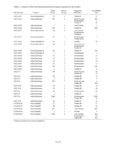
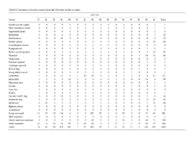
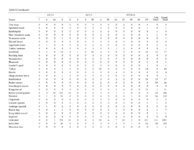
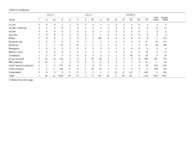
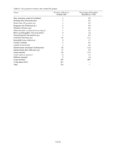
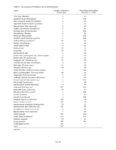
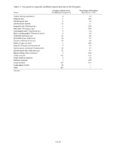
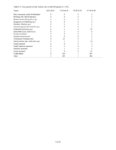
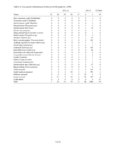
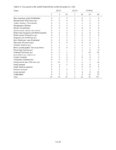
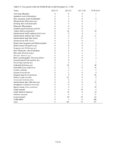
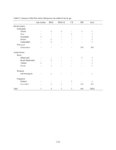
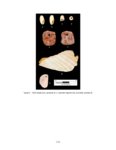
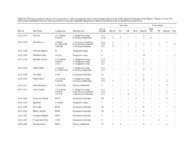
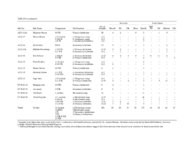
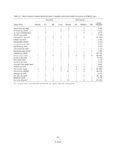
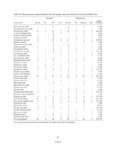
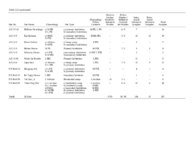
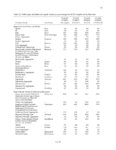
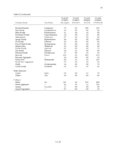
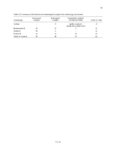
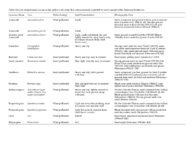
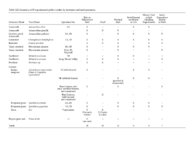
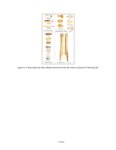
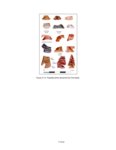
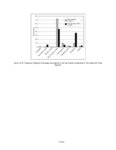
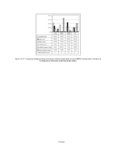
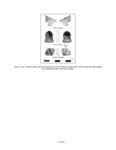
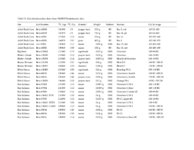
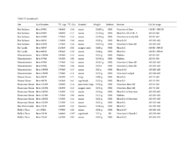
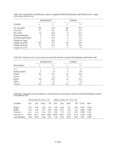
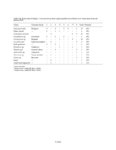
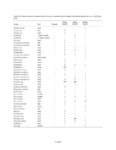
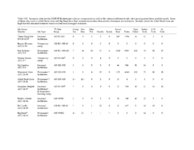
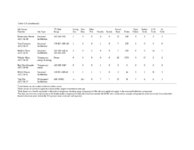
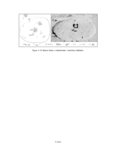
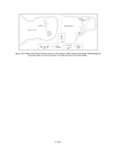
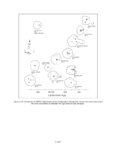
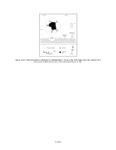
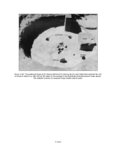
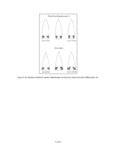
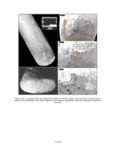
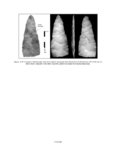
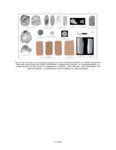
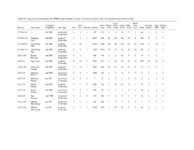
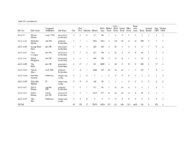
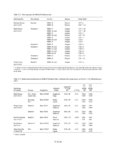
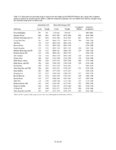
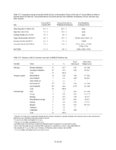
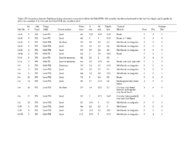
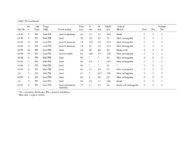
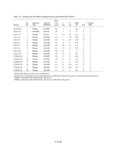
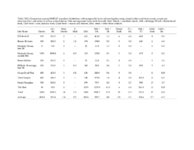
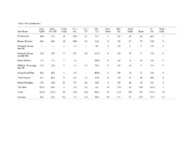
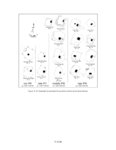
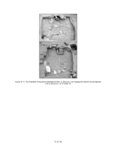
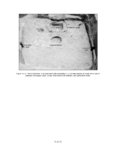
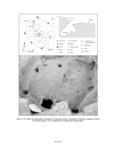
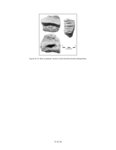
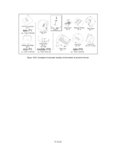
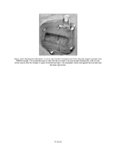
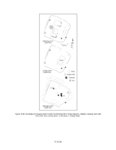
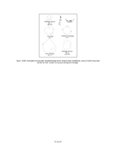
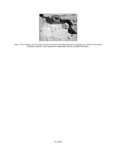
Show Laevicardium elatum is the only bivalve present in the current assemblage. Although its northern range extends along the coast into the region of San Pedro, California (Abbott 1974:486), it does not appear to be as common in those colder waters as it is in the Panamic province. Additionally, there is no clear evidence that the native human populations of southern California extensively used this species (Gifford 1947). Therefore, it is likely that most of the Laevicardium recovered from the excavations in the Southwest may have originated from the Gulf of California, although the presence of Haliotis in the current collection indicates that some material originating from the California coast was traded into the region. In North America, Haliotis occurs only in the colder waters off the Pacific coast. Native populations along the California coast used the shell of this genus extensively, and Haliotis ornaments were commonly traded to populations in the interior. Beads and ornaments made of abalone have been reported from numerous Archaic period sites in the Great Basin region (Bennyhoff and Hughes 1987) and at other Basketmaker sites in northern Arizona and southern Utah (Lindsay et al. 1968). Recently, quantities of Haliotis have also been reported from several late Archaic/early Agricultural sites in southern Arizona (Vokes 1998a, 1998b, 2001). The presence of the two Haliotis specimens and the disk/saucer-shaped bead made from an unidentified marine univalve, a form more often associated with the inhabitants of coastal California, thus indicate that there were two sources for the marine shell represented in the current assemblage-the California coast and the Gulf of California. It is interesting to note that both the saucer-shaped bead and the two Haliotis pendants were associated with the Basketmaker II occupation of the region. ARTIFACT FORMS In broad terms, there are two types of artifact forms present in the current assemblage (Table 9.1). Beads are represented by a number of different forms, while pendants are represented by two nearly identical specimens found as a set. The worked fragment of Oliva may represent another possible artifact form, but its nature cannot be ascertained. Beads The three whole shell beads in the assemblage, made from Olivella shells, were created by grinding away the apex of the valve's spire. In two cases (Figure 9.1a), only the apex of the shell was ground away, whereas in the third instance nearly half of the spire was removed. The former were recovered together from a storage pit in Structure 14 at Three Dog Site (UT-B-63-39). The remaining portions of all of these shells do not appear to have been further modified, although the lower portion of the outer lip of one is broken away. However, this seems to be from natural causes; the resulting edge is rounded from wear, perhaps beach wear. One other Olivella bead, recovered from Kin Kahuna (AZ-J-3-8), has a roughly barrel-shaped profile (Figure 9.1b). This is due to the loss of the anterior portion of the body whorl. The resulting edge is irregular but well-worn, indicating that it continued to be used as a bead after the portion broke away. This specimen, which is associated with a Basketmaker II occupation, is essentially a whole shell bead that was modified by accident and not by design, and it should not be confused with the cylindrical/barrel forms reported from later occupations where the anterior part of the body whorl is removed by purposeful grinding. A small, linear segment of a marine worm tube was recovered from Tsé Haal'á (UT-B-63-30). It appears to be a portion from a tubular bead created by grinding the ends of a segment of worm tubing that has split lengthwise, with one end of the fragment worn to a smooth edge. The fragment represents roughly half of the tube's 5.7 mm diameter. Since only one end is worn and smoothed, the length of the segment is unknown. Beads made from these tubular sections are known from several early Agricultural period sites in southern Arizona (Vokes 1998a, 2001), with the longest specimen measuring more than 45 mm in length. One carved bead was recovered from the current excavations-it is a complete saucer-shaped disk bead (Figure 9.1c) cut from the side wall of a medium-sized univalve. In profile, the faces of the bead have a concave-convex curvature. There is no evidence of a callus, so the bead could have been carved from either an Olivella or a Conus shell. Beads made from the former are known to have been produced in large quantities by populations along the California coasts, whereas Conus saucer beads are known to have been produced in areas of northern Sonora (Vargas 1998:6-7). However, the Conus beads are only known from late contexts and would therefore appear to postdate the current specimen, which is associated with the Basketmaker II occupation at Panorama House (AZ-J-14-34). Thus it would seem that this specimen is likely from the California source. A thriving trade system, which included large quantities of these saucer-shaped beads, is reported to have existed between the coastal California V.9.2 |