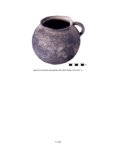
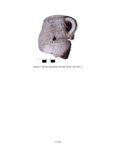
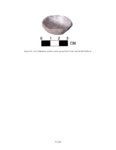
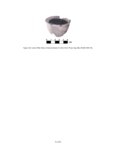
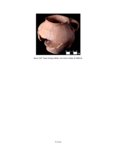
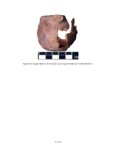
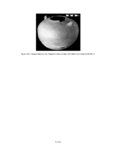
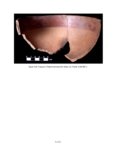
| OCR Text |
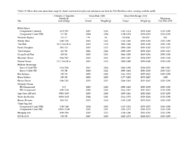
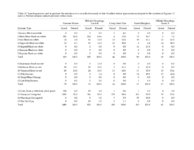
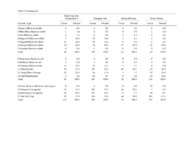
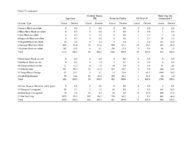
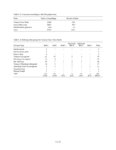
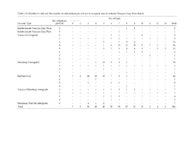
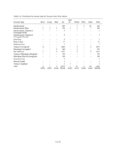
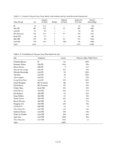
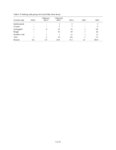
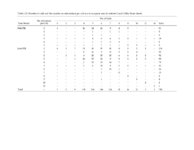
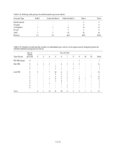
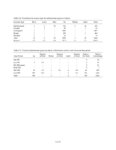
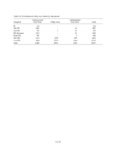
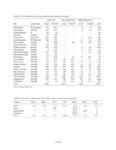
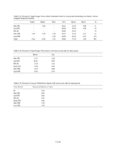
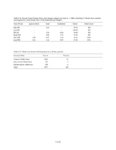
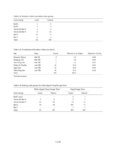
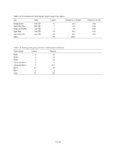
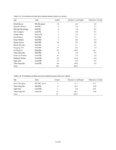
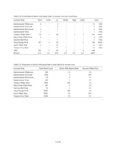
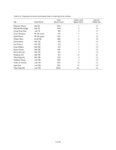
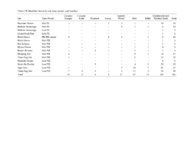
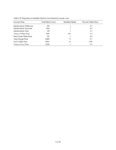
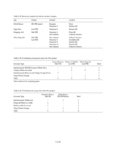
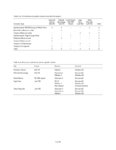
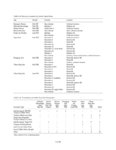
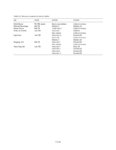
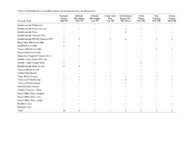
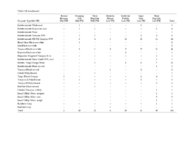
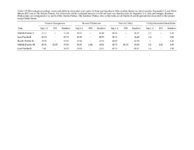
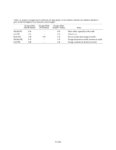
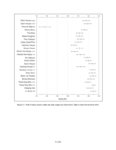
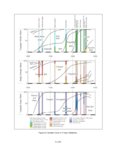
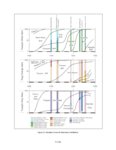
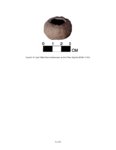
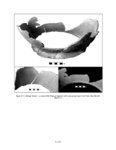
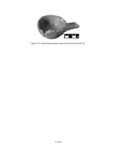
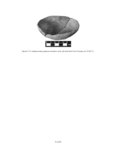
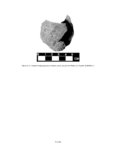
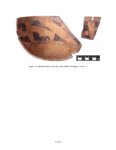
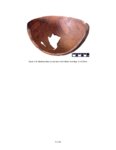
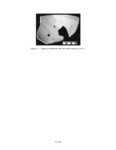
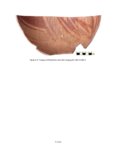
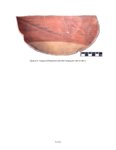
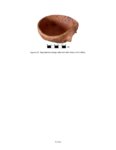
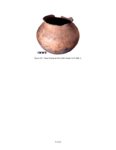
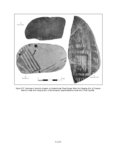
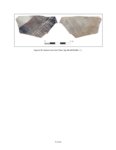
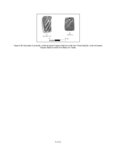
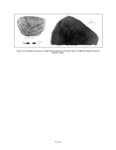
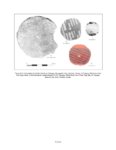
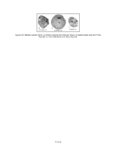
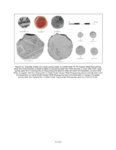
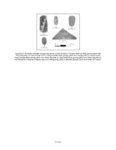
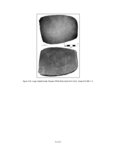
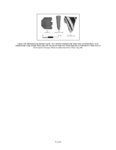
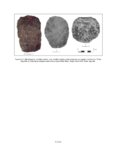
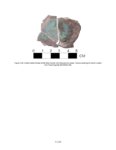
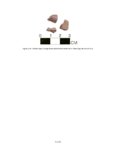
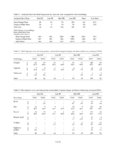
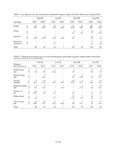
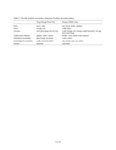
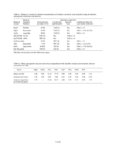
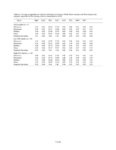
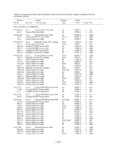
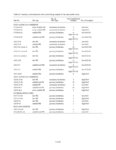
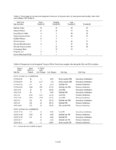
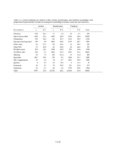
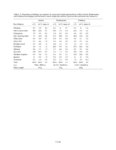
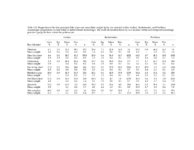
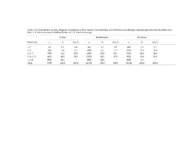
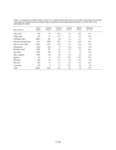
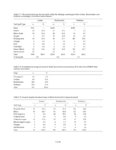
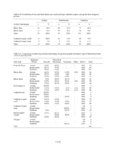
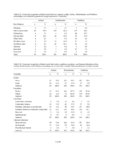
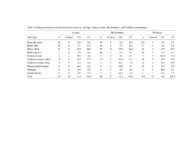
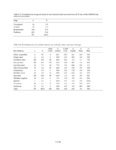
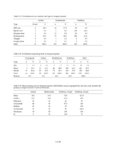
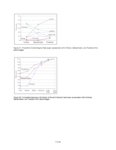
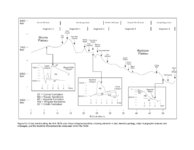
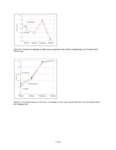
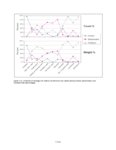
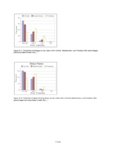
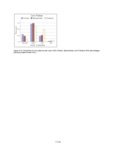
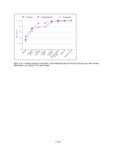
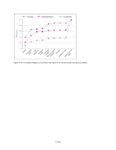
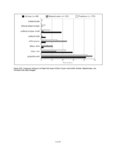
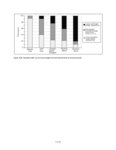
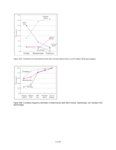
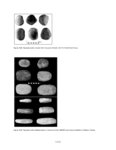
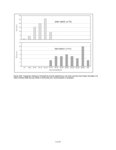
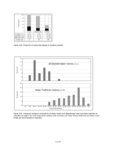
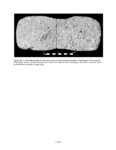
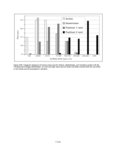
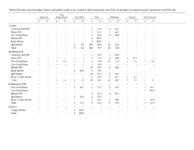
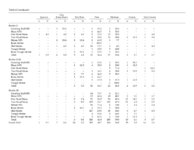
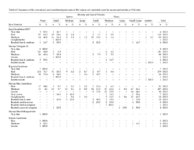
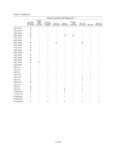
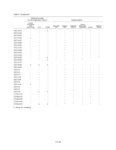
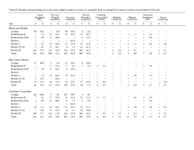
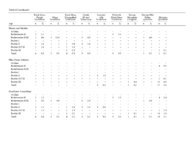
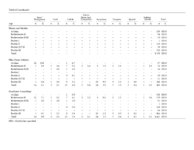
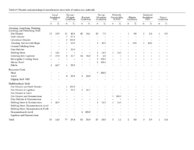
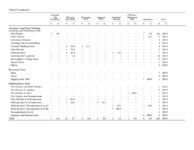
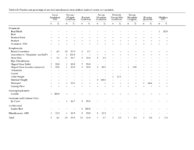
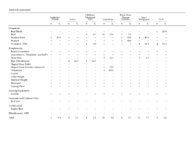
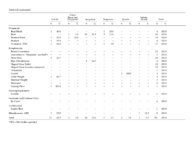
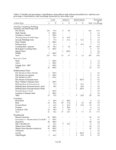
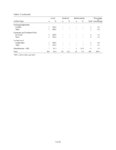
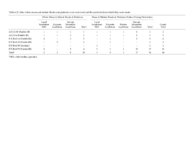
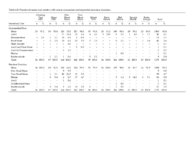
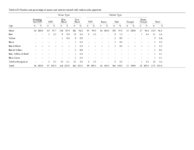
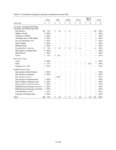
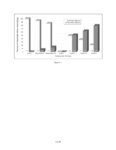
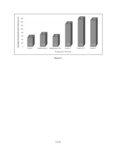
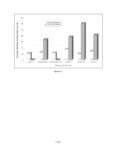
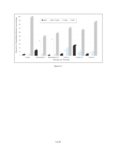
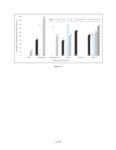
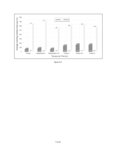
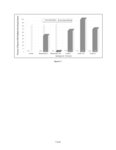
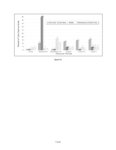
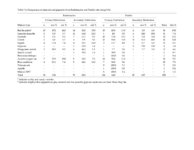
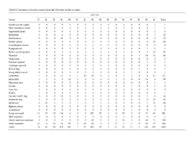
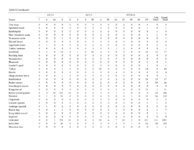
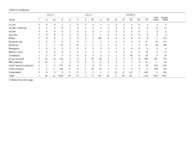
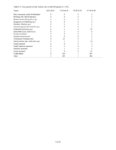
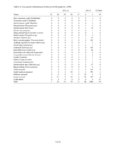
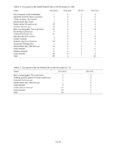
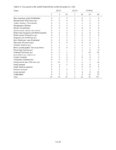
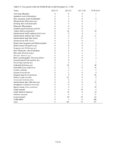
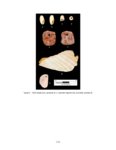
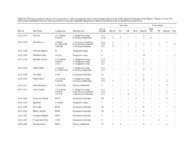
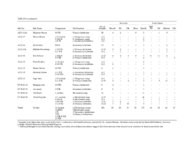
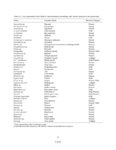
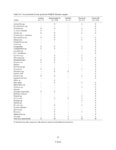
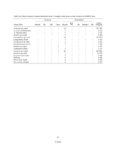
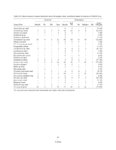
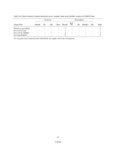
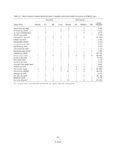
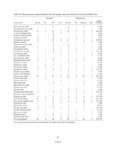
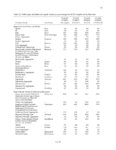
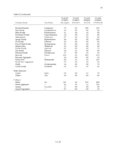
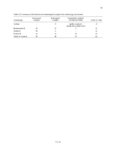
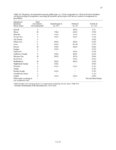
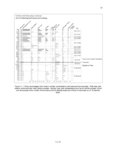
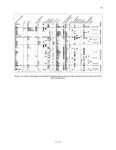
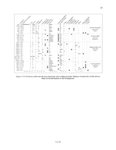
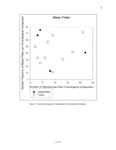
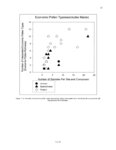
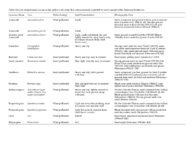
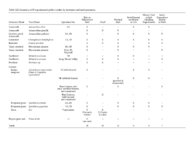
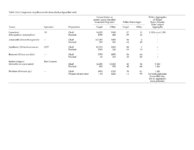
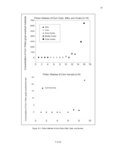
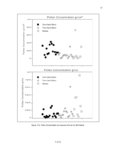
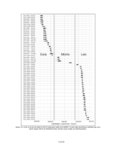
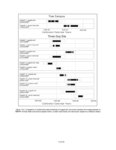
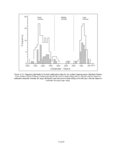
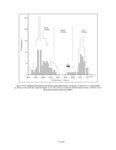
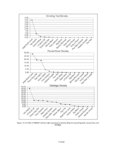
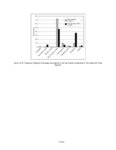
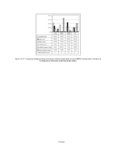
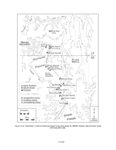
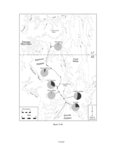
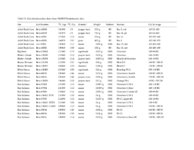
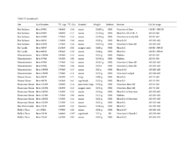
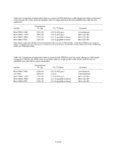
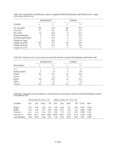
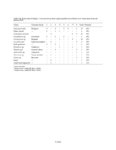
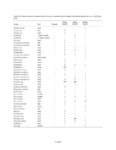
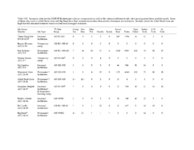
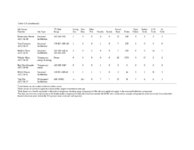
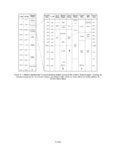
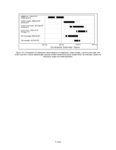
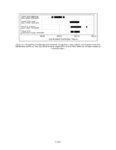
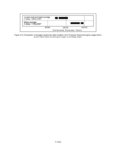
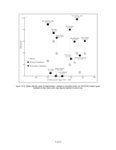
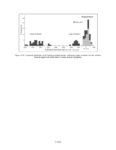
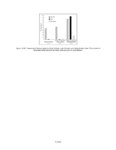
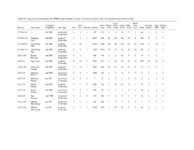
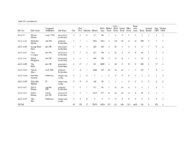
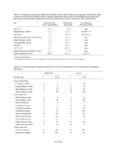
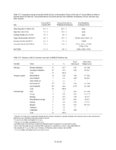
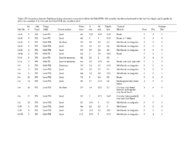
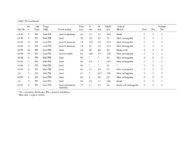
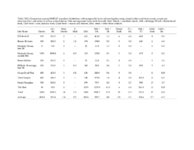
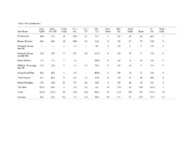
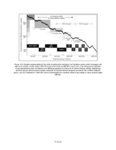
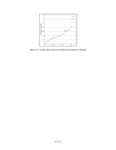
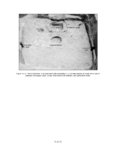
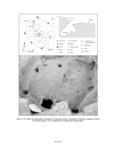
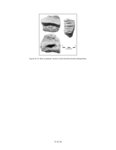
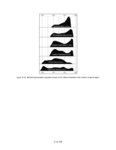
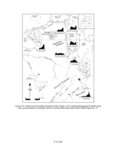
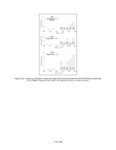
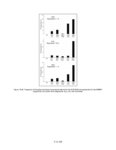
Show of Kiet Siel Gray at these sites is quite high-over 90 percent for Modesty House, Sapo Seco, and Water Jar Pueblo, and almost 60 percent at Bonsai Bivouac. The lower percentage at Bonsai Bivouac is most likely a reflection of it being the oldest of the four sites. The relative percentages of Kiet Siel Gray at these sites suggest a combination of temporal and geographical differences between these two immediate areas. The percentages in the southern cluster increase over time, with Kiet Siel Gray dominating the assemblages at the later sites. In contrast, the Utah sites never have more than 50 percent Kiet Siel Gray, with the later sites having an even lower percentage. Kiet Siel Gray never dominates these assemblages. It may be that for some reason there was a need to manufacture utility wares locally rather than importing Tusayan Gray Ware from the south. Social ties or trade networks may have changed or shifted. If this is found to be true, the changing percentages of local utility to Tusayan Gray Ware can be incorporated into the chronological sequence. A similar situation may be occurring in the whiteware and orangeware assemblages. Three Dog Site is a primary habitation with a small but significant indeterminate whiteware assemblage. It appears that the inhabitants of this site were trying to manufacture whiteware vessels using local clays. There also is a larger proportion of what is believed to be a locally manufactured Tsegi Orange Ware-this is the sandstone-tempered Navajo Mountain variety. Many of these sherds were included in the frequencies for the seriation curve under Tsegi (Plain) Orange. The percentage of this category within this ware is quite high, nearly 80 percent, at the early component of Three Dog Site. The next highest percentage of this category is nearly 67 percent at UT-B-63-19, and almost 27 percent at the late Pueblo III component of Three Dog Site. At the remaining sites Tsegi (Plain) Orange comprises 20 percent or less within this category, depending on when the site was occupied. BROWNWARE The earliest ceramics on the Colorado Plateau are crumbly, sandy brownware vessels, usually globular neckless jars. The pottery assemblage from the Mountainview site and one sherd from Polly's Place conform very well to the early brownware horizon present all over the Southwest between about AD 1 and 500, termed Obelisk Utility in the Kayenta Anasazi and Four Corners region (Reed et al. 2000). AMS radiocarbon dating of maize at the Mountainview site indicates that the site was occupied sometime between cal. AD 220 and 350 (see Chapter 10 of Volume III and Chapter 15 of this volume), providing evidence of ceramic assemblages on the Rainbow Plateau several hundred years earlier than previously thought and earlier than any other ceramics reported for the Kayenta Anasazi area. The Mountainview Assemblage Most of the pottery recovered at Mountainview came from Structure 1, a shallow pit house. Virtually all of the subsurface material from Structure 1 is crumbly, iron-rich brownware with abundant sand and surface textures ranging from well polished to rough. Surface color ranges from orange to brown to various shades of gray, and most sherds are lightly polished. At least three brownware vessels-one straight-necked jar and two seed jars-were represented in the structure. At least two more seed jars and two possible bowls or seed jars, represented by rim sherds, came from the midden. Several body sherds from the structure do not appear to belong to any of the rims, and we estimate that between five and eight brownware vessels are represented at the site. Jar sherds from the structure refit with midden sherds, demonstrating a temporal connection between the two features (14C dating also supports this). Soot appears on both exteriors and interiors of a majority of the brownware sherds. These deposits, together with interior pitting and spalling, suggest that the vessels were used over an open fire. The traditional Colton-Hargrave ceramic typology (Colton and Hargrave 1937; Colton 1955) does not provide an adequate niche for most of the pottery recovered from Mountainview. Colton apparently lumped all early, polished, sand-tempered utility ware into the type "Obelisk Gray." Other names applied to similar early ceramics include "Alma Plain" and "Alma Rough" (Ferg 1978) for brownwares from the Mogollon area, "Lupton Brown" in eastern Arizona (A. E. Dittert, personal communication 1995), Adamana Brown from the Petrified Forest area (Burton 1991; Mera 1934; Wendorf 1953), and Sambrito Brown and Los Pinos Brown in the Navajo Reservoir area (Dittert et al. 1963). Wilson and Blinman (1993, 1994) collapsed the latter two types into a single category called Sambrito Utility. Early brownware has also been recovered from the Chambers-Sanders Trust Lands (Hays 1992, 1993) and from the Salina Springs area (Gilpin 1989), but the analysts declined to apply ware and type names to this material. Indeed, applying type names to what is probably a pan-Southwestern phenomenon needing a great deal more investigation is probably counterproductive. Matters of chronology, vessel function, manufacturing techniques, and identification of construction materials are of utmost importance. Nonetheless, some type name is needed for consistency and brevity in tables and databases used to V.2.14 |